
2026 Utility Trailers For Sale
Shop 2026 Utility trailers, including dry vans and reefers, with specs on suspension, axle settings, roof type, wheels, and tire options.
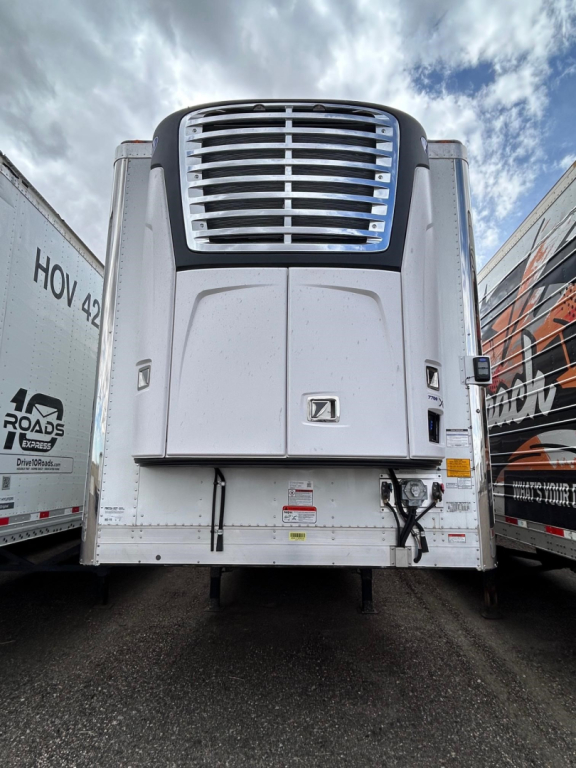
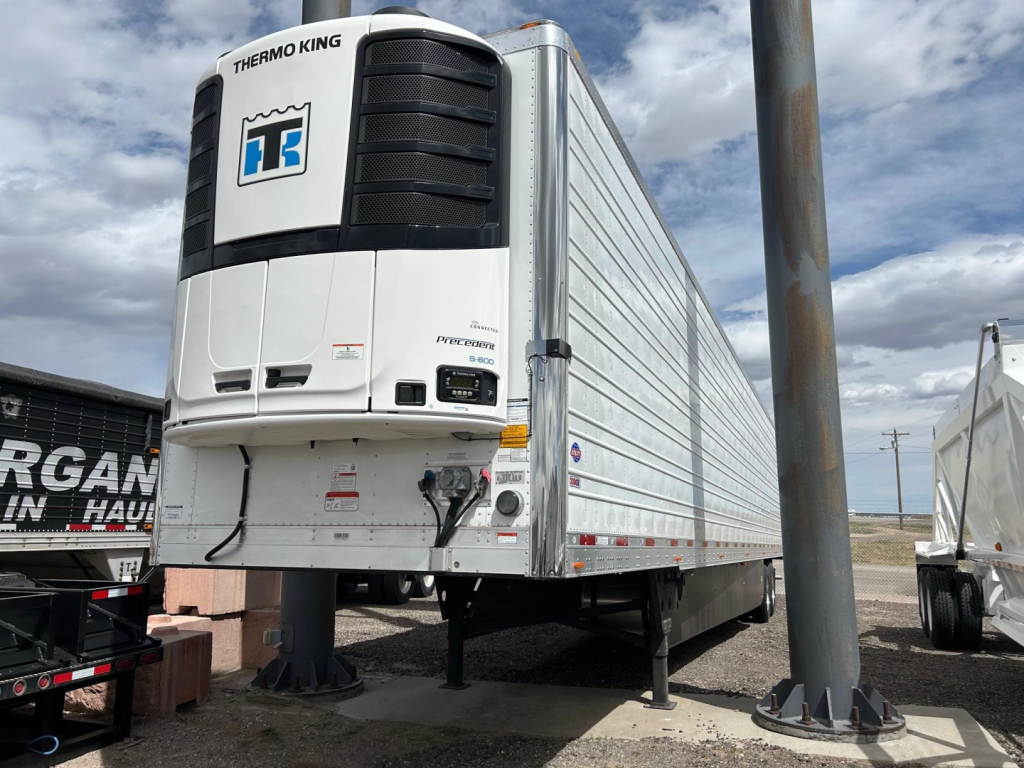
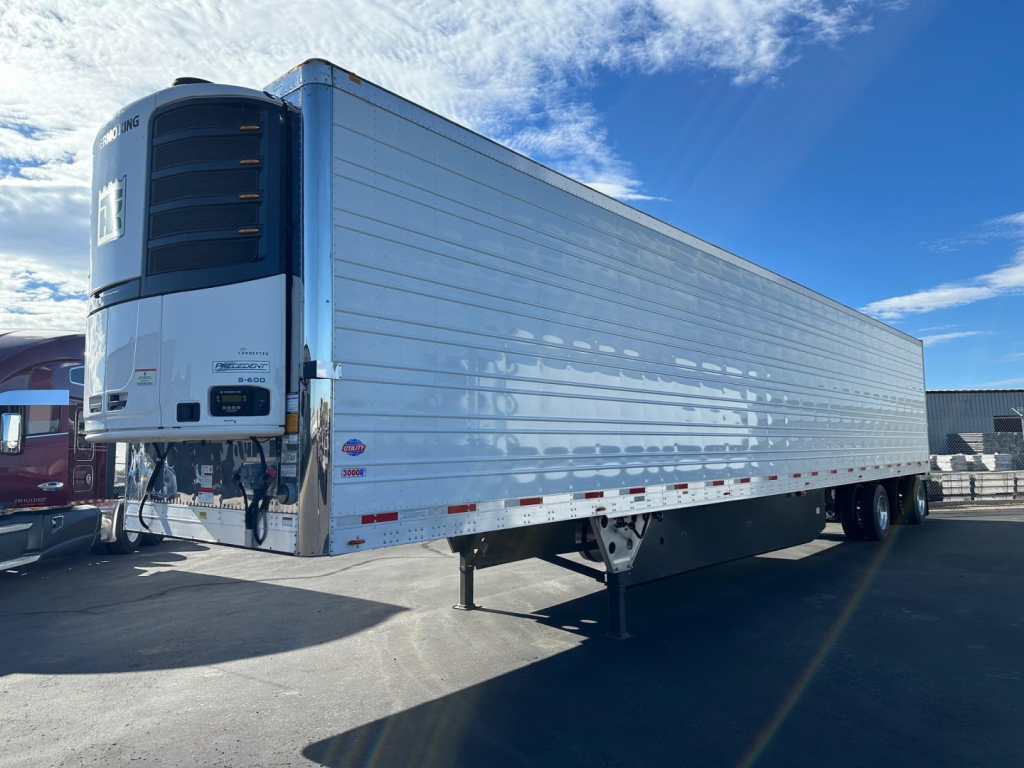
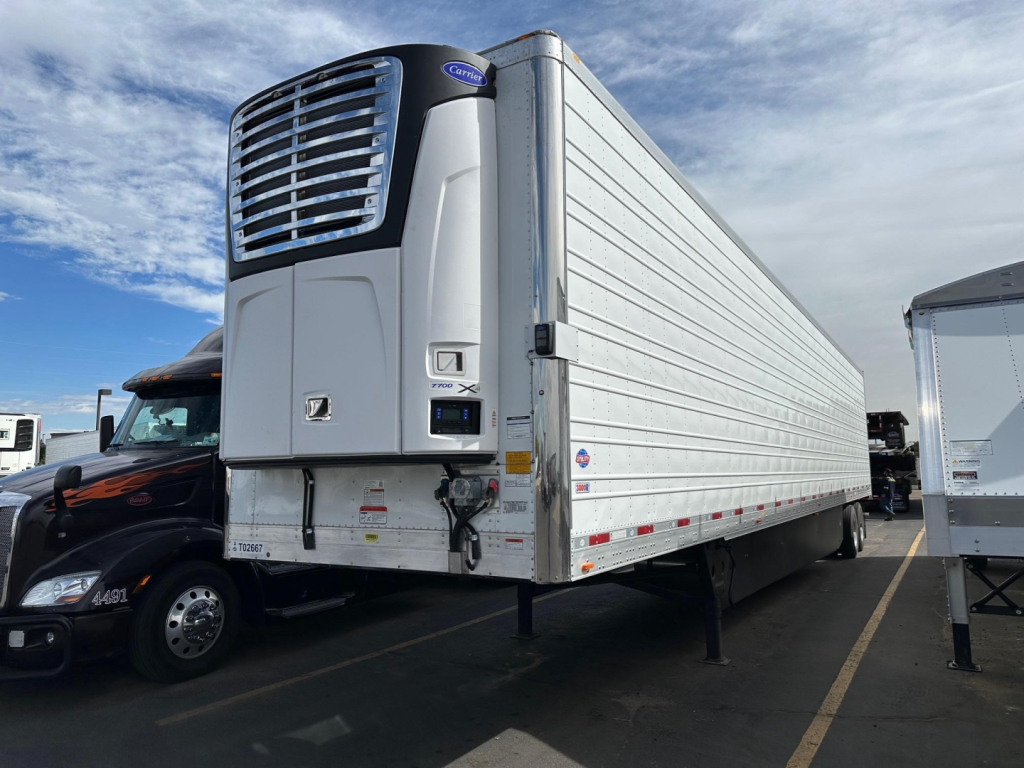
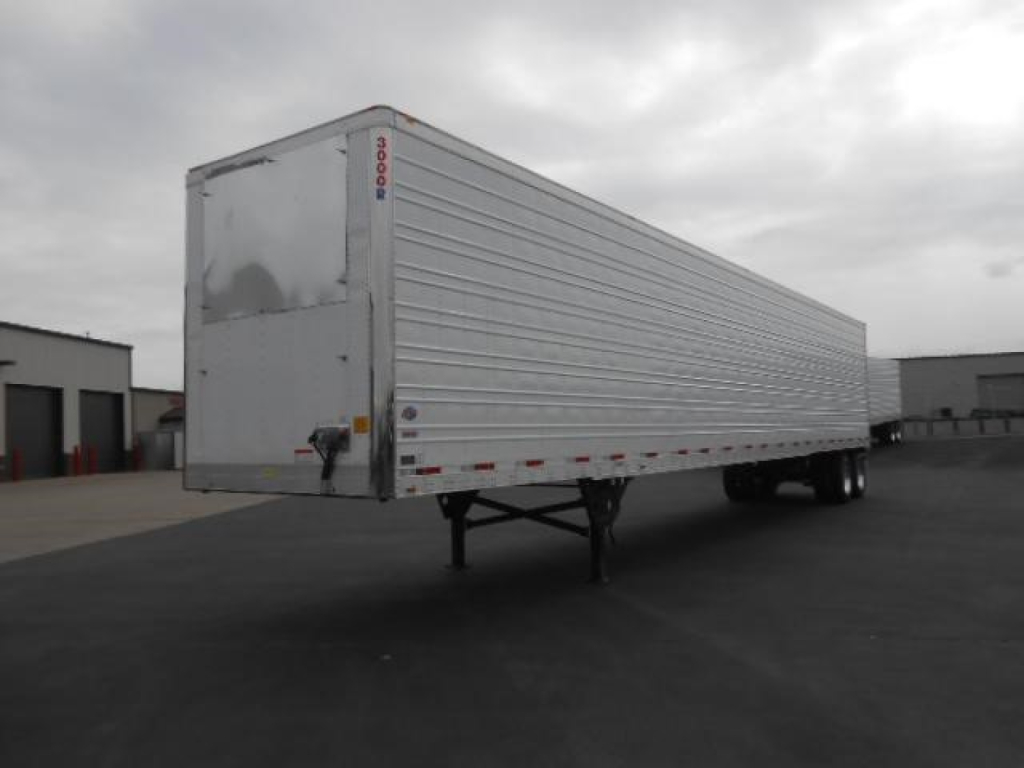
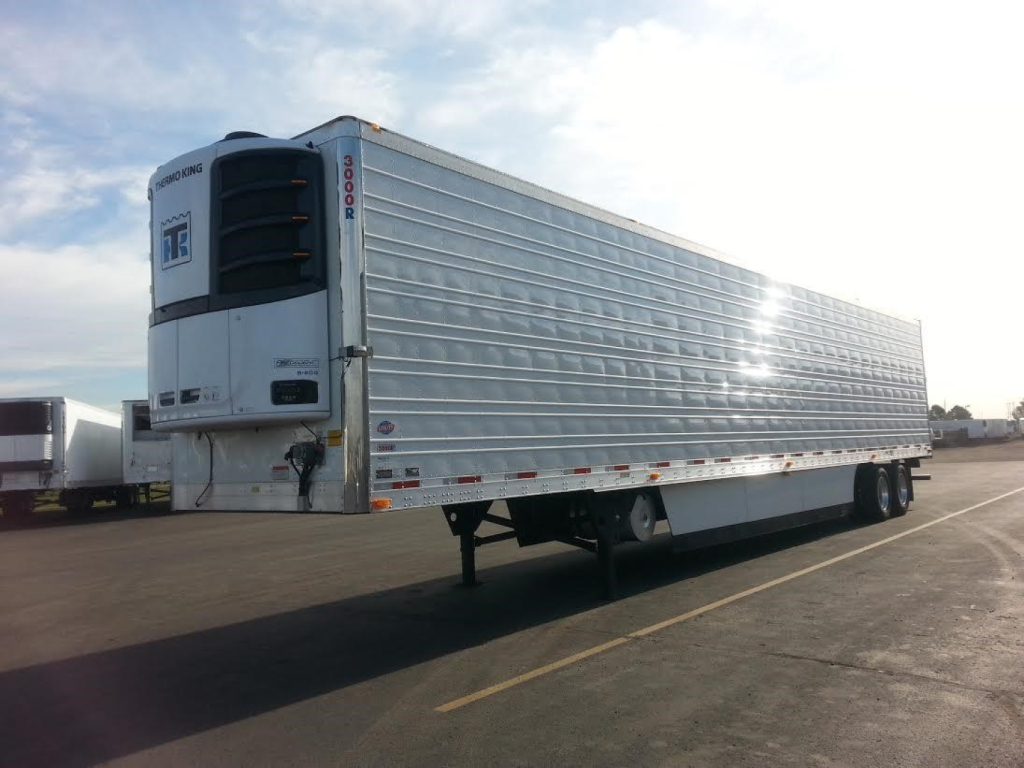
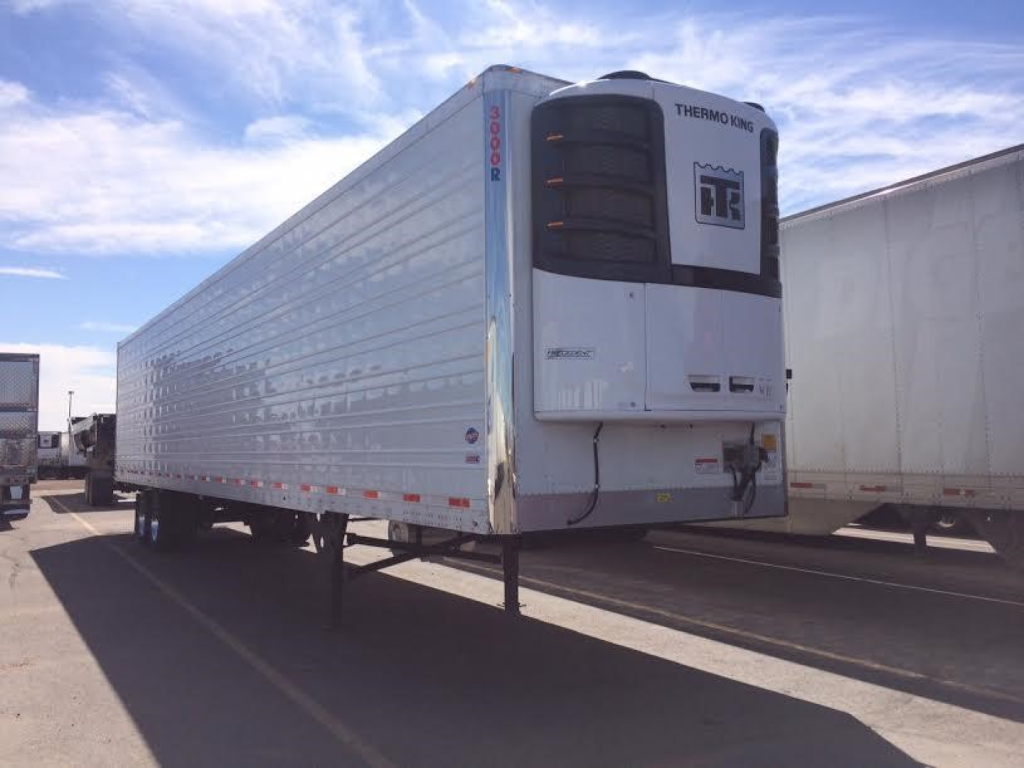
Selling a 2026 utility trailer? List your 2026 utility trailer for sale and reach thousands of commercial buyers.
2026 Utility Trailers
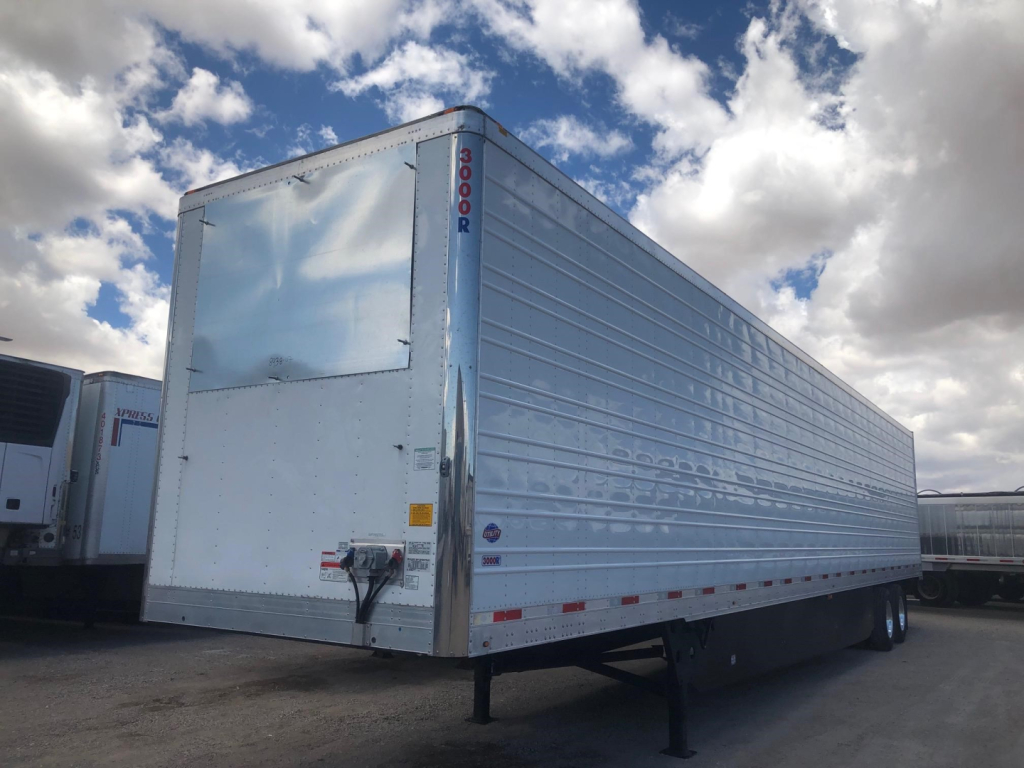
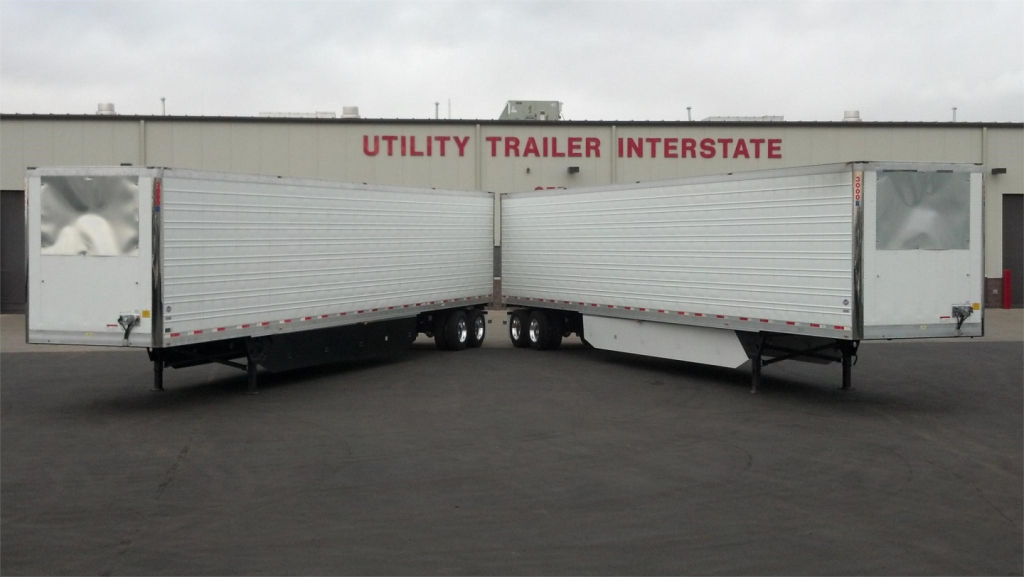
On the dry van side, Utility van trailers are built for general freight, retail distribution, palletized goods, and high-cube dock freight. Key spec points include roof construction, sidewall lining, floor rating, rear frame reinforcement, and logistics features such as duct floors, cargo control tracks, and swing versus roll-up doors. Buyers running dense freight should pay close attention to floor capacity and crossmember spacing, while operations focused on cube and route efficiency may prioritize lighter specs that preserve payload. Sliding tandems remain a common choice because they give dispatch more room to adjust axle weights and kingpin settings across different states and customer docks.
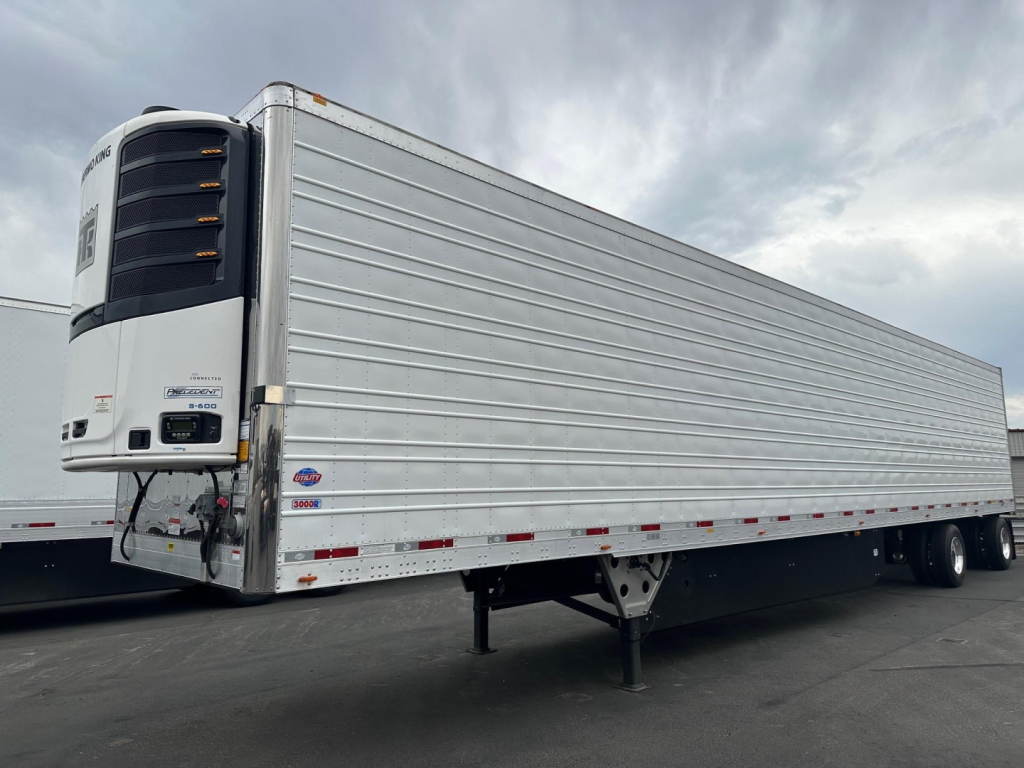
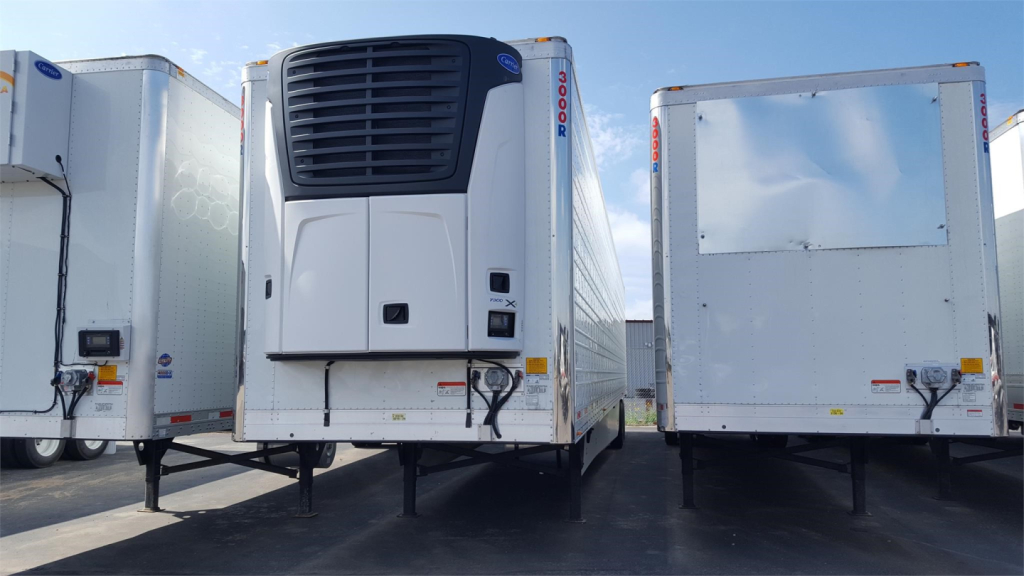
For cold-chain work, 2026 Utility reefer trailers are designed around temperature integrity, insulation performance, and trailer-truck refrigeration unit compatibility. Important details include roof and floor insulation package, evaporator clearance, interior liner condition, drain layout, and door seal durability. Many reefer buyers also look closely at air ride suspension, aluminum wheel specs, and tire size because these affect ride quality, serviceability, and operating weight. If the freight mix includes produce, frozen foods, dairy, or pharmaceuticals, trailer spec should match the lane profile, loading frequency, and temperature pull-down demands rather than just the purchase price.
Utility trailers generally appeal to buyers who want a proven van or reefer with standardized components and broad acceptance in fleet service networks. When comparing listings, focus on the exact trailer category first, then verify tandem slide position, suspension type, wheel material, roof spec, and any interior options that affect real-world freight use. A dry van and a reefer may share the same brand badge, but their value is driven by very different operating costs, maintenance intervals, and cargo requirements.
Frequently Asked Questions about 2026 Utility Trailers
What are the most common 2026 Utility trailer types buyers compare?
The most common 2026 Utility trailers on the market are dry vans and refrigerated trailers, also called reefers. A dry van is built for general non-temperature-sensitive freight, while a reefer is insulated and designed to work with a refrigeration unit for cold-chain cargo. Buyers should separate these two categories immediately because the trailer structure, operating costs, maintenance requirements, and resale factors are very different.
Why does a sliding tandem matter on a Utility trailer?
A sliding tandem gives the trailer more flexibility for axle weight distribution, bridge law compliance, and dock positioning. It allows the tandem assembly to move forward or rearward depending on the load and state regulations. For fleets running multi-state lanes or mixed freight weights, a sliding tandem can make dispatch easier and reduce the risk of axle overweight problems.
Should I choose aluminum wheels or steel wheels on a Utility trailer?
Aluminum wheels are typically chosen to reduce weight and improve corrosion resistance, which can help payload and appearance over time. Steel wheels usually cost less up front and are common in harder-use applications where cosmetic concerns are secondary. The right choice depends on payload sensitivity, maintenance preferences, and how closely the operation tracks tare weight across the fleet.
What should I inspect first on a 2026 Utility reefer trailer?
Start with the insulation-critical areas and cargo box condition. Check the roof, floor, interior liner, door seals, drain layout, and signs of moisture intrusion or impact damage. Then confirm the suspension type, tire and wheel specs, and compatibility with the refrigeration setup. On a reefer, temperature integrity and structural condition matter more than appearance because small issues can affect fuel use, temperature control, and cargo claims.
What matters most when buying a 2026 Utility dry van trailer?
The most important dry van considerations are floor strength, rear frame durability, roof condition, sidewall integrity, and cargo handling setup. Buyers should match the trailer to the freight profile. Dense pallet freight demands stronger floor and crossmember specs, while lighter high-cube freight may justify a lighter trailer configuration to preserve payload. Door style, scuff protection, and interior cargo control features also have a direct effect on daily usability.