
2026 Utility Reefer Trailers For Sale
Shop 2026 Utility reefer trailers. Learn key 3000R specs, refrigeration options, insulation, suspension, brakes, and fleet-ready features.
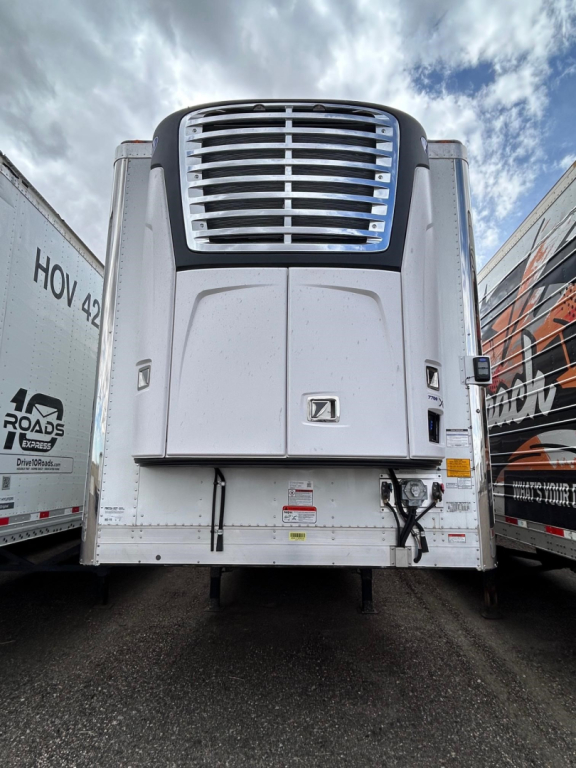
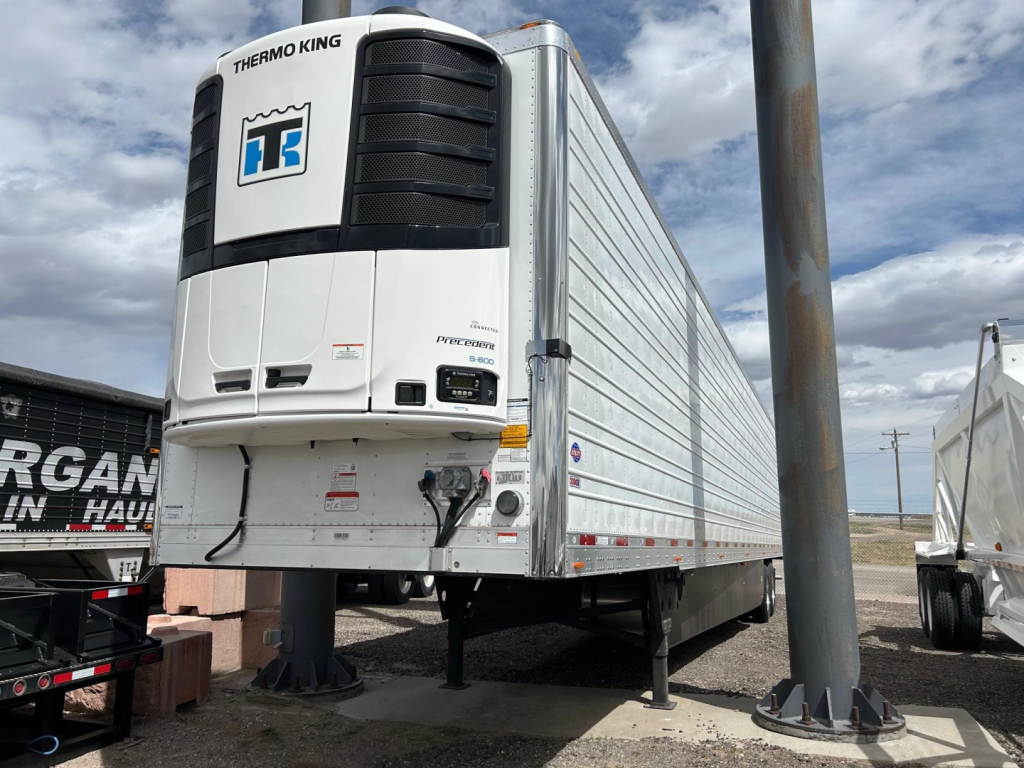
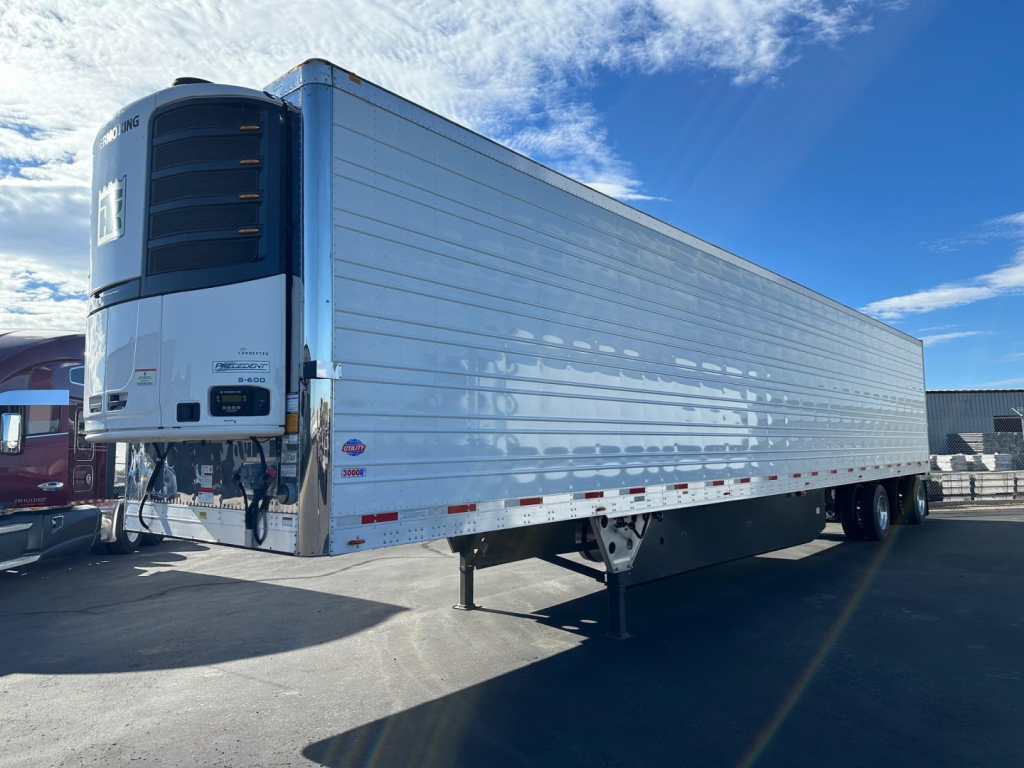
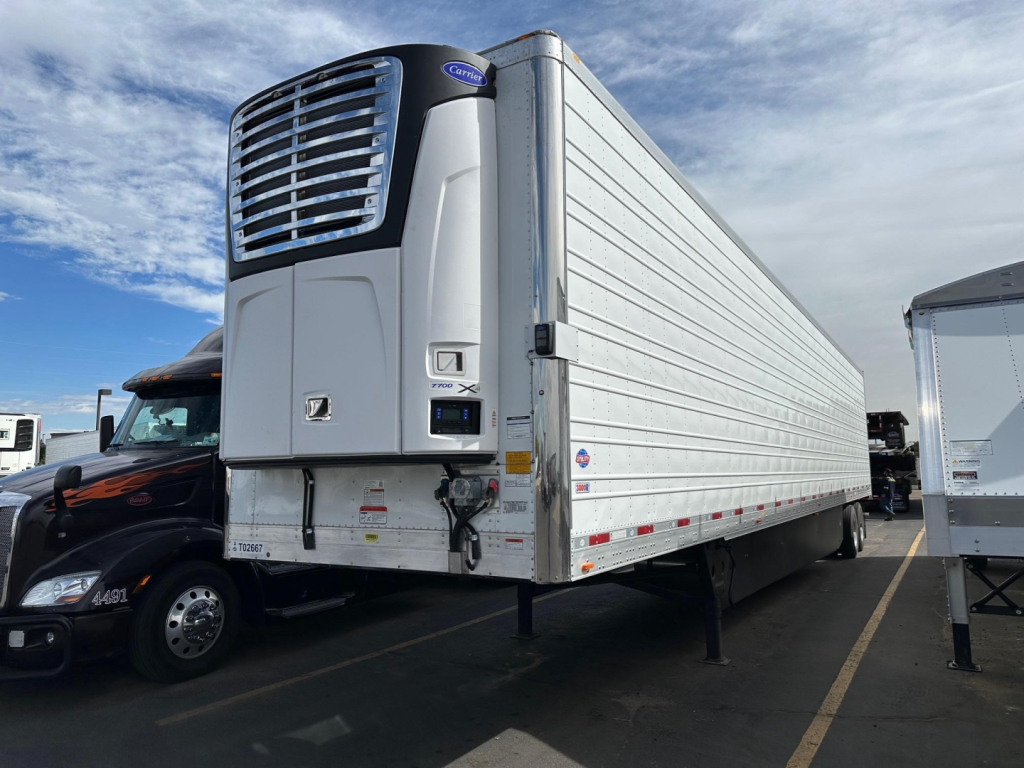
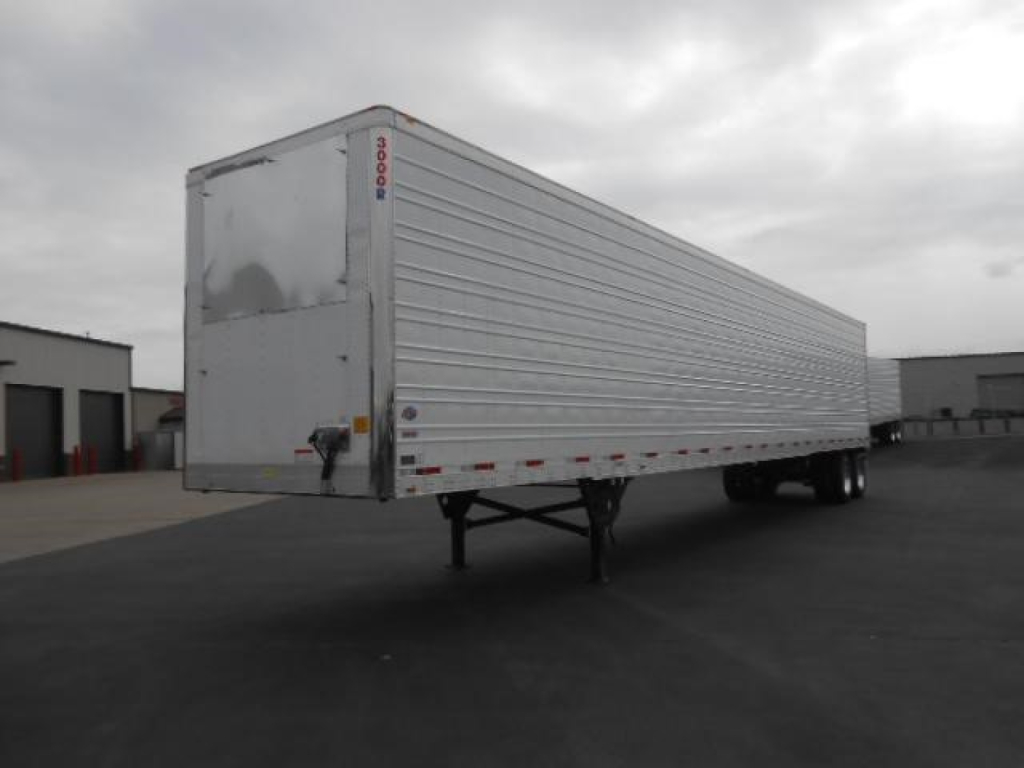
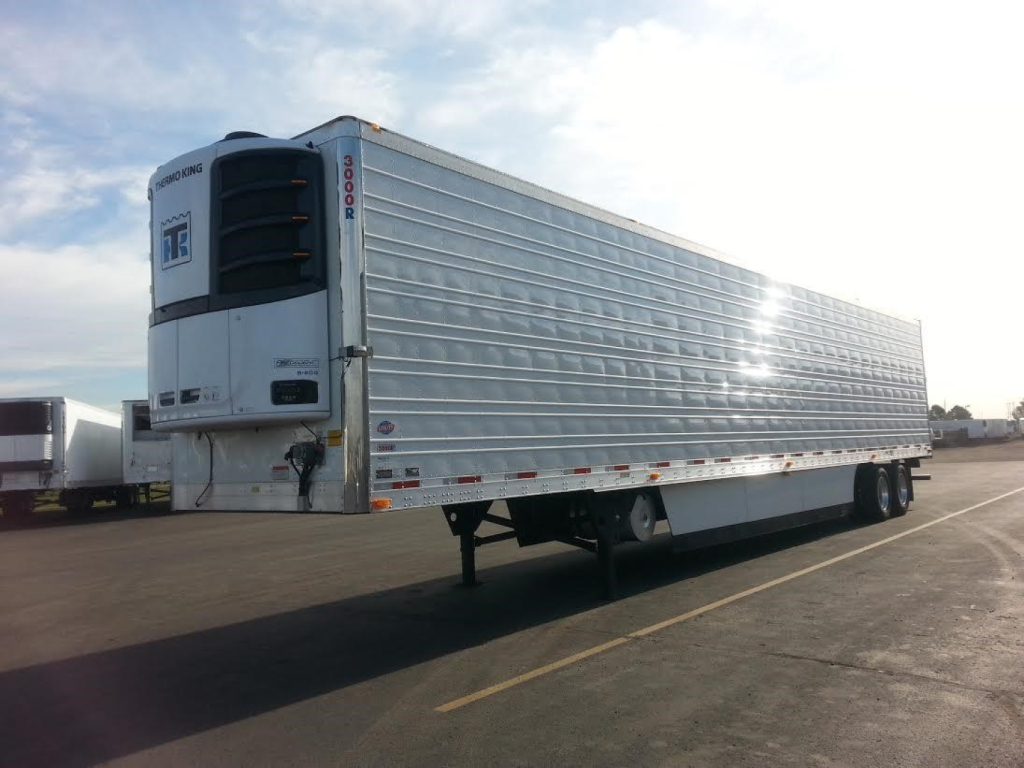
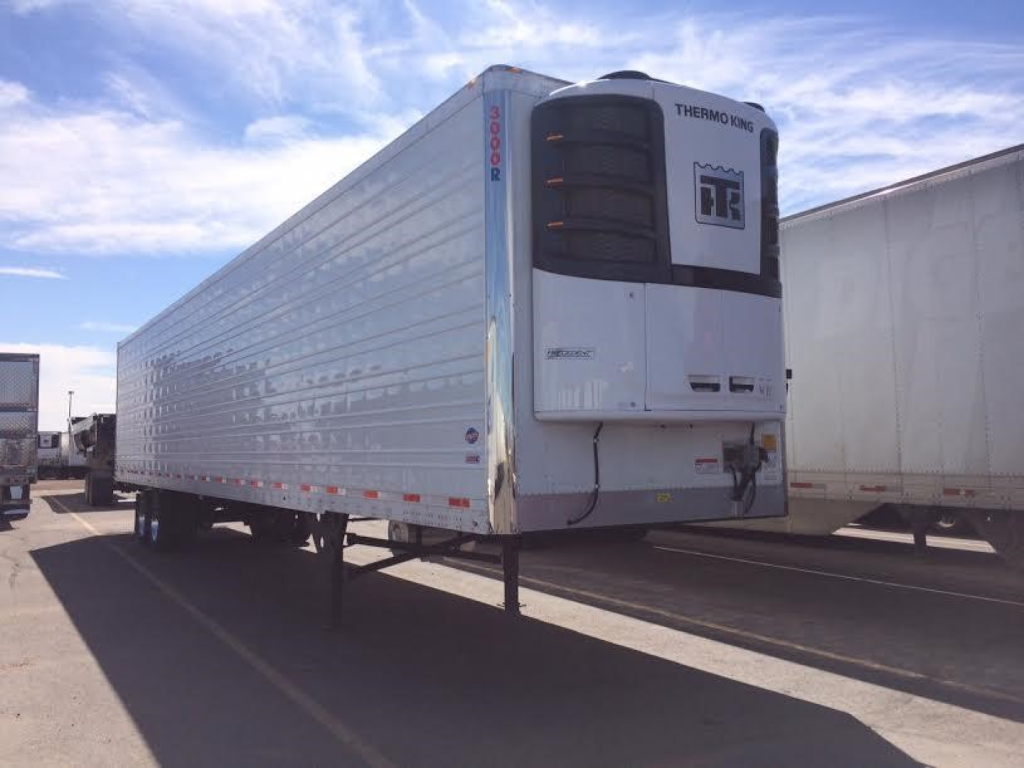
Selling a 2026 utility reefer trailer? List your 2026 utility reefer trailer for sale and reach thousands of commercial buyers.
2026 Utility Reefer Trailers
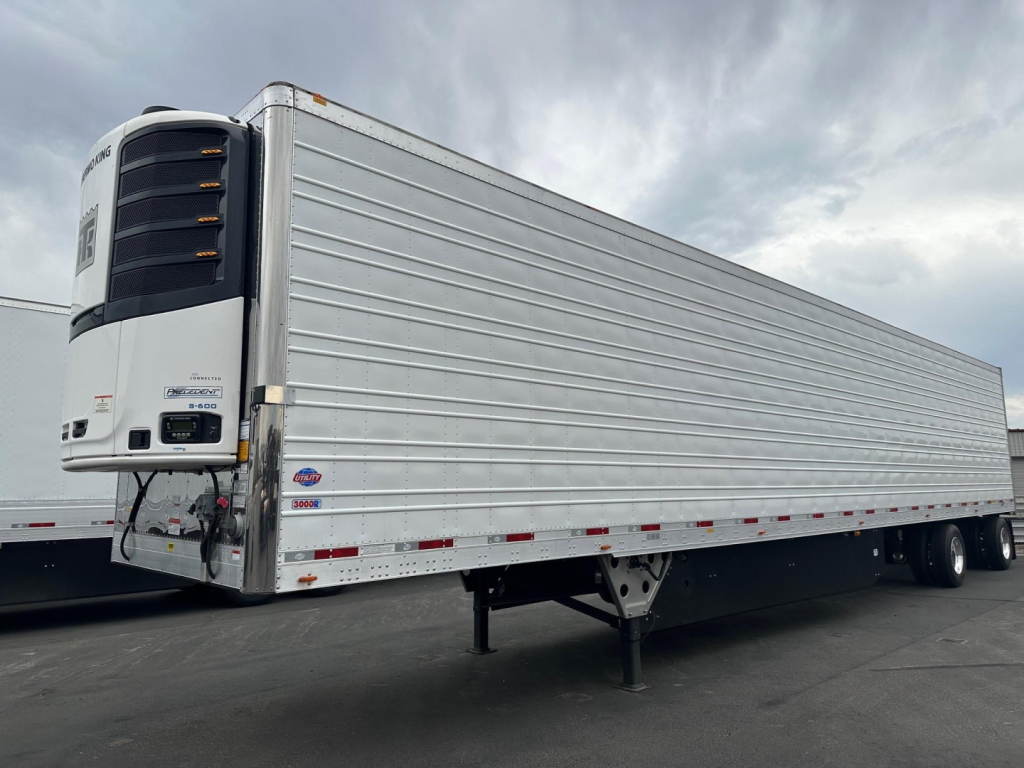
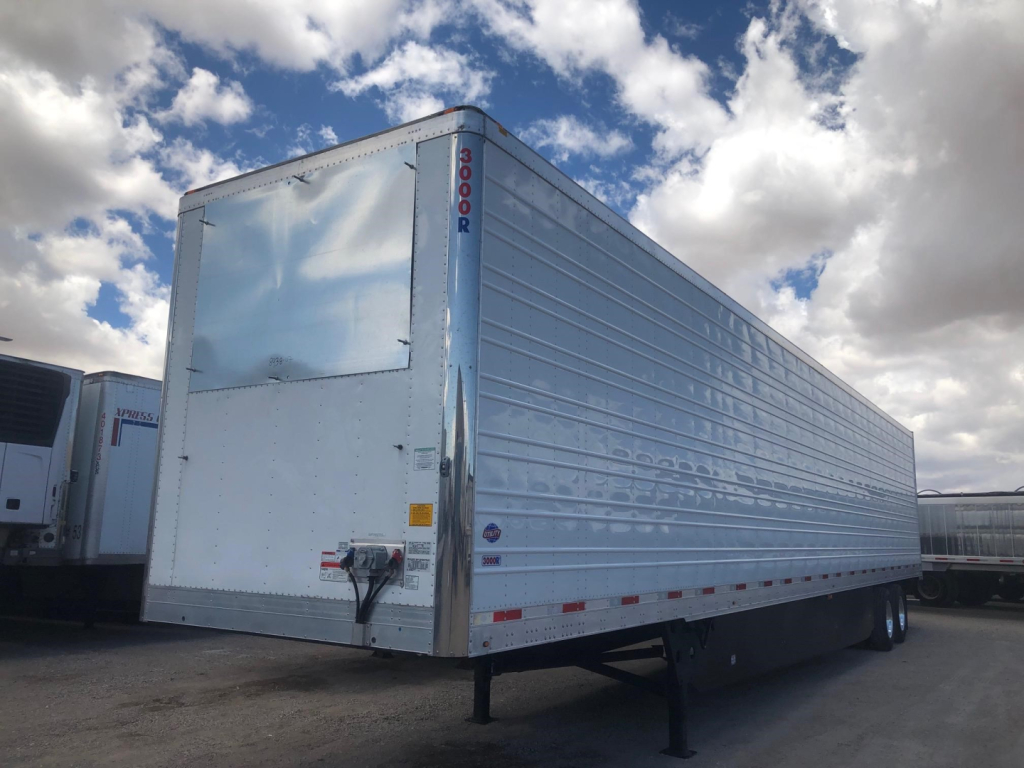
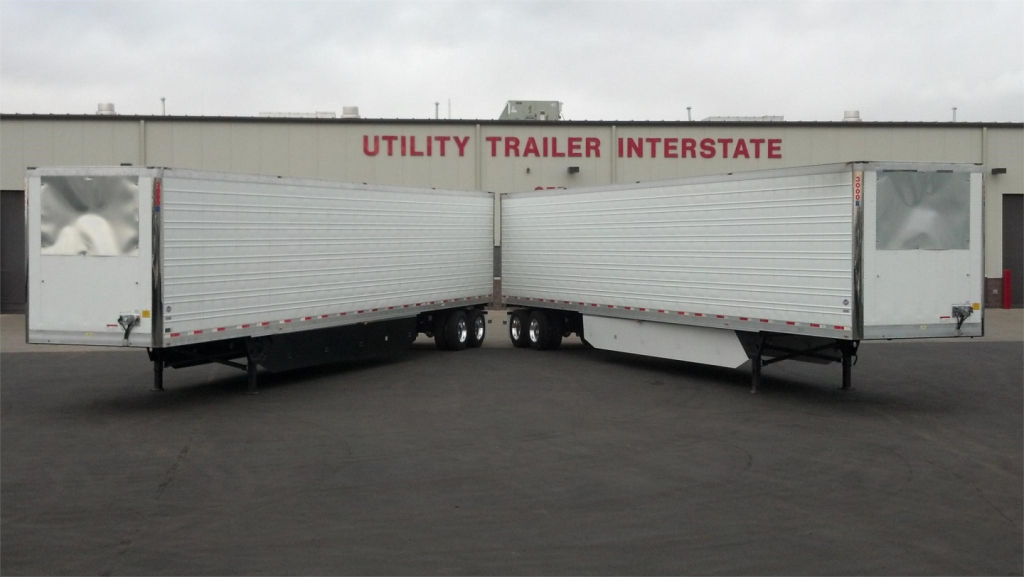
Construction details matter more on a reefer than they do on many dry vans because the box has to protect cargo, hold temperature, and survive repeated dock impact. Utility reefers are commonly spec'd with stainless front corners, stainless rear headers, quilted stainless rear swing doors, corrugated side panels, and aluminum duct floors. Buyers should pay close attention to the interior lining, floor condition, wearband height, door seal condition, and any signs of moisture intrusion or delamination. A trailer hauling produce, frozen foods, dairy, pharmaceuticals, or floral loads needs consistent insulation performance and clean air movement from nose to doors. Features like rear vents, chute systems, scuff protection, and side skirts can make a noticeable difference depending on commodity mix and fuel goals.
Running gear and serviceability are just as important as refrigeration performance. Many late-model Utility reefer trailers are configured with air ride suspension, slider tandems with air-operated pins, low-profile 22.5 tires, and either drum or disc brakes. Disc brakes can improve stopping consistency and reduce fade in high-cycle regional work, while tire inflation systems help control irregular wear and roadside downtime. Anti-dock walk devices, break-away mudflap hangers, LED lighting, and aluminum outer wheels are common fleet-oriented specs that reduce abuse and improve operating efficiency. Buyers comparing units should verify axle spread, closed or California-legal tandem settings, kingpin setting, wheel-end type, and whether the trailer fits customer dock geometry and state bridge requirements.
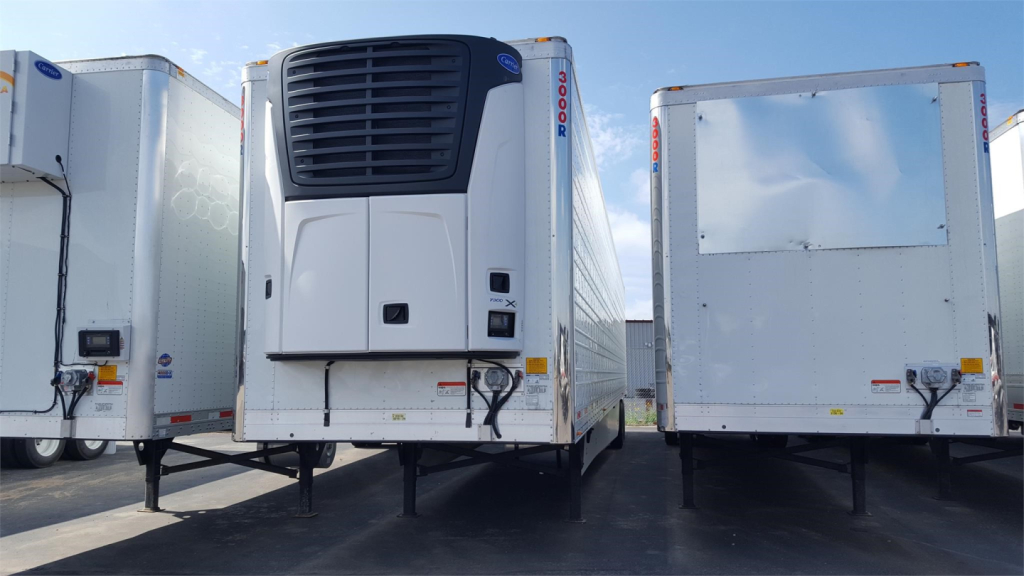
The reefer unit itself is the make-or-break component. Utility trailers are commonly paired with Thermo King or Carrier units, and the right choice depends on service support in your operating area, emissions compliance, fuel consumption, and telematics preference. Frozen freight, multi-stop grocery, and high-cycle foodservice work put very different demands on a unit than long-haul sealed loads. Check engine hours, unit start history, defrost performance, pull-down capability, fuel tank condition, and controller diagnostics. On a new 2026 Utility reefer, the value is in getting a current-spec trailer with modern aerodynamics, updated safety features, and a refrigeration package matched to the freight, not simply buying the newest model year.
Frequently Asked Questions about 2026 Utility Reefer Trailers
What is the most common configuration for a Utility reefer trailer?
The most common Utility reefer configuration is a 53' x 102" trailer, typically built on the 3000R platform. Many are spec'd with air ride suspension, sliding tandems, low-profile 22.5 tires, rear swing doors, an aluminum duct floor, and stainless protection at high-wear points such as the front corners and rear frame area. That setup fits mainstream refrigerated freight, standard dock operations, and broad resale demand.
What should buyers inspect first on a reefer trailer besides the refrigeration unit?
After the refrigeration unit, the highest-priority inspection points are the trailer body and floor. Look closely at the duct floor, wearband, interior liner, rear doors, door seals, and any evidence of water intrusion, insulation damage, or wall delamination. A reefer trailer can have a functioning unit but still perform poorly if the box cannot retain temperature or if airflow is disrupted by floor damage and interior deterioration.
Are Utility reefer trailers commonly paired with Thermo King or Carrier units?
Yes. Utility reefer trailers are frequently spec'd with either Thermo King or Carrier refrigeration units. Both are widely used in commercial refrigerated transport, so the better fit usually comes down to your local service network, technician familiarity, parts availability, emissions requirements, and how the unit performs in your type of operation. Buyers running time-critical lanes often prioritize the brand with stronger regional service coverage.
Do disc brakes and tire inflation systems matter on a reefer trailer?
They do, especially in high-mileage or multi-stop applications. Disc brakes can improve brake response and heat management, which is useful in dense traffic, regional routes, and heavier stop-start work. Automatic tire inflation systems help maintain proper pressure, extend tire life, reduce roadside calls, and support fuel efficiency. Those features are not mandatory for every buyer, but they can lower operating cost over time.
Why does interior airflow design matter on a refrigerated trailer?
Interior airflow is critical because the reefer unit does not cool freight evenly unless air can move correctly through the trailer. An aluminum duct floor, proper load spacing, a chute or air delivery system, and intact interior surfaces help maintain consistent temperatures from front to rear. Poor airflow can create hot spots, freeze-sensitive areas, and product quality claims even when the refrigeration unit itself is operating normally.