
2026 Utility Reefer Trailers For Sale in Colorado
Shop 2026 Utility reefer trailers for sale in Colorado. Compare 3000R specs, refrigeration options, floors, suspension, and compliance features.
Selling a 2026 utility reefer trailer? List your 2026 utility reefer trailer for sale and reach thousands of commercial buyers.
2026 Utility Reefer Trailers in Colorado
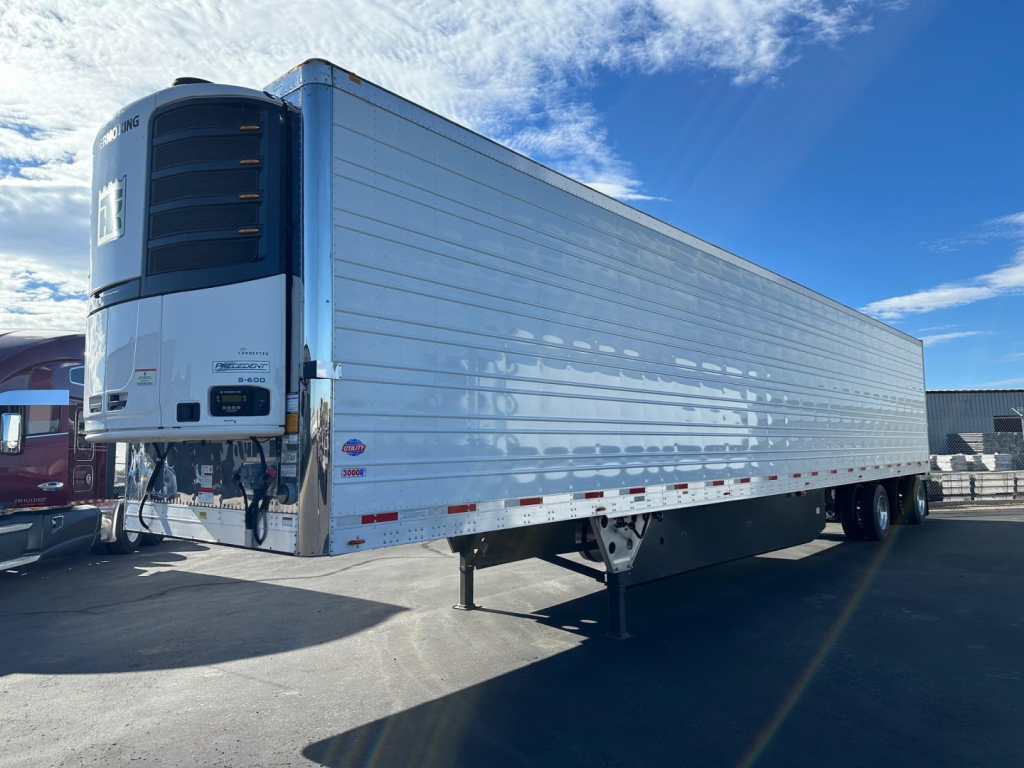
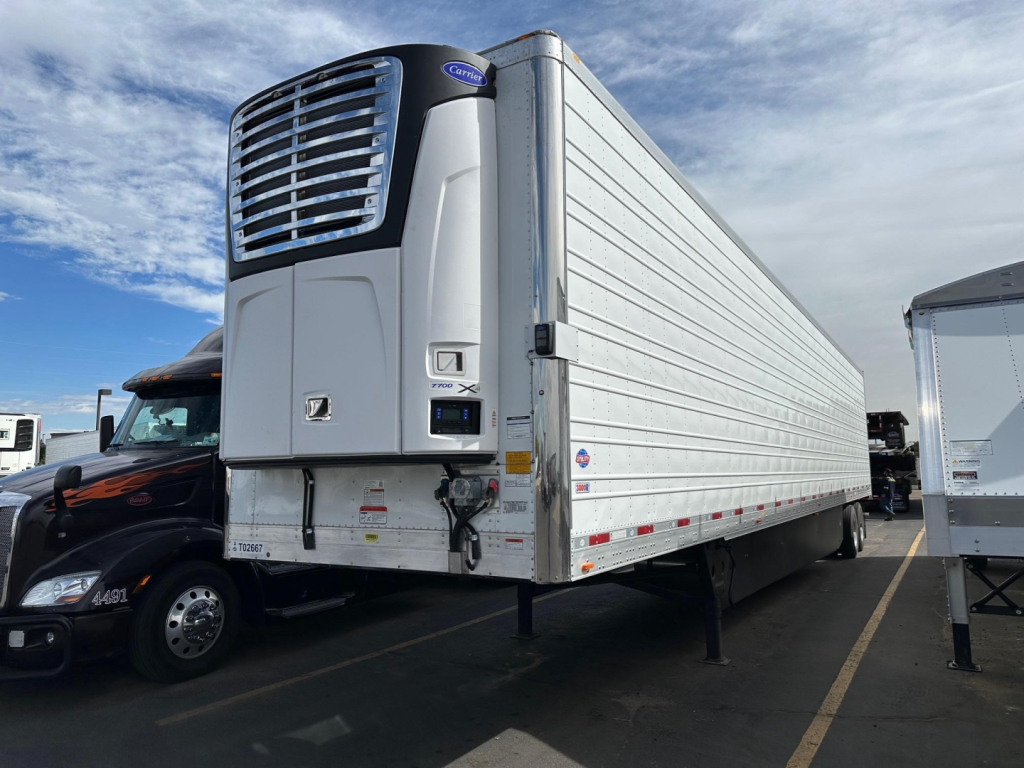
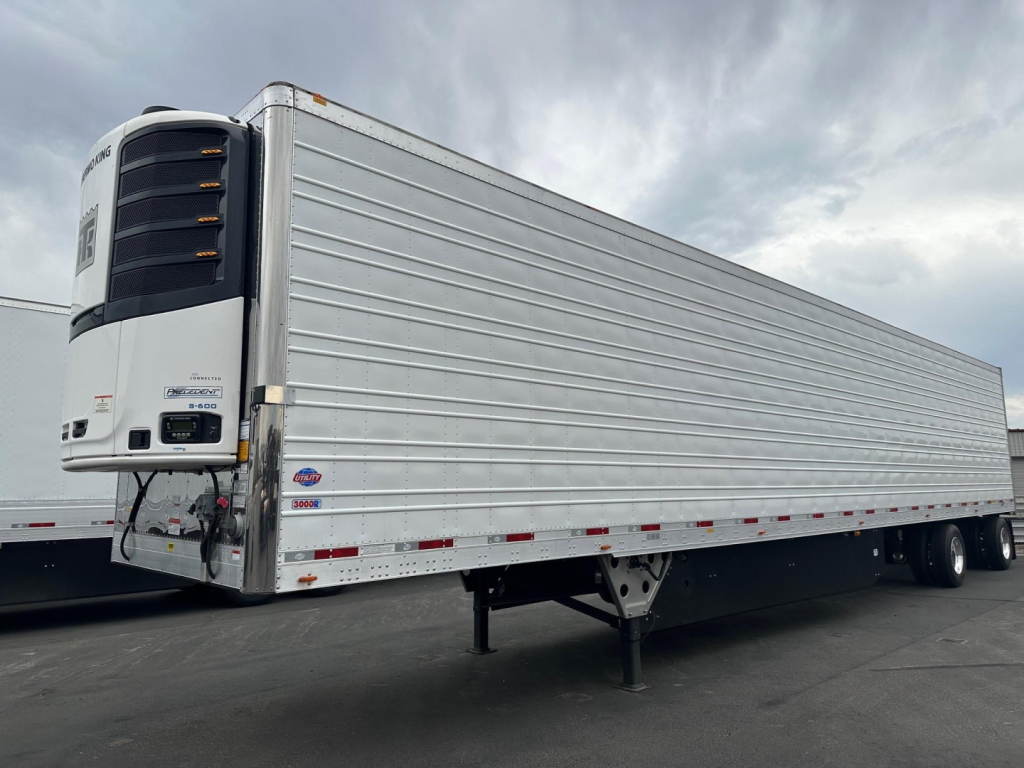
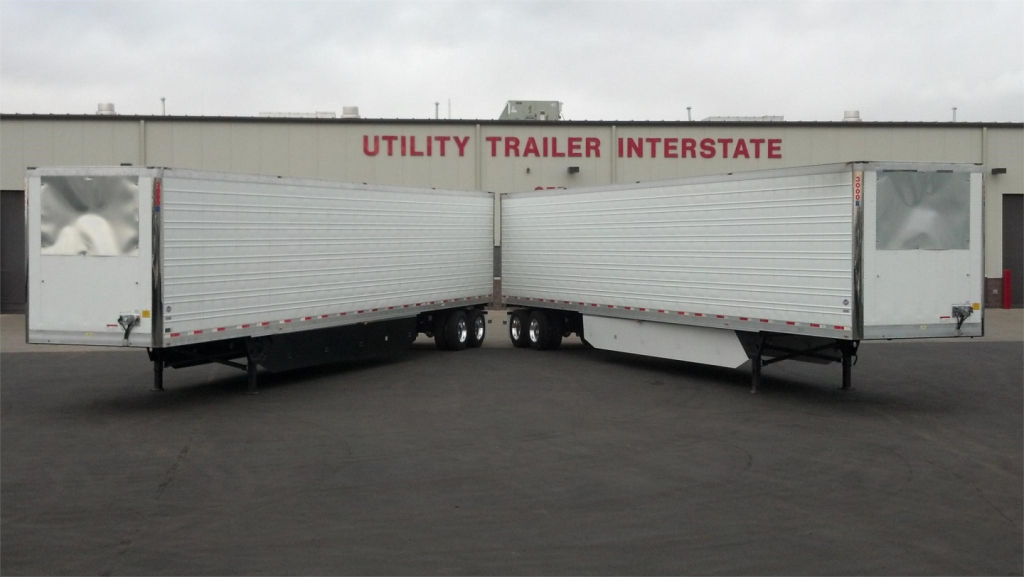
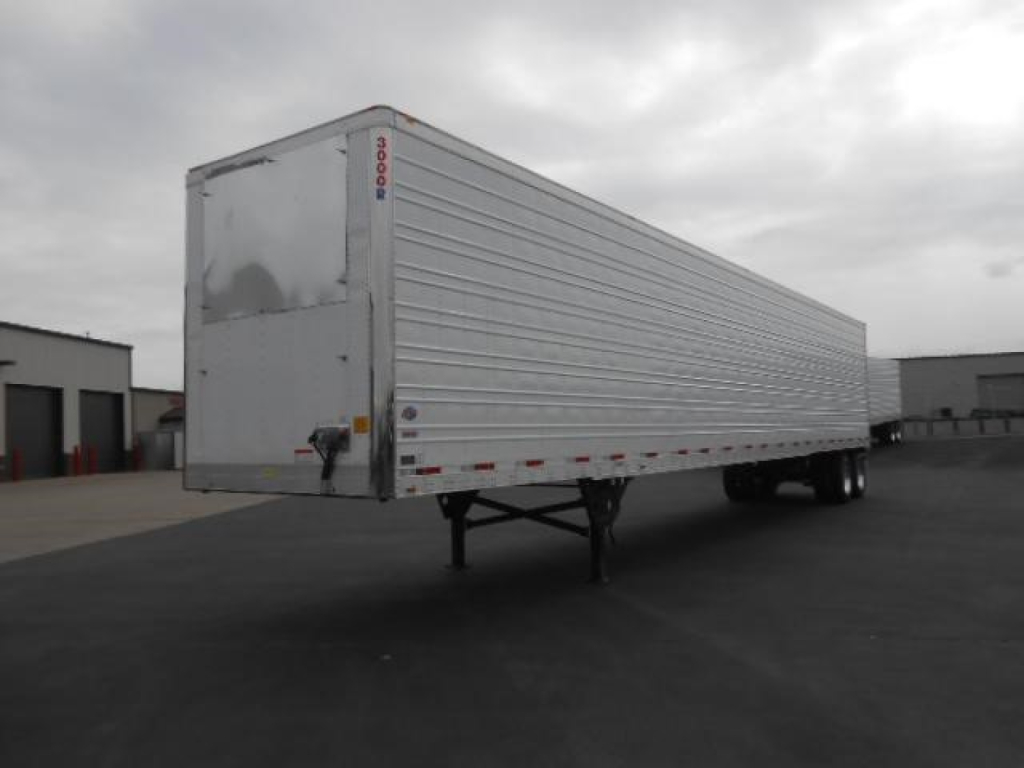
Body and running gear details matter because they affect payload, durability, and dock performance every day. Common Utility reefer specs include corrugated side panels, stainless steel front corners, stainless rear frames or ICC bumpers, and 102-inch overall width. Many late-model trailers are equipped with closed tandem suspensions, air ride, and air pin sliders to help with axle spread compliance and load positioning. Low-profile 22.5 tires are common, and buyers should pay attention to wheel material, tire inflation systems such as TireMaxx Pro or PSI, and anti-dock-walk setups if the trailer will see heavy warehouse use. Side skirts can also be part of the package when fuel economy is a priority.
Inside the trailer, floor and lining choices directly affect service life. Heavy-duty aluminum duct floors and wearbands help protect the interior from pallet jack traffic and repeated forklift loading, while door protector plates and scuff protection reduce damage at the rear opening. If the operation handles mixed-temperature or high-cube foodservice freight, the condition and design of the air delivery system are worth close inspection. Rear venting, quilted doors, and chute configuration all influence pull-down performance and temperature consistency from front to rear. For produce haulers and multi-stop delivery operations, these details can make a measurable difference in claims and maintenance costs.
For buyers comparing 2026 Utility reefer trailers in Colorado, it also makes sense to match the trailer spec to terrain, altitude, and route profile. Mountain grades, winter conditions, and long interstate runs can put more demand on refrigeration output, trailer aerodynamics, and suspension durability. A strong spec usually balances thermal efficiency, low operating cost, and serviceability, not just purchase price. The best-fit Utility reefer is the one with the right reefer unit, legal compliance, floor construction, tandem setup, and protection features for the freight lane it will actually run.
Frequently Asked Questions about 2026 Utility Reefer Trailers in Colorado
What is the most common model for a 2026 Utility reefer trailer?
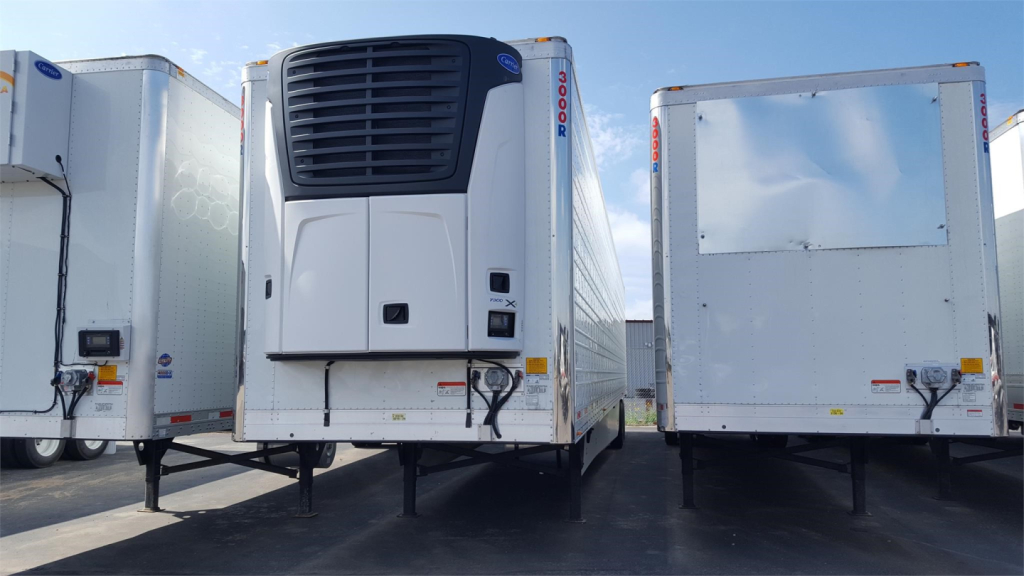
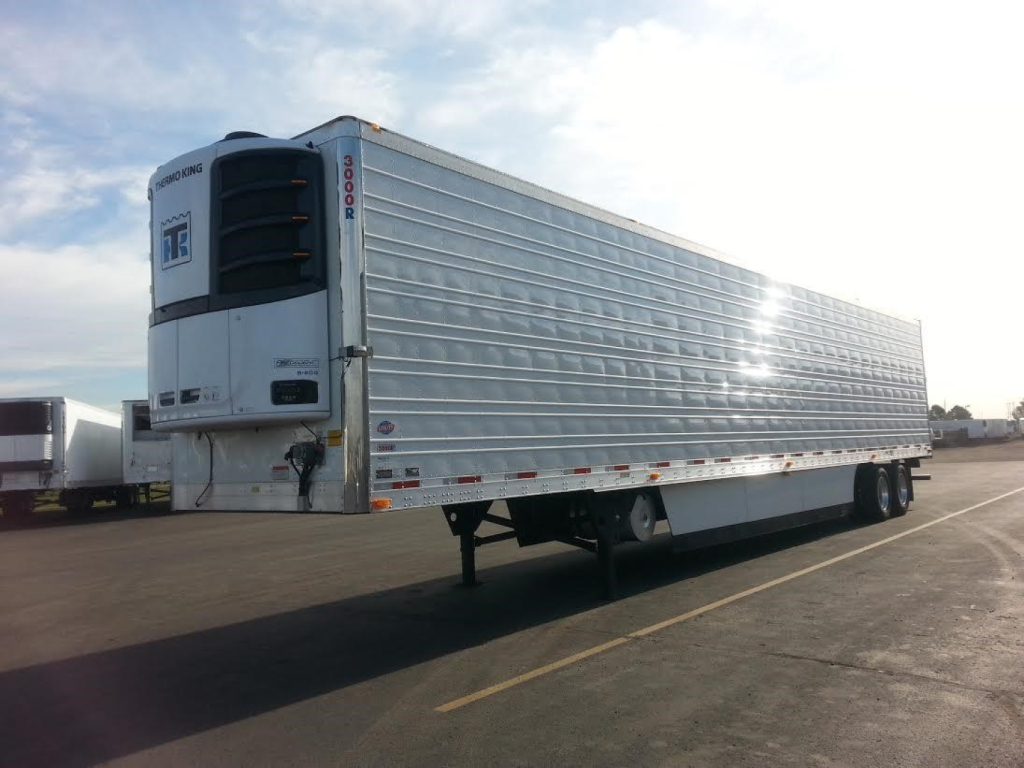
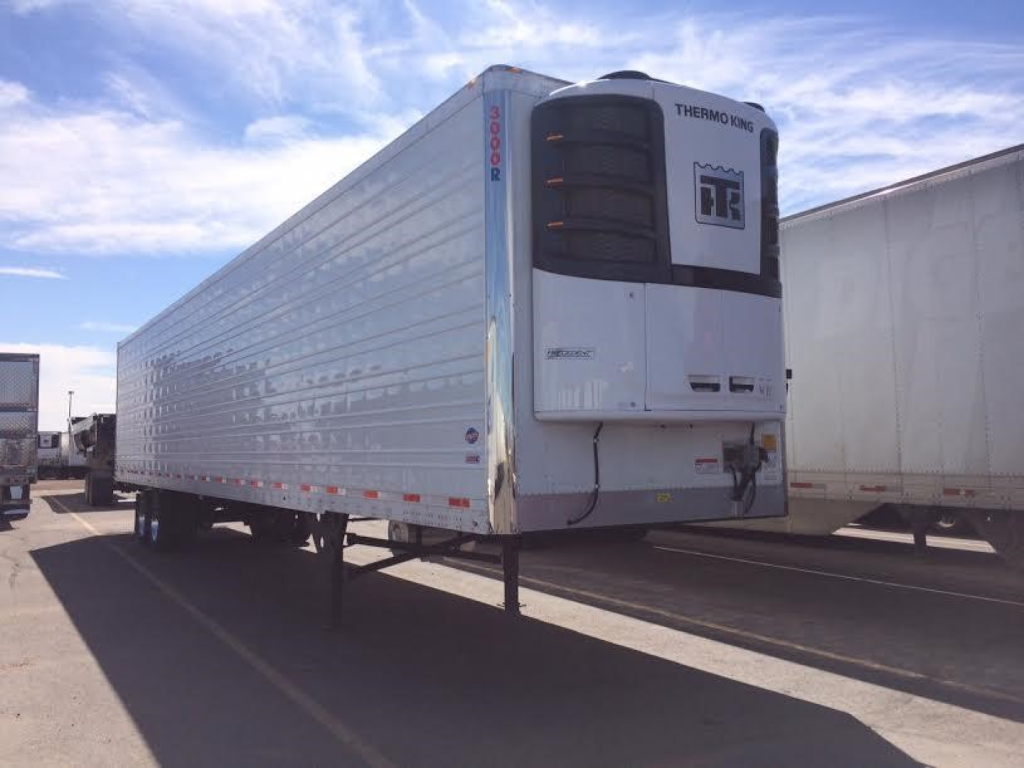
The Utility 3000R is the most common reefer platform in this category. It is typically built as a 53-foot by 102-inch refrigerated van trailer with insulated walls, an aluminum duct floor, rear swing doors, and a front-mounted refrigeration unit from Carrier or Thermo King. Buyers often see it spec'd for food-grade freight, multi-temp distribution support, and long-haul cold chain work.
What specs matter most when buying a Utility reefer trailer?
The most important specs are the refrigeration unit model, emissions compliance status, floor design, suspension, tandem configuration, and interior protection features. A heavy-duty aluminum duct floor supports airflow and loading durability, while air ride suspension and an air pin slider help with ride quality and axle positioning. Tire inflation systems, anti-dock-walk equipment, side skirts, rear vents, and stainless steel corrosion-resistant components also add value depending on the application.
Why does California-legal compliance matter on a reefer trailer?
California-legal compliance matters because reefer unit emissions rules can affect where the trailer can operate and how easily it can be resold. Even if the trailer is based in Colorado, fleets running western regional freight or planning future resale often prefer a compliant refrigeration unit to avoid operational restrictions. A compliant unit can protect marketability and reduce the chance of needing an expensive refrigeration upgrade later.
Is a closed tandem with air pin slider a good setup for reefer work?
Yes, this is a very common and practical setup for reefer operations. A closed tandem can help with weight distribution and maneuverability, while an air pin slider makes tandem adjustment faster and safer than manual systems. For fleets loading different commodities or working across varying bridge and axle laws, that flexibility is useful and can improve day-to-day dispatch efficiency.
What should a buyer inspect inside a reefer trailer body?
Buyers should inspect the duct floor, wearband, chute, rear doors, door seals, scuff areas, and interior wall condition. Damage in these areas can reduce airflow, compromise temperature control, and increase loading damage over time. It is also important to look for signs of floor fatigue, corrosion around door hardware, and any insulation or lining issues that could affect thermal performance.