
Utility Drop Deck Trailers For Sale in Colorado
Shop Utility drop deck trailers with combo construction, air ride, winches, and coil packages built for legal-height freight and versatile hauling.
Selling a utility drop deck trailer? List your utility drop deck trailer for sale and reach thousands of commercial buyers.
Utility Drop Deck Trailers in Colorado
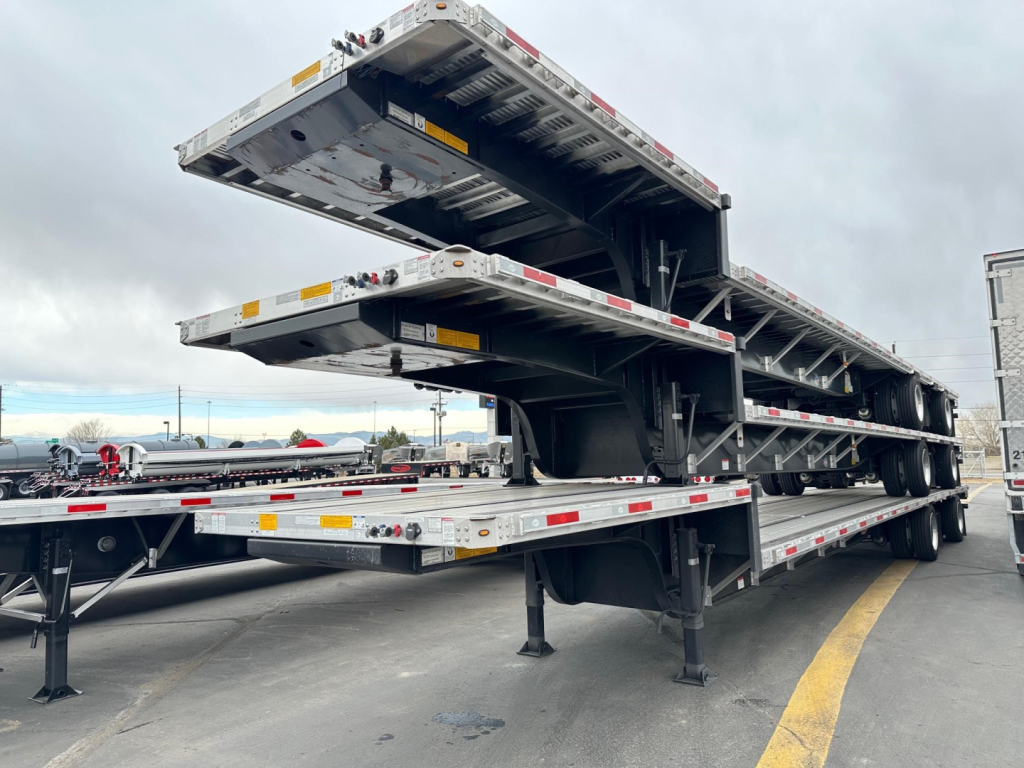
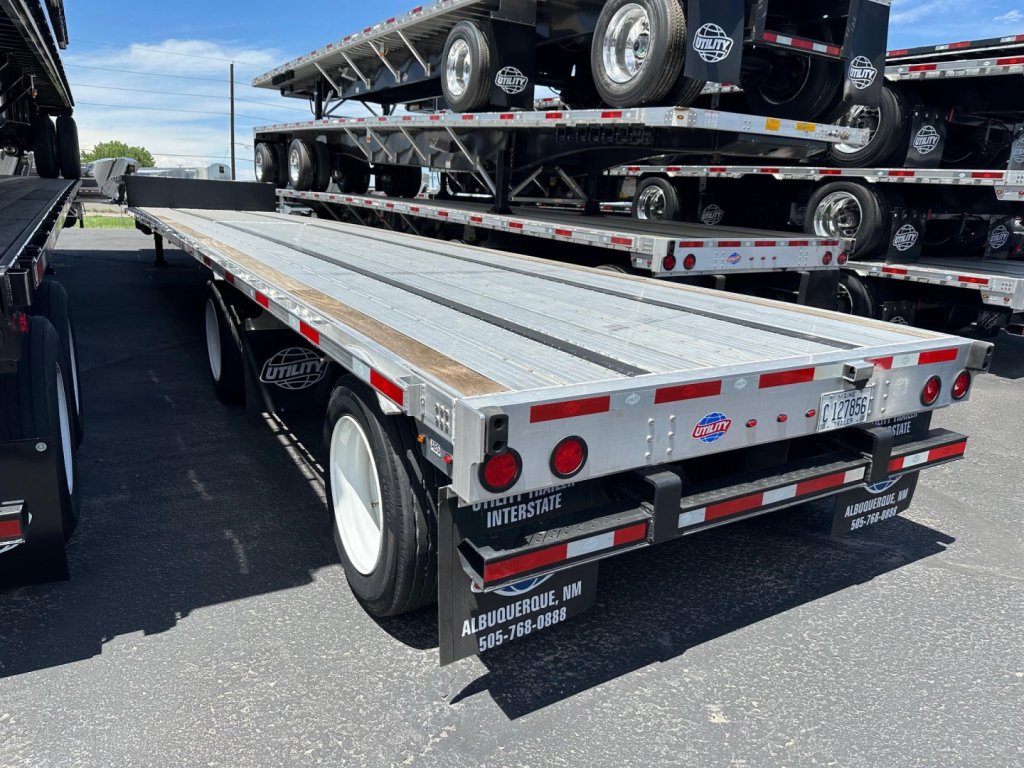
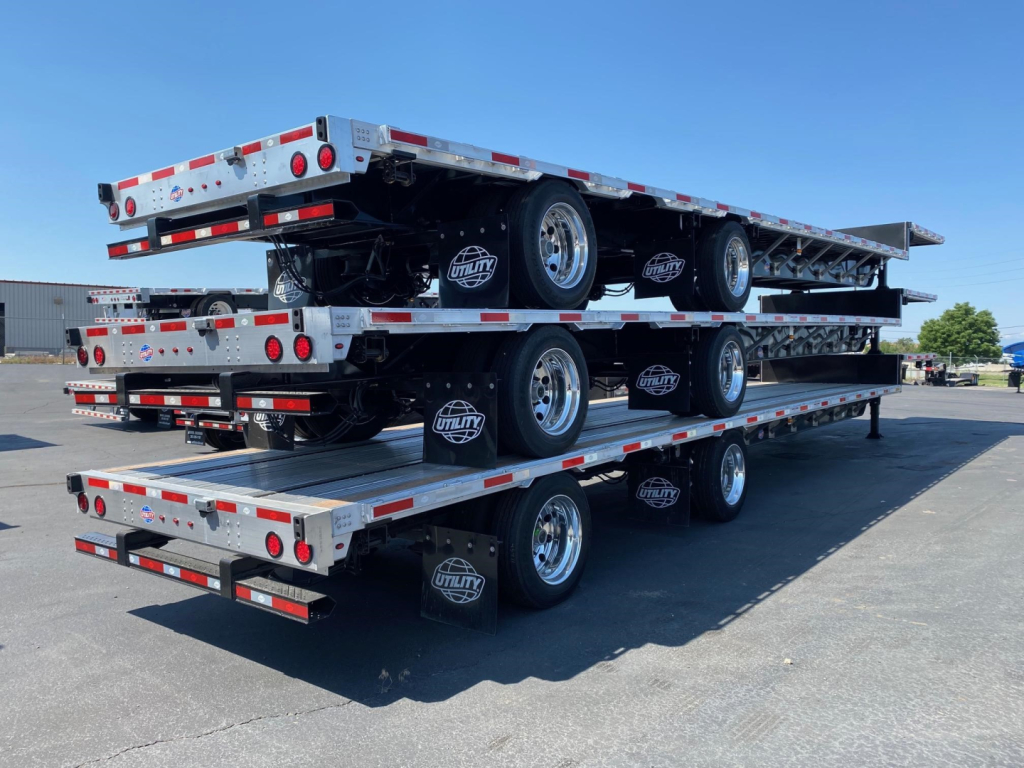
A lot of Utility drop decks in this class are 53 feet long and 102 inches wide, with California legal configurations showing up often for operators who need flexibility across western routes. Common specs include tandem or spread axle layouts, air ride suspension, rear slide axles, and air pin sliders. Those details matter because axle spread, slide travel, and suspension type directly affect bridge compliance, weight distribution, and ride quality for sensitive cargo. Tire size, wheel material, and axle placement also influence maintenance cost and resale appeal, especially for fleets running heavy lane miles in Colorado and surrounding mountain states.
Deck equipment is where a buyer should slow down and compare closely. Many Utility drop deck trailers come set up with stake pockets, pipe spools, sliding winches, nail strips, and coil packages. That combination gives the trailer broader freight versatility, from crated equipment and steel products to lumber and jobsite material. An aluminum deck with nail strips helps with load securement and deck service life, while a coil package is important if steel hauling is part of the business. Buyers should also inspect deck condition, crossmember integrity, suspension wear, and slider operation, especially on used units that may have seen concentrated loading or frequent repositioning.
For Colorado operations, a Utility drop deck often makes sense because it can handle mixed freight demand while keeping weight in check on longer hauls and variable terrain. Air ride is especially desirable when the load includes machinery, finished products, or freight that does not tolerate a harsh ride. If the goal is a versatile step deck that can cover legal-height tall freight, handle securement demands, and maintain strong long-term value, Utility trailers are a proven category to compare closely on frame design, axle configuration, deck package, and overall tare weight.
Frequently Asked Questions about Utility Drop Deck Trailers in Colorado
What is the main advantage of a Utility drop deck trailer compared with a standard flatbed?
A Utility drop deck trailer gives you lower deck height on the main deck, which allows taller freight to move legally without requiring overheight permits in many situations. That makes it a practical choice for equipment, palletized freight, building materials, and industrial loads that would sit too high on a standard flatbed. The lower deck also expands load options while keeping the trailer useful for general open-deck work.
What does combo construction mean on a Utility drop deck trailer?
Combo construction usually means the trailer uses steel main beams with aluminum crossmembers and aluminum side rails or deck components. Buyers like this design because it keeps the core structure strong in high-stress areas while reducing overall trailer weight. Lower tare weight can improve payload capacity, and aluminum components can also help with corrosion resistance over the life of the trailer.
Why do buyers look for air ride and sliding axles on a step deck trailer?
Air ride suspension helps protect sensitive freight and generally delivers a smoother ride than mechanical suspension, which matters for machinery, finished products, and higher-value cargo. Sliding axles or rear slide configurations help with weight distribution, bridge law compliance, and adapting to different load lengths and loading patterns. These features can make the trailer more versatile across multiple freight types and operating regions.
Is a coil package important on a Utility drop deck trailer?
A coil package is important if you expect to haul steel coils or want broader freight compatibility in steel and industrial markets. It typically includes the securement and deck provisions needed to position and restrain a coil safely. Even if coil hauling is not your primary business, a trailer equipped with a coil package can appeal to more buyers later and may support better resale value.
What should I inspect first on a used Utility drop deck trailer?
Start with the frame, main beams, crossmembers, and deck surface because these areas reveal how the trailer was loaded and maintained. Then check the suspension, axle alignment, slider operation, tires, brakes, and wheel ends. On a trailer with winches, stake pockets, pipe spools, and nail strips, make sure the securement hardware is intact and not excessively worn, since those details affect both safety and day-to-day usability.