
Used Trailers For Sale in North Carolina
Browse used trailers for sale in North Carolina, including dry vans, reefers, and flatbeds with specs that fit regional freight demands.
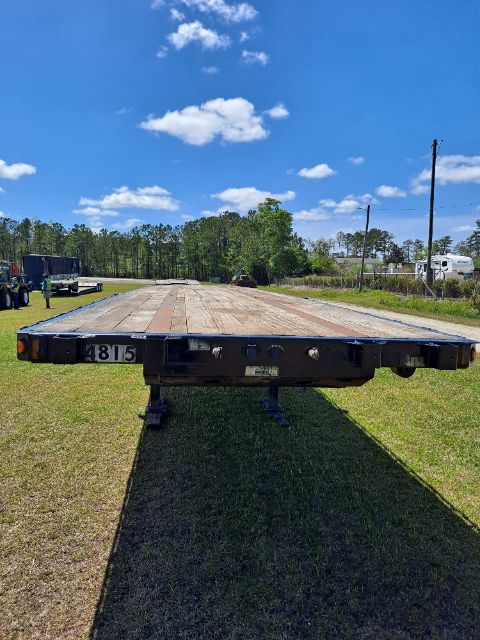
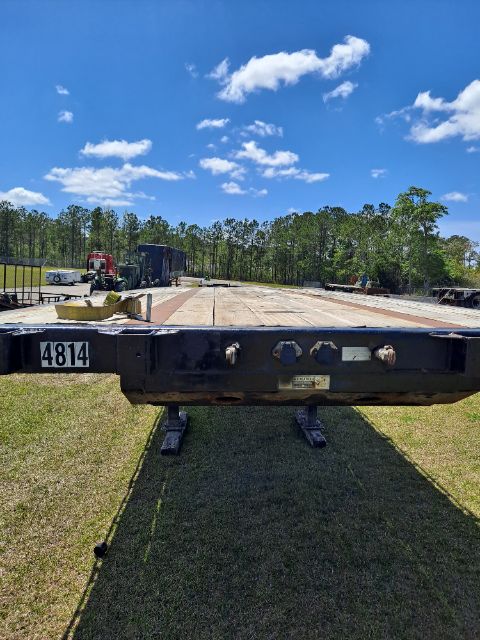
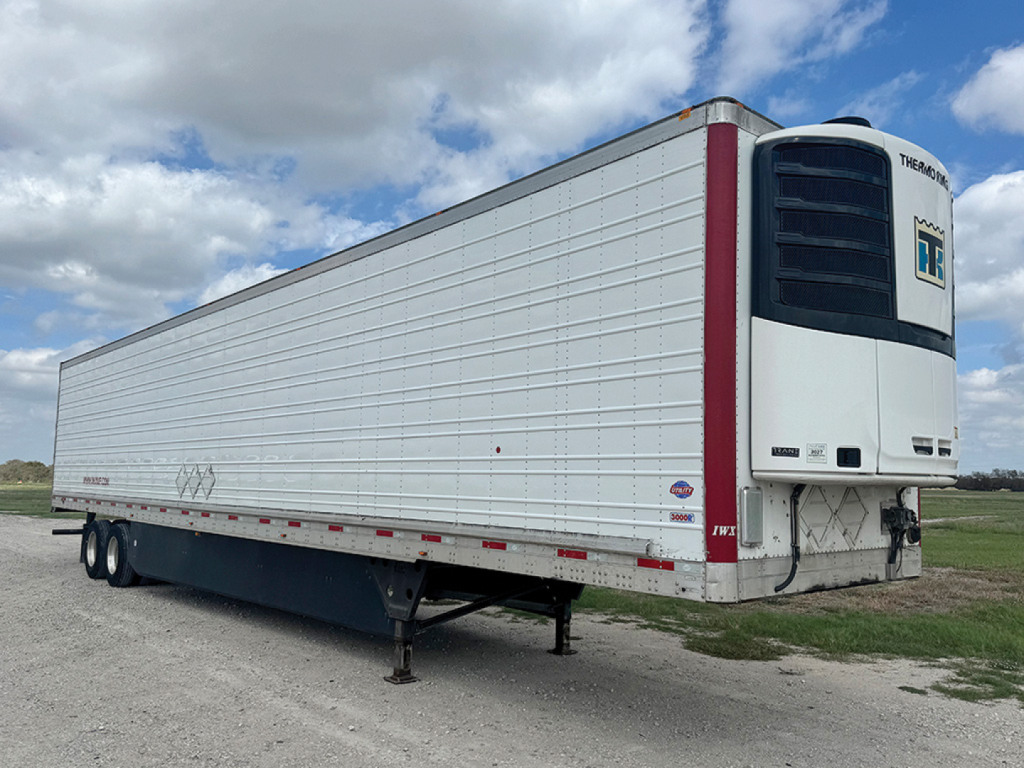
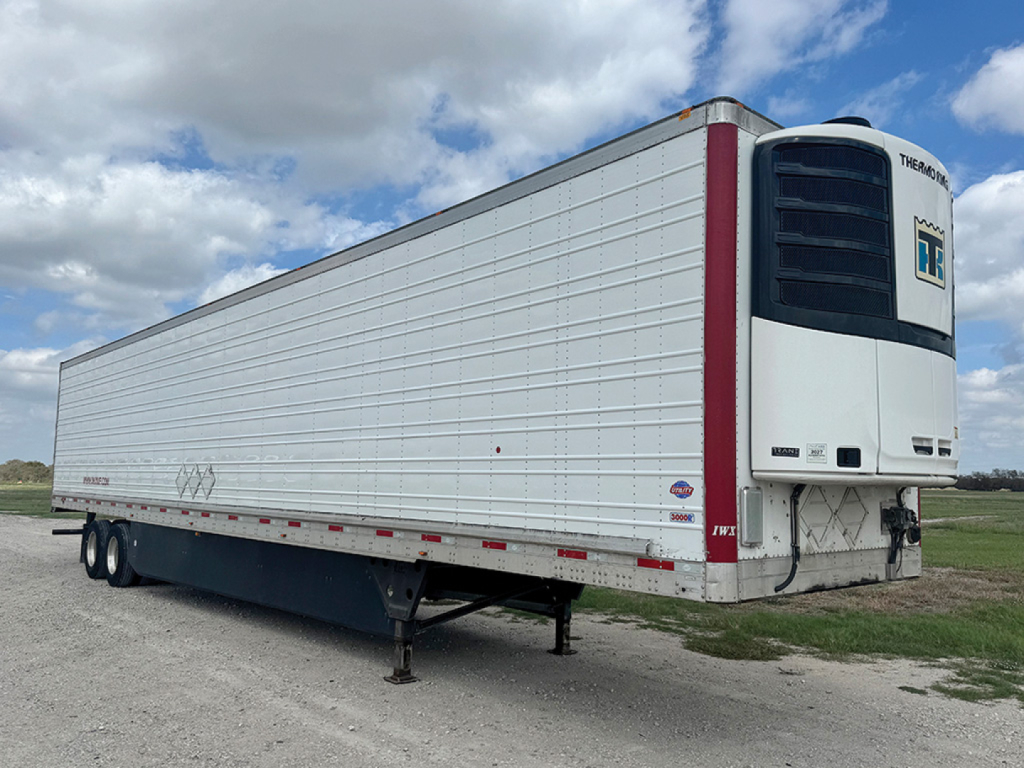
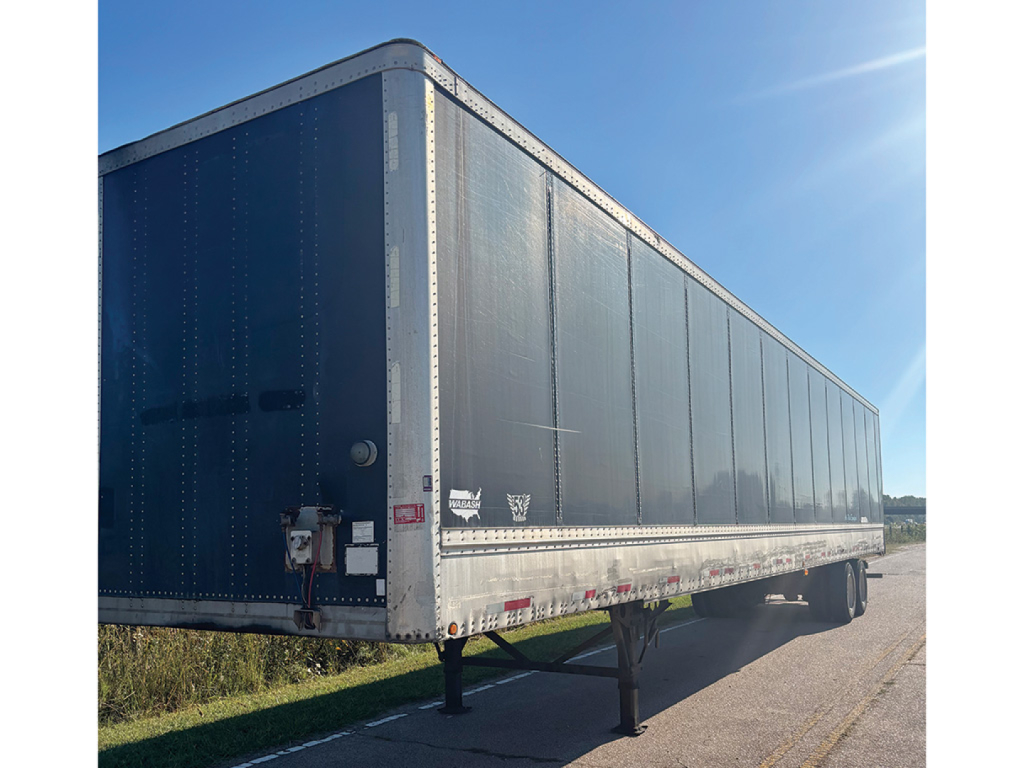
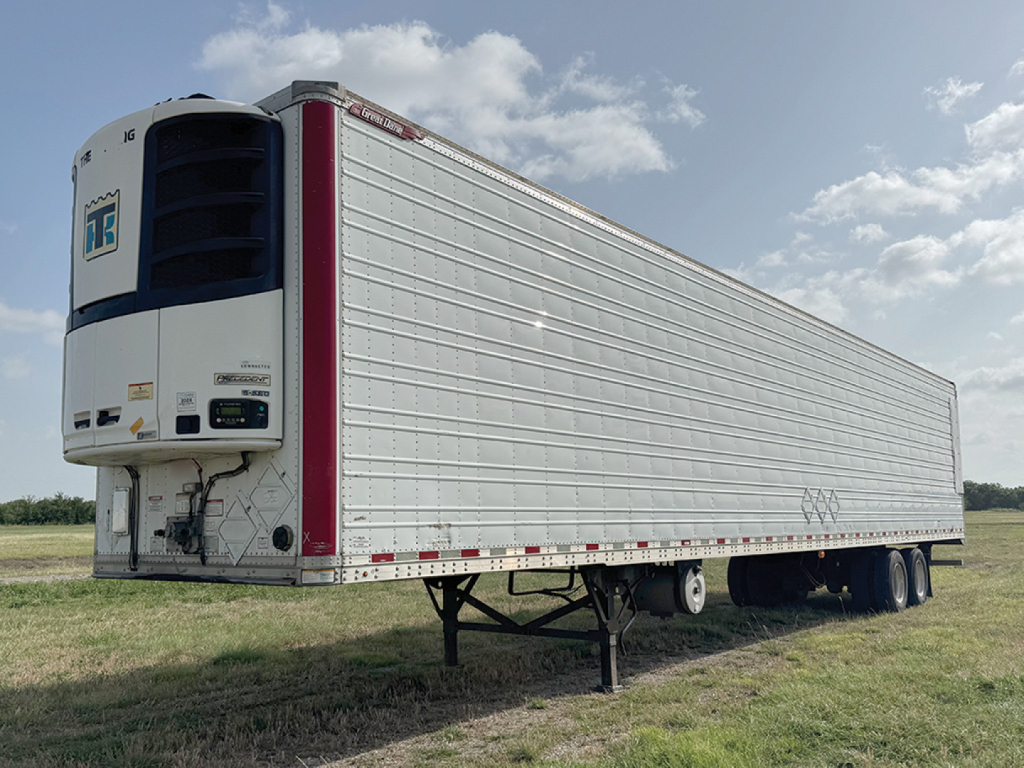
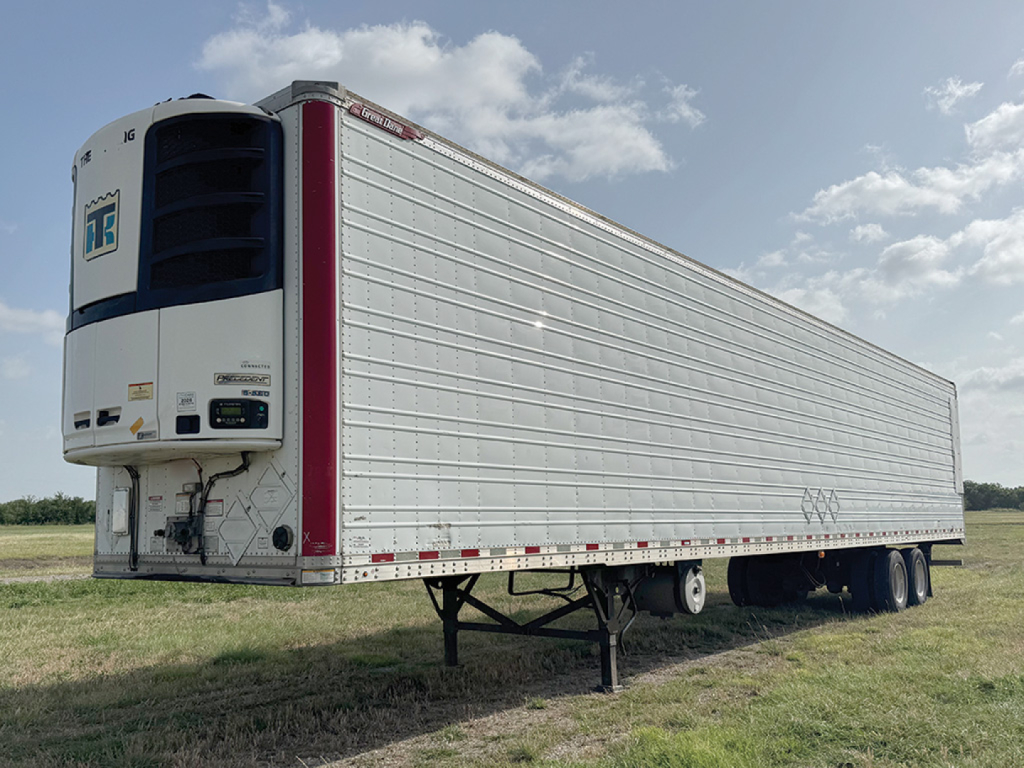
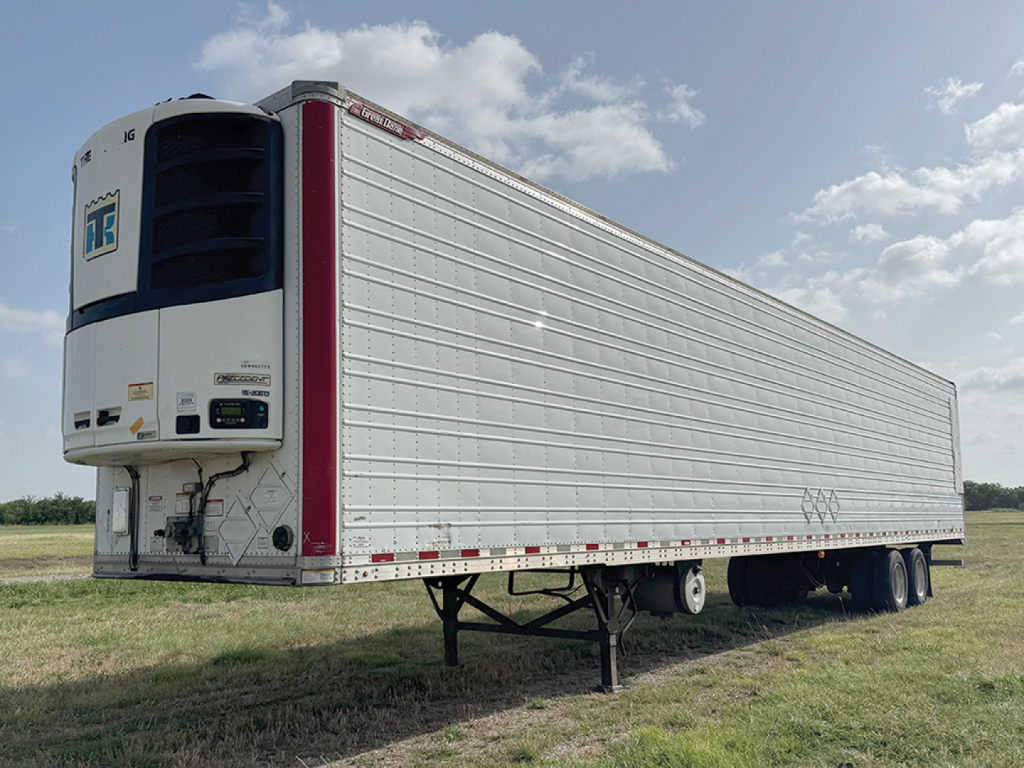
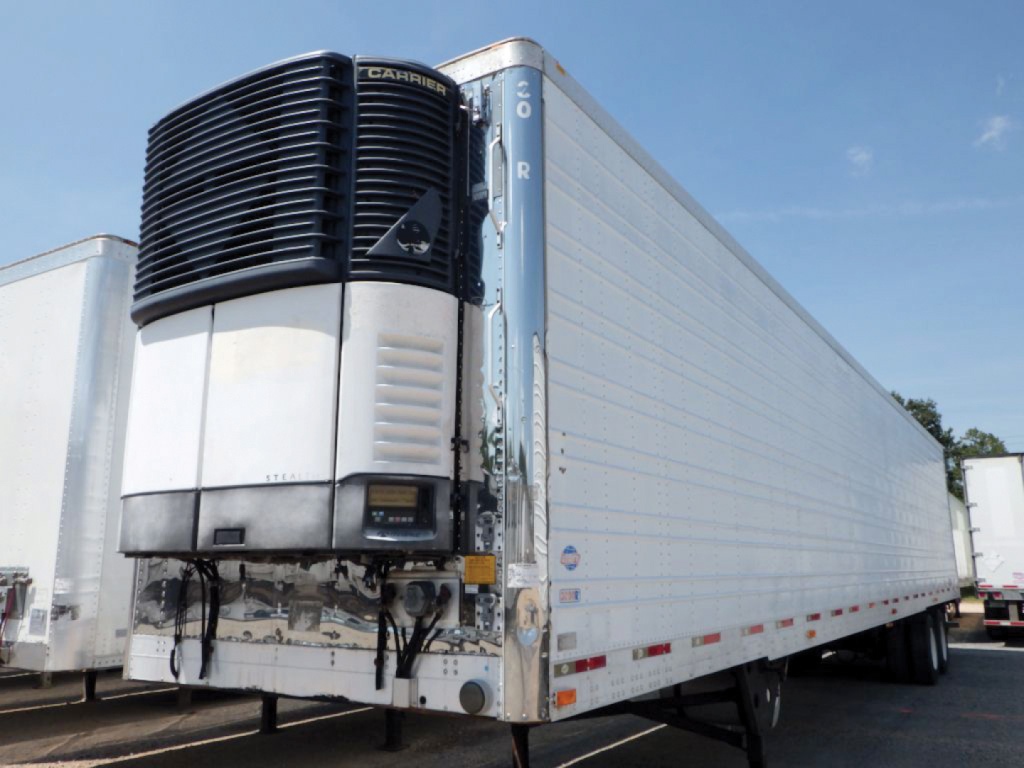
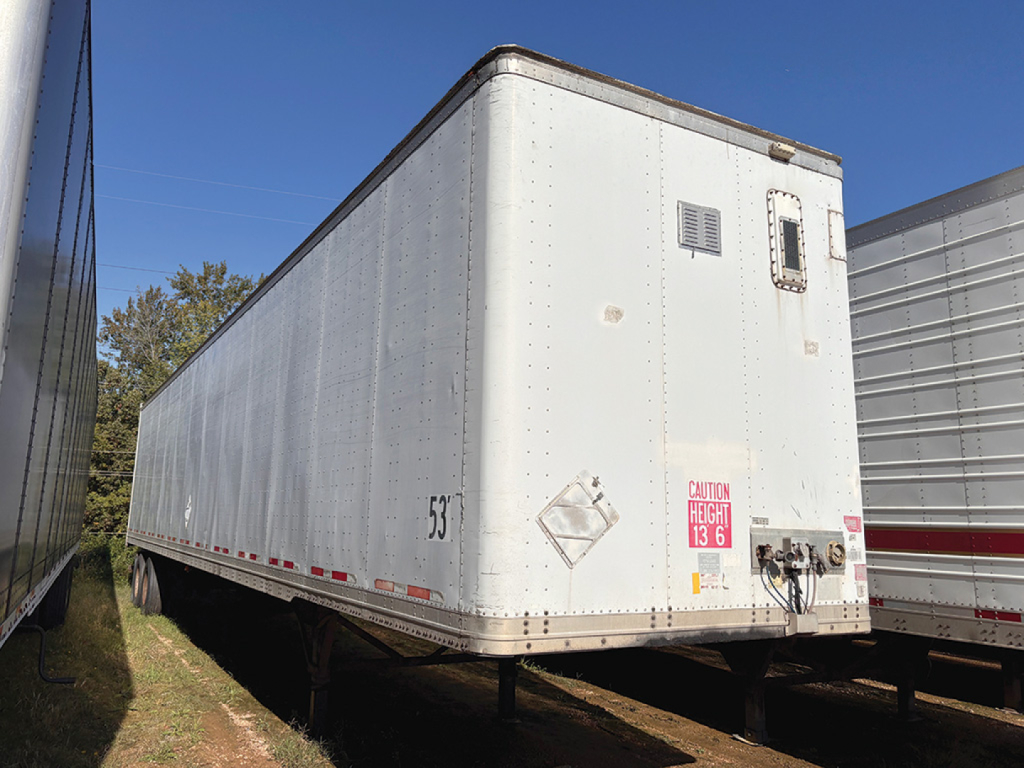
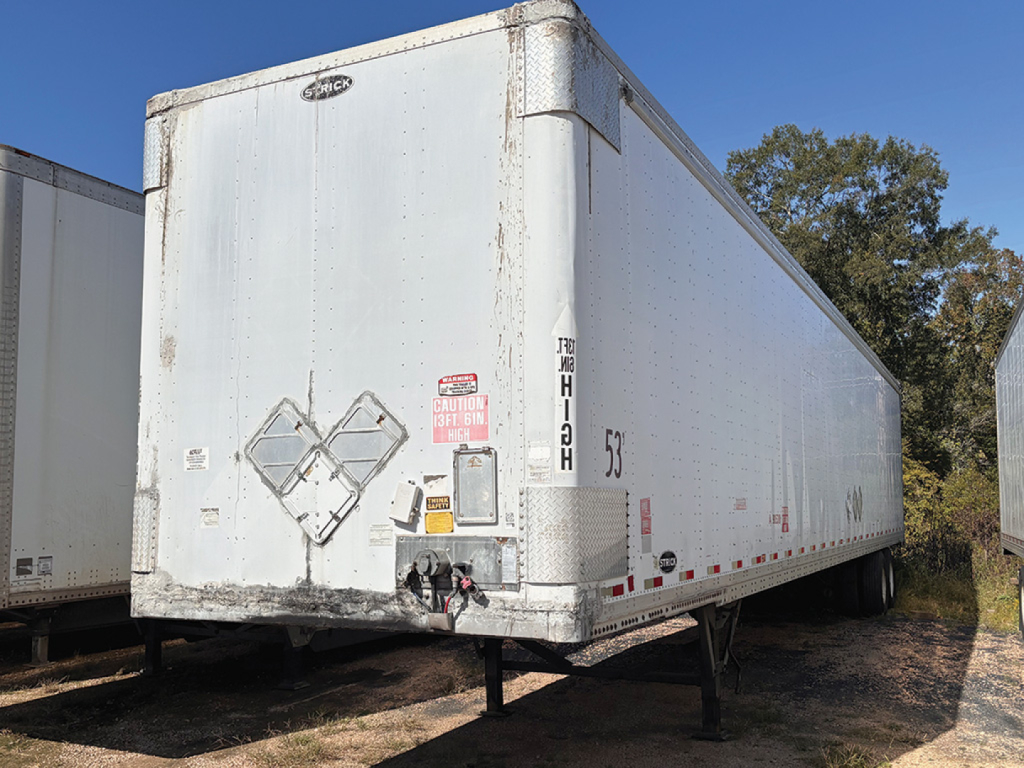
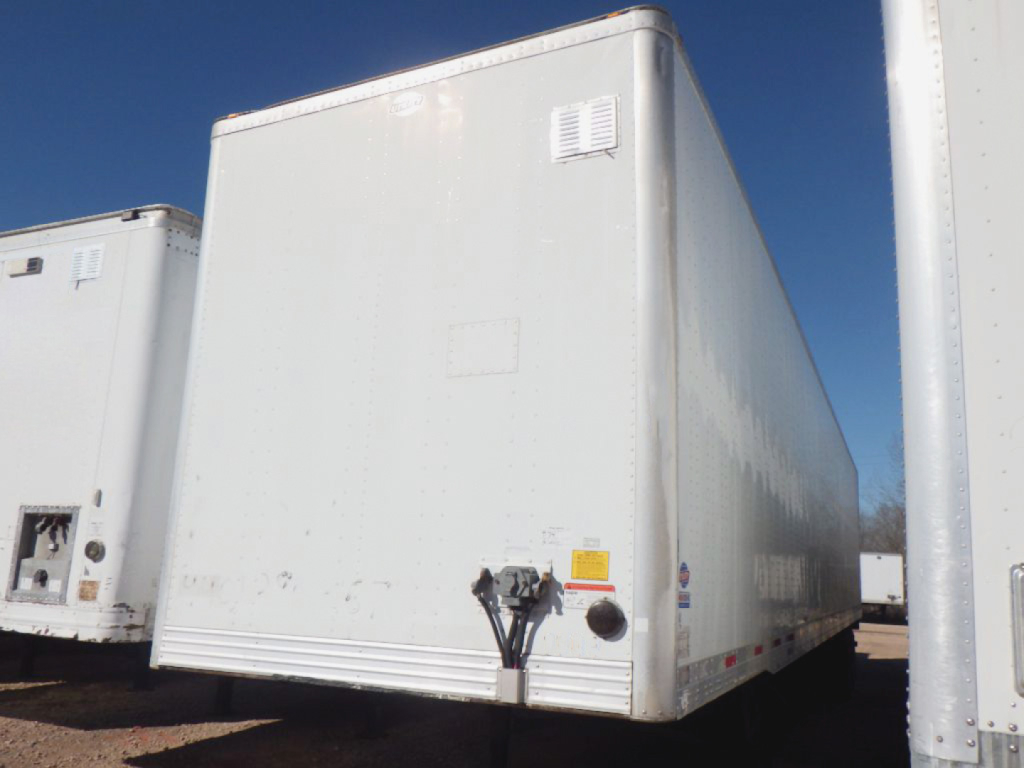
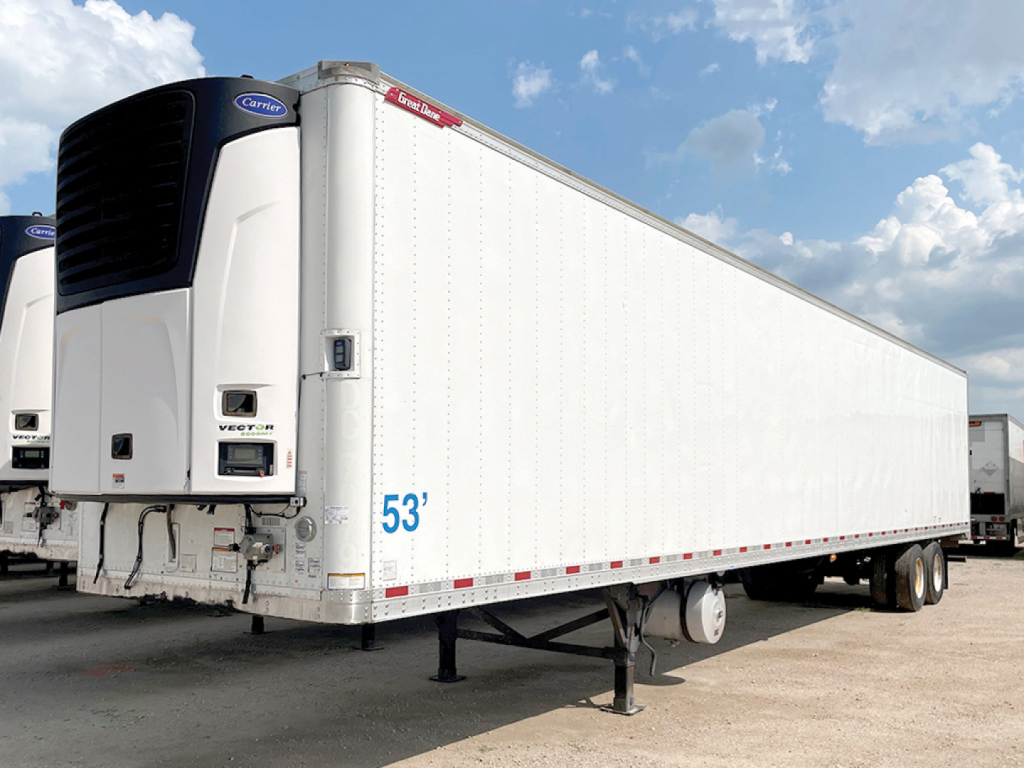
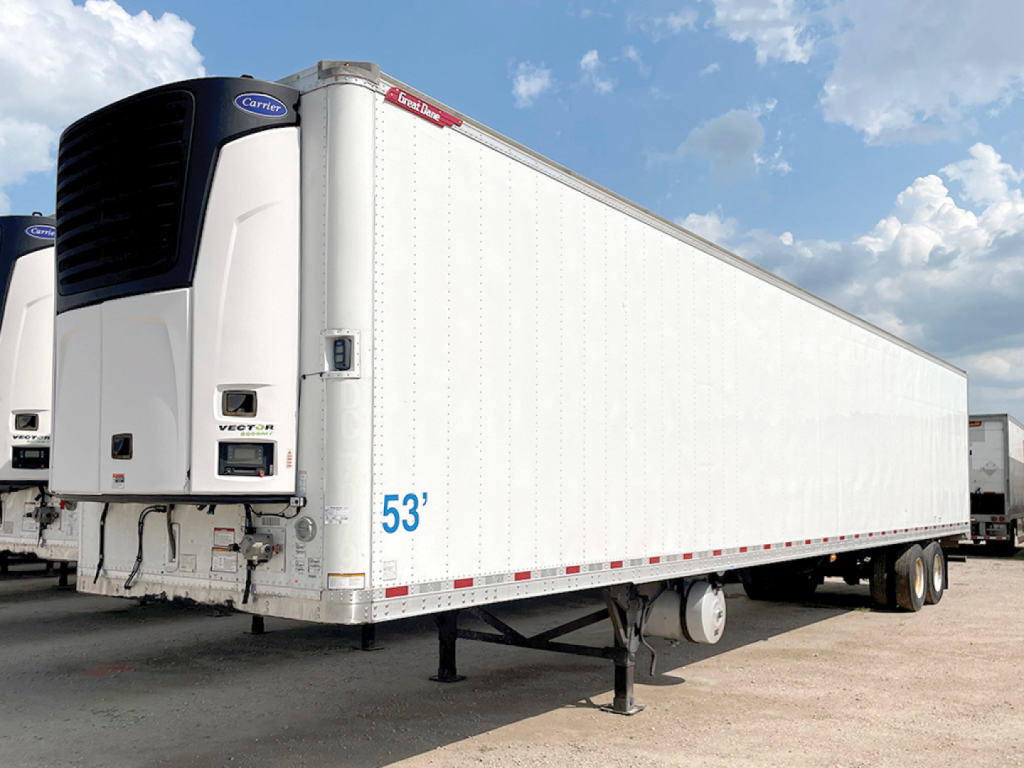
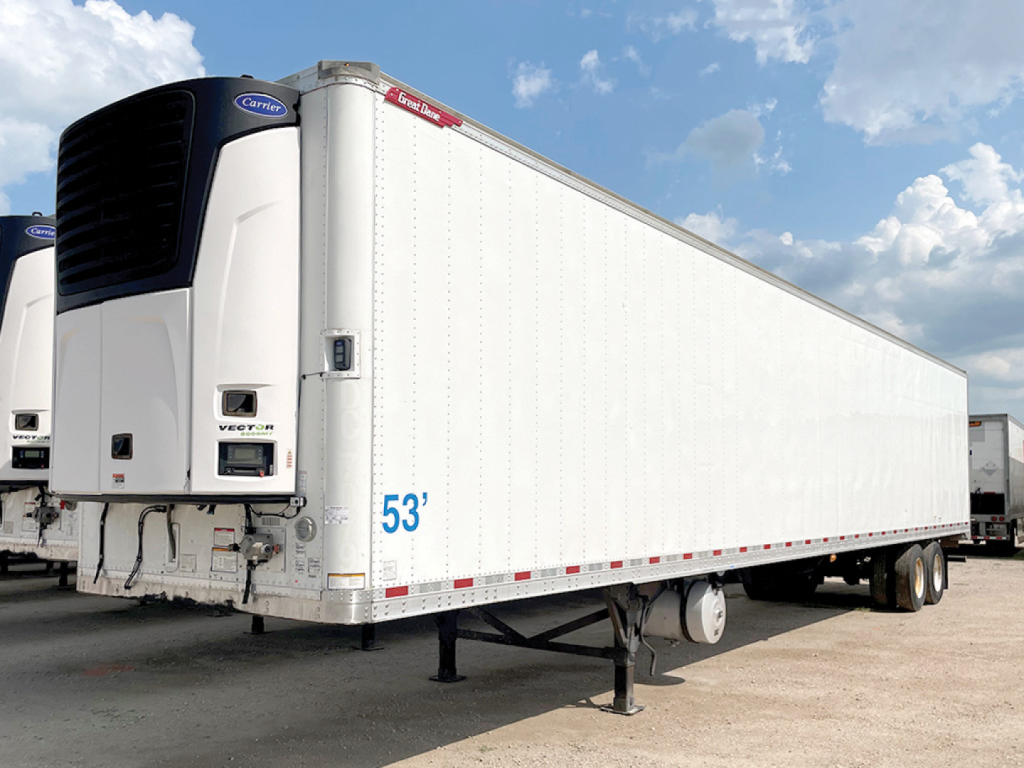
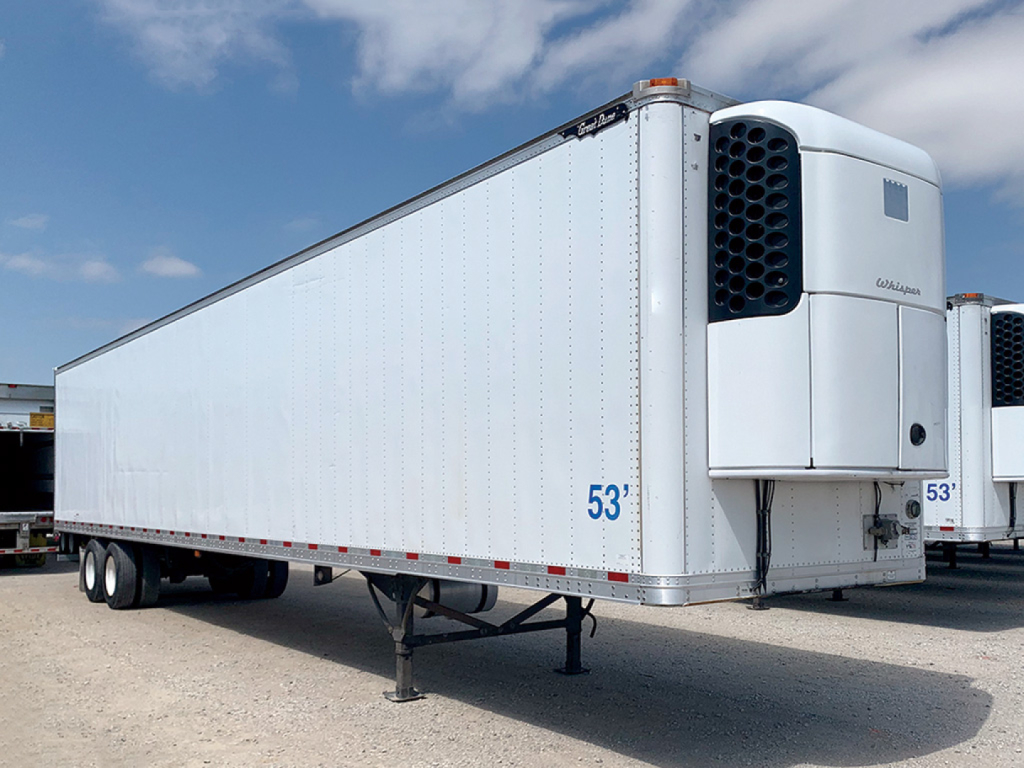
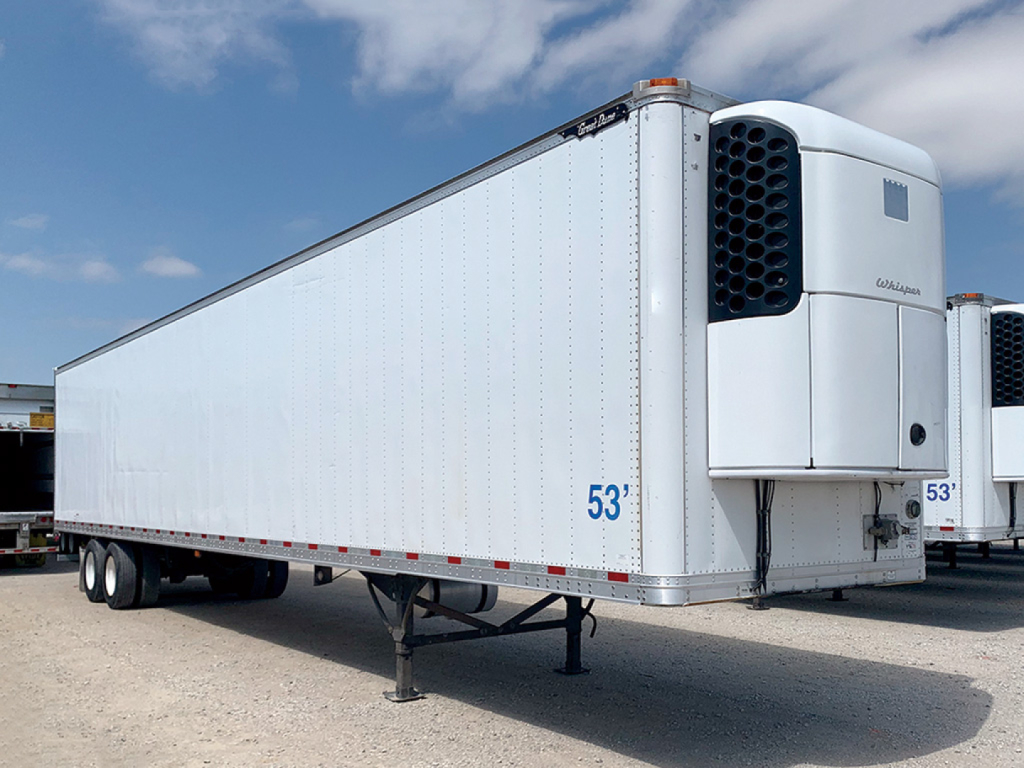
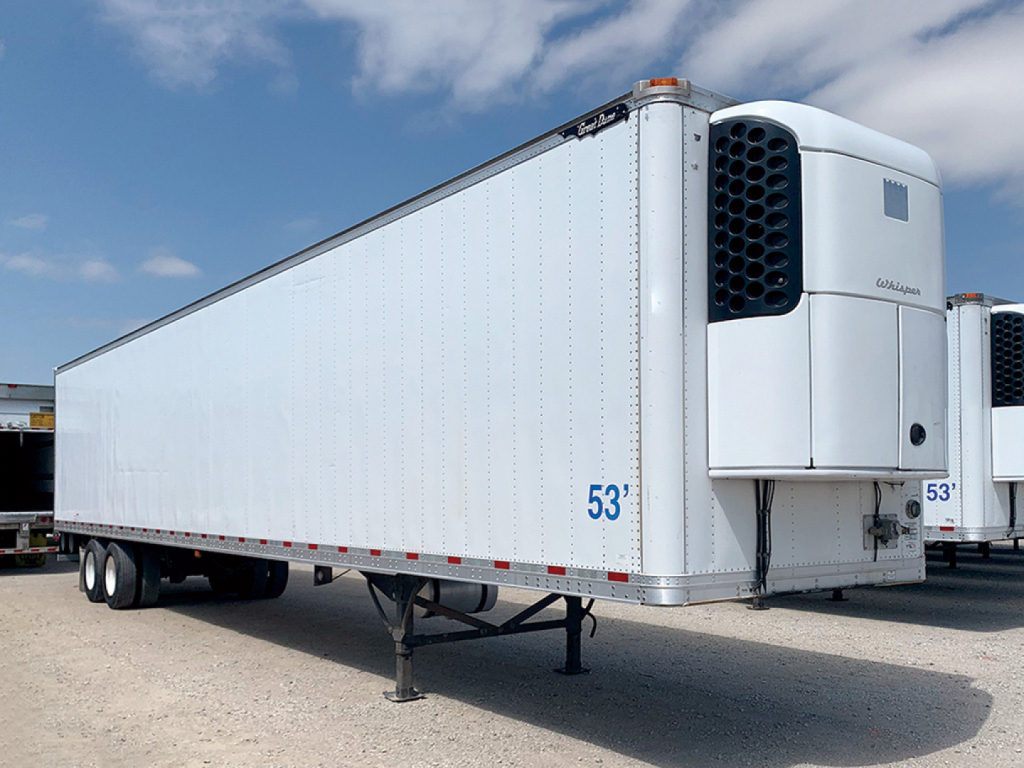
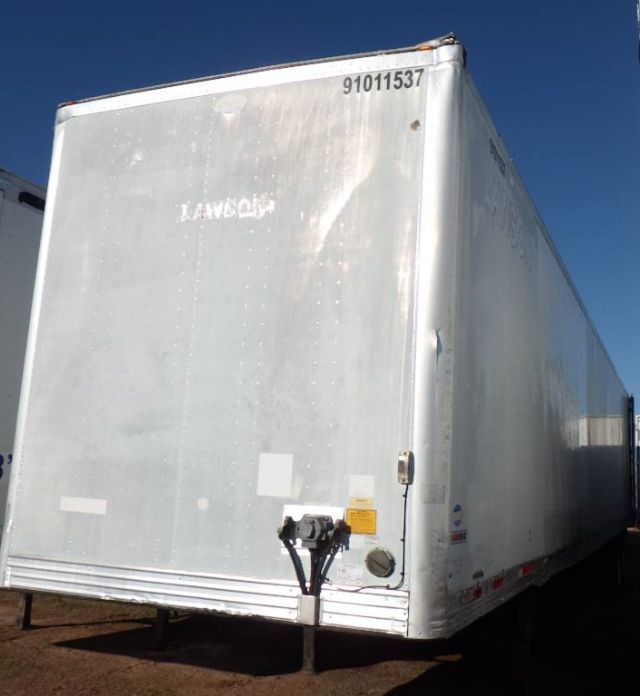
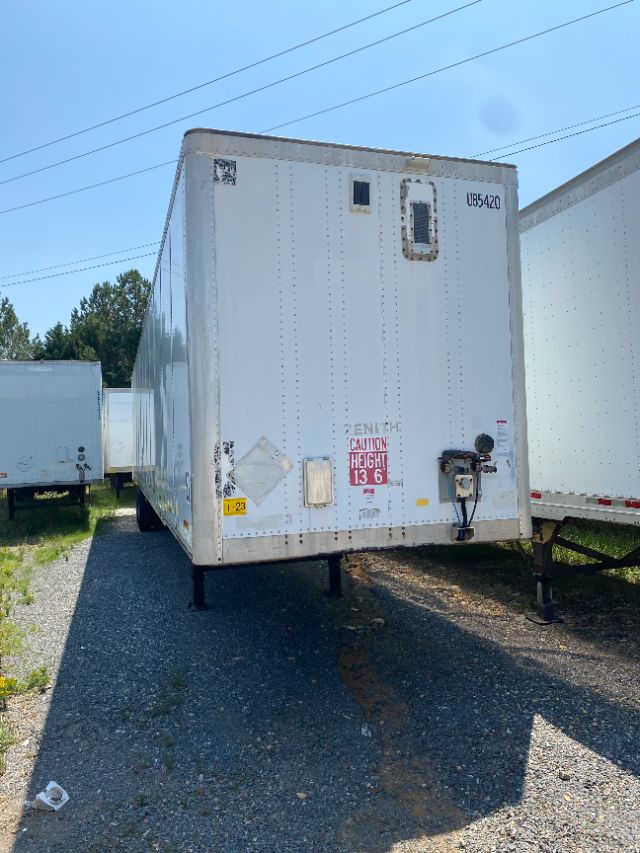
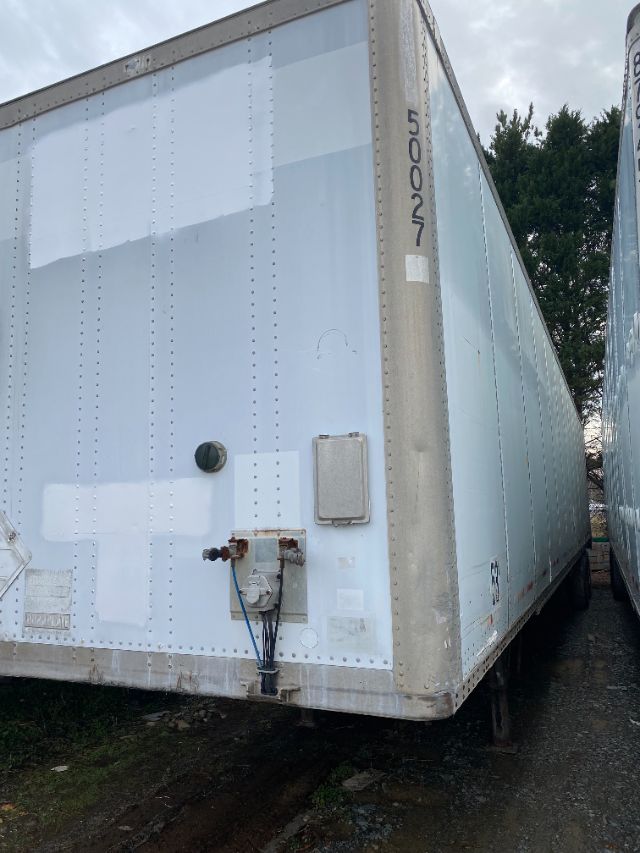
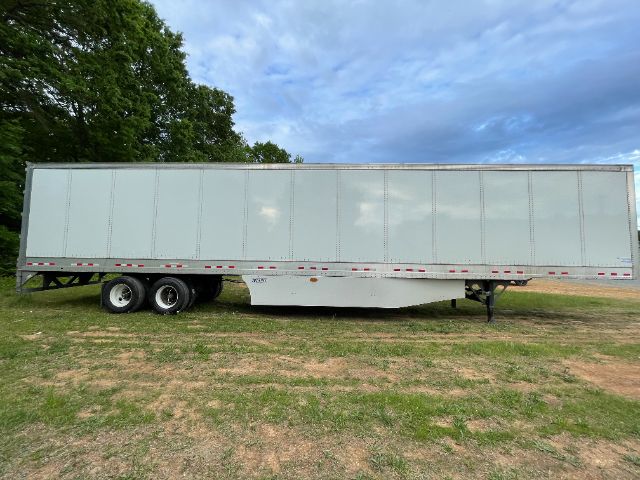

2013 Great Dane Aluminum Reefer
2013 Great Dane Aluminum Reefer
2013 Great Dane Aluminum Reefer
Showing 1 to 28 of 79 results
Selling a used trailer? List your used trailer for sale and reach thousands of commercial buyers.
Used Trailers in North Carolina
For dry van buyers, condition of the body and floor matters as much as brand. Many used van trailers in this class are aluminum or composite-sided units with wood or hardwood floors, scuff liners, threshold plates, logistics posts, and swing rear doors. Check for sidewall repairs, roof leaks, rear frame damage, door seal wear, and crossmember condition. Sliding tandems and air ride suspension are common on 53-foot vans because they help with bridge law compliance, dock approach, and freight protection. In North Carolina, where freight moves through Charlotte, the Triad, the I-40 corridor, and the ports, a standard 13-foot 6-inch van with air ride and logistics track is usually the most versatile setup.
Used reefer trailers require a closer mechanical review because the trailer body and the refrigeration unit both affect value. Common specs include aluminum duct floors, scuff plates, stainless steel front radius panels, insulated walls, vents, and either swing or roll-up rear doors. Buyers should verify reefer unit hours, maintenance history, fuel system condition, evaporator performance, and return air integrity. A trailer used in food-grade service may also include features like a cold chute, ducted floor design, and cleaner interior lining, which can matter for produce, frozen freight, dairy, and other temperature-sensitive loads. Tire inflation systems, disc wheels, and air ride suspension are also worth noting because they affect uptime, tire life, and ride quality.
Flatbeds are simpler in design but still demand a careful inspection. A used flatbed trailer should be evaluated for deck condition, frame straightness, main beam integrity, suspension wear, and securement readiness. Wood floors are common and practical, but buyers should look for rot, broken boards, and signs of concentrated load damage. Trailer length, axle spacing, coil package setup, and rub rail condition all matter depending on the freight. For North Carolina operations hauling steel, lumber, equipment, or agricultural products, the right used trailer is the one that matches your lanes, loading environment, and cargo securement requirements without creating avoidable maintenance cost.
Frequently Asked Questions about Used Trailers in North Carolina
What types of used trailers are most common in North Carolina?
The most common used trailers in North Carolina are dry van trailers, reefer trailers, and flatbed trailers. Dry vans are widely used for general freight and distribution. Reefers are common in food, beverage, and temperature-controlled freight. Flatbeds are regularly used for construction materials, machinery, lumber, and agricultural loads. The best choice depends on the cargo, loading method, and the lanes the trailer will run.
What should I inspect first on a used dry van trailer?
Start with the floor, sidewalls, roof, rear frame, and suspension. Floor wear and crossmember condition are major value indicators because they affect load capability and long-term durability. Look for patched walls, water intrusion, cracked rear header areas, worn door seals, and tandem slide issues. If the trailer has logistics posts, scuff liners, or composite panels, inspect those closely for impact damage and previous repairs.
How do I evaluate a used reefer trailer beyond the refrigeration unit?
The insulated body is just as important as the reefer unit itself. Inspect the interior liner, duct floor, door seals, front wall, and roof for damage that can affect temperature retention. Review reefer unit hours, service records, fuel tank condition, and operating performance under load if possible. Poor insulation or air leaks can reduce cooling efficiency even if the unit starts and runs properly.
Are 53-foot trailers the standard size for used trailer listings?
Yes, 53-foot trailers are the standard for many over-the-road dry van and reefer applications because they maximize cubic capacity and fit most modern freight networks. A 102-inch width and 13-foot 6-inch overall height are also typical. Flatbeds are often found in 48-foot lengths, though other lengths are available depending on the application. Buyers should confirm legal length, axle spread, and tandem settings for the states and customers they serve.
Is air ride suspension worth prioritizing on a used trailer?
Air ride suspension is a strong feature to prioritize for many operations because it improves ride quality, helps protect sensitive freight, and is widely accepted in van and reefer service. It can also improve trailer stability and reduce cargo damage claims compared with rougher suspension designs. On a used trailer, the benefit depends on condition, so inspect air bags, ride height components, bushings, and related suspension hardware before making the purchase decision.