
Used 2022 Trailers For Sale in North Carolina
Browse used 2022 trailers for sale in North Carolina, including dry vans, reefers, flatbeds, and more for regional and over-the-road hauling.
Learn more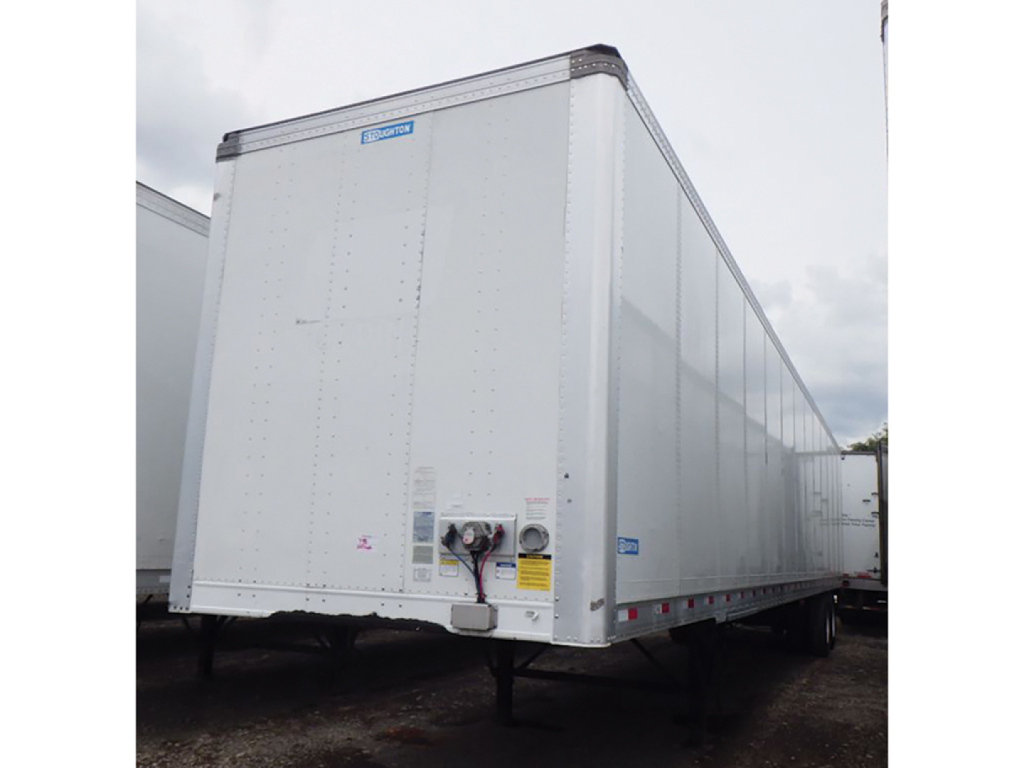
Have used 2022 trailer to sell? List it here to reach thousands of buyers.
About Used 2022 Trailers in North Carolina
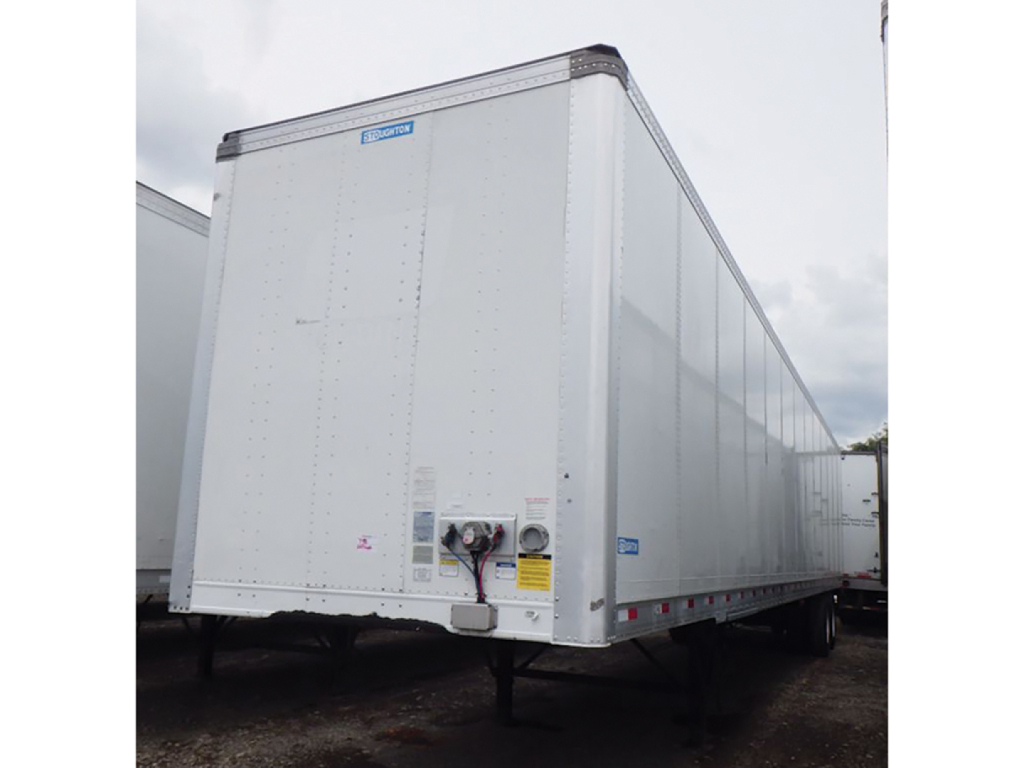
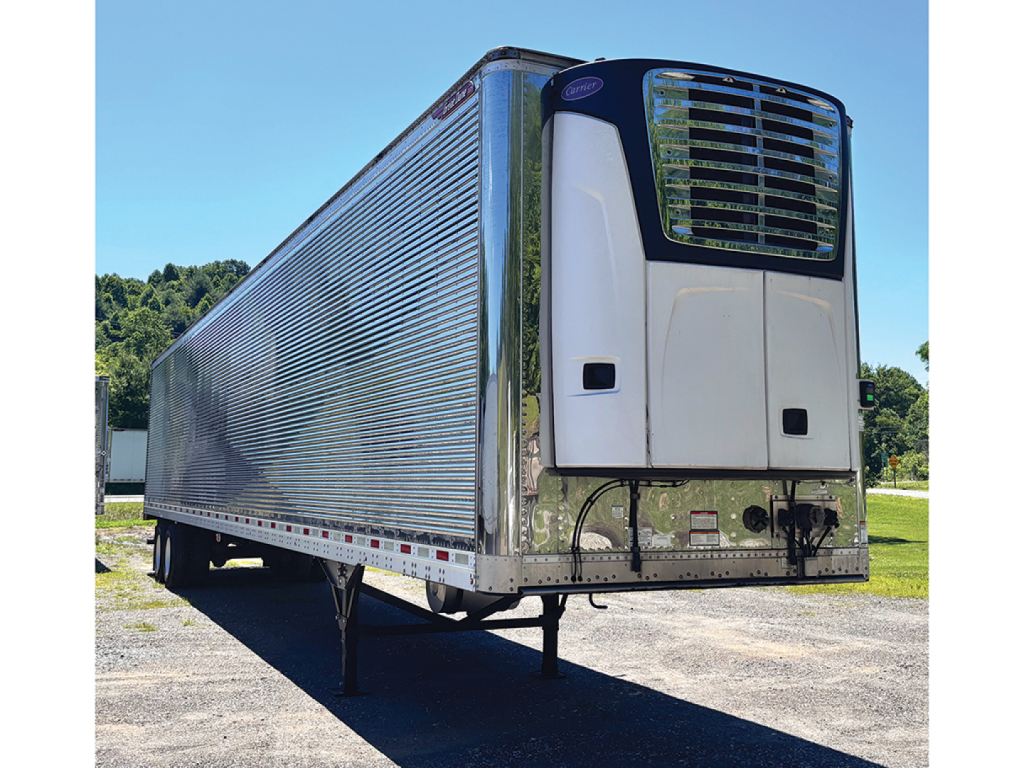
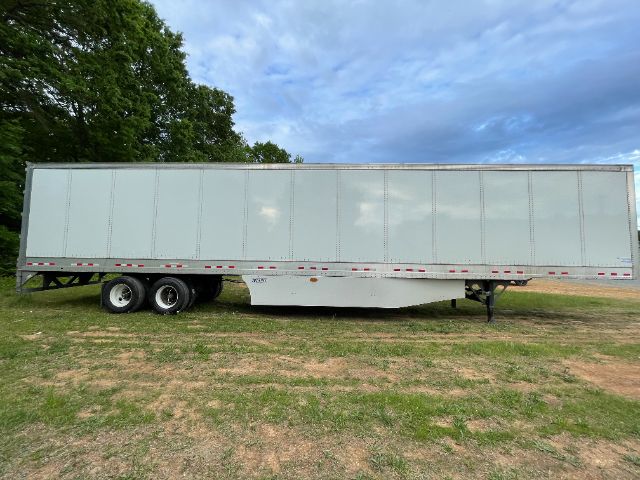
The first decision is trailer category, because a 2022 dry van, reefer, flatbed, drop deck, hopper bottom, or dump trailer will have very different value drivers. Dry vans are often judged on body integrity, roof condition, floor wear, door frame alignment, scuff liners, and logistics track setup. Refrigerated trailers add a second layer of inspection that includes reefer hours, unit service history, fuel tank condition, evaporator performance, duct floor condition, and insulation integrity. Platform trailers put more emphasis on deck condition, crossmember corrosion, winch track wear, tire condition, and how the trailer was spec'd for axle spread, suspension, and securement needs.
For many buyers, a used 2022 trailer hits the sweet spot on emissions-era compatibility, safety spec updates, and resale appeal. Most trailers from this year will still be modern enough to match current customer expectations for appearance and functionality, especially in dedicated or contract freight. Check common measurements and running gear carefully: 53-foot length is standard in vans and reefers, 102-inch width is typical, and 13-foot 6-inch overall height is common, but suspension type, wheel material, brake configuration, and kingpin setting can affect day-to-day performance. In North Carolina, sliding tandem flexibility, good tire life, and clean undercarriage condition are especially important for mixed regional and highway service.
Condition still matters more than age alone. A used 2022 trailer that spent its life in clean highway freight can be a better buy than a newer unit with heavy dock damage, rough floors, or neglected maintenance. Buyers should look for evidence of regular PM intervals, tire matching, brake wear consistency, door seal condition, light and wiring repairs, and signs of frame or sidewall repairs. If the trailer will be added to a fleet, it also helps to verify telematics compatibility, registration history, VIN plate readability, and any remaining component warranty support from the OEM or reefer manufacturer.
Frequently Asked Questions
What should I inspect first on a used 2022 trailer?
Start with structural condition and running gear. Check the frame, crossmembers, suspension, brakes, tires, wheels, doors, roof, and floor before focusing on cosmetic items. On a van or reefer, look closely at the front wall, sidewall scuffs, threshold plate, rear frame, and signs of dock impact. On platform trailers, inspect the deck, securement system, and axle alignment. A 2022 model is still relatively late-model, so abnormal wear can reveal how hard the trailer was used or how well it was maintained.
Is a used 2022 trailer a good value compared with a newer trailer?
In many cases, yes. A used 2022 trailer often delivers modern specs and strong resale appeal at a lower acquisition cost than a new unit. Buyers may still find current features such as air ride, sliding tandems, aerodynamic skirts, logistics posts, and upgraded wheel or brake packages. The key is to compare total cost, including any tire replacement, brake work, reefer service, body repairs, or floor repairs needed after purchase.
What trailer types are most common in the 2022 used market?
Dry vans and refrigerated trailers are typically the most common, followed by flatbeds, step decks, dump trailers, and specialty trailer configurations. In North Carolina, dry vans and reefers are especially common because of consumer goods, grocery, manufacturing, and distribution freight. The right choice depends on freight lane, dock access, payload demands, and whether temperature control or open-deck loading is required.
What matters most on a used 2022 reefer trailer?
Reefer unit condition is critical. Buyers should review engine hours, maintenance records, start-up behavior, cooling performance, alarm history, fuel system condition, and the condition of the floor and insulation package. Also inspect swing doors, door seals, front wall integrity, and any air leaks that affect temperature control. A clean 2022 reefer with documented unit service can hold value well and fit demanding food-grade work.
Are late-model used trailers in North Carolina well suited for regional hauling?
Yes, especially if the trailer has the right tandem setup, suspension, and tire condition for mixed interstate and local work. North Carolina fleets often need trailers that can handle distribution center loading, urban dock deliveries, and steady highway miles. A used 2022 trailer can fit that role well if the undercarriage is clean, brakes and tires are matched, and the body or deck is in sound working condition.