
Used 2022 Van Trailers For Sale in North Carolina
Browse used 2022 van trailers for sale in North Carolina, including 53-foot dry vans with air ride, sliding tandems, logistics posts, and more.
Learn more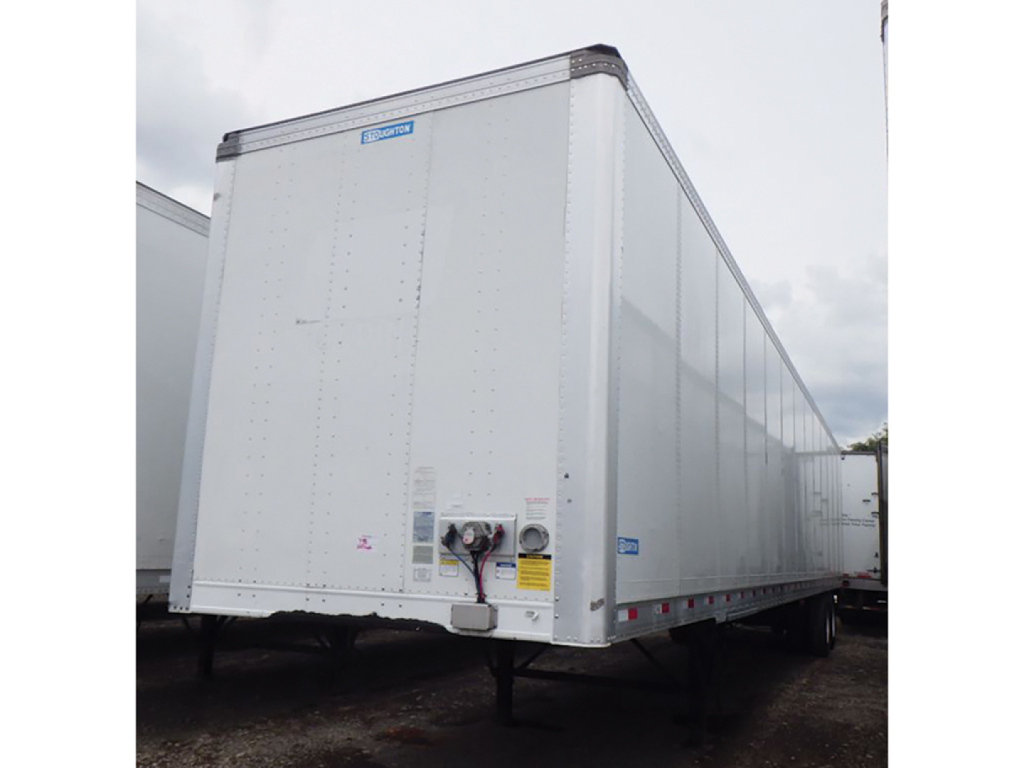
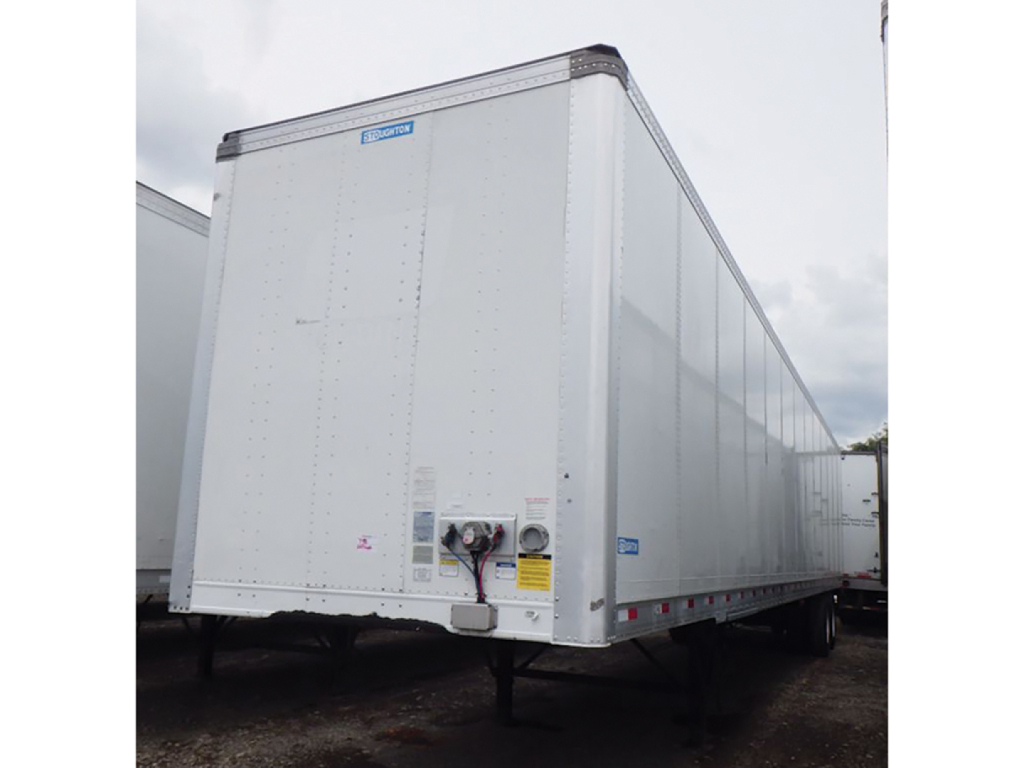
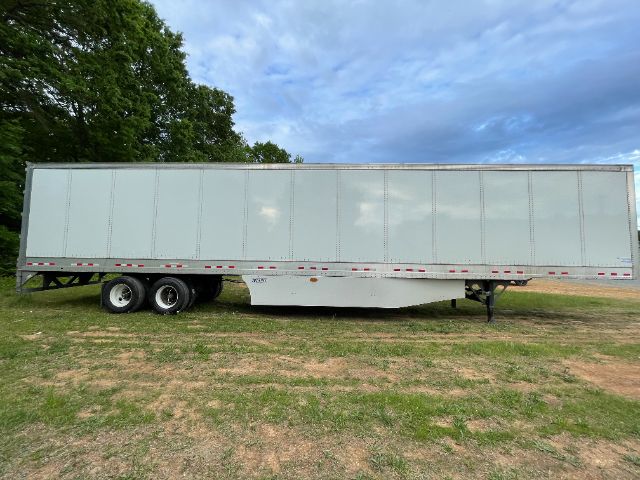
Have used 2022 van trailer to sell? List it here to reach thousands of buyers.
About Used 2022 Van Trailers in North Carolina
A 2022 model year often hits a practical middle ground between late-model features and lower acquisition cost than new equipment. Many trailers from this vintage are equipped for modern fleet use with logistics posts or logistics track, scuff liners, threshold plates, low-profile 22.5 tires, and air ride suspension. Buyers comparing used 2022 van trailers should pay close attention to body construction and liner type, including plate, aluminum, composite, or plywood-lined configurations. These details affect sidewall durability, repair cost, tare weight, and how well the trailer holds up under repeated loading from grocery, retail, package, or dedicated contract freight.
The spec choices matter most when they match the freight. Air ride is usually preferred for higher-value or damage-sensitive loads, while tire inflation systems and disc brakes can reduce maintenance interruptions and improve uptime. Sliding tandems remain important for bridge law compliance and axle scaling flexibility, especially on multi-state routes. Door style also deserves a close look. Swing doors are still the standard for dock operations, but some fleets prefer roll-up doors for specific urban or frequent-stop applications. Inside height, kingpin setting, floor condition, roof condition, and crossmember integrity should all be checked carefully, along with signs of rail damage, prior sidewall repairs, moisture intrusion, and unusual tire wear.
For a buyer focused on North Carolina operations, corrosion exposure, service history, and prior fleet application can tell you as much as the build sheet. A used 2022 dry van that spent its life on clean highway freight may present very differently from one used in heavy warehouse shuttle work or high-cycle food distribution. Look for even suspension wear, consistent brake condition, sound door seals, and a floor that has not been compromised by concentrated forklift traffic. When the trailer is properly spec'd, a 2022 van trailer can still offer years of productive service in regional distribution, dedicated contract carriage, and over-the-road dry freight.
Frequently Asked Questions
What are the most common specs on a used 2022 van trailer?
The most common configuration is a 53-foot dry van with a 102-inch outside width and 13-foot 6-inch overall height. Many used 2022 units include air ride suspension, sliding tandems, swing doors, wood floors, logistics posts or logistics track, scuff liners, and 22.5 low-profile tires. Buyers should also check inside height, kingpin setting, door opening dimensions, brake type, and whether the trailer has fleet features such as side skirts or a tire inflation system.
Is air ride suspension worth it on a used 2022 dry van trailer?
Air ride is usually worth prioritizing if the trailer will handle retail freight, consumer goods, packaged products, or other damage-sensitive loads. It generally provides a smoother ride than spring suspension and is common on late-model fleet dry vans. It can also help with resale appeal because many carriers and shippers prefer air ride for dock-to-dock van work. The condition of the suspension components still matters, so buyers should inspect airbags, shocks, bushings, and alignment-related tire wear.
What should I inspect first on a used 2022 van trailer?
Start with the floor, roof, sidewalls, rear frame, and suspension. The floor should be checked for rot, delamination, soft spots, and heavy forklift wear. The roof and upper rails should be inspected for leaks or patching. Sidewalls and liners should be checked for punctures, waves, or prior repairs. At the rear, examine the threshold plate, door frame, hinges, and seals. Underneath, focus on crossmembers, slider function, brake condition, wheel ends, tire wear, and signs of structural damage or corrosion.
Are 2022 van trailers a good fit for North Carolina freight operations?
Yes. A used 2022 van trailer is well suited for North Carolina regional and long-haul freight because dry vans handle a broad mix of palletized and dock freight moving across the state's major distribution corridors. Common applications include retail replenishment, manufacturing freight, packaging, consumer goods, and general dry cargo. Sliding tandems help with bridge law and axle placement, while a standard 53-foot dock-height configuration works well across most warehouses and distribution centers in the region.
What is the difference between a plate van and an aluminum or composite-lined van trailer?
The main differences are sidewall construction, durability profile, and repair economics. Plate-style vans are known for durable laminated wall construction and are widely used in high-cycle fleet service. Aluminum or composite-lined trailers may offer different weight, impact resistance, and repair characteristics depending on how the trailer is built. For the buyer, the important question is not just the material name but how the trailer has worn in service, how well repairs can be handled, and whether the wall and liner setup matches the expected freight and loading conditions.