
Used 2018 Trailers For Sale in North Carolina
Browse used 2018 trailers for sale in North Carolina, including van, reefer, and platform trailers with buyer-focused spec and application insights.

Selling a used 2018 trailer? List your used 2018 trailer for sale and reach thousands of commercial buyers.
Used 2018 Trailers in North Carolina
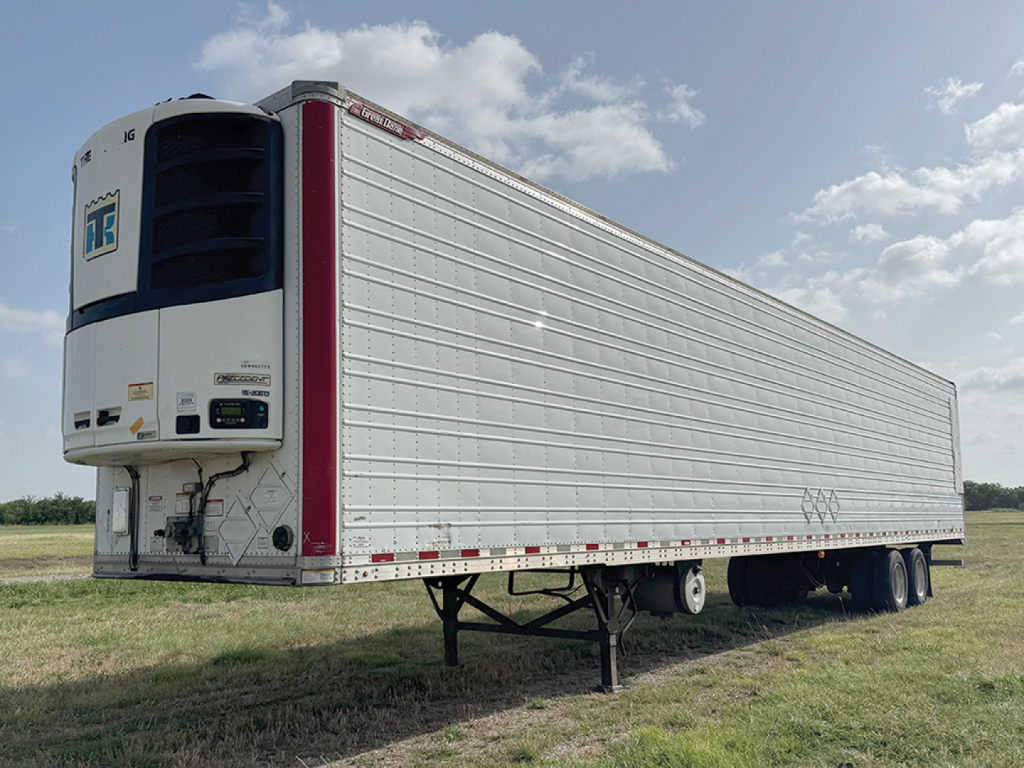
The first buying decision is usually trailer type. A 2018 dry van is built for palletized freight, retail loads, and general over-the-road use, with common specs like 53-foot length, 102-inch width, 13-foot 6-inch overall height, hardwood or laminated floors, scuff liners, threshold plates, and swing doors. A 2018 reefer trailer adds insulation, a duct or chute system, and a refrigeration unit from makers such as Carrier or Thermo King, making it the right fit for produce, frozen freight, dairy, and other temperature-controlled loads. Platform and drop deck trailers from this model year are often equipped with winch tracks, nail strips, air ride suspensions, and spread axle configurations for machinery, building materials, and taller freight that will not fit a standard van.
Condition matters more than the badge on a used trailer. Buyers should inspect the roof, sidewalls, rear frame, crossmembers, floor condition, suspension components, brakes, wheel ends, and tire condition before narrowing in on price. On 2018 reefer trailers, reefer hours, service records, evaporator condition, door seals, and floor wear are major value drivers. On dry vans, pay close attention to interior lining, logistics track condition, water intrusion, and signs of floor delamination or heavy forklift damage. On flatbeds and drop decks, look closely at deck wear, concentrated stress points, axle alignment, and the condition of sliding axle or spread axle hardware.
North Carolina buyers also need to think about lane profile and regulatory fit. Sliding tandems are useful for bridge law compliance and load placement flexibility, especially on Southeast regional routes. Aerodynamic options like side skirts can help fuel economy on higher-mile operations. Tire inflation systems reduce roadside downtime and can lower tire cost per mile on long-haul or high-utilization trailers. If the trailer will move through ports, distribution centers, or grocery networks, confirm door configuration, interior width, kingpin setting, and axle layout match the freight and loading environment. A well-maintained 2018 trailer can still deliver strong service life, but the right purchase comes down to matching trailer type, structural condition, and spec package to the freight you actually haul.
Frequently Asked Questions about Used 2018 Trailers in North Carolina
What should I check first on a used 2018 trailer?
Start with the structural condition and the trailer’s maintenance history. Check the frame, crossmembers, roof, floor, rear frame, suspension, brakes, wheel ends, tires, and signs of impact or water intrusion. For reefer trailers, review engine hours, unit service records, insulation integrity, door seals, and floor condition. A clean appearance matters less than evidence of sound structure and consistent upkeep.
Is a 2018 trailer too old for regular commercial use?
No, a 2018 trailer is still a viable working asset if it has been maintained properly. Many 2018 trailers remain in active fleet service because they offer modern dimensions, common parts availability, and current-spec features such as air ride, sliding tandems, logistics systems, and aerodynamic equipment. The real question is not age alone but how the trailer was used, serviced, and repaired over its life.
Which 2018 trailer type is best for North Carolina freight?
That depends on the freight mix. Dry vans are a strong fit for retail, consumer goods, and general palletized freight. Reefers are common for produce, grocery, protein, and temperature-sensitive regional freight. Flatbeds and drop decks are better suited to construction materials, equipment, and oversized or taller loads. In North Carolina, buyers often balance interstate lane work with regional delivery needs, so axle configuration, suspension type, and loading access are just as important as trailer category.
Are features like sliding tandems and tire inflation systems worth paying for on a 2018 trailer?
In many operations, yes. Sliding tandems improve load placement flexibility and help with bridge law compliance, dock access, and weight distribution. Tire inflation systems can reduce irregular wear, improve uptime, and cut roadside service events. These features do not replace good maintenance, but they can improve operating efficiency and lower cost per mile when the trailer is used consistently.
What is the biggest difference between a 2018 dry van and a 2018 reefer trailer?
The biggest difference is cargo environment. A dry van is designed for general freight and protects loads from weather and theft, but it does not control temperature. A reefer trailer adds insulation and a refrigeration unit to maintain cargo temperature for perishable or temperature-sensitive freight. That added capability also means more complexity, more maintenance points, and higher operating costs than a standard van trailer.