
Used Vanguard Trailers For Sale in North Carolina
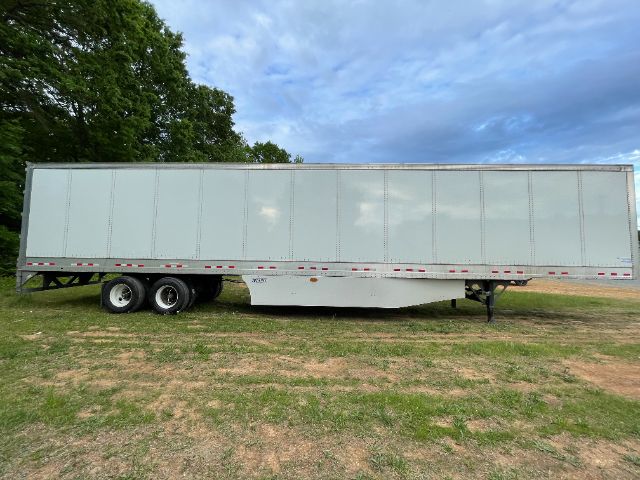

Have used vanguard trailer to sell? List it here to reach thousands of buyers.
Used Vanguard Trailers in North Carolina
For dry freight, a used Vanguard van trailer is usually judged on floor condition, door frame integrity, roof condition, tandem slider operation, and suspension wear. Buyers should look closely at crossmembers, rear frame area, threshold plate wear, and signs of forklift damage along the lower interior walls. Logistics-equipped trailers with E-track or logistics posts are easier to place in general freight service because they handle mixed cargo and load securement better. Air ride suspension is another common feature that helps with ride quality and cargo protection, especially for longer regional and over-the-road lanes.
Used Vanguard reefer trailers deserve a different inspection approach. The refrigeration unit, duct floor condition, insulation performance, door seal condition, and hours on the reefer unit matter as much as the trailer body itself. Common fleet-oriented reefer specs include heavy-duty aluminum duct floors, scuff protection, rear vents, cold chutes, side skirts, tire inflation systems, and stainless steel rear door hardware. A reefer with a Carrier unit, good service records, and a straight, leak-free body can be a strong option for produce, frozen freight, dairy, and temperature-controlled distribution across North Carolina and the Southeast.
When comparing used Vanguard trailers, focus less on model year alone and more on application fit and maintenance history. A dry van set up for logistics freight is a different tool than a reefer built for strict temperature control and frequent dock cycles. Check tire size, wheel type, brake spec, inside height, and tandem configuration against your lanes and customer requirements. In this category, the best buy is usually the trailer with the cleanest structural condition, the right interior setup, and specs that match how the trailer will actually be loaded, dispatched, and maintained.
Frequently Asked Questions about Used Vanguard Trailers in North Carolina
What should I inspect first on a used Vanguard dry van trailer?
Start with the floor, rear frame, roof, and tandem assembly. Wood floor condition tells you a lot about forklift traffic and past loading practices, while the rear sill, threshold plate, and door frame often show the hardest wear. Check the roof for patches or light leaks, inspect scuff liners and interior sidewalls for impact damage, and confirm the sliding tandem moves and locks correctly. Suspension condition, brake wear, and tire age should also be reviewed before purchase.
Are used Vanguard reefer trailers a good choice for temperature-controlled freight?
They can be, especially when the reefer unit has documented maintenance and the trailer body is still tight and well insulated. Buyers should verify reefer hours, unit service history, fuel system condition, door seals, duct floor integrity, and air chute or cold chute condition if equipped. A reefer trailer that holds setpoint consistently and has a clean interior is generally more important than buying strictly by year model.
What trailer specs are most common on used Vanguard trailers?
Many used Vanguard trailers on the market are 53-foot units with 102-inch width and 13-foot 6-inch overall height. Dry vans commonly include swing doors, air ride suspension, sliding tandems, logistics posts, wood floors, and scuff protection. Reefer models often add aluminum duct floors, stainless steel rear hardware, side skirts, tire inflation systems, and refrigeration units from major manufacturers such as Carrier.
Is air ride suspension important on a used Vanguard trailer?
Air ride is important for many operations because it reduces cargo shock and tends to be preferred in general freight and temperature-controlled service. It can help protect palletized goods, packaged food, and other sensitive freight on rougher lanes. On a used trailer, the value of air ride depends on its current condition, so inspect air bags, valves, shocks, and related suspension components carefully.
How do I choose between a used Vanguard dry van and a used Vanguard reefer?
Choose based on freight type, maintenance budget, and customer requirements. A dry van is simpler and less expensive to maintain, making it a strong option for general freight, retail, and distribution. A reefer opens the door to higher-value temperature-controlled loads, but it adds complexity through the refrigeration unit, insulation system, and stricter maintenance needs. The right choice depends on whether your lanes and revenue justify the extra operating cost.