
Used 2020 Trailers For Sale in North Carolina
Browse used 2020 trailers for sale in North Carolina, including dry vans, flatbeds, and other commercial trailer types for regional or OTR work.
Learn more
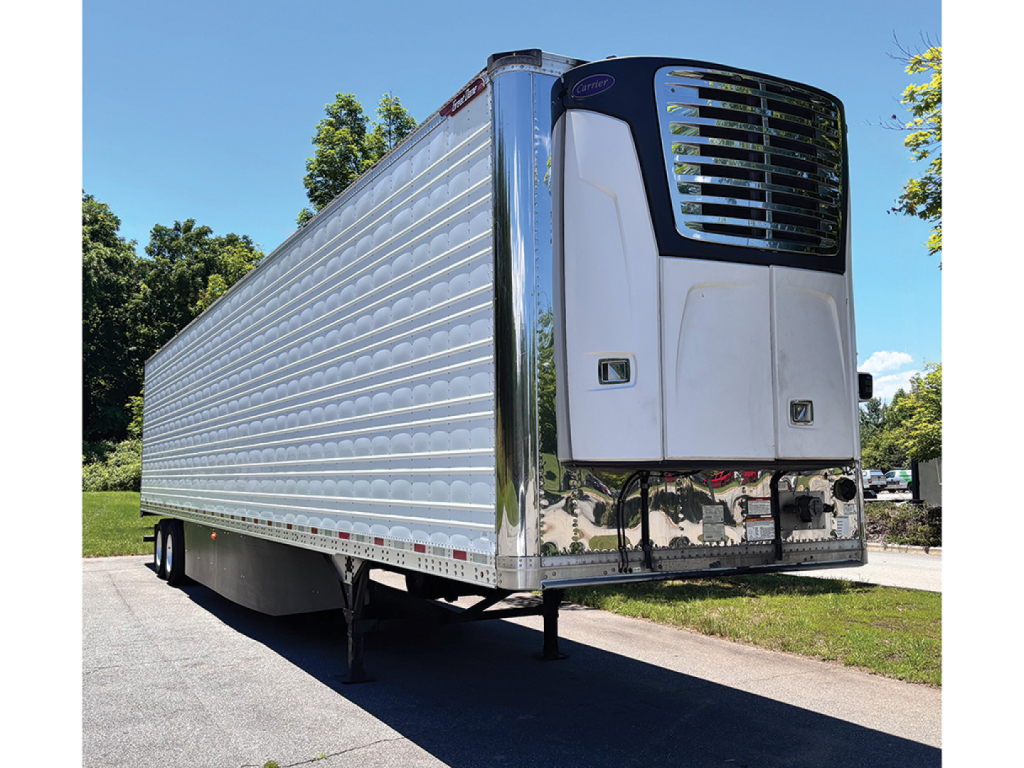
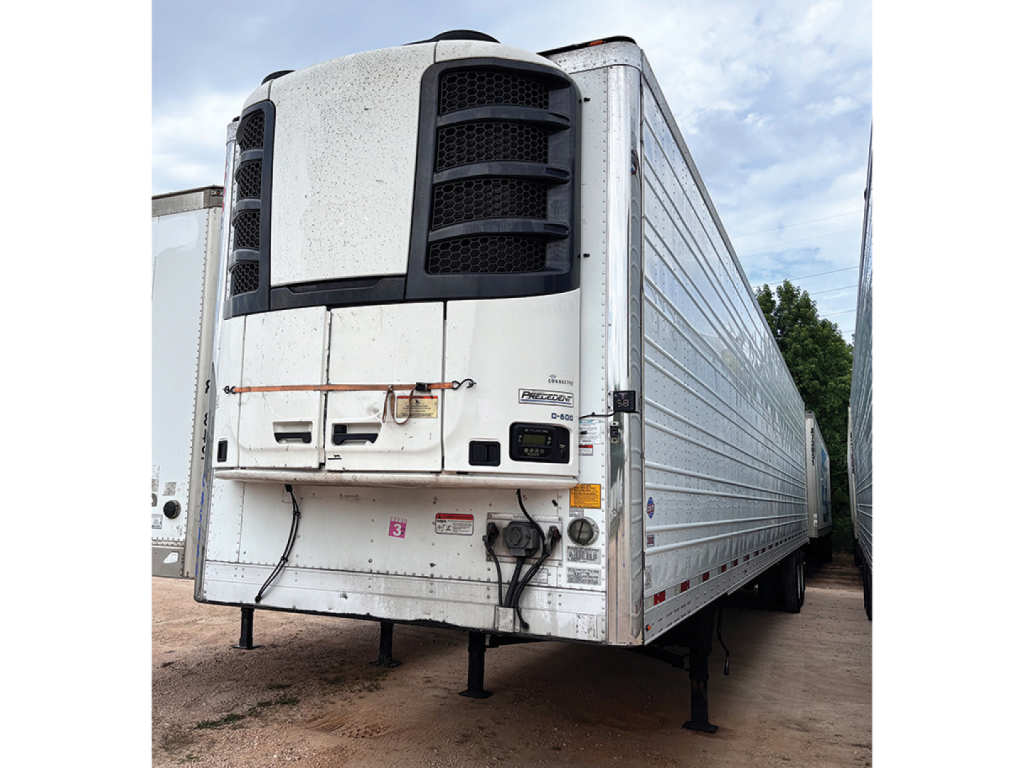
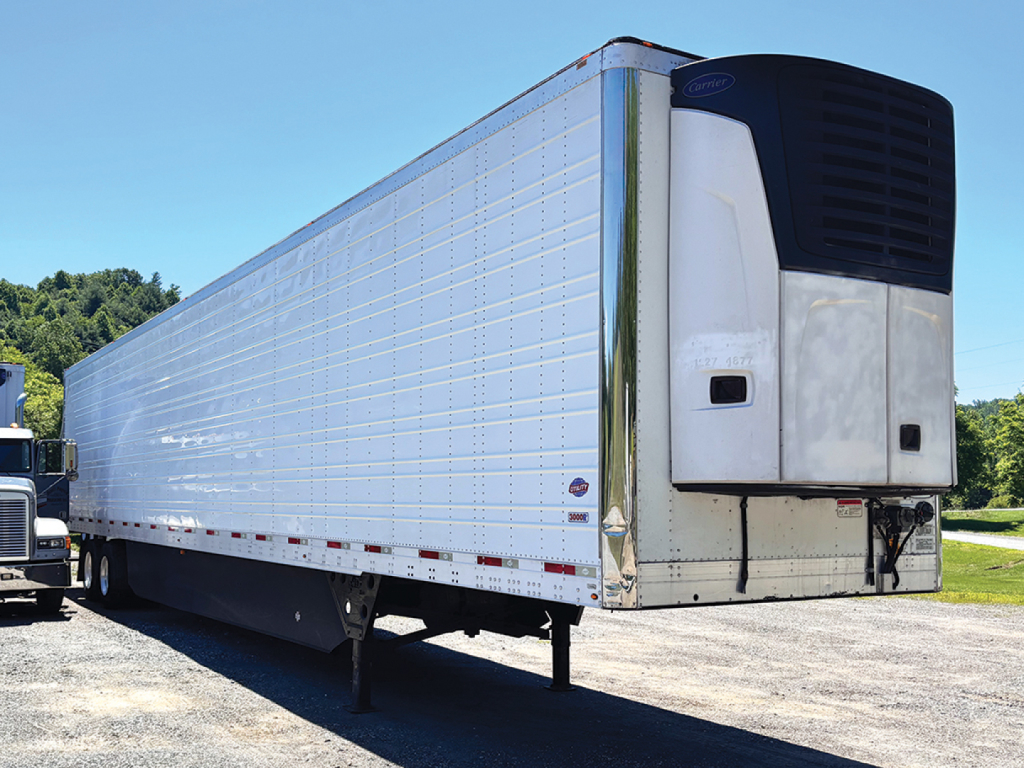
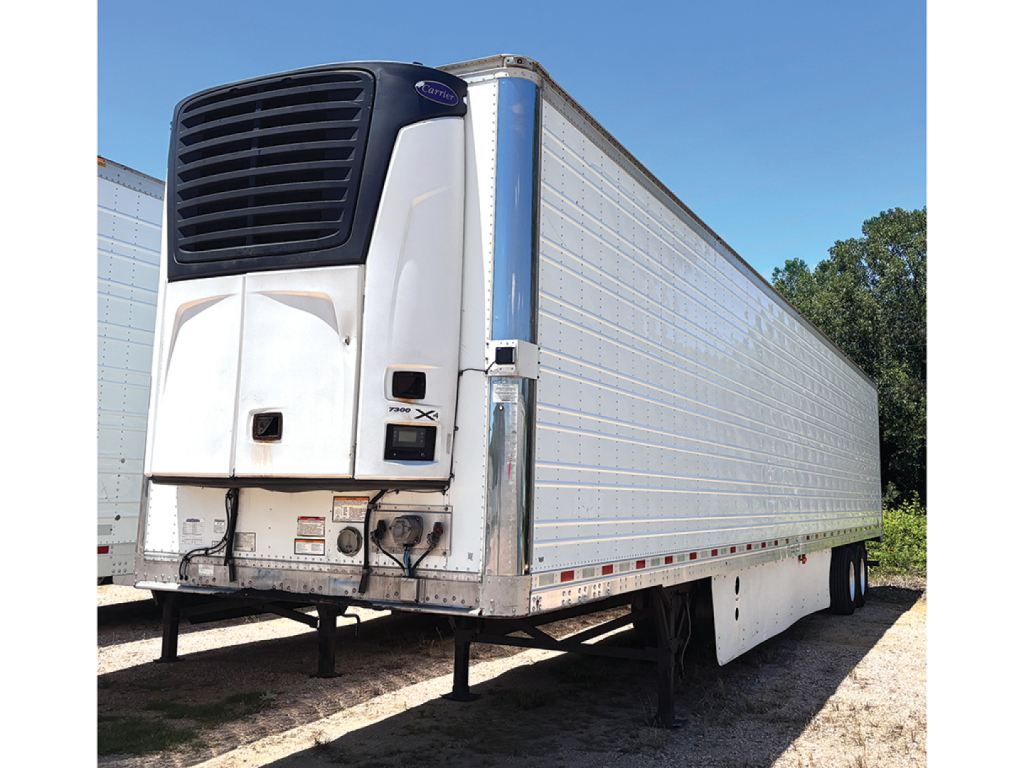
Have used 2020 trailer to sell? List it here to reach thousands of buyers.
About Used 2020 Trailers in North Carolina
For dry van buyers, the important decisions usually start with body construction and cargo handling details. Many 53-foot vans from this era are built 102 inches wide and 13 feet 6 inches high, often with 36-inch kingpin settings, swing doors, wood floors, scuff liners or scuff plates, threshold plates, and logistics track for load securement flexibility. In North Carolina freight service, where trailers may cycle through distribution centers, food and beverage lanes, retail freight, and general dry goods, floor condition, interior lining condition, rear frame integrity, and tandem slide operation matter as much as the brand on the nose. Buyers should also confirm suspension type, brake spec, tire size, and inside height if cube utilization is important.
For flatbed buyers, a used 2020 trailer is often judged first by deck configuration, axle layout, and weight-saving construction. Aluminum and steel composite trailers remain common because they balance tare weight, durability, and repair practicality. Nail strips, deck wear, crossmember condition, suspension setup, and wheel-end service history should be reviewed carefully, especially for trailers expected to haul building materials, steel, machinery, or equipment across the Southeast. Spread axle versus sliding tandem setup can also affect bridge law flexibility, maneuverability, and tire wear, so the right spec depends on your freight mix and route density.
The best 2020 used trailers are the ones with a spec that matches the work and a condition profile that supports low downtime. Buyers should pay attention to maintenance records, DOT inspection readiness, tire age, brake wear, lighting and ABS function, floor repairs, roof condition on vans, and signs of hard dock impact or frame stress. North Carolina operators may also want to consider corrosion exposure, especially on trailers that have spent time in multi-state service. A well-matched 2020 trailer can still deliver years of productive service if the structure, running gear, and cargo area have been evaluated with the same discipline as the purchase price.
Frequently Asked Questions
What should I look for first when buying a used 2020 trailer?
Start with the structural condition and the trailer spec. On a van trailer, inspect the floor, roof, sidewalls, rear frame, door hardware, and tandem slide. On a flatbed, focus on deck wear, crossmembers, frame condition, axle alignment, and suspension. After that, review brake condition, tire age, wheel ends, ABS function, and any maintenance history. A 2020 model can still be a very current trailer, but condition matters more than age alone.
Is a 2020 trailer a good balance between price and remaining service life?
For many buyers, yes. A 2020 trailer is often new enough to include fleet-favored specs and modern construction, but old enough to avoid the premium attached to very recent model years. The value depends on prior use, maintenance discipline, and whether the trailer was built for demanding dock service, heavy freight, or lighter over-the-road work. A properly maintained 2020 trailer can still offer substantial remaining service life.
What trailer types are common in the used 2020 market in North Carolina?
Dry vans and flatbeds are two of the most common categories, reflecting the freight mix across North Carolina. Dry vans are widely used for retail, consumer goods, packaged freight, and warehouse distribution. Flatbeds are common in construction, industrial supply, machinery, and building materials. Depending on the market, buyers may also see reefer trailers, drop decks, and specialty configurations, but van and flatbed listings typically make up the core of the used highway trailer market.
Which specs matter most on a used 2020 dry van trailer?
Key specs include overall length, width, height, inside height, kingpin setting, suspension type, tandem configuration, door style, floor type, and interior cargo control setup. Features like scuff liners, threshold plates, air ride suspension, sliding tandems, and tire inflation systems can affect uptime and operating costs. Buyers should also verify whether the trailer has the interior condition and cube needed for their freight, especially in high-turn distribution work.
How important is suspension type on a used 2020 trailer?
Suspension type has a direct effect on ride quality, cargo protection, maintenance cost, and resale appeal. Air ride is widely preferred for general freight and many van applications because it helps reduce cargo shock and is commonly requested by fleets and shippers. Spring ride may still make sense in some applications due to simplicity, but buyers should match suspension choice to the cargo and service environment rather than treating it as a minor detail.