
Used 2020 Reefer Trailers For Sale in North Carolina
Browse used 2020 reefer trailers for sale in North Carolina. Compare 53-foot specs, reefer units, floors, suspension, and multi-temp options.
Learn more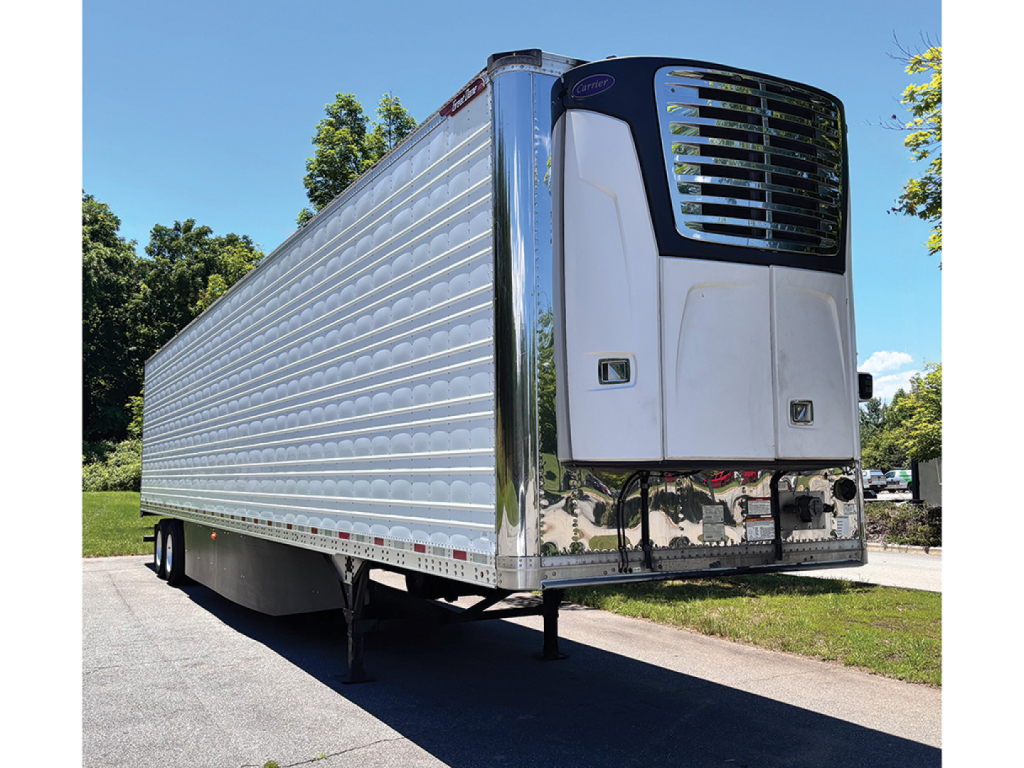
Have used 2020 reefer trailer to sell? List it here to reach thousands of buyers.
About Used 2020 Reefer Trailers in North Carolina
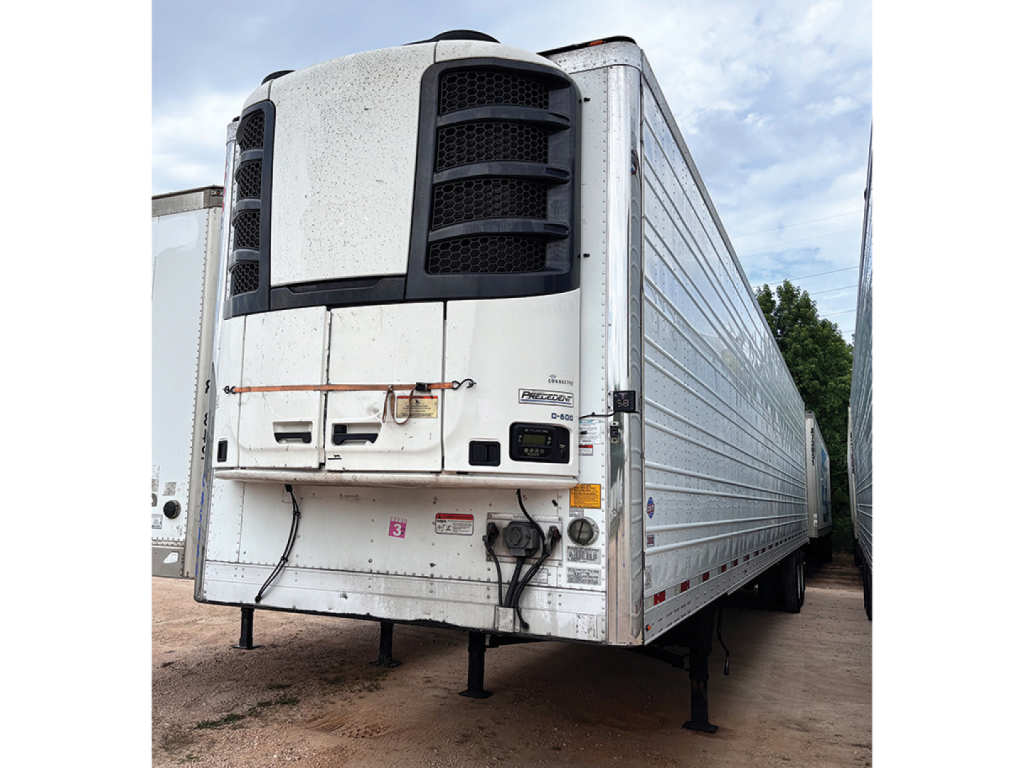
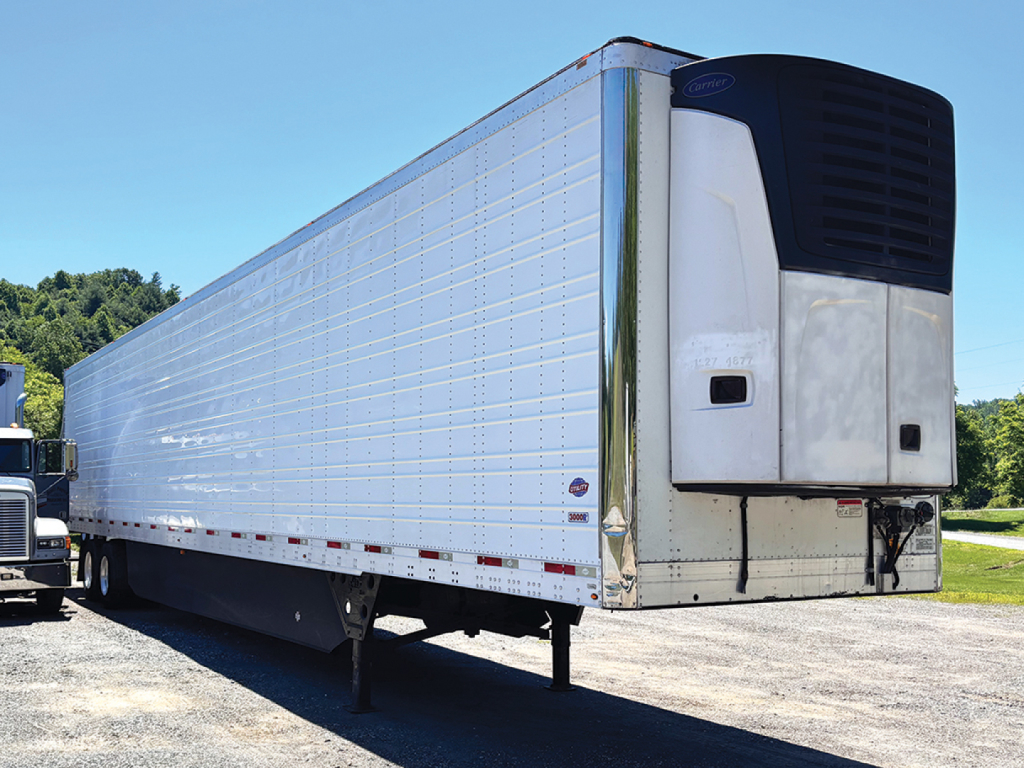
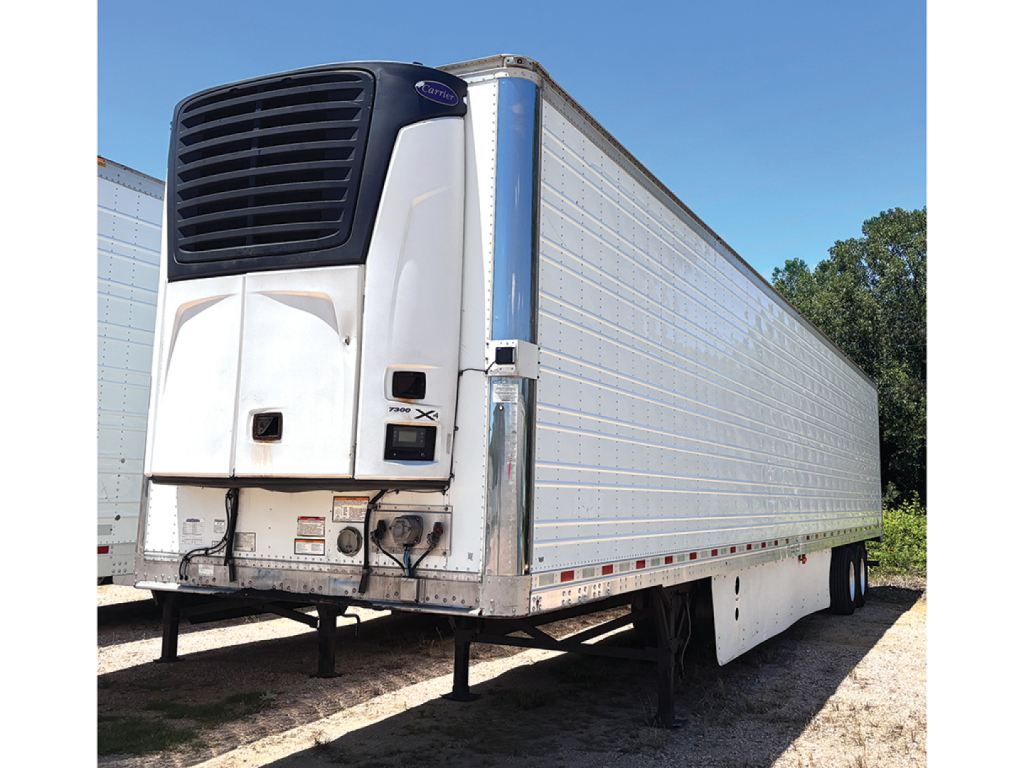
The refrigeration unit deserves the closest inspection. Thermo King Precedent and Carrier units are common in this age range, and buyers should verify total engine hours, electric standby if equipped, defrost performance, pull-down time, and temperature stability under load. Multi-temp reefer trailers add flexibility for mixed freight, but they also bring extra components such as bulkheads, evaporators, and control systems that should be checked carefully. Fuel tank condition, unit alarm history, data logger records, and recent PM intervals can tell you more than a fresh wash ever will. If the trailer will run grocery, dairy, frozen foods, or pharma-sensitive lanes, cargo temperature consistency is the first job, not an afterthought.
Trailer spec affects loading speed, sanitation, and long-term operating cost. Aluminum duct floors are common for continuous airflow under pallets, while flat floors may suit operations with different handling needs. Scuff liners, scuff plates, E-track, logistic posts, cold chutes, rear vents, and stainless rear frames all matter depending on freight type and dock abuse. Swing doors remain standard for many fleets, while roll-up doors can help in frequent stop applications but may reduce clear opening height and add maintenance points. Suspension choice is another practical decision. Air ride is preferred for delicate freight and dock consistency, while spring ride can be simpler and lower cost to maintain.
In North Carolina, reefer buyers often balance interstate freight demands with regional grocery, produce, protein, and foodservice work. That makes door seal condition, insulation integrity, floor wear, and water intrusion especially important in a humid climate. Check for patched interior liner damage, soft floor sections, missing chute components, and corrosion around the unit mounting area, front wall, and rear frame. Tire age, brake type, wheel-end condition, and tandem slide operation should be evaluated like any other trailer, but reefers also need close attention to the box interior because small air leaks and damaged lining can directly affect fuel burn and temperature recovery. A well-kept 2020 reefer trailer can still deliver strong value if the refrigeration unit, insulation package, and structural condition line up with the freight you intend to haul.
Frequently Asked Questions
What should I check first on a used 2020 reefer trailer?
Start with the refrigeration unit, then move to the trailer box. Verify reefer engine hours, maintenance records, alarm history, and whether the unit holds setpoint during a loaded or simulated temperature test. After that, inspect the interior liner, insulation integrity, floor condition, door seals, and signs of water intrusion. A reefer trailer can look clean and still have expensive issues if the unit has high hours, weak pull-down performance, or hidden air leaks.
Are 2020 reefer trailers usually 53 feet long?
Yes, most fleet-spec reefer trailers from 2020 are 53 feet long, 102 inches wide, and 13 feet 6 inches high. That is the most common configuration for grocery distribution, refrigerated LTL, and long-haul food freight. Some shorter trailers exist, including 48-foot units, but 53-foot trailers dominate the market because they maximize pallet capacity and fit standard dock operations.
What is the difference between a single-temp and multi-temp reefer trailer?
A single-temp reefer trailer cools the entire box to one setpoint, which works well for full loads of frozen or chilled freight. A multi-temp reefer trailer uses compartments, bulkheads, and additional evaporator control to carry different products at different temperatures in the same trailer. Multi-temp setups are useful for grocery and foodservice routes, but they are more complex and should be inspected carefully for divider condition, control operation, and even airflow across each zone.
Is air ride better than spring suspension on a reefer trailer?
Air ride is often preferred on reefer trailers because it helps protect delicate cargo, improves ride quality, and can provide more consistent dock height. It is common on food-grade and higher-spec trailers. Spring suspension can still be a practical choice for buyers focused on lower upfront cost and simpler maintenance, but it generally offers a harsher ride. The better option depends on cargo sensitivity, lane type, and maintenance philosophy.
Do floor type and interior options matter on a reefer trailer?
Yes, they matter more than many buyers expect. Aluminum duct floors help move cold air under the load and are common in food applications where airflow is critical. Flat floors may fit certain handling methods better, but they can affect airflow depending on pallet setup. Interior options such as scuff liners, E-track, cold chutes, rear vents, and stainless door frames influence durability, cargo securement, and temperature management. Matching the interior spec to the freight is just as important as choosing the reefer unit brand.