
Used 2015 Trailers For Sale in North Carolina
Browse used 2015 trailers for sale in North Carolina, including dry vans, reefers, and freight trailers with common fleet-ready specs.
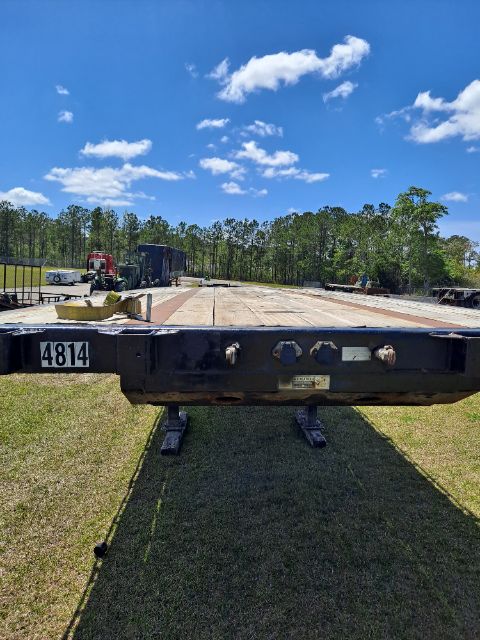
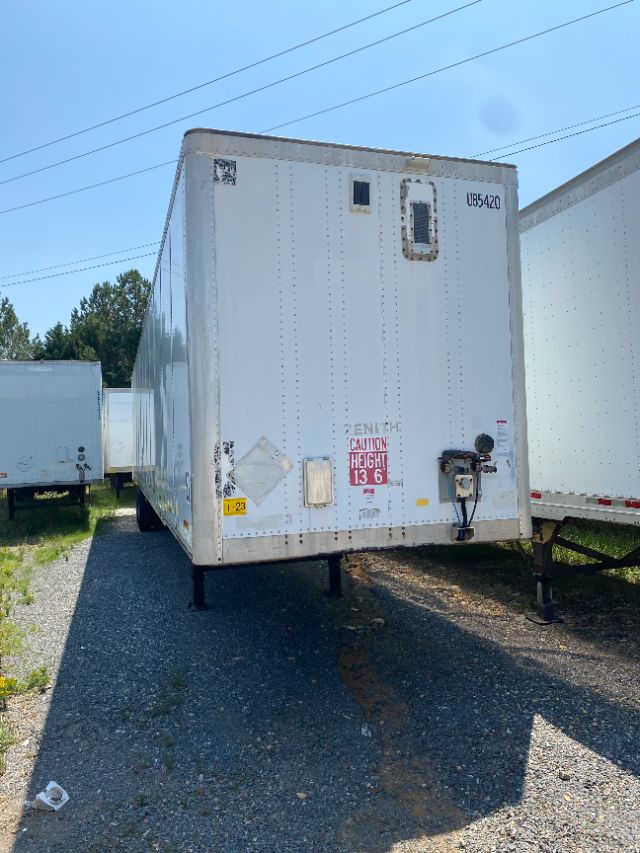

Selling a used 2015 trailer? List your used 2015 trailer for sale and reach thousands of commercial buyers.
Used 2015 Trailers in North Carolina
The first buying decision is usually trailer type and freight match. A 2015 dry van, also known as a box trailer or enclosed van trailer, is commonly used for palletized general freight, retail distribution, and dock-to-dock lanes. Key items to inspect include floor condition, threshold plate wear, scuff liner damage, roof integrity, door frame alignment, and the condition of swing doors and seals. On reefer trailers, buyers need to evaluate not only the body and suspension but also the refrigeration unit hours, operating history, evaporator condition, fuel tank status, and whether the trailer is set up for single-temp or multi-temp service. For Carolina operations with mixed regional and long-haul freight, clean maintenance records and a straight, leak-free body often matter more than cosmetic appearance.
Running gear and compliance details have a major impact on long-term cost. Many 2015 trailers were spec'd with sliding tandems, air ride, disc or drum wheels, and fleet-standard hub and brake packages, which helps with parts availability and shop familiarity. Check kingpin wear, tandem slider operation, suspension bushings, crossmember condition, brake stroke, ABS function, tire age, and any automatic tire inflation system. Dry van buyers should also look for logistics-ready interiors, plywood lining, and wood floor repair history. Reefer buyers should pay close attention to insulation performance, door seal condition, and signs of prior cargo damage or moisture intrusion. In North Carolina, where trailers may see port freight, food distribution, manufacturing freight, and regional warehouse work, axle placement and tare weight can also affect payload efficiency and bridge compliance.
A well-chosen used 2015 trailer can fit owner-operators, private fleets, and larger carriers that want dependable capacity without paying late-model pricing. The best candidates are usually trailers with common dimensions, standard suspension and brake components, and a spec that matches the intended lane rather than trying to cover every use case. Buyers comparing multiple listings should focus on structural condition, maintenance history, reefer unit performance when applicable, and whether the trailer's interior setup actually supports the freight they haul every week.
Frequently Asked Questions about Used 2015 Trailers in North Carolina
What should I inspect first on a used 2015 trailer?
Start with structural and operating condition. Inspect the frame, crossmembers, floor, roof, sidewalls, rear frame, kingpin, suspension, brakes, tires, and tandem slide. On dry vans, pay close attention to floor wear, scuff liner damage, and door seal condition. On reefers, add a full check of the refrigeration unit, unit hours, airflow channels, insulation integrity, and any evidence of leaks or moisture intrusion.
Is a 2015 trailer still a good choice for commercial freight work?
Yes, a 2015 trailer can still be a practical commercial trailer if it has been maintained properly and the spec matches the application. Many 2015 trailers remain productive in regional and long-haul service because they use common fleet components and standard dimensions. The real value depends on maintenance history, structural condition, brake and suspension wear, and for reefers, the health of the refrigeration system.
What trailer types are common in the used 2015 market?
Dry van trailers and reefer trailers are among the most common 2015 models on the used market. Dry vans are typically used for general freight, retail, and packaged goods. Reefers are used for temperature-controlled freight such as food, beverage, and pharmaceuticals. Depending on the original fleet spec, buyers may also find trailers with features like logistics posts, scuff plates, plywood lining, sliding tandems, and air ride suspension.
What specs matter most when comparing used 2015 trailers in North Carolina?
The most important specs are trailer length, width, height, suspension type, tandem configuration, tire size, brake setup, interior lining, floor type, and overall tare weight. In North Carolina, buyers often prioritize 53-foot by 102-inch trailers with sliding tandems because they fit common warehouse and highway freight patterns. Reefer buyers should also compare refrigeration unit brand, model, hours, and service history.
How do I choose between a used 2015 dry van and a used 2015 reefer?
Choose based on freight requirements, operating cost, and maintenance tolerance. A dry van is simpler and usually less expensive to maintain, making it a strong fit for general palletized freight. A reefer adds temperature control capability but also adds engine, fuel, electrical, and refrigeration maintenance. If the freight does not require controlled temperatures, a dry van is usually the more cost-efficient trailer.