
Used Fontaine Trailers For Sale in North Carolina
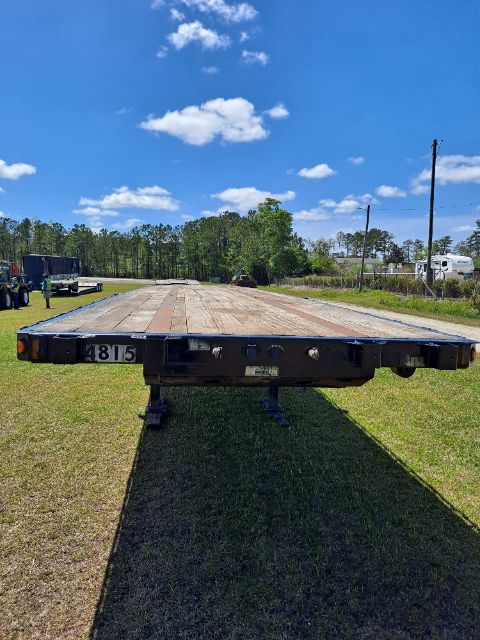
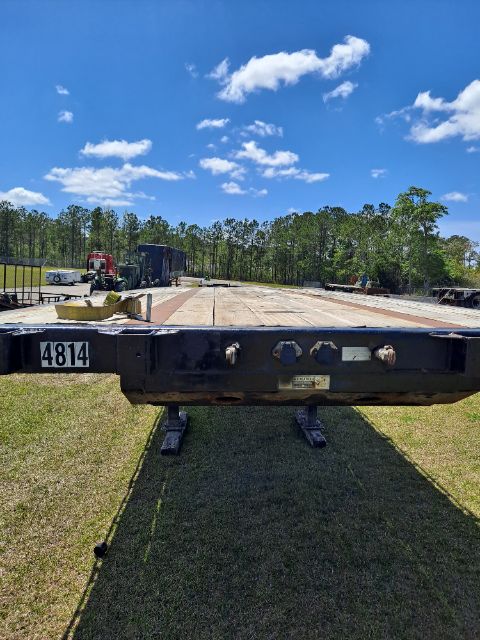
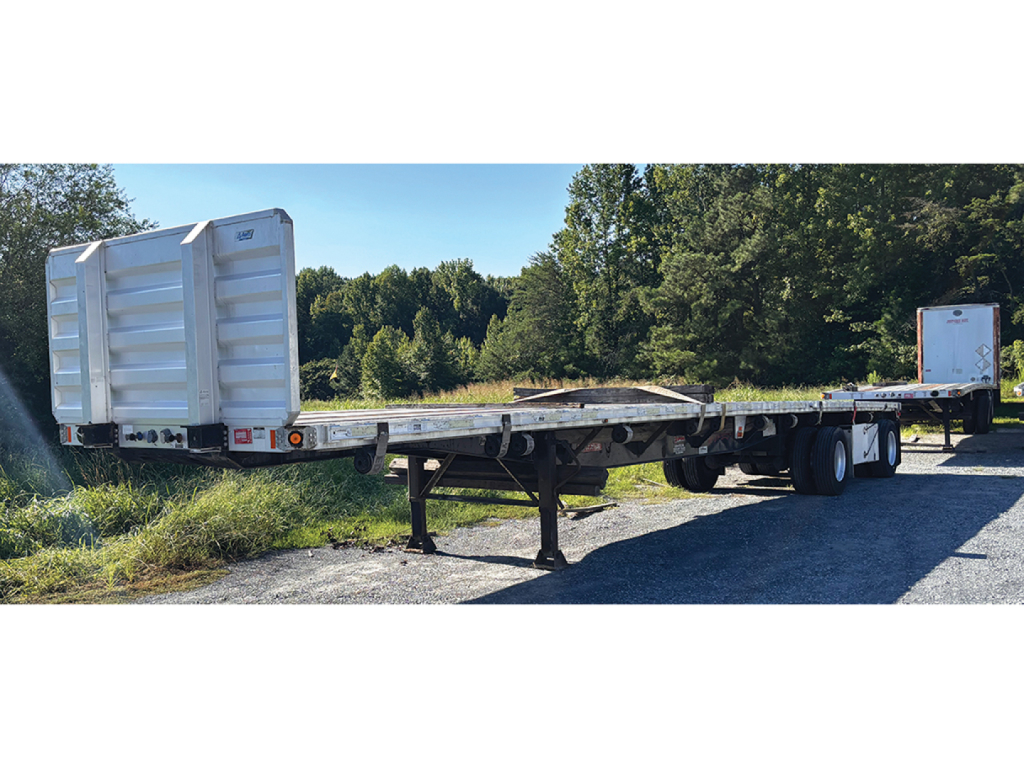
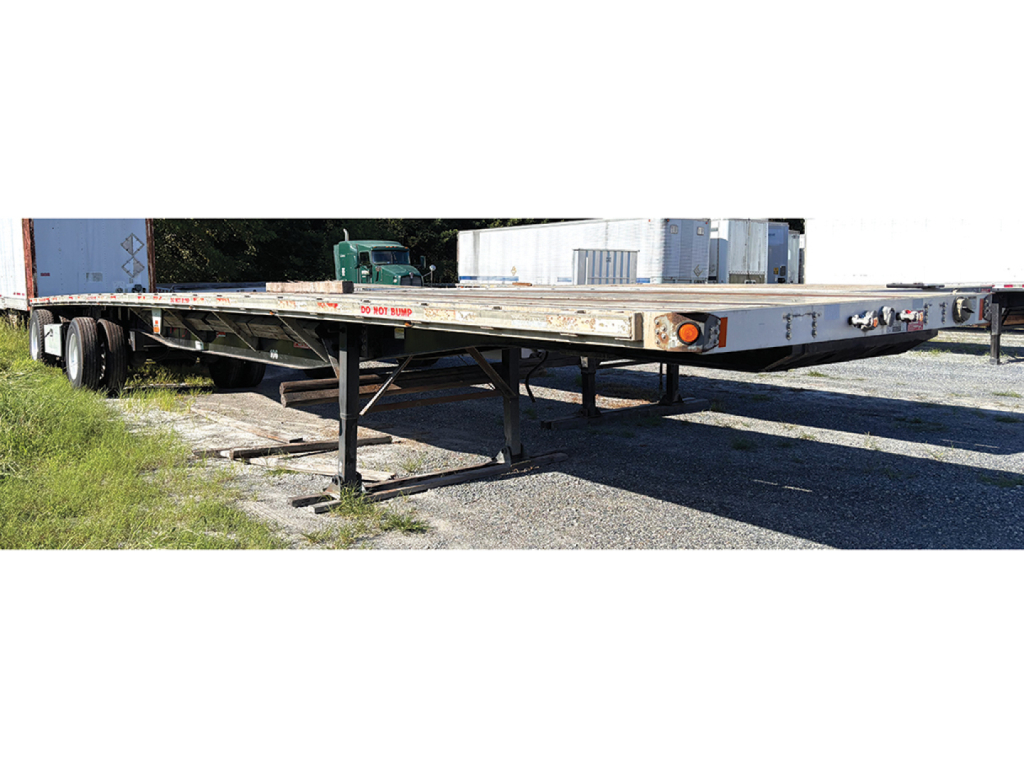

Have used fontaine trailer to sell? List it here to reach thousands of buyers.
Used Fontaine Trailers in North Carolina
A used Fontaine flatbed trailer is often found in 48-foot configurations, though exact dimensions, axle spacing, and deck setup can vary by model and year. Key inspection points include crossmember condition, frame straightness, landing gear operation, suspension wear, brake life, wheel-end service history, and signs of deck replacement or patchwork. Buyers should also look closely at rub rails, stake pockets, winches, sliding winch tracks, and the condition of the rear impact guard, since these components take regular abuse in day-to-day loading and securement work.
For many buyers, payload strategy matters as much as brand. A lighter trailer can improve legal payload, but durability and repair history are just as important on an older unit. Aluminum components can help reduce tare weight, while steel construction may offer a different balance of strength, repairability, and cost. Tire condition, air ride versus spring ride suspension, and ABS compliance should all be part of the evaluation. If the trailer will stay in regional service across North Carolina and surrounding states, check how the spec matches your typical freight, permit needs, and dock or jobsite environment.
Fontaine trailers tend to appeal to buyers who want a straightforward platform trailer with broad parts familiarity and versatile freight capability. Flatbeds, also known as open-deck trailers, remain one of the most flexible trailer types in commercial trucking because they can handle loads that are too wide, too tall, or too awkward for a dry van. The best used trailer is usually the one whose deck, frame, securement hardware, and running gear match the freight you actually haul, not just the lowest purchase price.
Frequently Asked Questions about Used Fontaine Trailers in North Carolina
What should I inspect first on a used Fontaine flatbed trailer?
Start with the structural items that determine serviceability and repair cost. Check the main frame rails, crossmembers, trailer deck, suspension, axles, brakes, landing gear, and wheel ends before focusing on cosmetic issues. On a flatbed, securement equipment such as rub rails, stake pockets, chain tie-down points, and winch tracks should also be inspected closely because worn or damaged hardware affects both safety and day-to-day usability.
Are Fontaine trailers mainly used for flatbed work?
Fontaine is widely associated with flatbed and open-deck applications, and that is where many used buyers encounter the brand. These trailers are commonly used to haul building materials, machinery, steel, palletized freight, and other cargo that requires crane, forklift, or side loading access. The exact usefulness of a given trailer depends on its deck length, rated capacity, suspension, and securement setup.
Is a 48-foot Fontaine flatbed a practical size for regional hauling in North Carolina?
A 48-foot flatbed is a common and practical choice for regional freight because it offers broad load compatibility without becoming overly specialized. It fits many building product, equipment, and general commodity applications seen across North Carolina. The right choice still depends on axle spacing, trailer weight, bridge considerations, and the dimensions of the freight you haul most often.
What matters more on a used trailer, low weight or heavier construction?
That depends on the freight mix and how the trailer will be used. Lower tare weight can improve payload and revenue on dense commodities, but heavier construction can be attractive where rough loading conditions, concentrated weight, or repeated jobsite use are common. On a used unit, maintenance history and structural condition usually matter more than brochure weight alone, because repair needs can quickly offset any purchase savings.