
Used Fontaine Flatbed Trailers For Sale in North Carolina
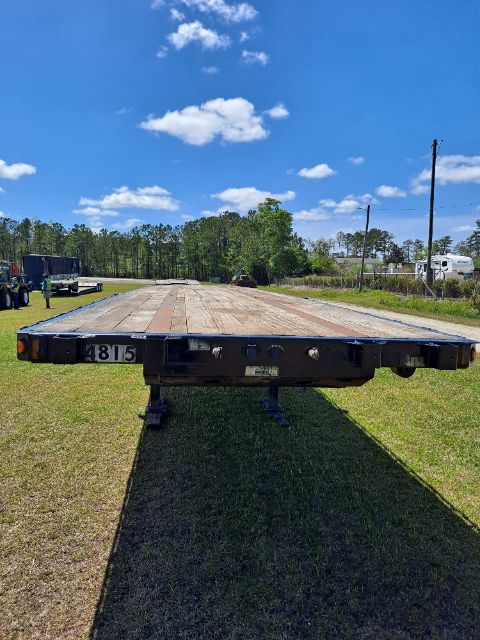
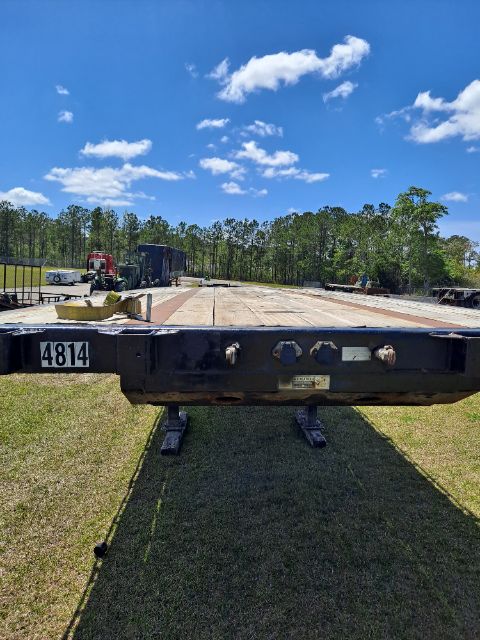
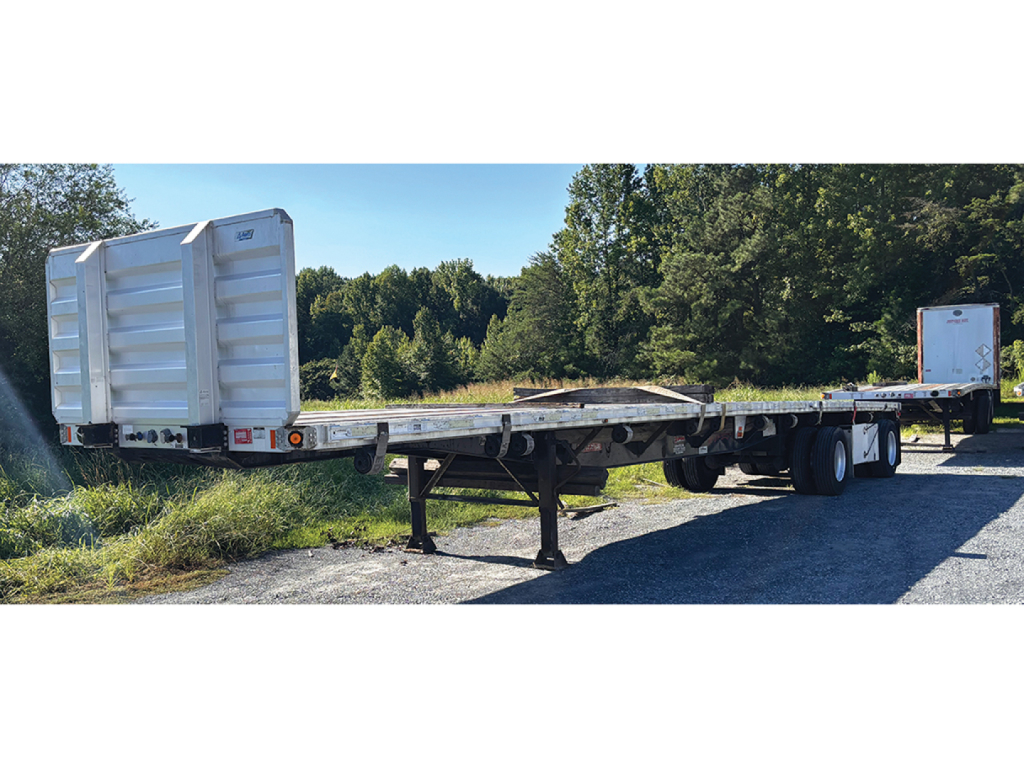
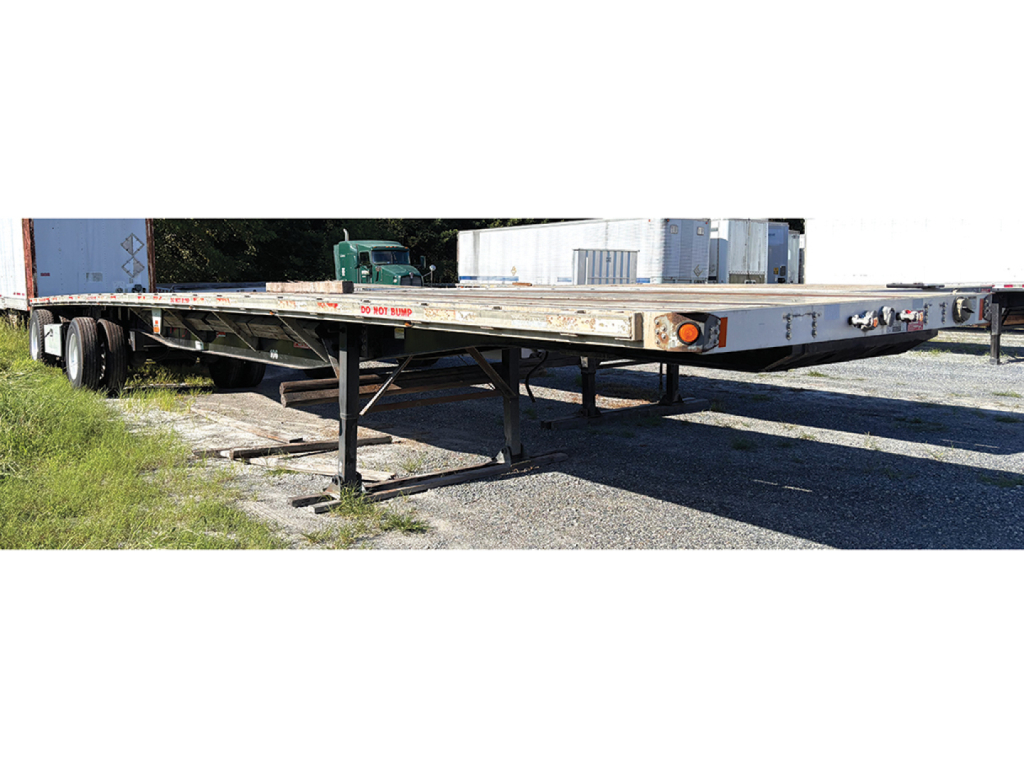

Have used fontaine flatbed trailer to sell? List it here to reach thousands of buyers.
Used Fontaine Flatbed Trailers in North Carolina
When comparing used Fontaine flatbeds, deck construction matters as much as the nameplate. Buyers should look closely at the main beams, crossmembers, outriggers, and the condition of the wood floor or apitong decking if equipped. Winch track layout, sliding winches, stake pockets, chain spools, and rub rail condition all affect how easily the trailer can be loaded and secured. On older units, pay attention to signs of concentrated forklift damage, cracked welds around suspension mounts, and corrosion on the rear structure. Tire condition, brake life, wheel-end service history, and suspension type can also make a major difference in operating cost after purchase.
A used Fontaine flatbed can fit a wide range of applications, but the right trailer depends on freight profile. Lighter trailers help maximize payload for building products, packaged materials, and steel, while heavier-duty specifications may be better for equipment, dense freight, or repeated jobsite use. In North Carolina, buyers often consider route mix and terrain, especially if the trailer will move between coastal freight lanes, urban construction deliveries, and inland manufacturing corridors. Spread axle versus tandem axle setup, if available, can affect weight distribution, maneuverability, and bridge law planning depending on the lanes you run.
The best buying decision usually comes down to matching the trailer’s current condition to the type of securement and loading it will see every week. A clean used Fontaine flatbed with solid frame integrity, straight landing gear, good tires, and usable securement hardware can remain productive for years. It also helps to confirm overall deck height, legal width, load rating, and any repairs or reinforcements that may change tare weight or serviceability. For most buyers in this category, the priority is simple: a flatbed trailer that loads easily, secures freight efficiently, and holds up under real-world commercial use.
Frequently Asked Questions about Used Fontaine Flatbed Trailers in North Carolina
What should I inspect first on a used Fontaine flatbed trailer?
Start with structural condition. Inspect the main frame rails, crossmembers, outriggers, rear impact area, suspension mounting points, and landing gear structure for cracks, repairs, bends, or corrosion. Then check the deck surface, rub rails, stake pockets, winch track, brakes, tires, and wheel ends. On a used flatbed, visible deck wear is normal, but structural damage and poor brake or suspension condition usually have the biggest effect on near-term repair cost.
Is a 48-foot Fontaine flatbed a good size for general freight?
Yes. A 48-foot flatbed is one of the most common platform trailer sizes for general freight because it handles a broad mix of building materials, machinery, steel, and palletized cargo. It is long enough for most standard flatbed work while remaining familiar to shippers, brokers, and drivers. Buyers should still verify axle placement, deck condition, and tare weight, because those factors affect payload and freight flexibility more than length alone.
What features are important on a used flatbed trailer for securement?
The most important securement-related features are a sound rub rail, usable stake pockets, a functional winch track, and enough sliding or fixed winches to match the freight you haul. Chain spools, anchor points, and deck condition also matter because they affect how safely and efficiently cargo can be tied down. If the trailer will regularly haul steel, lumber, or machinery, securement hardware condition should be evaluated as carefully as the frame and suspension.
How do tandem axle and spread axle flatbeds compare?
Tandem axle flatbeds are generally easier to maneuver in tighter delivery areas and are common for broad general freight use. Spread axle flatbeds can offer advantages in weight distribution and can help on certain loads and bridge calculations, but they may increase tire scrub and can be less convenient in confined yards or urban jobsites. The better choice depends on your freight, lanes, and delivery environment.
Are older used Fontaine flatbed trailers still worth buying?
They can be, if the trailer has been maintained and the structure is sound. Many older flatbeds remain productive because the platform design is relatively straightforward and repairable. The key is to judge condition rather than model year alone. A well-kept older trailer with a straight frame, good flooring, healthy running gear, and solid securement hardware can be a better value than a newer trailer with hidden structural or brake-related issues.