
Used 2019 Trailers For Sale in North Carolina
Browse used 2019 trailers for sale in North Carolina, including dry vans and reefers with common 53-foot specs, air ride, sliding tandems, and more.
Learn more
Have used 2019 trailer to sell? List it here to reach thousands of buyers.
About Used 2019 Trailers in North Carolina
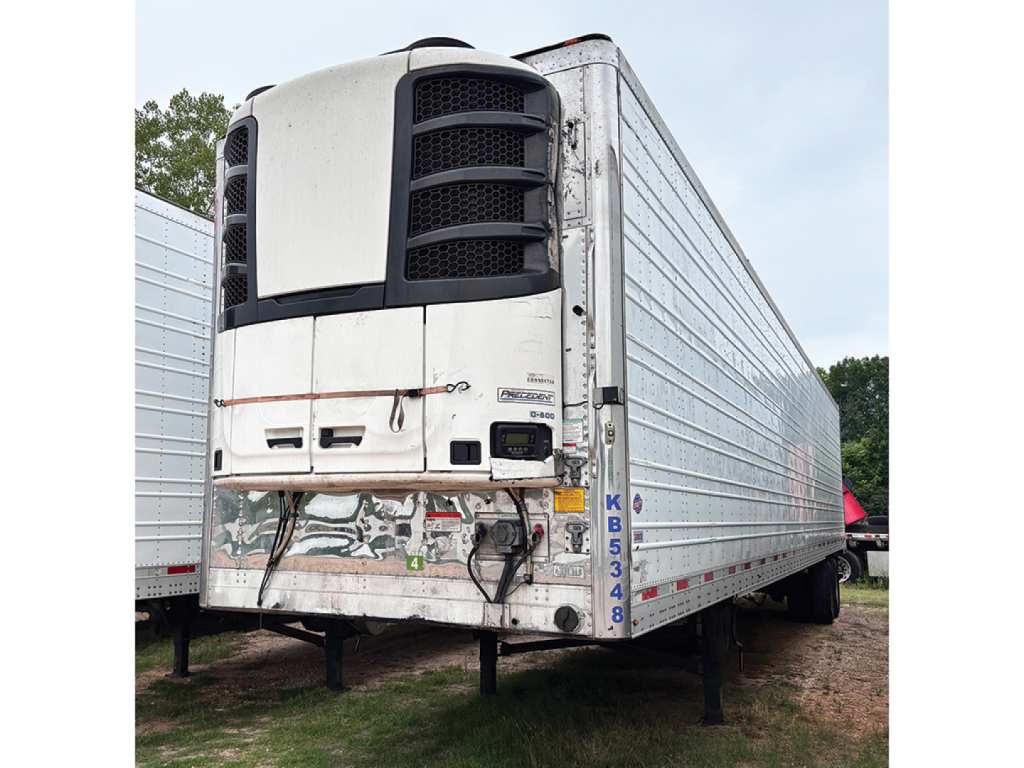
The first buying decision is usually trailer type. A 2019 dry van, also known as a box trailer or enclosed van trailer, is the standard choice for palletized freight, retail goods, packaging, and general dry cargo. Typical specs include 53-foot length, 102-inch width, 13-foot 6-inch overall height, swing doors, wood flooring, threshold plates, scuff liners or scuff plates, and sliding tandem suspension. A 2019 reefer trailer adds insulation, a duct or aluminum floor, and a self-powered refrigeration unit from Thermo King or Carrier. Buyers looking at reefers should pay close attention to unit hours, start-stop operation history, chute condition, door seal integrity, and signs of floor or wall damage from forklift traffic.
Condition matters more than the badge on a used 2019 trailer. Check crossmembers, rear frame area, upper coupler plate, kingpin wear, tandem slide rails, suspension bushings, brake components, ABS function, and tire date codes. On dry vans, inspect the roof, floor repairs, sidewall scarring, and logistics track condition. On reefers, look for light leaks, insulation damage, evaporator cleanliness, fuel tank condition, and service records on the reefer unit. In North Carolina, humidity and year-round use can accelerate corrosion around door hardware, wiring, and undercarriage components, so buyers should inspect for rust at the rear sill, subframe, and fastener points.
A used 2019 trailer is often a strong fit for fleets that want dependable freight capacity without paying new-trailer prices. Dry vans tend to be the simplest and most versatile option for general freight, while reefers support higher-value temperature-controlled work but bring added maintenance and compliance considerations. Buyers should match trailer spec to lane requirements, dock conditions, axle laws, and commodity type. Details like kingpin setting, interior lining, side skirts, floor rating, and door configuration can affect payload flexibility, maintenance cost, and resale value more than the model year alone.
Frequently Asked Questions
What are the most common specs on a used 2019 trailer in North Carolina?
The most common used 2019 trailers on the market are 53 feet long, 102 inches wide, and 13 feet 6 inches high. Many are equipped with air ride suspension, sliding tandems, 22.5 low-profile tires, swing doors, and either steel, disc, or aluminum wheel packages. Dry vans often include wood floors, logistics posts, scuff liners, and threshold plates. Reefer trailers typically add insulated walls, aluminum duct floors, stainless front components, and refrigeration units from Thermo King or Carrier.
Is a 2019 trailer still a good buy for commercial freight work?
Yes, a 2019 trailer can still be a strong value if its condition and maintenance history are solid. This model year is new enough to offer modern fleet specifications and compatibility with current shipper expectations, but old enough to be priced below newer equipment. Buyers should focus on structural condition, brake and suspension wear, tire age, floor integrity, and any evidence of accident damage or deferred maintenance. On reefers, unit hours and service records are especially important.
What should I inspect first on a used 2019 dry van trailer?
Start with the frame, roof, floor, rear door area, and tandem assembly. Check the kingpin and upper coupler plate for wear, inspect crossmembers for cracks or corrosion, and look for patched flooring or soft spots caused by repeated forklift traffic. Review the condition of the sidewalls, scuff plates, logistics track, and rear threshold. Brake components, ABS operation, suspension parts, and tire date codes should also be verified because those items can quickly change the true operating cost of the trailer.
What extra checks matter on a used 2019 reefer trailer?
A reefer needs both trailer and refrigeration system evaluation. Inspect the reefer unit hours, maintenance records, fuel system, evaporator and condenser condition, chute, door seals, and interior lining. Check for light leaks, insulation damage, floor wear, and any evidence the box has lost thermal efficiency. A reefer with a sound trailer body but poor unit history can become expensive quickly, so buyers should treat the refrigeration system as a major asset rather than a secondary component.
Why does North Carolina location matter when buying a used trailer?
North Carolina is a strong freight state with a mix of regional, port, manufacturing, food, and distribution traffic, so trailer specs often reflect practical fleet use rather than niche applications. Buyers may find dry vans and reefers built for heavy lane miles, frequent dock loading, and year-round service. The climate also makes corrosion inspection important, especially around door hardware, wiring, rear frames, and undercarriage components. Local lane requirements and axle compliance can also make sliding tandem setup and kingpin position more important than they first appear.