
Used Flatbed Trailers For Sale in North Carolina
Browse used flatbed trailers for sale in North Carolina, including 48-ft and 53-ft models with spread axles, aluminum floors, and coil packages.
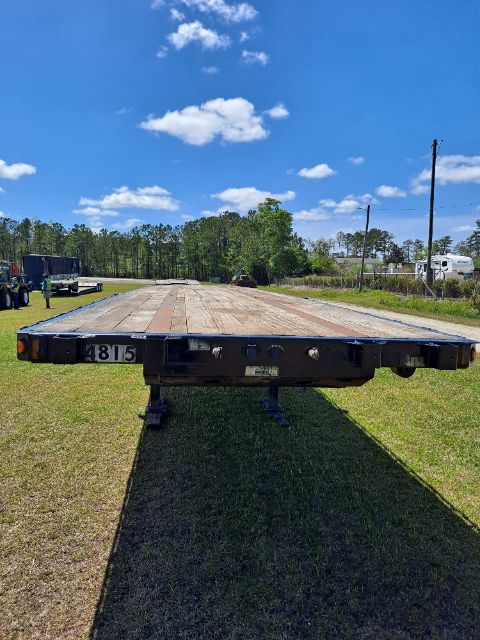
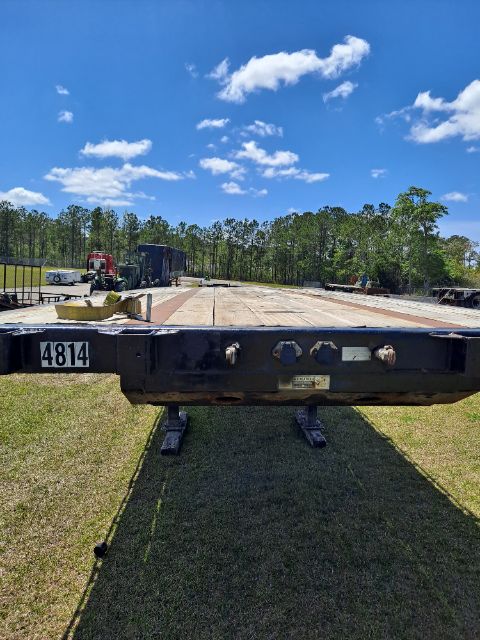

Selling a used flatbed trailer? List your used flatbed trailer for sale and reach thousands of commercial buyers.
Used Flatbed Trailers in North Carolina
Material choice is one of the biggest decisions. Aluminum flatbed trailers generally offer lower tare weight and better corrosion resistance, which helps maximize payload and reduce long-term upkeep. Steel or aluminum-steel composite trailers can offer a balance of durability and repairability, especially in hard-use applications. On many used flatbeds, buyers should look closely at the floor condition, nail strips, crossmember integrity, rub rail wear, and the overall condition of the main beams. A trailer with an aluminum floor, solid tie-down points, and clean structural history can be a strong value, but it is worth checking for deck damage from concentrated loads, forklift traffic, or repeated coil hauling.
Securement equipment often determines how versatile a flatbed trailer will be in daily service. Sliding winch tracks, fixed winches, chain spools, stake pockets, double spools, and coil packages all affect the kinds of loads the trailer can handle efficiently. A coil package is especially important for steel hauling because it supports concentrated weight and helps protect the deck in coil well loading applications. Air ride suspension is common on used flatbed trailers and is preferred for more fragile freight or operations that want better ride quality. Spread axles can improve weight distribution and are popular on 48-foot and 53-foot flats, but they also affect turning radius, tire wear, and state-by-state operating flexibility.
For a used flatbed trailer, condition assessment should focus on the parts that drive uptime and compliance. Check tire size and condition, wheel type, brake wear, suspension components, lighting, ABS function, and signs of frame or axle damage. Toolboxes, side kits, and additional securement gear can add value, but the main concerns are deck health, structural soundness, and whether the trailer is spec'd for your freight mix. Buyers in North Carolina often compare trailers used in regional construction and manufacturing service, so it helps to match the trailer to the lane: lighter aluminum specs for payload-sensitive freight, heavier-duty composite or steel-oriented builds for repetitive dense loads, and the right winch, strap, and coil setup for the cargo you haul every week.
Frequently Asked Questions about Used Flatbed Trailers in North Carolina
What size used flatbed trailer is most common, 48-foot or 53-foot?
Both 48-foot and 53-foot flatbed trailers are common, but the right choice depends on the freight and the operating area. A 48-foot flatbed is a long-standing standard and is still widely used for steel, machinery, and general building materials. A 53-foot flatbed offers more deck space for longer or more awkward freight and can improve load flexibility, but buyers should confirm bridge-law implications, axle spacing, and customer loading requirements before choosing one over the other.
What should I inspect first on a used flatbed trailer?
The first inspection points should be the frame, main beams, crossmembers, floor, suspension, brakes, and axle alignment. On a flatbed, structural condition matters more than appearance because concentrated loads can stress the deck and understructure over time. Buyers should also inspect the rub rail, stake pockets, winch track, tire condition, wheel ends, and any signs of prior damage or poor-quality repairs. A clean securement setup and solid deck are usually more important than cosmetic wear.
Are aluminum flatbed trailers better than steel or composite trailers?
Aluminum flatbed trailers are typically favored when payload matters because they weigh less and resist corrosion well. Steel or aluminum-steel composite trailers can be a better fit for severe-duty use, repeated dense loading, or fleets that prioritize certain repair characteristics. There is no single best material for every operation. The better choice depends on freight density, maintenance practices, climate exposure, and how long the trailer is expected to stay in service.
Do I need a coil package on a used flatbed trailer?
A coil package is important if the trailer will regularly haul steel coils or other concentrated heavy loads. It is designed to support weight differently than a standard flat deck and can help protect the trailer structure during coil hauling. If your work is mostly general commodity freight, lumber, equipment, or palletized materials, a standard flatbed without a coil package may be sufficient. Buyers should match the trailer spec to the freight mix instead of paying for features they will not use.
Is a spread axle flatbed trailer a good choice for North Carolina hauling?
A spread axle flatbed can be a strong choice when weight distribution and load legality are priorities, especially on heavier or longer freight. Spread axles are common on flatbeds used in construction, steel, and manufacturing lanes, and they can help with certain payload scenarios. The tradeoff is reduced maneuverability in tighter spaces and different maintenance considerations compared with tandem axles. Buyers should consider the routes, customer yards, and the states they run through before deciding on a spread axle configuration.