
Used 2006 Flatbed Trailers For Sale in North Carolina
Have used 2006 flatbed trailer to sell? List it here to reach thousands of buyers.
Used 2006 Flatbed Trailers in North Carolina
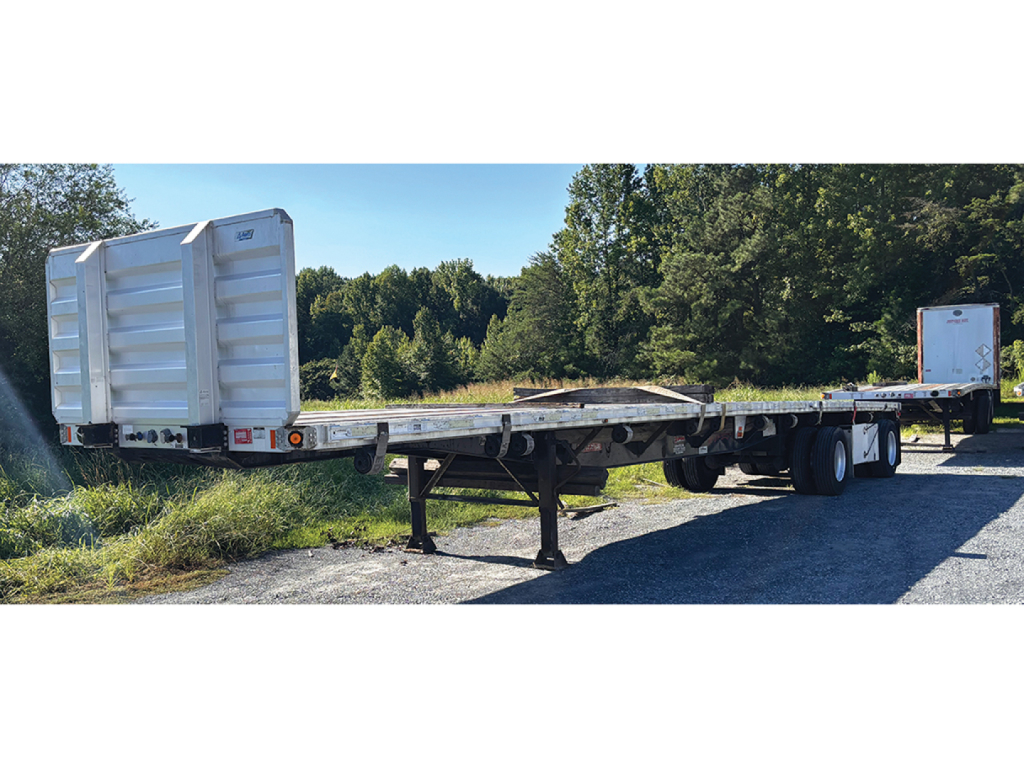
Deck material is one of the biggest buying decisions in this category. A 2006 flatbed may be all-aluminum, steel, or an aluminum and steel composite design. Aluminum trailers typically help reduce tare weight and improve payload, while steel components can offer durability in high-stress areas. Buyers should inspect the floor carefully for soft spots, damaged sections, excessive gouging, and worn nail strips. If the trailer has a bulkhead, tool boxes, scuff protection, or other added equipment, those details can add everyday value for carriers handling mixed commodity loads.
Axle configuration and ride setup also deserve close attention. Many used flatbeds from this period are equipped with air ride suspension and spread axles, often paired with 22.5 low-profile tires and aluminum wheels. A spread axle flatbed can improve load distribution and stability, but it may also affect bridge law flexibility depending on the freight lane and operating state. In North Carolina, where flatbeds commonly move lumber, fabricated steel, equipment, and agricultural products, buyers should think about route type, loading dock access, and how often the trailer will be loaded by crane or forklift from the side.
For a used 2006 flatbed trailer, service history and prior use often tell the real story. A trailer that spent its life in general commodity service may present differently than one used in heavy steel hauling or rough jobsite work. Check for tire wear patterns, frame repairs, air system condition, brake condition, lighting updates, and signs of repeated overloading. Flatbed trailers are also known as open-deck trailers, and the best unit for your operation is usually the one with the right balance of weight, deck condition, suspension spec, and structural soundness for the freight you haul every week.
Frequently Asked Questions about Used 2006 Flatbed Trailers in North Carolina
What should I inspect first on a used 2006 flatbed trailer?
Start with the frame, crossmembers, kingpin area, suspension, brakes, and axle alignment. Structural condition is the most important factor on an older flatbed. Then inspect the deck surface, including aluminum floor sections, wood inserts if equipped, and nail strips for damage or wear. Uneven tire wear, visible repairs, and cracked welds can indicate heavier past use or maintenance issues.
Are 48-foot flatbed trailers from 2006 still a good fit for general freight?
Yes. A 48-foot flatbed remains a standard and useful size for many loads, including lumber, machinery, pipe, steel, and palletized materials. It offers broad freight compatibility and is easier to place into many existing fleets and lanes. The right choice depends less on the model year and more on deck condition, trailer weight, axle setup, and overall structural integrity.
Is an aluminum or composite flatbed better than steel on a 2006 trailer?
It depends on your freight and operating priorities. Aluminum and composite flatbeds usually weigh less, which can help maximize payload and improve fuel efficiency. Steel can offer strength and durability in certain applications but often adds tare weight. On a used 2006 trailer, the real comparison should focus on corrosion, fatigue, floor condition, and repair quality rather than material type alone.
Why do many used flatbeds have spread axles and air ride suspension?
Spread axles help distribute weight and can improve stability under many open-deck loads. Air ride suspension helps protect freight and can reduce shock transferred through the trailer. This combination is common on flatbeds used for construction materials, machinery, and other cargo that benefits from a smoother ride and balanced load support. Buyers should still confirm that the axle spacing and suspension condition fit their lanes and maintenance expectations.
What freight is commonly hauled on a flatbed trailer in North Carolina?
Flatbed trailers in North Carolina are commonly used for lumber, steel products, building materials, equipment, agricultural products, and palletized freight that does not require a van trailer. Side loading and overhead loading are common advantages in this market. Buyers should match deck length, width, axle configuration, and securement setup to the freight they expect to move most often.