
Used 2006 Flatbed Trailers For Sale
Browse used 2006 flatbed trailers for sale. Compare 48-53 ft specs, aluminum or steel construction, axle setups, deck ratings, and securement features.
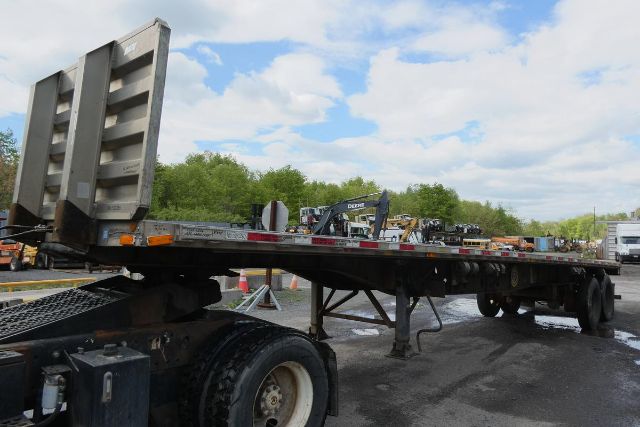
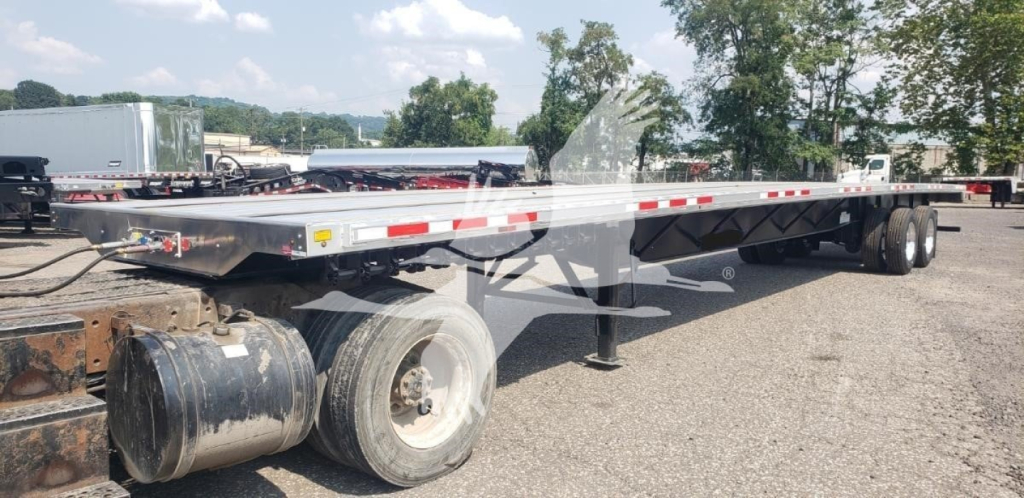
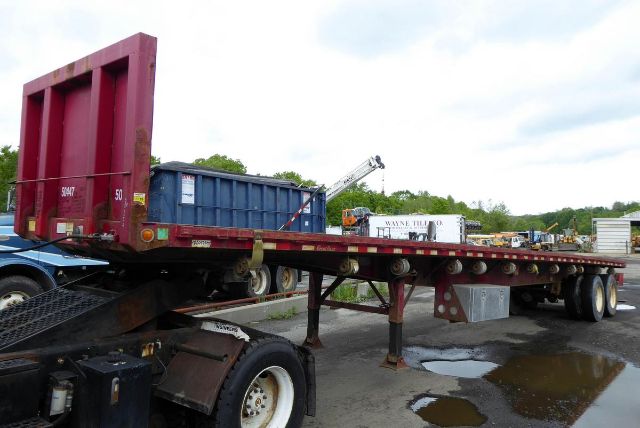

Selling a used 2006 flatbed trailer? List your used 2006 flatbed trailer for sale and reach thousands of commercial buyers.
Used 2006 Flatbed Trailers
Construction matters more than model year alone. A 2006 aluminum flatbed typically offers lower tare weight and more payload, which is valuable for dense freight and maximizing legal weight. A 2006 steel flatbed usually brings a lower purchase price and can be a good fit for tougher duty cycles, but corrosion, floor support condition, and overall structural repairs need a close inspection. Common flooring includes apitong wood or aluminum deck systems. Many buyers also look for winch tracks, sliding winches, pipe spools, coil package reinforcement, and rub rails in good condition, since replacing missing or damaged securement components adds cost quickly.
Suspension and axle setup are major decision points on a used flatbed trailer. Spring ride is common on older trailers and is straightforward to maintain, while air ride is often preferred for better protection on sensitive loads. Sliding tandems add flexibility for bridge law compliance and dock positioning, and kingpin setting can matter if the trailer will be paired with different tractors. Tire size, brake type, wheel material, landing gear condition, and ABS function should all be reviewed carefully on a 2006 trailer. On any older flatbed, maintenance history and evidence of proper repairs often matter more than brand name alone.
For many buyers, the right used 2006 flatbed is the one that matches the freight mix without forcing immediate rework. A trailer set up for coils, machinery, or general commodity hauling can save time if the deck layout and tie-down points already fit the operation. Look closely at legal load ratings in concentrated areas such as 4-foot or 10-foot sections, check for twists or prior impact damage, and inspect lights, wiring, and landing gear under load. A well-kept 2006 flatbed trailer can still be a dependable revenue unit when the structure is sound and the securement package matches the work.
Frequently Asked Questions about Used 2006 Flatbed Trailers
What should I inspect first on a used 2006 flatbed trailer?
Start with the main frame, crossmembers, floor, side rails, and suspension mounts. On a 2006 flatbed, structural condition is more important than cosmetic appearance. Look for cracked welds, bent rails, corrosion around stress points, soft or damaged decking, and repairs near the kingpin, slider rails, and rear impact area. Then verify brake function, tire condition, wheel ends, lighting, and landing gear operation.
Is an aluminum or steel 2006 flatbed trailer the better buy?
It depends on payload needs and operating environment. Aluminum flatbeds usually weigh less, which helps increase legal payload and fuel efficiency, and they resist corrosion well. Steel flatbeds are often less expensive to buy and can be a solid option for rugged use, but they require a closer look for rust, fatigue, and prior structural repairs. The better buy is the trailer with the sounder frame, deck, and maintenance history for the freight you haul.
What length is most common for a used 2006 flatbed trailer?
The most common lengths are 48 feet and 53 feet, typically with a 102-inch width. A 48-foot flatbed is still widely used in open-deck freight and can be easier to match with certain regional operations. A 53-foot flatbed offers more deck space for longer freight and can improve load flexibility. The right choice depends on customer freight dimensions, axle laws, and how often you need extra deck length.
Do older flatbed trailers still need features like winch tracks and coil packages?
Yes. Securement setup directly affects how versatile the trailer is. A full or partial winch track, sliding winches, pipe spools, chain tie-down points, and a proper coil package can save setup time and reduce retrofit expense. If you haul steel coils, concentrated loads, or machinery, reinforcement and securement layout matter as much as overall trailer condition. A trailer that already matches the freight profile is usually more economical than modifying one later.
How important is suspension type on a 2006 flatbed trailer?
Suspension type affects ride quality, maintenance, and cargo protection. Spring ride trailers are common, durable, and generally less complex to maintain. Air ride trailers are often preferred for fragile or high-value freight because they deliver a smoother ride. On a 2006 model, condition is the deciding factor. A well-maintained spring ride suspension is often a better purchase than a neglected air ride system with worn bags, valves, or trailing arm issues.