
Used 2006 Trailers For Sale in North Carolina
Browse used 2006 trailers for sale in North Carolina, including dry vans, flatbeds, reefers, dumps, and specialty trailers for regional fleets.
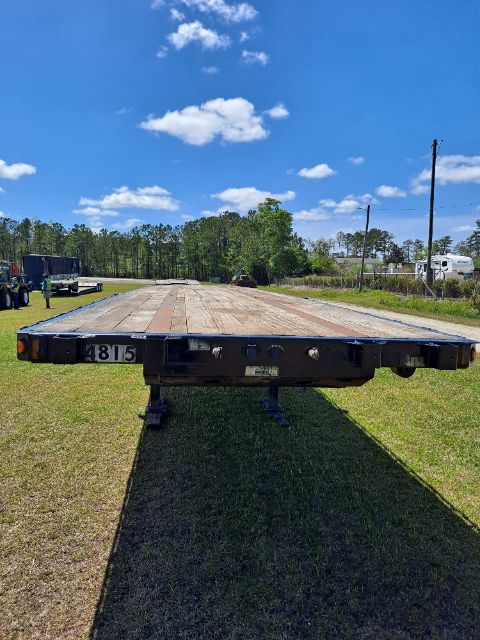
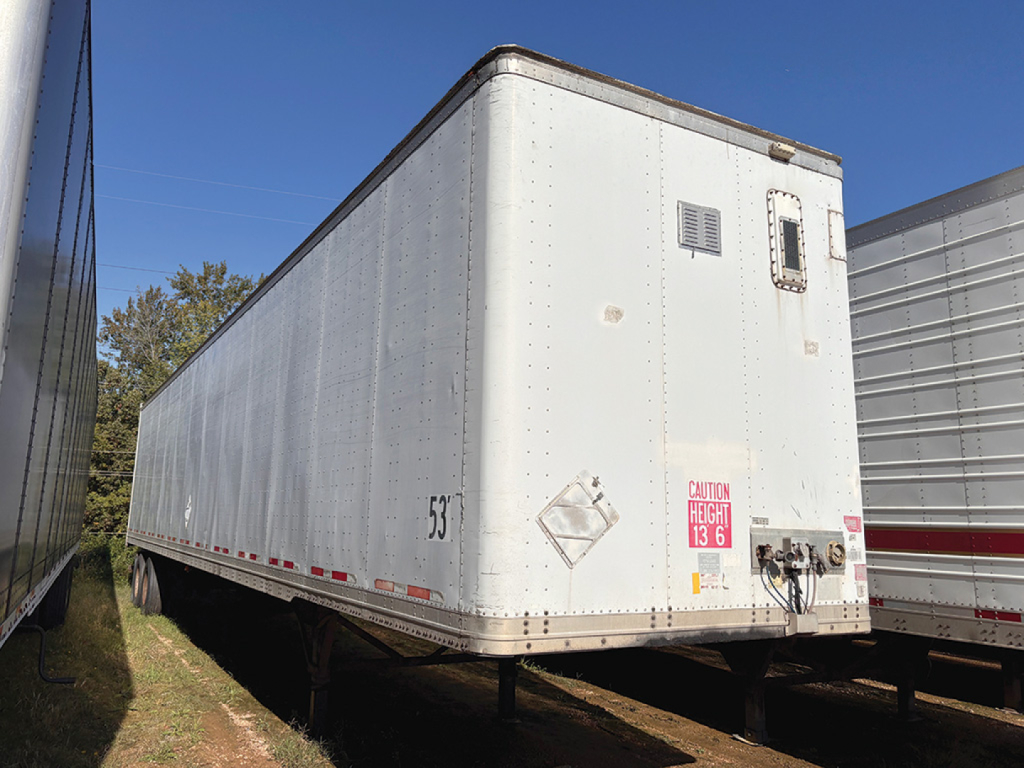
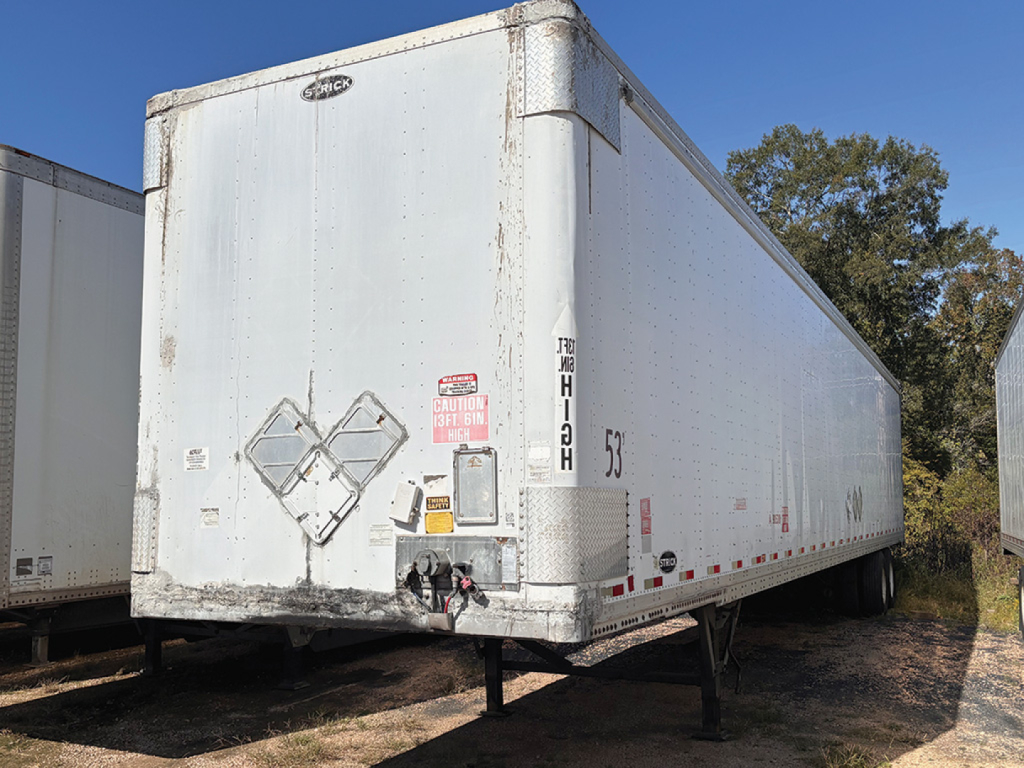

Selling a used 2006 trailer? List your used 2006 trailer for sale and reach thousands of commercial buyers.
Used 2006 Trailers in North Carolina
The 2006 trailer market can include dry vans, refrigerated trailers, flatbeds, drop decks, dumps, lowboys, and other specialty configurations. Dry vans from this era are commonly 53 feet long and 102 inches wide, often with swing doors or roll-up doors, wood floors, scuff liners, logistics posts, and sliding tandems. Flatbeds and step decks may have aluminum or steel construction, spread or closed tandem axles, and deck lengths suited for building materials, machinery, and general freight. Refrigerated trailers in this age bracket require close attention to reefer unit hours, insulation performance, door seals, chute condition, and any history of major unit rebuilds. Dump and construction trailers should be evaluated for tub wear, hoist condition, hinge points, and signs of hard use around the suspension and frame.
A buyer comparing used 2006 trailers in North Carolina should pay attention to where and how the trailer has worked. Coastal use can accelerate corrosion on frames, fasteners, wiring, and air system components. Regional highway service is usually easier on a trailer than repeated dock impacts, off-pavement use, or dense urban distribution. Check tire age along with tread depth, confirm brake chamber and slack adjuster condition, inspect air bags or spring packs, and look at the tandem slide rails for wear or damage. On van trailers, common decision points include roof bow condition, front wall repairs, floor thickness, thresholds, and door alignment. On open-deck trailers, look closely at deck condition, landing gear, winch track wear, and any cracks around concentrated load areas.
For many buyers, the value of a 2006 trailer comes down to serviceability and parts support. Standard running gear, common axle ratings, and widely available brake and suspension components make older trailers easier to keep in service. Verify VIN plates, GAWR, kingpin condition, FHWA lighting compliance, and any state inspection requirements before purchase. If the trailer will be used for dock loading, palletized freight, equipment hauling, or agricultural work, match the configuration to the lane instead of buying only on price. A lower-cost older trailer can perform well for the right application, but the best purchase is usually the one with the clearest maintenance history, the least structural compromise, and specs that fit your freight from day one.
Frequently Asked Questions about Used 2006 Trailers in North Carolina
What should I inspect first on a used 2006 trailer?
Start with the structure. Inspect the main rails, crossmembers, floor, suspension mounts, kingpin area, and rear frame for cracks, corrosion, impact damage, or poor repairs. After that, check brakes, tires, wheel ends, lights, air lines, and the condition of doors, roof, or deck components depending on trailer type. On a 2006 trailer, structural condition and maintenance history usually matter more than appearance.
Are 2006 trailers still a good buy for commercial use?
They can be, especially for regional hauling, seasonal demand, storage, farm use, or backup fleet capacity. The key is to buy based on condition, not just year. Many 2006 trailers remain serviceable if they have straight frames, solid floors or decks, reliable running gear, and parts that are still easy to source. Buyers should budget for catch-up maintenance on older units and confirm the trailer meets the needs of the intended lane and commodity.
What trailer types are commonly found in the 2006 used market?
The used 2006 market often includes dry van trailers, refrigerated trailers, flatbeds, step decks, dump trailers, and some lowboy or specialty units. Dry vans are common in fleet resale channels and often feature 53-foot lengths, 102-inch width, sliding tandems, and logistics-ready interiors. Construction and open-deck equipment from this year range is also common, but condition can vary widely depending on prior use.
How important is corrosion when buying a used trailer in North Carolina?
Corrosion is a major factor, especially for trailers that have seen coastal service, fertilizer loads, or prolonged outdoor storage. Surface rust is common on older steel components, but deep corrosion around suspension hangers, crossmembers, landing gear mounts, wiring supports, and rear frame sections can become a safety and repair-cost issue. Buyers should distinguish between normal aging and structural rust that affects longevity or compliance.
What specs matter most when comparing older dry van trailers?
For older dry vans, focus on trailer length, inside height, door type, floor condition, logistics track layout, tandem slider function, suspension type, tire size, and overall tare weight. Also inspect the roof, front wall, thresholds, and rear frame because these areas often reveal how the trailer was used and maintained. A van with a sound floor, tight doors, and a straight tandem slider is generally more useful than one with cosmetic appeal but heavy structural wear.