
Used 2024 Trailers For Sale in North Carolina
Browse used 2024 trailers for sale in North Carolina, including dry vans, reefers, and other trailer types with current fleet-ready specs.
Learn more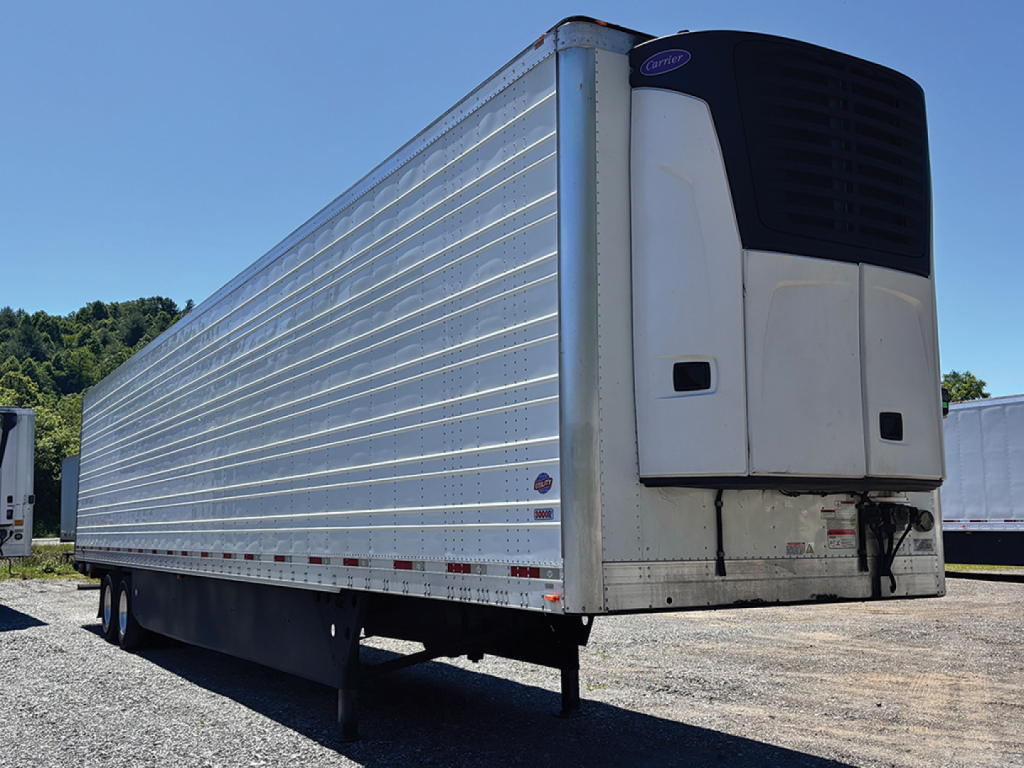
Have used 2024 trailer to sell? List it here to reach thousands of buyers.
About Used 2024 Trailers in North Carolina
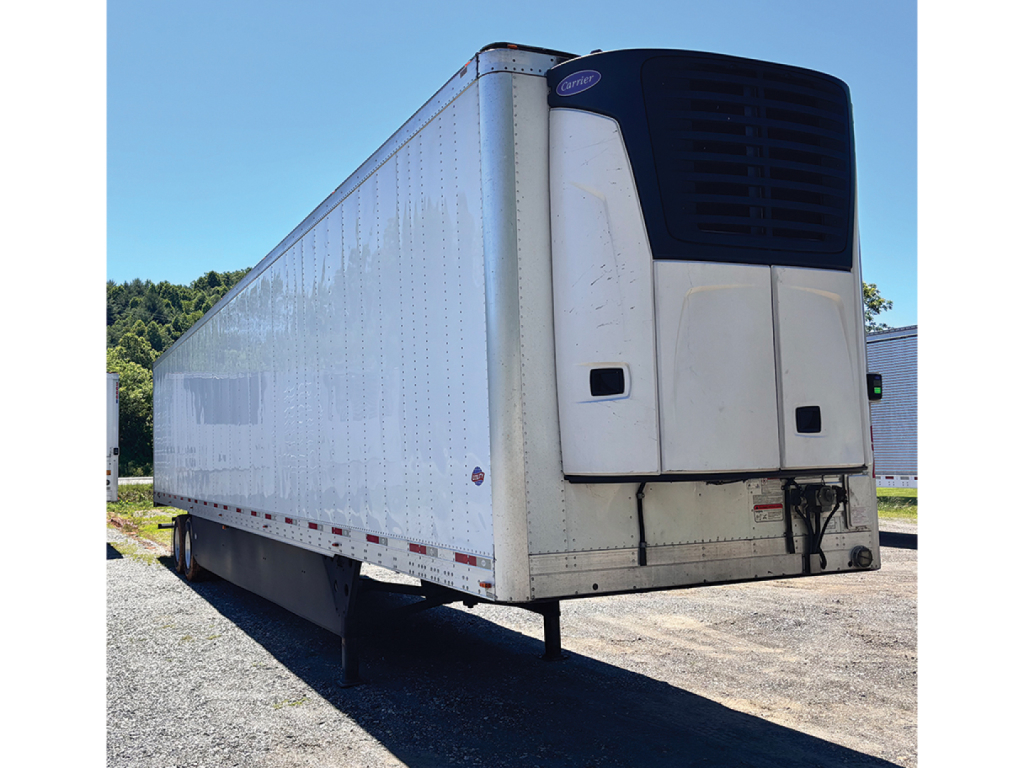
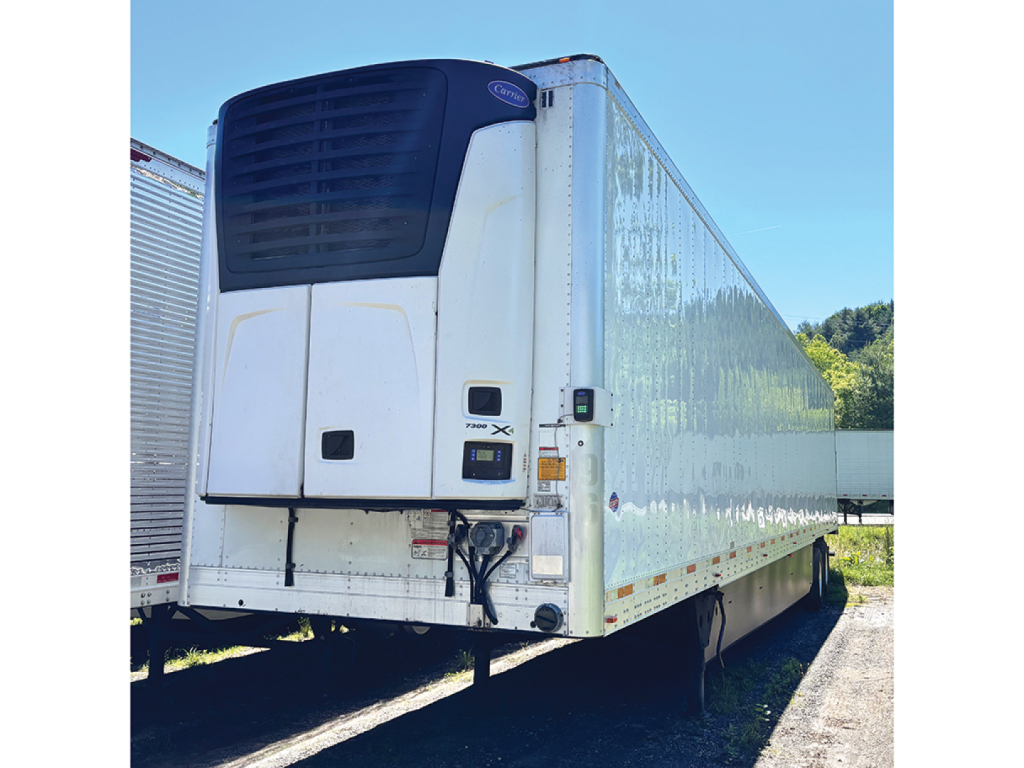
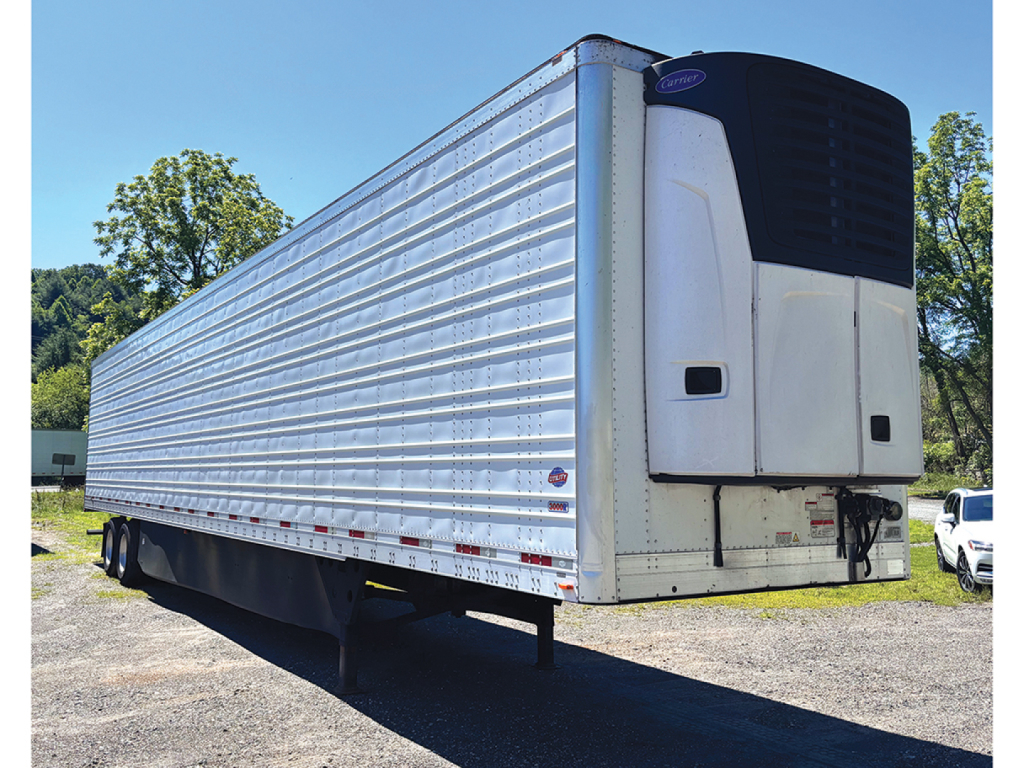
For van and reefer buyers, common late-model specs include 102-inch width, 13-foot 6-inch overall height, swing doors, sliding tandems, and 22.5 low-profile tires. Dry vans may be equipped with composite or plate sidewalls, wood floors, scuff liners, threshold plates, logistics posts, and tire inflation systems. Reefers typically add aluminum duct floors, insulated walls, rear vents, cold chutes, and a Thermo King or Carrier unit sized for food-grade or multi-stop work. Suspension choice still matters. Air ride is often preferred for ride quality and freight protection, while spring ride can lower cost and simplify maintenance depending on the application.
A used 2024 trailer should be evaluated less by age alone and more by configuration and service history. Buyers should verify kingpin setting, inside height, door opening dimensions, floor condition, brake type, tire date codes, and tandem slider operation. On reefers, unit hours, maintenance records, evaporator condition, and fuel system condition are just as important as the trailer body. In North Carolina, trailers that run port freight, distribution lanes, furniture, foodservice, and agricultural products may show very different wear patterns, so body integrity, roof condition, crossmember condition, and rear frame area deserve a close look.
The advantage of this category is that a 2024 used trailer can still align closely with current fleet standards on safety and operational efficiency. Features like aerodynamic skirts, disc wheels, air ride suspensions, tire inflation systems, and logistics-ready interiors can reduce operating friction from day one. Buyers comparing multiple listings should match the trailer to cargo type first, then to axle spread, suspension, lining, flooring, and door setup. That approach usually leads to a better long-term purchase than shopping by year alone.
Frequently Asked Questions
What should I look for when buying a used 2024 trailer?
Start with the trailer's actual spec and prior application, not just the model year. Check length, width, inside height, kingpin setting, tandem slider function, suspension type, brake setup, tire condition, floor wear, door frame condition, and signs of structural repair. On refrigerated trailers, reefer unit hours, service records, insulation integrity, duct floor condition, and proper temperature pull-down are critical. A late-model trailer can still be a poor fit if the configuration does not match the freight or lane.
Are used 2024 dry vans and reefers worth the premium over older trailers?
In many cases, yes, because a 2024 trailer may offer better spec alignment with current fleet needs and less accumulated wear than an older unit. Buyers often gain newer components, improved aerodynamic features, cleaner interiors, and lower near-term maintenance risk. The value depends on usage history and maintenance discipline. A heavily worked late-model trailer may not be a better buy than an older trailer with excellent records and lighter service.
What trailer specs matter most for North Carolina operations?
North Carolina fleets often pay close attention to trailer specs that support regional distribution, port moves, food freight, and furniture hauling. Sliding tandems, durable floors, logistics posts, scuff liners, and air ride suspension are common priorities on vans. Reefer buyers often focus on unit reliability, duct floor condition, and insulated body integrity. If the trailer will run dense freight, tare weight and floor rating matter. If it will run dock-to-dock distribution, rear frame condition and door hardware matter more than cosmetic appearance.
How do I choose between air ride and spring ride on a used trailer?
Air ride is generally preferred when freight protection, ride quality, and dock stability are important. It is common on van and reefer applications where cargo damage is a concern. Spring ride can be a practical choice for buyers prioritizing lower purchase cost and simpler maintenance. The right decision depends on cargo sensitivity, lane conditions, maintenance capacity, and resale goals. Neither setup is automatically better in every operation.
Do late-model used trailers usually include fleet-focused features?
Many do, especially units originally ordered by larger fleets or dedicated carriers. Common features on late-model trailers include tire inflation systems, aerodynamic side skirts, logistics-ready interiors, scuff plates, threshold protection, disc wheels, and sliding tandems. Reefers may also include stainless door frames, rear vents, cold chutes, and heavy-duty aluminum floors. These features can improve durability and day-to-day efficiency, but buyers should still confirm condition and function rather than assuming a feature is fully serviceable.