
Used 2024 Reefer Trailers For Sale in North Carolina
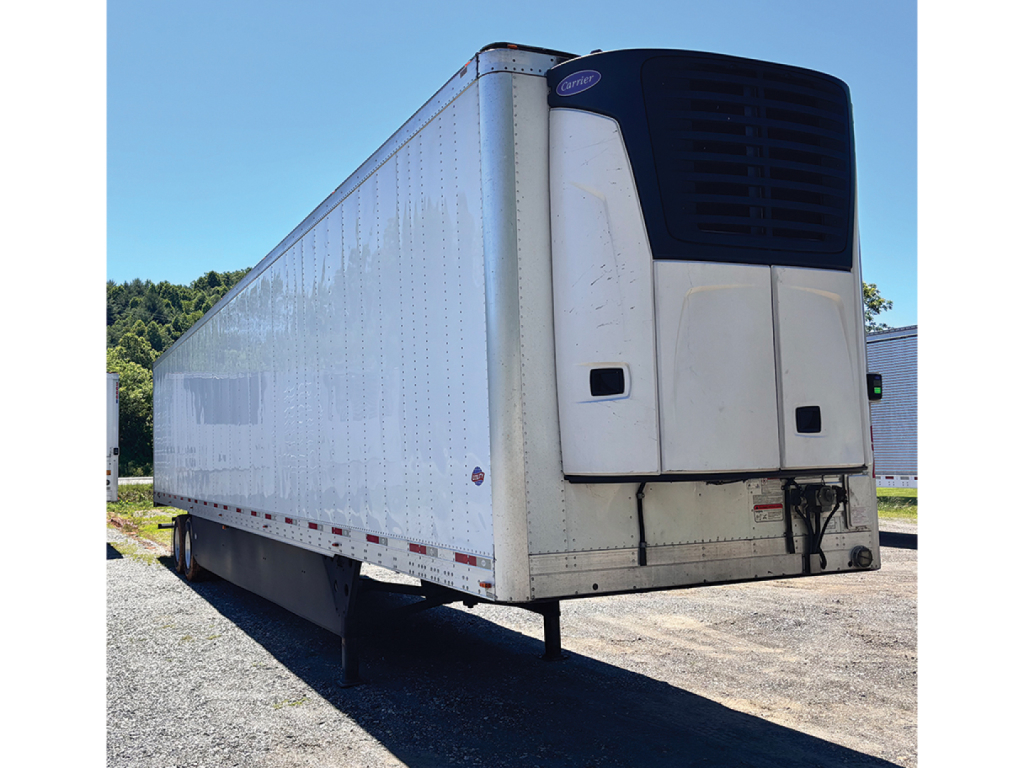
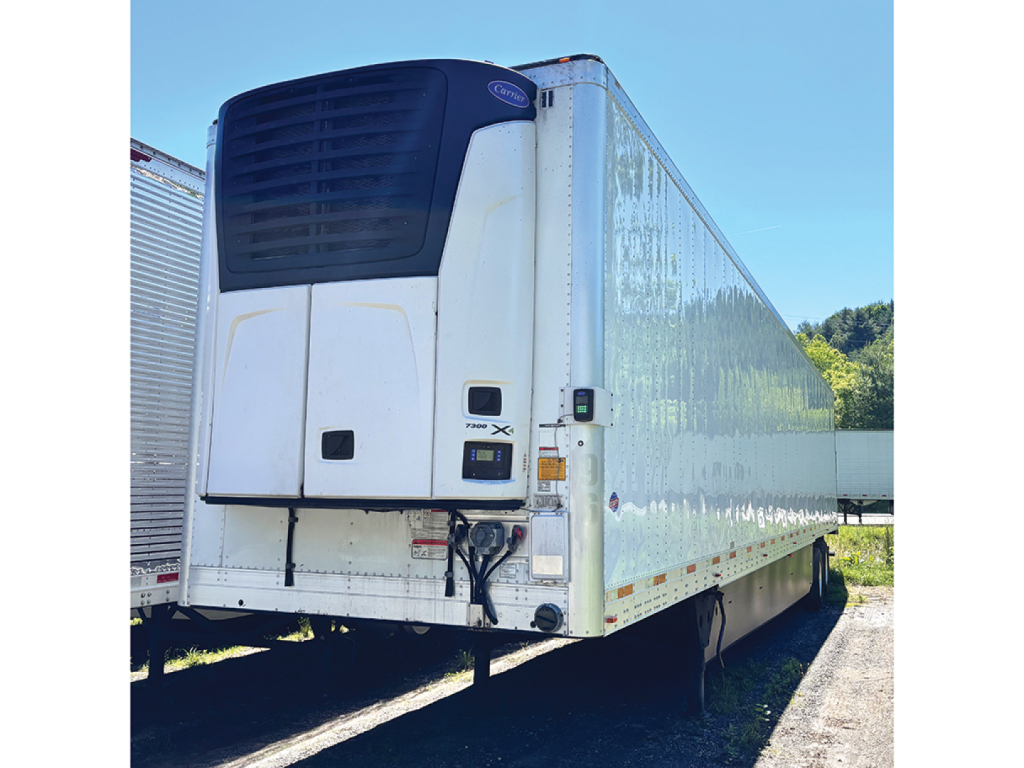
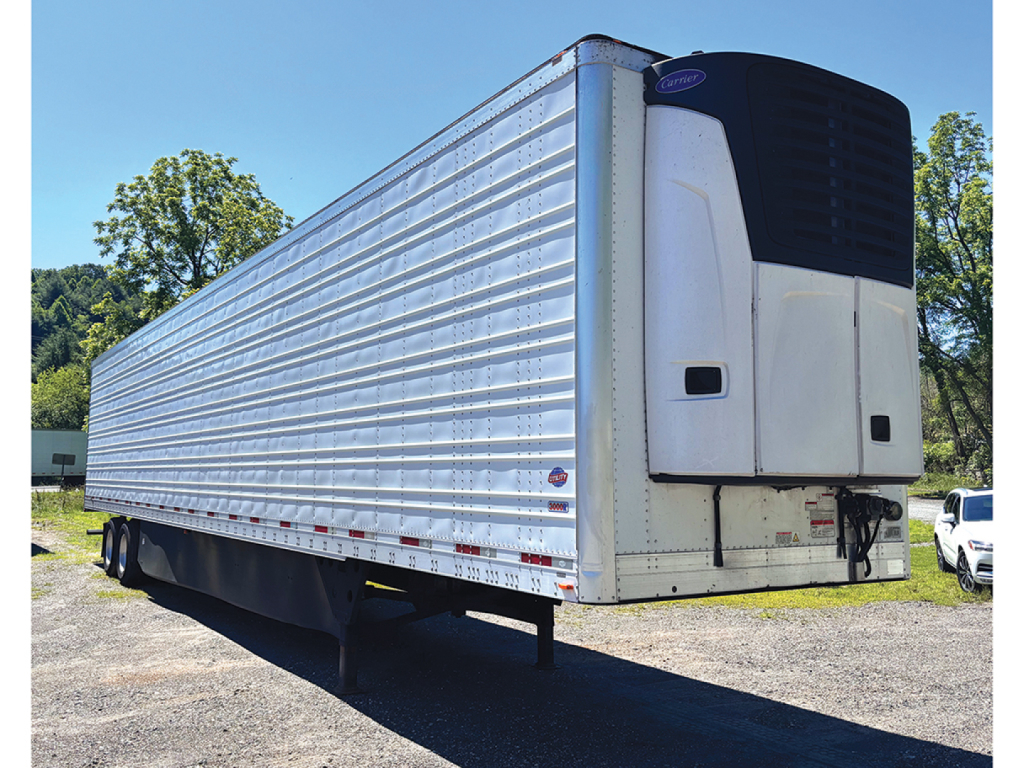
Browse used 2024 reefer trailers for sale in North Carolina, including 53-foot refrigerated trailers with late-model Carrier or Thermo King units.
Learn more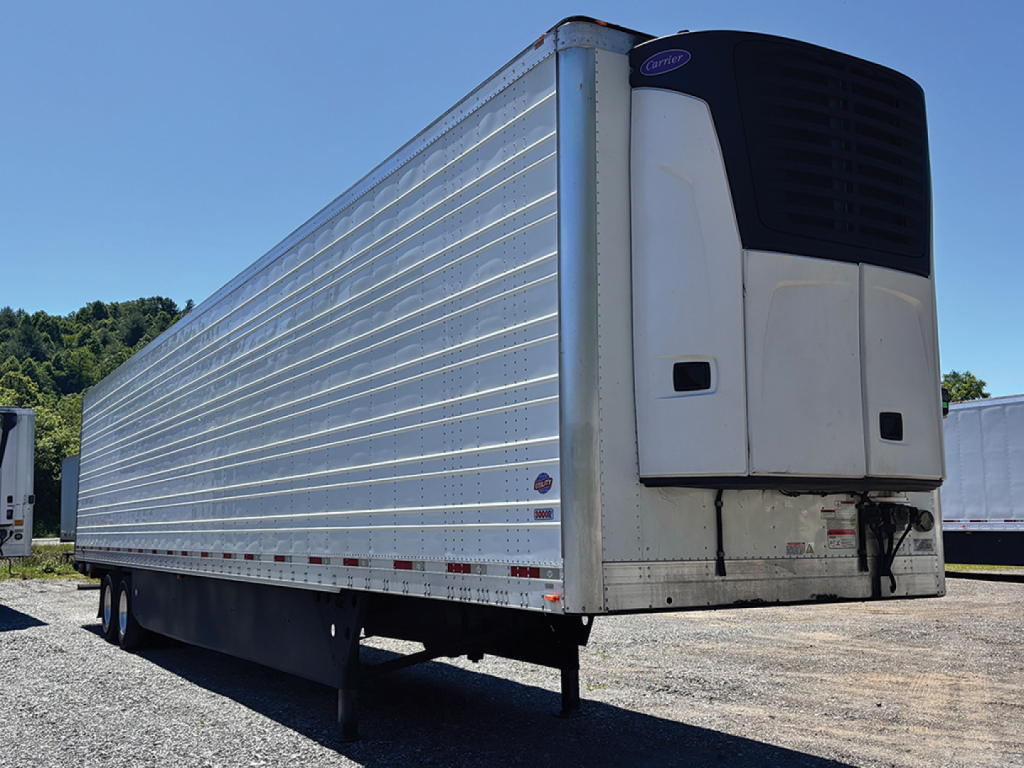
Have used 2024 reefer trailer to sell? List it here to reach thousands of buyers.
About Used 2024 Reefer Trailers in North Carolina
The reefer unit deserves as much attention as the trailer body. Late-model 2024 refrigerated trailers often carry Carrier X4 or Vector series units, with some fleets preferring Thermo King Precedent platforms depending on service network and maintenance history. Buyers should confirm engine hours, unit hours, start-stop versus continuous run programming, temperature setpoint accuracy, and whether the trailer has been used in single-temp or multi-temp service. Interior configuration matters too. A heavy-duty aluminum duct floor helps maintain airflow under the load, while a cold chute improves return air management and can make a noticeable difference on sensitive freight. E-track, scuff liners or scuff plate, stainless front radius panels, and stainless rear door frames are all signs the trailer was spec'd for frequent loading and reduced wear.
Suspension, door style, and rear setup should match the freight profile. Air ride suspension is common on higher-spec reefer trailers because it helps protect delicate product and reduce cargo shift, while sliding tandems give operators flexibility on bridge laws and dock positioning. Swing doors remain common for full-load operations and easier full-width access, while roll-up doors can make sense in route delivery applications where repeated stops are the norm. Tire inflation systems, low-profile 22.5 tires, aluminum or disc wheels, side skirts, and aerodynamic features can all affect operating cost over the life of the trailer. Buyers should also inspect floor condition, wall integrity, roof repairs, drain function, door seal compression, and evaporator and condenser condition, because small refrigeration-related defects can turn into claim exposure quickly.
A used 2024 reefer trailer is often attractive because it may still reflect modern fleet specs and emissions-era refrigeration technology without the age-related issues found in older refrigerated vans. Pay close attention to maintenance records, reefer PM intervals, calibration documentation, and any history of floor damage, punctures, or insulation repairs. If the trailer has tire inflation, air ride, side skirts, and stainless wear components, those features usually indicate a fleet-minded spec designed around uptime and resale. For buyers comparing several listings, the strongest value is rarely just the lowest purchase price. It is the combination of reefer unit condition, structural integrity, interior airflow design, and spec choices that fit the lanes the trailer will actually run.
Frequently Asked Questions
What should I look for first when buying a used 2024 reefer trailer?
Start with the refrigeration unit, trailer body condition, and maintenance history. Confirm the reefer make and model, total engine and unit hours, service records, and whether the unit holds setpoint consistently under load. Then inspect the floor, walls, roof, door seals, and front bulkhead for damage or repairs that could affect insulation performance. A late-model trailer can still become expensive quickly if the reefer unit has deferred maintenance or the body has hidden air leaks and moisture intrusion.
Are 53-foot reefer trailers the standard size in this category?
Yes. In the current market, the most common refrigerated trailer is a 53-foot by 102-inch reefer with a 13-foot 6-inch overall height. That size works well for grocery distribution, produce, frozen freight, and general cold chain applications. It also aligns with common dock layouts, fleet routing needs, and highway compliance requirements across most lanes, including heavy regional freight movement in North Carolina.
Which is better on a used reefer trailer: Carrier or Thermo King?
Neither brand is automatically better for every operation. Carrier and Thermo King both have strong market presence, broad parts support, and proven performance in refrigerated service. The better choice usually depends on local dealer coverage, technician familiarity, parts availability in your operating area, and the actual maintenance history of the unit you are considering. A well-maintained reefer from either brand is generally a better buy than a neglected one with a preferred badge.
Why do features like duct floors, cold chutes, and scuff plates matter on a reefer trailer?
These features directly affect cargo protection and trailer longevity. A duct floor helps maintain airflow under pallets so the refrigeration unit can circulate cold air evenly through the trailer. A cold chute improves air return and temperature consistency, especially on sensitive or dense loads. Scuff plates and interior wear protection reduce damage from forklifts and pallets, which helps preserve wall condition and lowers the chance of insulation or structural repairs later.
Is air ride suspension important on a refrigerated trailer?
For many buyers, yes. Air ride helps cushion the load, which matters when hauling produce, dairy, frozen food, pharmaceuticals, or other freight that can be damaged by excessive vibration. It can also reduce trailer shock and improve ride quality compared with basic suspension setups. While suspension choice should match the application, air ride is commonly seen as a desirable spec on late-model reefer trailers because it supports cargo protection and overall resale appeal.