
New Trailers For Sale in Oklahoma
Browse new trailers for sale in Oklahoma, including flatbed, drop deck, dump, and lowboy models built for freight, equipment, and aggregate work.
Selling a new trailer? List your new trailer for sale and reach thousands of commercial buyers.
New Trailers in Oklahoma
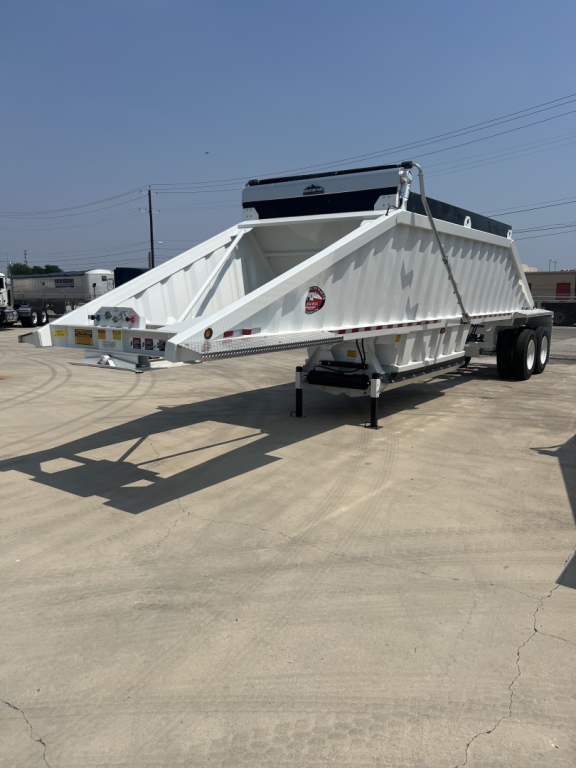
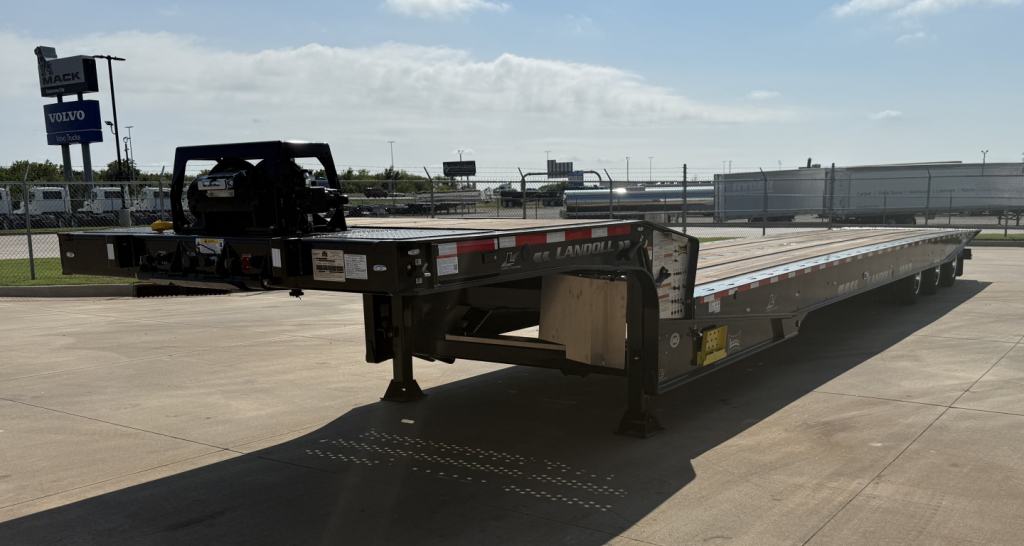
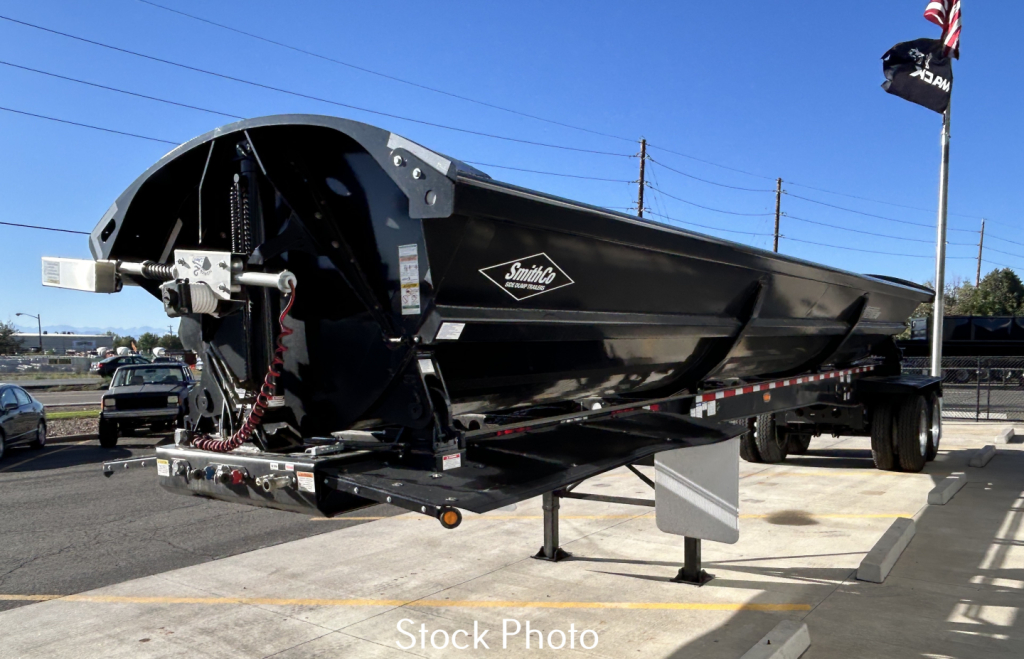
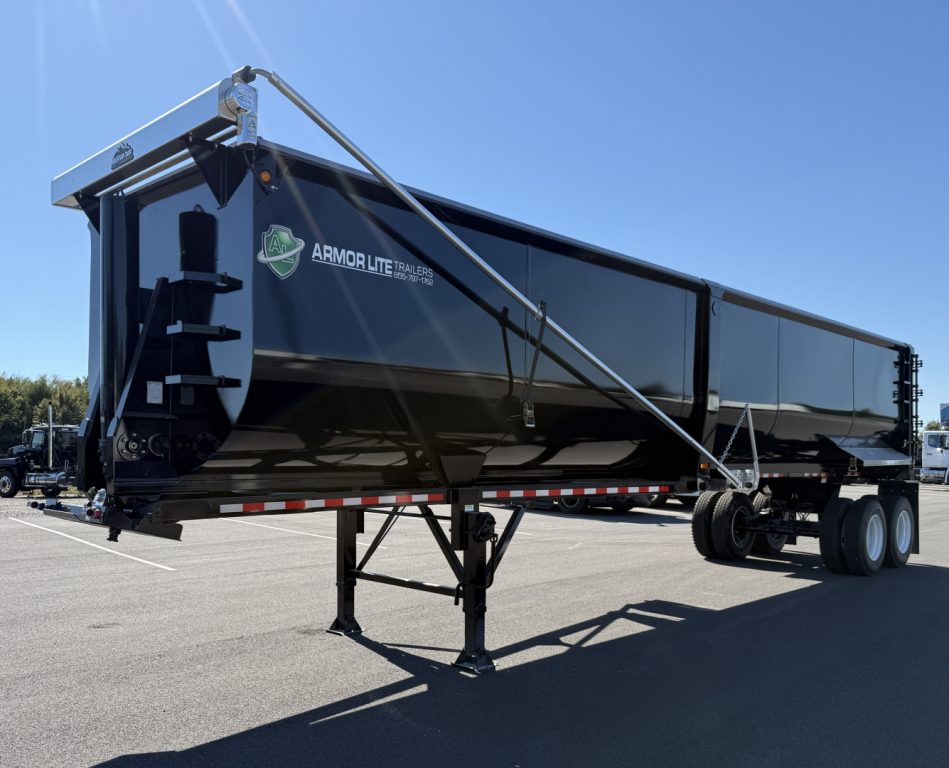
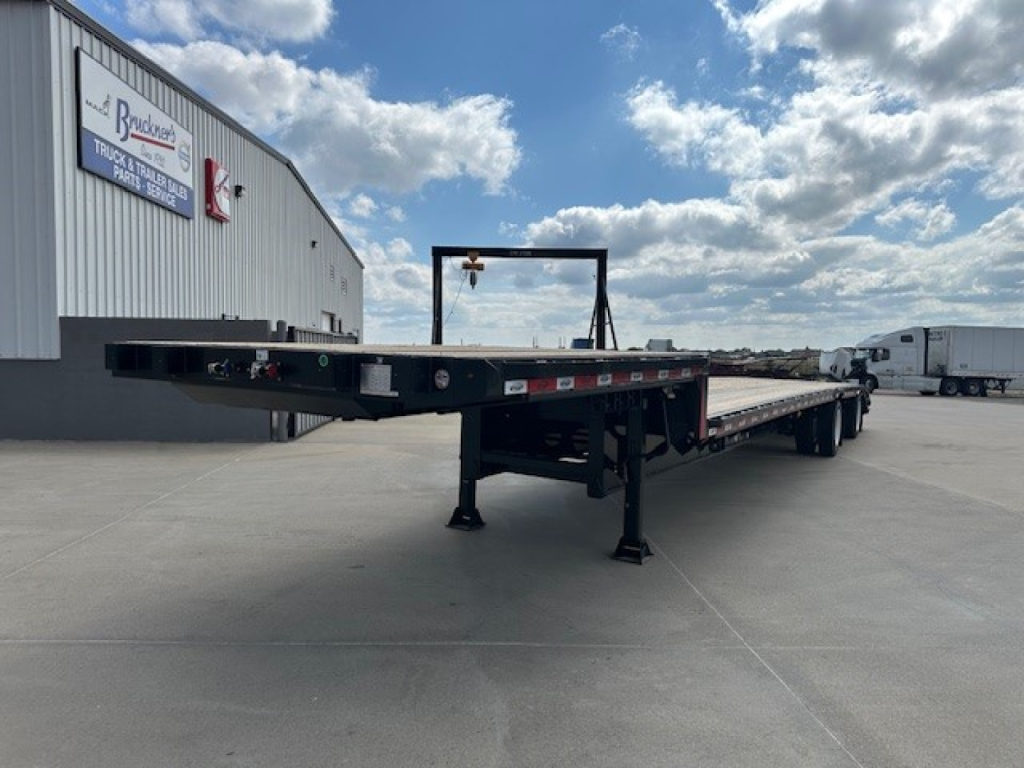
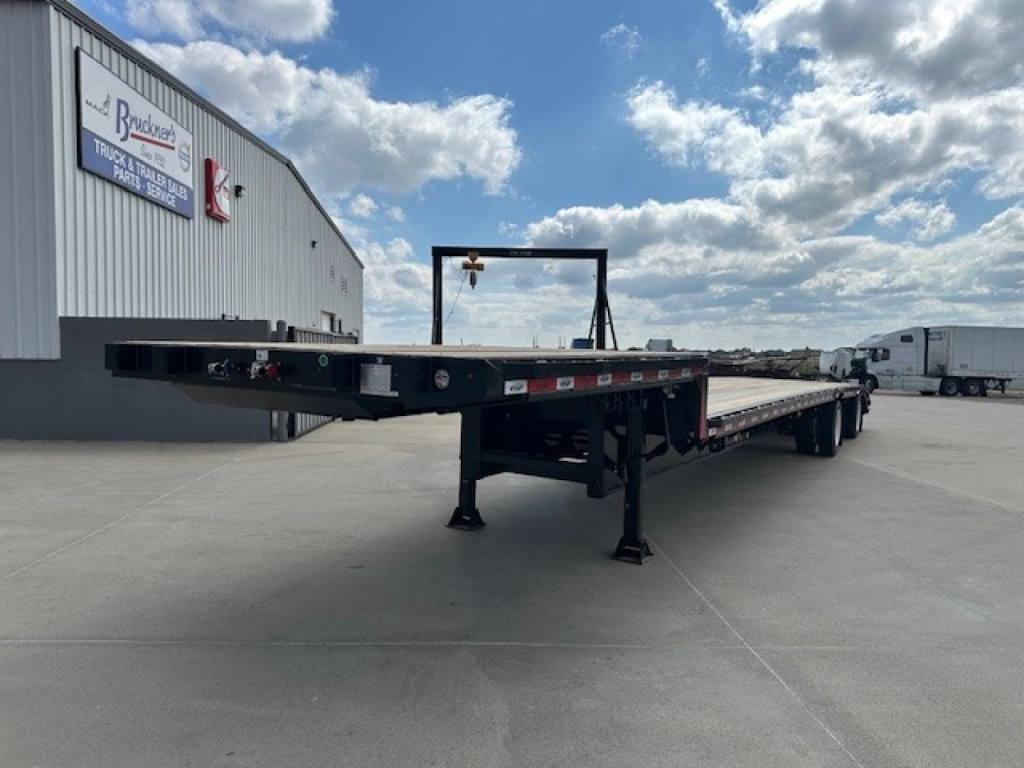
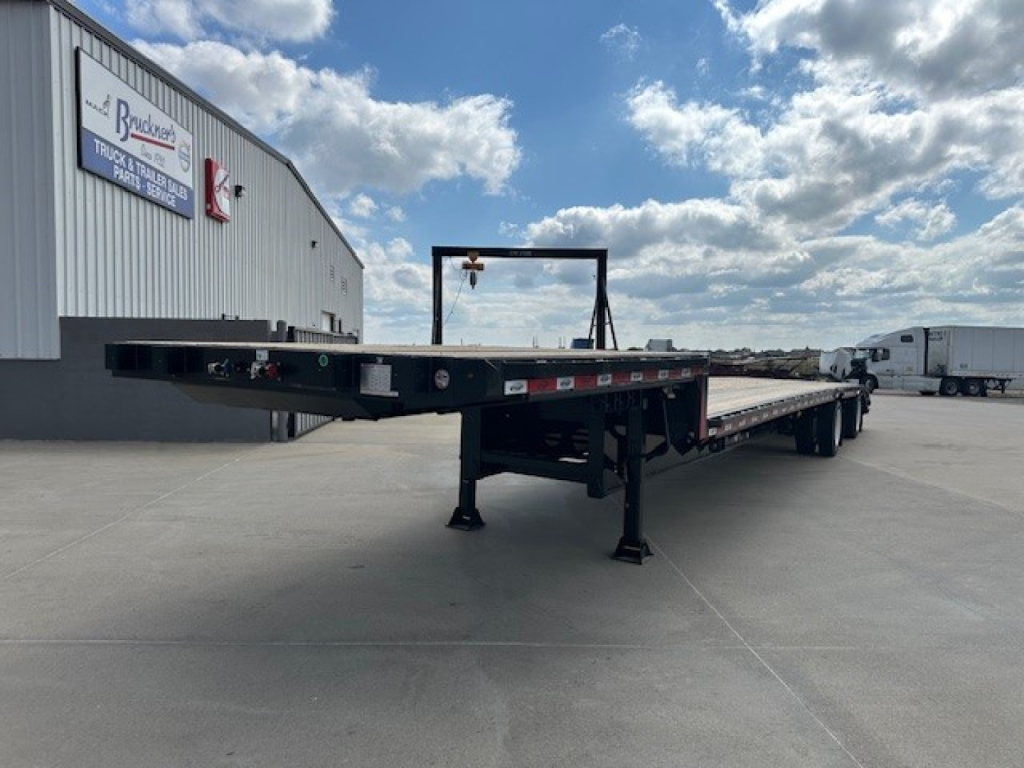
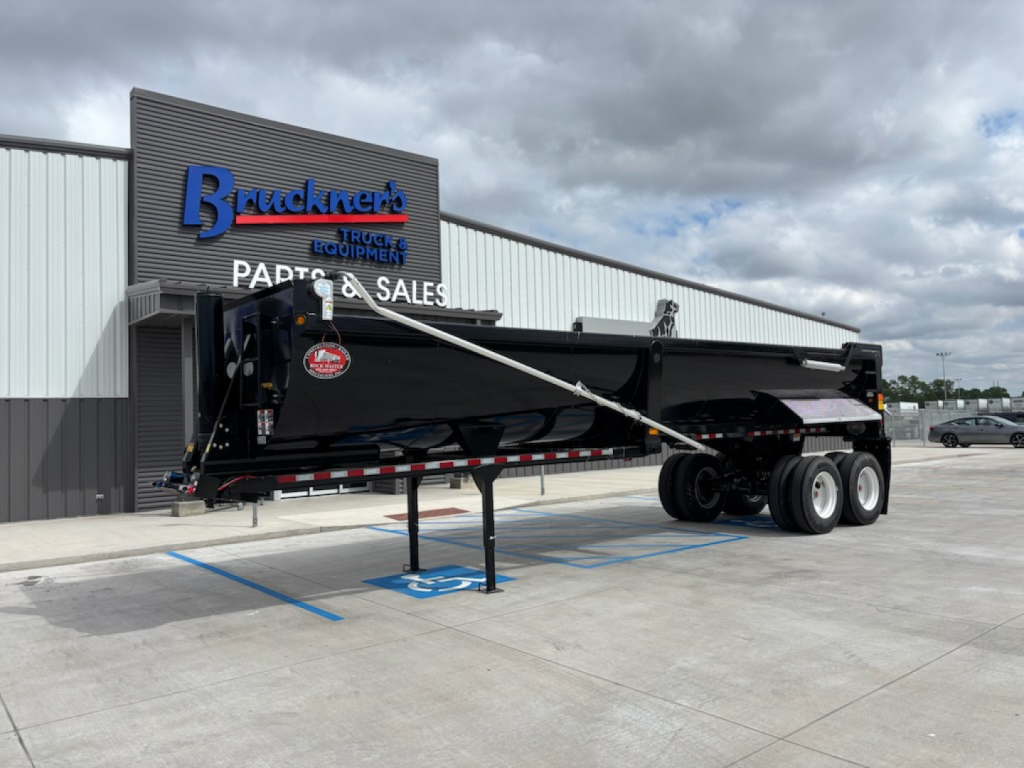
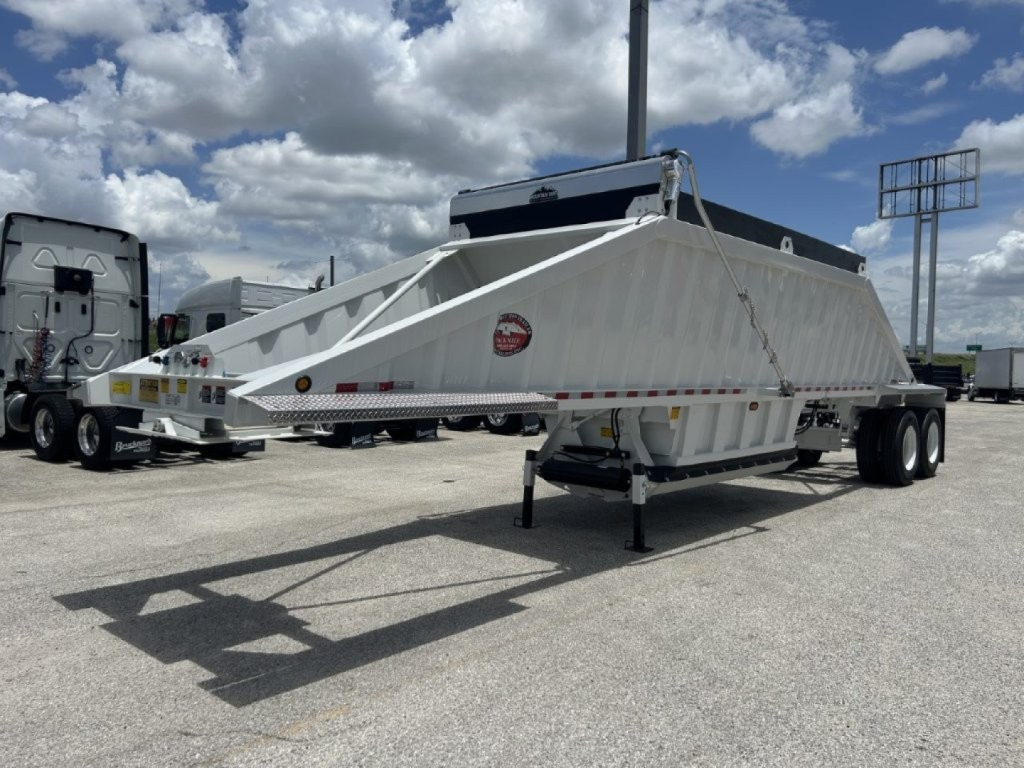
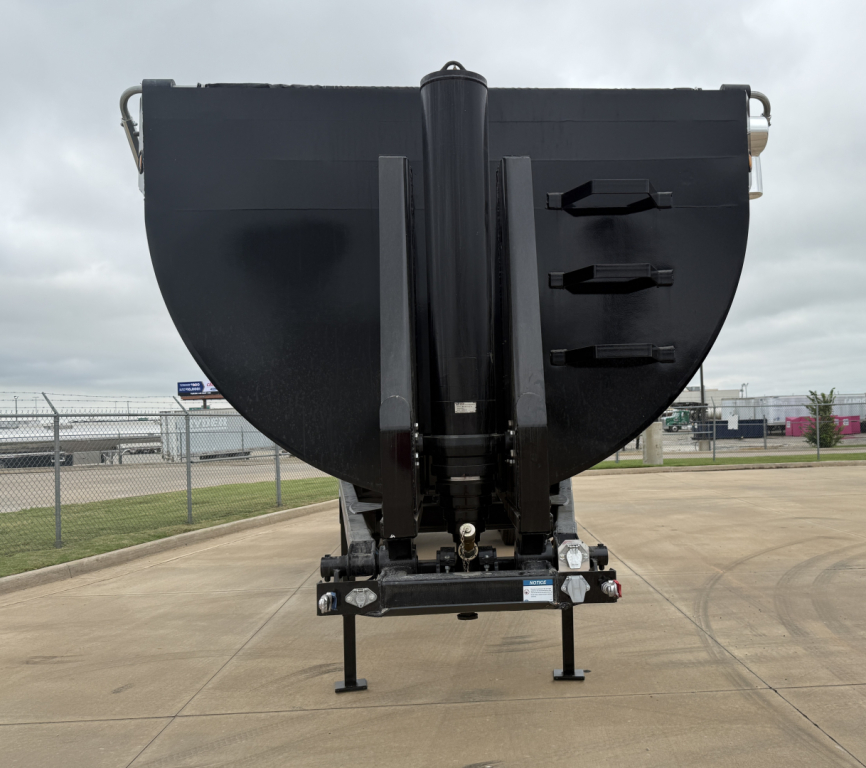
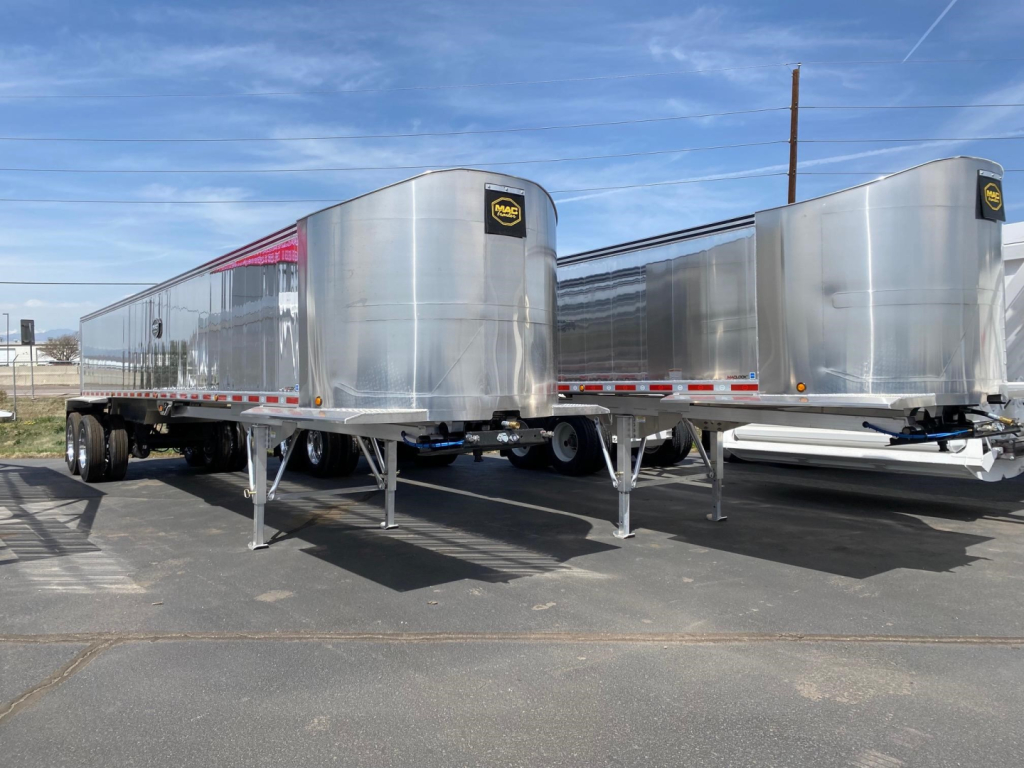
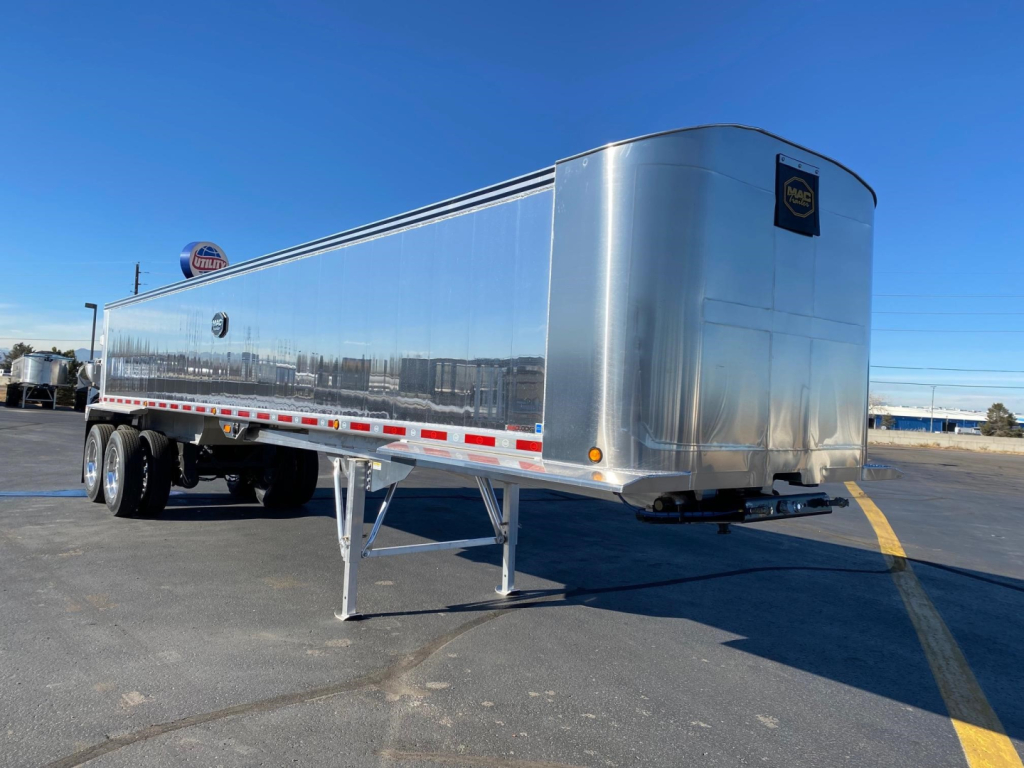
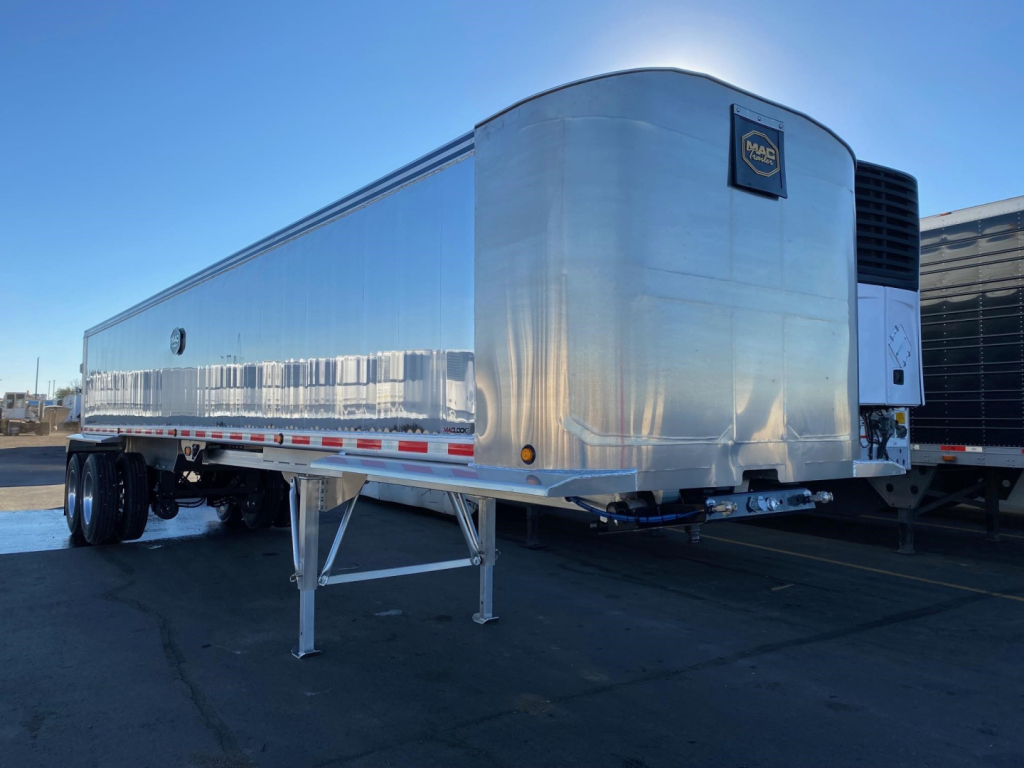
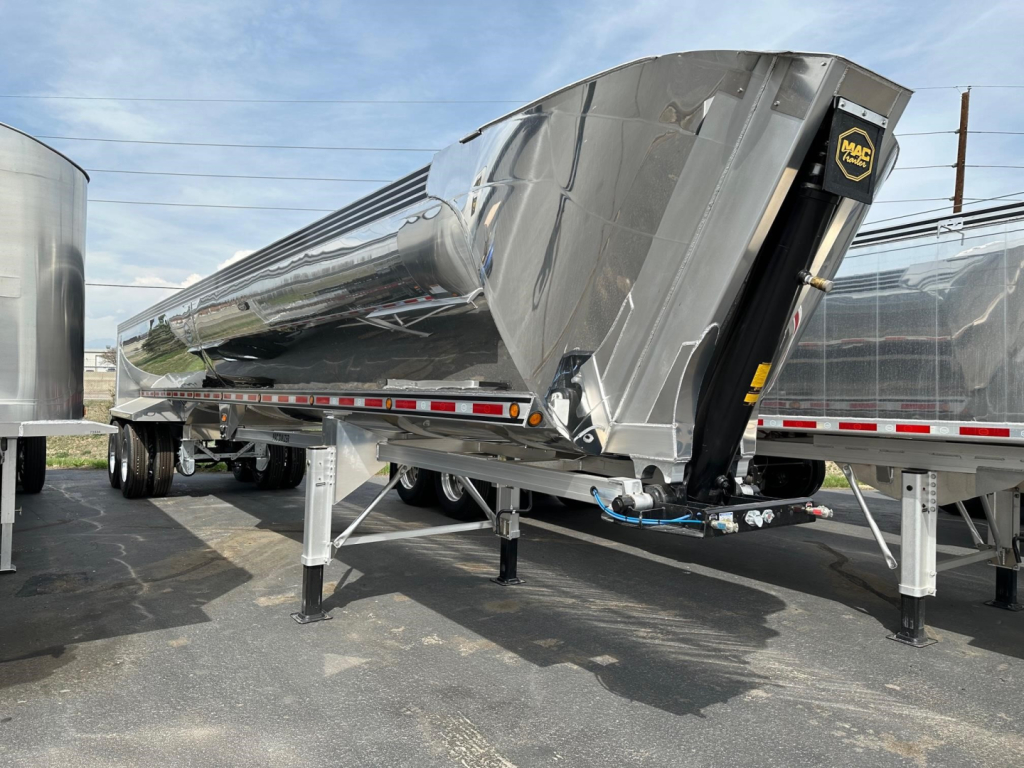
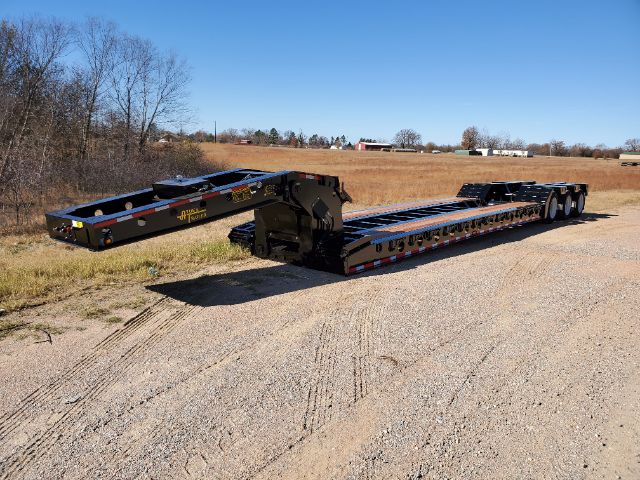
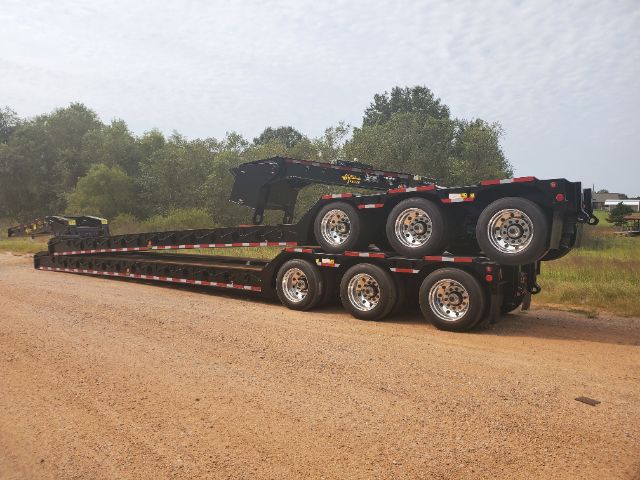
Spec decisions drive long-term operating cost as much as purchase price. Trailer length is often 48 or 53 feet in platform trailers, while dump trailers may be sized by cubic yard capacity and body length. Buyers in Oklahoma often focus on tandem versus spread axle layouts, air ride versus spring ride suspension, drum brakes, tire size, wheel material, and crossmember spacing. On flatbeds and drop decks, 12-inch on-center crossmembers, sliding winches, bulkheads, forklift kits, and coil packages are common options that affect cargo flexibility. On lowboys, a detachable gooseneck, well length, frame construction, axle provisions, deck material such as Apitong, and pony motor setup are key details. On dump trailers, slope sheets, tarp systems, push blocks, air tank size, fenders, and body composition have a direct impact on daily productivity.
New trailer buyers should also think about the freight they expect to haul most often, not just the heaviest or tallest load they may handle occasionally. A combo flatbed can reduce tare weight and improve payload, while an all-steel trailer may fit rough-service use better. Air ride is preferred for many freight applications where cargo protection and dock height consistency matter, but spring ride still has a place in severe-duty dump work. Spread axle drop decks can improve weight distribution and stability, while sliding tandems offer more flexibility for bridge law compliance and varying load placement. If the work involves loading equipment over the rear, beavertails, spring-assisted ramps, and ramp angle become important details, not minor add-ons.
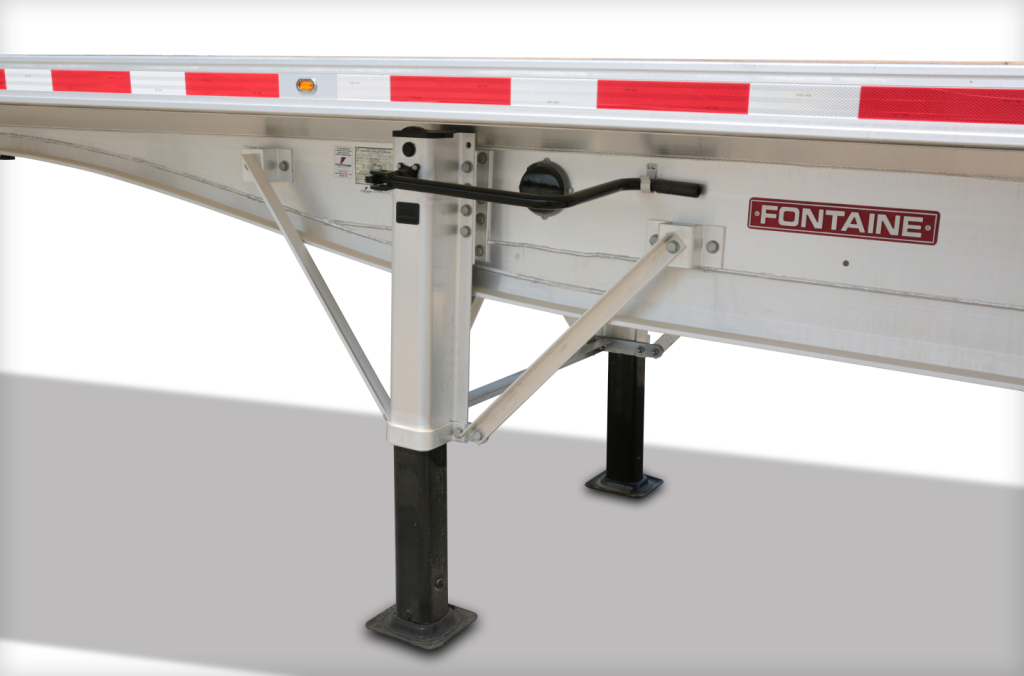
Oklahoma buyers also tend to value durable, serviceable trailer specs that hold up across mixed highway and jobsite use. LED lighting, heavy-duty landing gear, high-tensile steel frames, quality tarp systems, lift axles, and easy-access air controls all matter once the trailer is in daily rotation. New trailers also give buyers the advantage of current spec availability, cleaner maintenance starting points, and a configuration matched to the intended route and commodity. The best trailer is the one whose deck design, suspension, axle package, and securement setup fit the freight lane first, then the budget.
Frequently Asked Questions about New Trailers in Oklahoma
What type of new trailer is best for general freight in Oklahoma?
For general freight, a flatbed is usually the most versatile choice because it handles building products, steel, machinery, and palletized loads that need side or crane loading. A drop deck is often the better fit if the freight regularly pushes legal height limits. The decision usually comes down to cargo dimensions, securement needs, and whether loading flexibility or lower deck height matters more in your operation.
What is the difference between a drop deck and a lowboy trailer?
A drop deck, also called a step deck trailer, has an upper deck and a lower deck to create more loading height than a standard flatbed while still hauling over-the-road freight. A lowboy, especially an RGN or removable gooseneck, sits much lower and is built for heavier and taller equipment such as dozers, excavators, and other construction machinery. Lowboys are more specialized, while drop decks cover a broader range of freight applications.
Should I choose air ride or spring ride on a new trailer?
Air ride is common on flatbeds, drop decks, and many specialized trailers because it improves ride quality, helps protect cargo, and can offer better handling under varying load conditions. Spring ride is simpler and often preferred in severe-duty applications like dump trailers where ruggedness and lower complexity matter. The right suspension depends on cargo sensitivity, road conditions, maintenance preferences, and how much time the trailer spends on jobsites versus highway lanes.
What specs matter most when buying a new dump trailer?
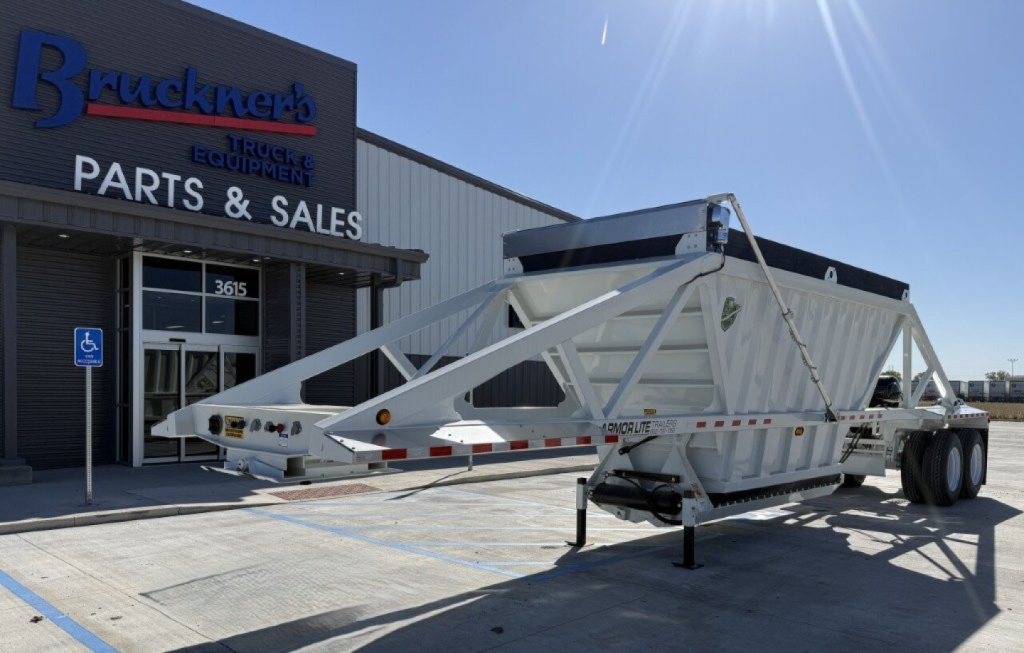
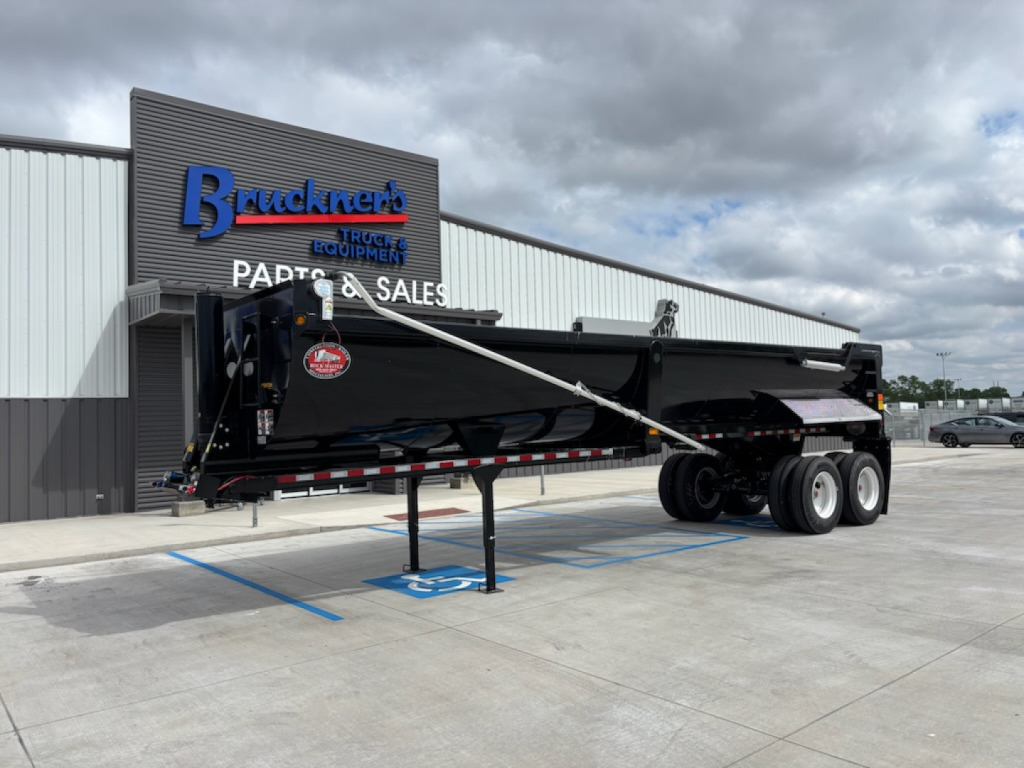
The most important dump trailer specs usually include body material, cubic yard capacity, suspension type, axle count, brake type, tarp system, slope sheets, and tire and wheel package. Buyers should also pay attention to push block design, air system components, and fender construction because those details affect unloading efficiency and durability in aggregate and construction service. A steel body often suits abrasive materials better, while the overall spec should match payload targets and site conditions.
Why do crossmember spacing and securement options matter on platform trailers?
Crossmember spacing affects deck support, durability, and how well the trailer handles concentrated load points. Closer spacing, such as 12-inch on-center, is often preferred for heavier freight or frequent forklift traffic. Securement equipment like sliding winches, coil packages, bulkheads, and forklift kits changes how many load types the trailer can handle efficiently, so these options directly affect utilization rather than serving as cosmetic upgrades.