
New Armor Lite Trailers For Sale in Oklahoma
Explore new Armor Lite dump trailers for sale in Oklahoma, including lightweight specs, body options, suspension choices, and hauling applications.
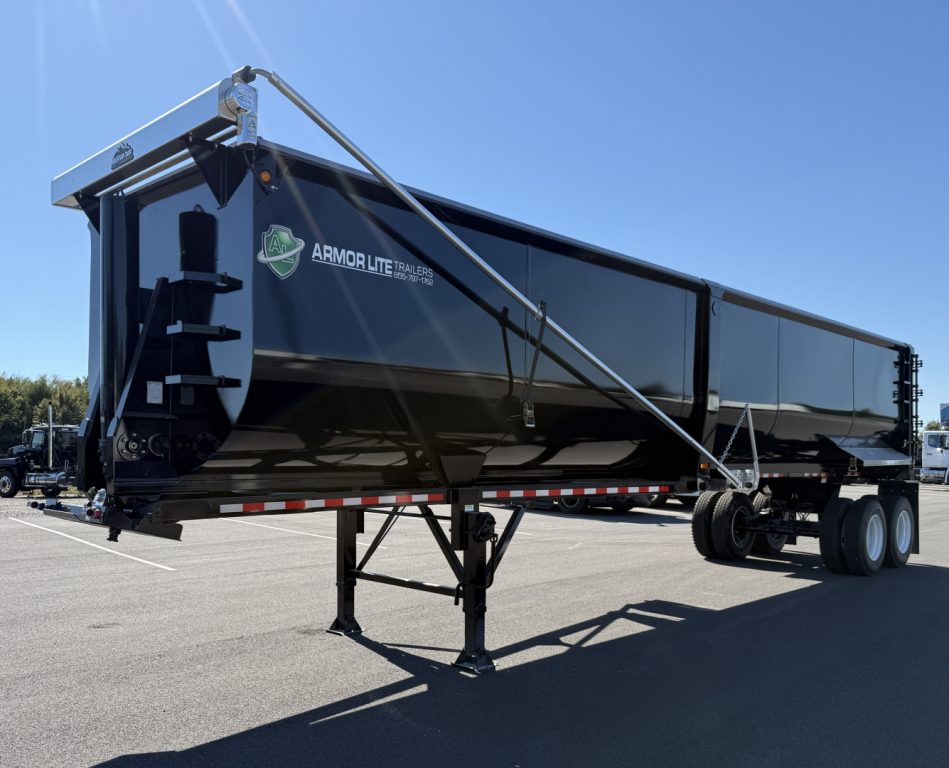
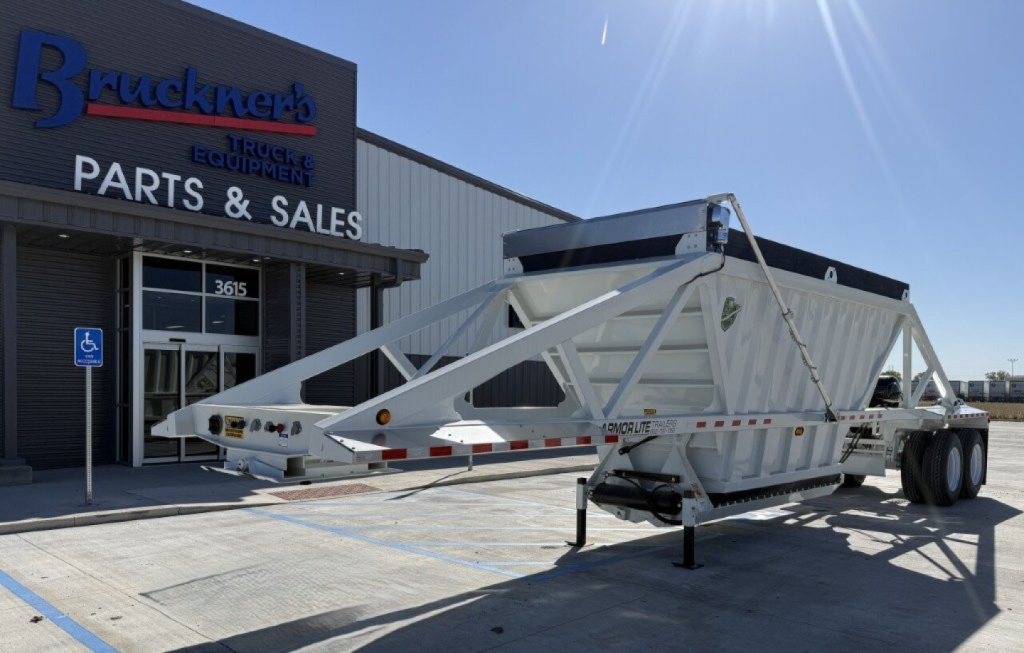
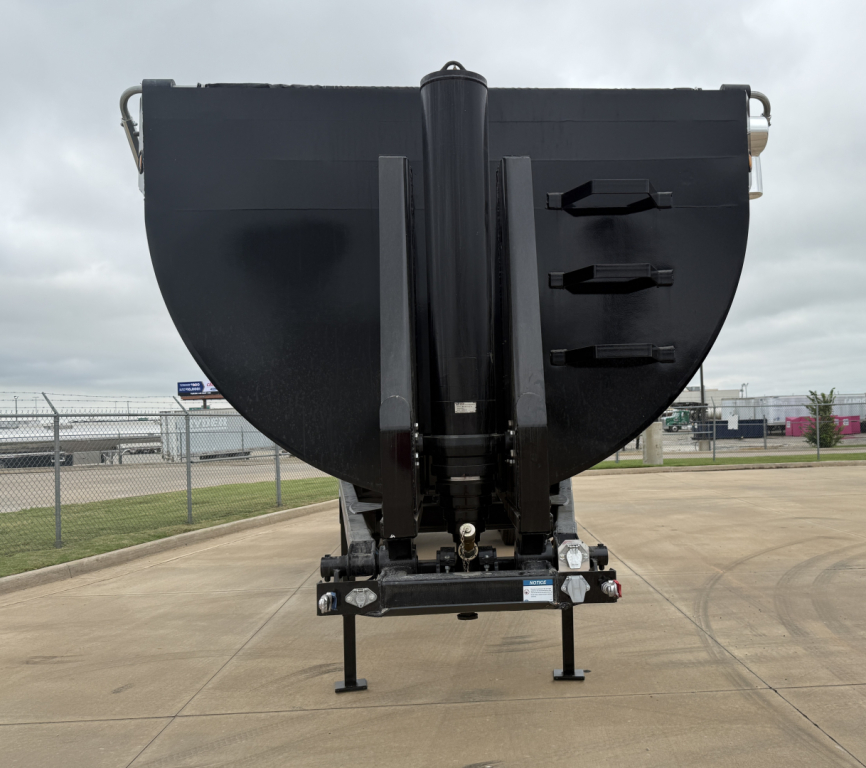
Selling a new armor lite trailer? List your new armor lite trailer for sale and reach thousands of commercial buyers.
New Armor Lite Trailers in Oklahoma
On dump configurations, the details that matter most are suspension, liner and rail design, tarp system, and gate setup. Common specs in this class include Ox or other abrasion-resistant steel tubs, self-shedding top rails, high-lift or barn gate arrangements, electric flip tarp systems, and single-point or spring suspension. Tire and wheel packages are another practical decision point, especially for fleets that want steel wheels for severe service or specific 11R24.5 rubber for regional parts commonality. If the trailer will spend its time on rough quarry roads, tire compound, suspension simplicity, and rear fender protection carry more weight than cosmetic options.
Capacity and legal payload are always tied to how the trailer is built and where it runs. In Oklahoma, buyers often compare axle spacing, suspension type, empty weight, and tub length against the material they haul most often. A lightweight 40-foot skeleton-style dump can make sense when maximizing tons is the priority, while a heavier-duty tub with thicker material may be the better long-term choice for chunk concrete, abrasive rock, or demolition work. Electric gate controls, front 6-way hookups, and driver-side manual overrides can also improve day-to-day usability when trailers cycle through multiple drivers or jobsite conditions.
When evaluating new Armor Lite trailers, look closely at intended commodity, road conditions, and maintenance preferences before narrowing by price alone. Trailer weight savings help revenue only if the body and suspension are matched to the work. A buyer hauling clean aggregate on paved routes may prioritize cubic yard capacity and tare weight, while a buyer in severe-duty service may place more value on hard tub material, reinforced wear areas, and dependable tarp and gate operation. The right spec in this category is the one that protects payload, uptime, and resale value over the life of the trailer.
Frequently Asked Questions about New Armor Lite Trailers in Oklahoma
What are Armor Lite trailers most commonly used for?
Armor Lite trailers are commonly used for dump applications involving aggregate, sand, gravel, dirt, asphalt-related materials, and certain demolition or construction debris. Their appeal usually comes from lightweight design paired with practical durability, which helps operators protect payload without giving up the strength needed for repeated dump cycles. The exact application depends on the tub material, side configuration, and suspension setup.
What should I look for in a new Armor Lite dump trailer?
The most important buying factors are body construction, empty weight, cubic yard capacity, suspension type, gate style, and tarp system. Buyers should also verify tub material thickness, top rail design, tire and wheel spec, and whether the trailer is intended for clean aggregate or harsher abrasive material. A trailer that looks similar on paper can perform very differently depending on steel spec, frame design, and how the suspension is matched to the route.
Is a lightweight dump trailer always the best choice?
Not always. A lighter trailer can increase legal payload, but only if it still holds up to the material and road conditions. For operators hauling dense but relatively clean material on better roads, a lightweight build can improve revenue potential. For severe-duty work such as chunk concrete, blasted rock, or rough off-road haul routes, a heavier-spec trailer may reduce downtime and structural wear over time.
How do suspension choices affect dump trailer performance?
Suspension choice affects ride quality, maintenance cost, durability, and trailer behavior on uneven ground. Spring ride is often valued for simplicity and familiarity in demanding service, while other systems may offer weight savings or different ride characteristics. The best choice depends on whether the trailer runs mostly highway miles, quarry roads, or mixed jobsite conditions, and on how important maintenance simplicity is to the fleet.
Why do tarp and gate options matter on this type of trailer?
Tarp and gate systems directly affect safety, cycle time, and material control. An electric flip tarp can speed up loading and unloading while helping the operator stay compliant on covered loads. Gate style matters because different materials discharge differently, and a high-lift or controlled gate setup can improve unloading efficiency while reducing spillage or hang-up at the rear of the tub.