
New Armor Lite Dump Trailers For Sale in Oklahoma
Shop new Armor Lite dump trailers in Oklahoma. Compare frameless, scrap, and lightweight dump trailer specs, hoists, capacities, and body options.
Selling a new armor lite dump trailer? List your new armor lite dump trailer for sale and reach thousands of commercial buyers.
New Armor Lite Dump Trailers in Oklahoma
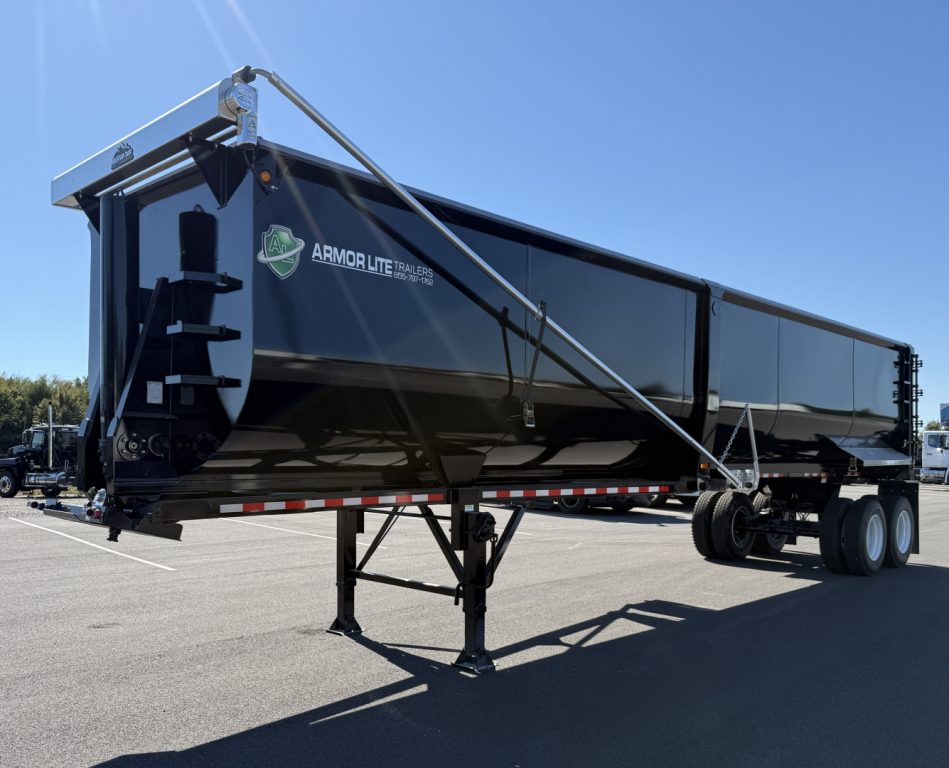
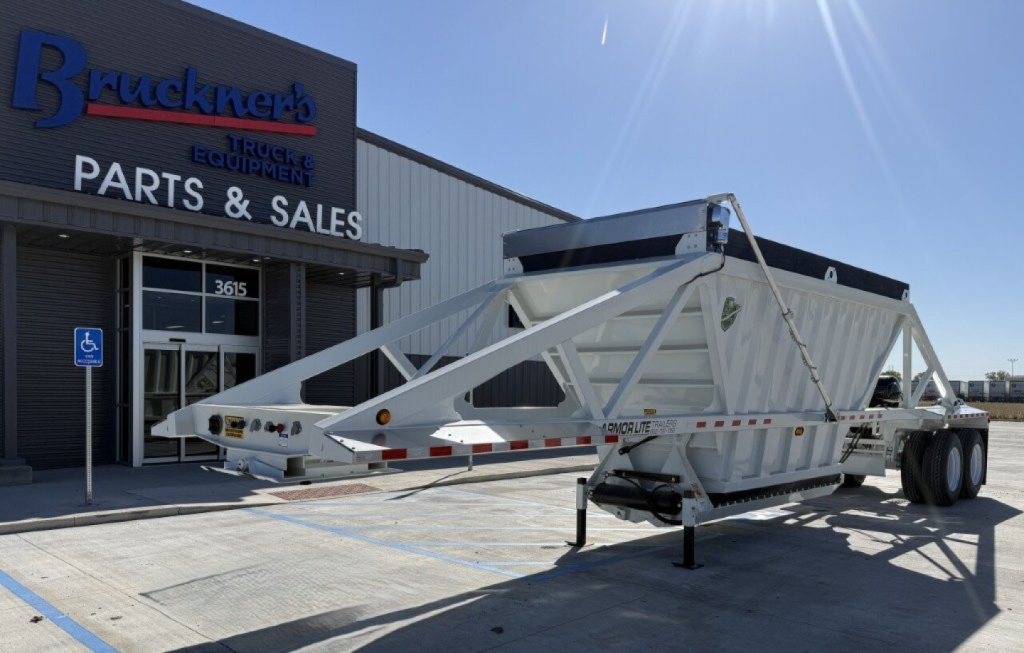
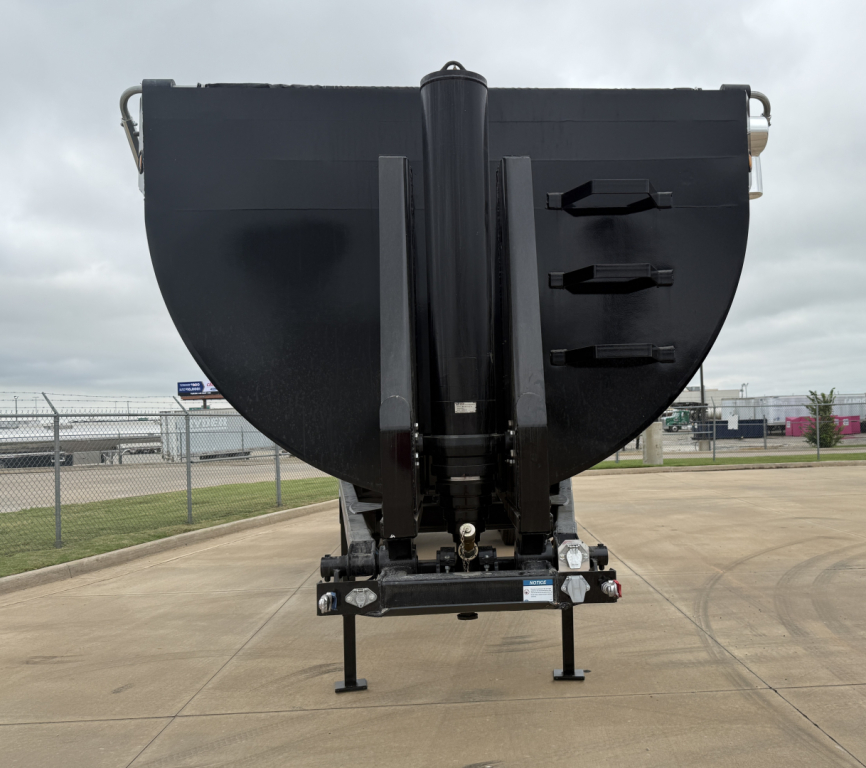
A buyer should start with body construction and intended material. Hardox tub material, often in 1/4-inch floors or tubs with 3/16-inch end structures, is a common spec for abrasive service because it balances wear life with tare weight. Scrap applications often call for higher sides, larger cubic yard capacity, and heavy-duty gates, while lighter aggregate or general construction work may favor a shorter body with lower side height and a lower empty weight. Frameless dump trailers are popular because they reduce weight and simplify the chassis design, but they need to be matched carefully to terrain, loading practices, and center-of-gravity demands. Hoist design also matters. Inverted trunnion-mounted telescopic hoists are common on dump trailers in this class and should be evaluated for lift stability, dump angle, and long-term serviceability.
Suspension, gate configuration, and tarp system have a direct effect on uptime. Single-point suspension setups are common on severe-duty trailers because they are simple and durable in off-road and mixed-surface work, while spring ride may appeal to buyers focused on lower initial cost and easier parts sourcing. Gate style should match the commodity. Barn doors, high-lift gates, and combination gate arrangements each change how material exits the body and how safely the trailer can unload uneven or bulky loads. A self-shedding top rail can be valuable when hauling sticky material or scrap because it reduces material hang-up along the upper structure. Electric flip tarp systems are a frequent choice because they speed cycle times and help operators stay compliant on the road.
Other spec decisions are easy to overlook but matter over the life of the trailer. Kingpin setting affects bridge law compliance, weight distribution, and compatibility with different wheelbases. Tire size, brake package, ABS configuration, landing gear, fenders, and liner or wear package choices all influence maintenance cost and everyday usability. Buyers comparing new Armor Lite dump trailers should pay close attention to cubic yard capacity versus legal payload, tub dimensions, side height, gate operation, and the steel package used in the body. The right trailer is not just the one with the largest body. It is the one matched to commodity density, route conditions, dump site stability, and the tractor it will run behind.
Frequently Asked Questions about New Armor Lite Dump Trailers in Oklahoma
What are Armor Lite dump trailers commonly used for?
Armor Lite dump trailers are commonly used for aggregate, dirt, sand, demolition debris, scrap, asphalt-related material, and other bulk commodities that require quick unloading. The exact application depends on body style, side height, cubic capacity, and steel package. Scrap and demolition work usually call for taller sides and stronger wear-resistant tubs, while aggregate and general construction hauling may prioritize lower tare weight and stable dumping characteristics.
What is the advantage of a frameless dump trailer?
A frameless dump trailer usually offers lower empty weight than a comparable frame-type trailer, which can help maximize payload. Frameless designs are widely used in bulk hauling because they can provide good body flex characteristics and simpler overall construction. The tradeoff is that specification becomes more important. Ground conditions, loading methods, and dump-site stability all matter because the body itself carries more of the structural load path.
Why does Hardox steel matter in a dump trailer body?
Hardox is a wear-resistant steel commonly used in dump trailer tubs because it stands up well to abrasive material such as rock, scrap, and demolition debris. A 1/4-inch Hardox tub is a common severe-duty specification that can improve service life without adding as much weight as thicker conventional steel. For many buyers, the value is better resistance to gouging, denting, and long-term floor wear, especially when the trailer sees frequent loader or excavator contact.
How do I choose the right gate style on a dump trailer?
Gate selection should be based on the commodity and the unloading environment. Barn doors work well for bulky material and certain scrap applications, while high-lift gates can improve clearance and material discharge when unloading larger debris or sticky loads. For dense aggregate or general construction material, the gate needs to open reliably, seal properly, and work with the hoist and body design to prevent hang-up. The safest choice is the one matched to both the material and the operator’s normal dump conditions.
What should buyers in Oklahoma pay attention to when spec'ing a new dump trailer?
Oklahoma buyers should pay close attention to suspension durability, hoist stability, and body wear package because many trailers see a mix of highway miles, rough jobsite access, and changing weather conditions. Wind exposure and uneven dump sites also make trailer stability an important concern, especially on taller scrap bodies. It is also smart to review axle spread, kingpin setting, tire specification, and cubic capacity in relation to local weight laws and the density of the commodity being hauled.