
New Drop Deck Trailers For Sale in Oklahoma
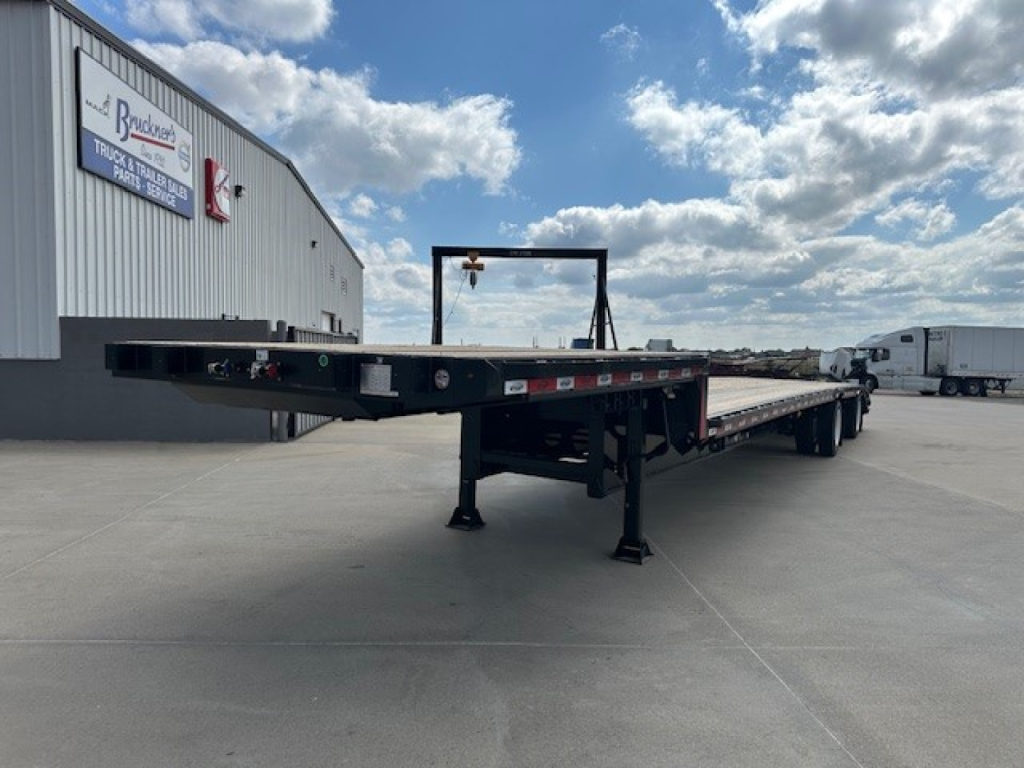
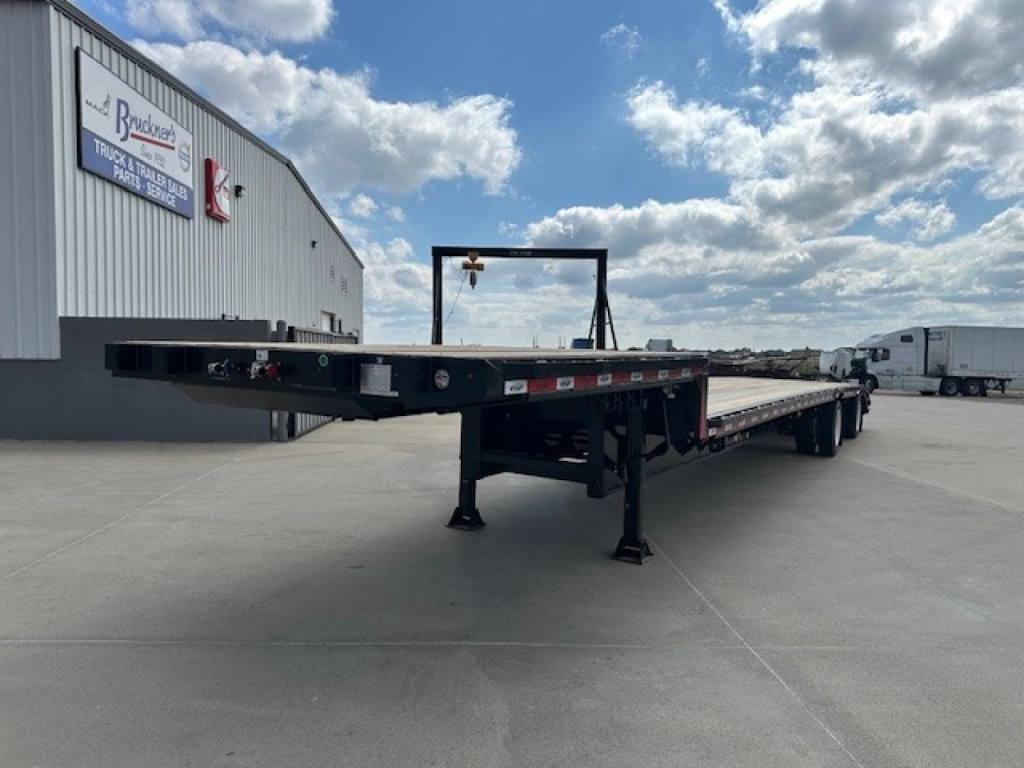
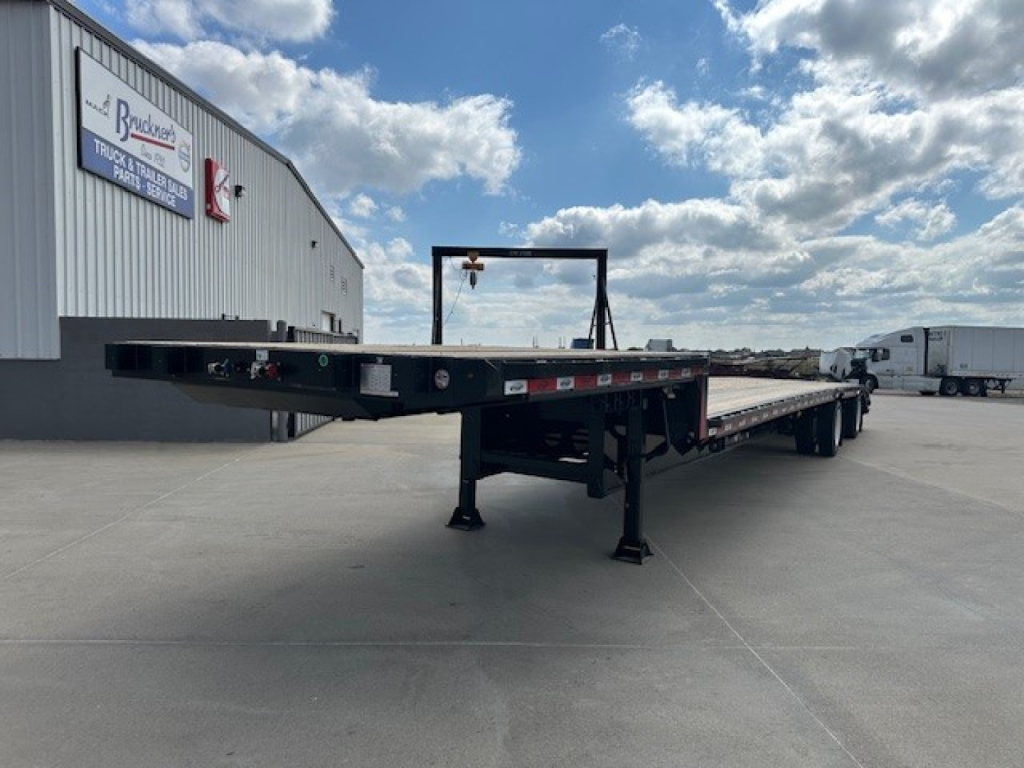
New drop deck trailers for sale in Oklahoma. Compare 53-foot step deck specs, axle spreads, ramp options, suspension, and securement features.
Selling a new drop deck trailer? List your new drop deck trailer for sale and reach thousands of commercial buyers.
New Drop Deck Trailers in Oklahoma
On a 53-foot drop deck, buyers usually start with deck layout and axle configuration. A common setup is roughly 10-foot to 11-foot upper deck with a 42-foot lower deck, often on a 102-inch wide frame. Spread axle configurations are popular because they help distribute weight and can improve bridge compliance, but they also affect tire scrub and turning behavior in tighter yards. Air ride suspension is a common choice for protecting more sensitive freight, while crossmember spacing, flooring type, and concentrated load rating matter more if the trailer will see forklifts, skid steers, or heavier point loads. If self-loading equipment is part of the job, a beavertail with spring-assisted or flip-over ramps is a key spec to compare.
Securement and trailer durability should be evaluated as closely as overall length and height. Sliding winches, winch track placement, D-rings, chain ties, and rub rail design all affect how efficiently the trailer can be used across different load types. New trailers often include features buyers now expect, such as heavy-duty two-speed landing gear, dump valves, air gauges, LED lighting, and tire sizes like 255/70R22.5 on steel or aluminum wheels. For buyers running rougher jobsite conditions, it is worth paying attention to frame finish, wiring protection, suspension components, and the practical serviceability of brakes, hubs, and air system parts.
The biggest buying mistake in this category is choosing only by overall trailer length without matching the trailer to the freight profile. Deck height, lower deck length, ramp angle, axle spread, and securement layout have a direct impact on legal payload, loading speed, and day-to-day versatility. A new drop deck trailer makes the most sense when the freight mix includes taller loads that do not require a lowboy, but still demand better height clearance than a flatbed can provide. When spec'd correctly, a step deck can cover a wide range of open-deck work while staying simpler and more flexible than more specialized heavy-haul equipment.
Frequently Asked Questions about New Drop Deck Trailers in Oklahoma
What is the main advantage of a drop deck trailer compared with a flatbed?
The main advantage of a drop deck trailer is lower deck height, which allows taller freight to move legally without stepping up to a lowboy. That extra height clearance is the reason step decks are commonly used for equipment, building materials, and industrial freight that would exceed legal height on a standard flatbed. A drop deck also keeps side-loading and overhead crane loading options that many operations rely on.
What size and configuration are most common on new drop deck trailers?
A very common configuration is a 53-foot by 102-inch drop deck with an upper deck around 10 feet to 11 feet long and a lower deck around 42 feet long. Many buyers choose tandem or spread axle setups depending on weight distribution needs, bridge law considerations, and maneuverability requirements. Air ride suspension, winch tracks, multiple sliding winches, and heavy-duty landing gear are also common specifications on new units.
When should a buyer choose a beavertail and ramps on a step deck trailer?
A beavertail and ramp package makes sense when the trailer will regularly haul self-propelled equipment such as skid steers, small tractors, lifts, or compact construction machines. That setup improves loading convenience and reduces dependence on docks or external loading equipment. Buyers should pay attention to ramp style, spring assist, ramp capacity, and loading angle because those details affect safety and how easily low-clearance equipment can be loaded.
Are spread axle drop deck trailers better than tandem axle models?
Spread axle drop deck trailers can offer advantages in weight distribution and bridge compliance, which is why they are popular in many open-deck applications. The tradeoff is increased tire scrub and reduced maneuverability in tight turns compared with tandem axle trailers. The better choice depends on the freight, the states traveled, and the amount of urban or yard maneuvering the trailer will see.
What specs matter most when buying a new drop deck trailer in Oklahoma?
The most important specs are deck height, lower deck length, axle configuration, suspension type, crossmember spacing, and securement layout. Oklahoma buyers often need trailers that can handle a mix of construction, agriculture, and energy-related freight, so versatility matters. A trailer with the right ramp setup, air ride suspension, durable flooring, and enough tie-down points will usually provide better long-term value than choosing only by price or overall length.