
New 2027 Drop Deck Trailers For Sale in Oklahoma
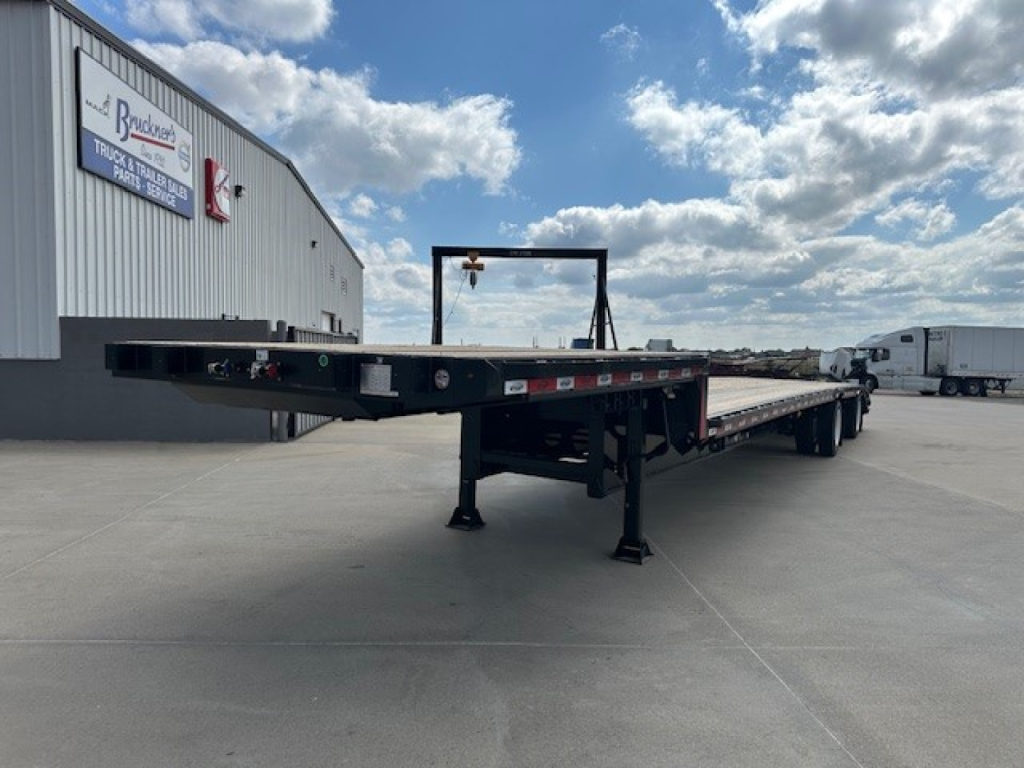
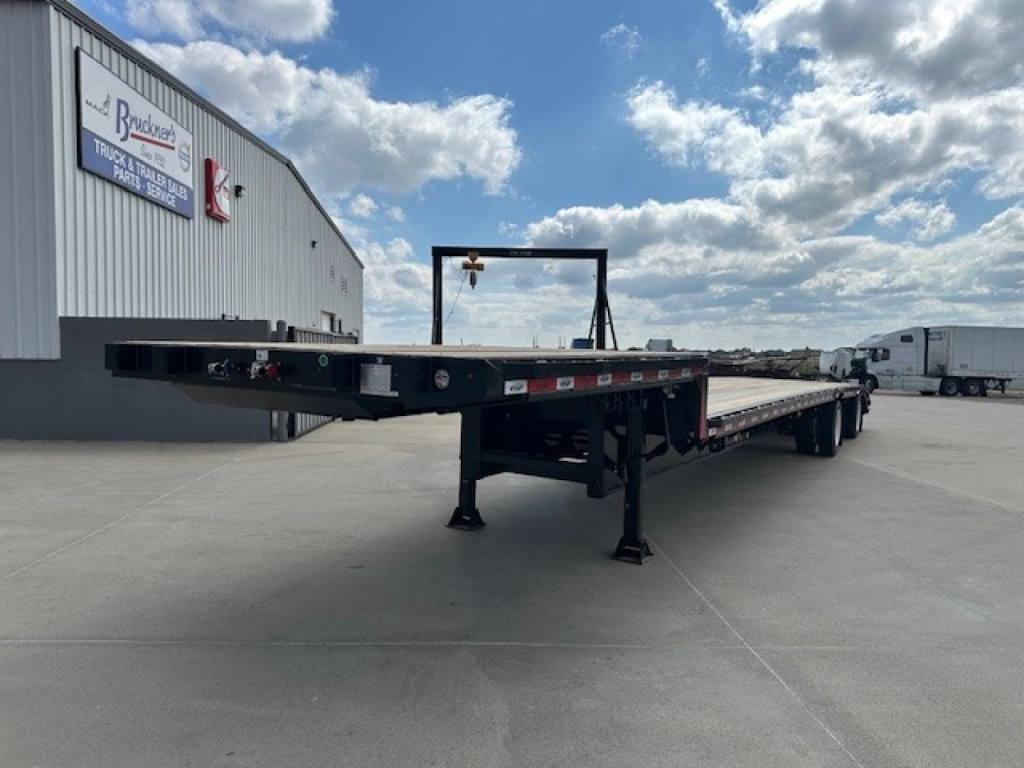
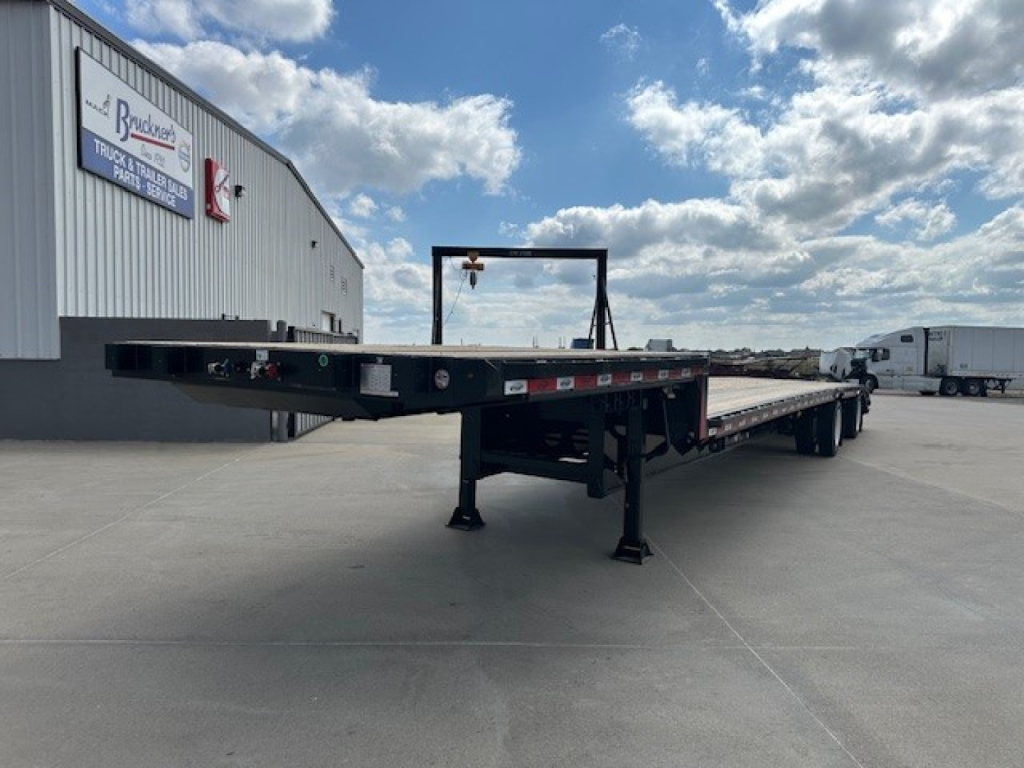
New 2027 drop deck trailers for sale in Oklahoma. Compare 53-foot lowboy-style freight trailers with ramps, air ride, spread axles, and winches.
Selling a new 2027 drop deck trailer? List your new 2027 drop deck trailer for sale and reach thousands of commercial buyers.
New 2027 Drop Deck Trailers in Oklahoma
Ramp and tail setup deserve close attention if the trailer will handle self-loading equipment. Beavertail models with flush-mount spring-assisted ramps are popular because they simplify loading for forklifts, skid steers, compact tractors, and other wheeled or tracked machines without requiring separate loading equipment. Crossmember spacing is another practical buying point. Tighter spacing, such as 12-inch centers, generally supports tougher point loads and makes the trailer more versatile for equipment and concentrated freight. Buyers should also look at the securement package, including sliding winches, rub rails, stake pockets, chain spools, and the overall placement of tie-down points, because cargo mix often matters more than raw trailer length.
Suspension and axle arrangement affect both ride quality and operating flexibility. Air ride suspension is a common choice on new drop deck trailers because it helps protect sensitive cargo, improves ride characteristics, and often makes dock and loading adjustments easier when paired with a dump valve and air gauge. Spread axle configurations are especially relevant for operators trying to manage weight distribution on heavier legal loads, though turning radius, tire scrub, and bridge law considerations should be part of the decision. Landing gear spec, tire size, wheel type, and brake package all matter in daily use, particularly for fleets that run mixed regional and long-haul lanes through Oklahoma, Texas, Kansas, Arkansas, and beyond.
For buyers comparing new 2027 drop deck trailers, the most important question is how the trailer will actually earn. A general freight trailer can prioritize lighter tare weight and flexible tie-downs, while an equipment-focused trailer may benefit from a beavertail, heavy-duty ramps, stronger deck structure, and a more robust axle spread setup. Deck height, loaded approach angle, suspension type, and securement layout all affect how many loads the trailer can legally and efficiently handle. A well-matched drop deck trailer can cover a wide range of freight while staying simpler and less specialized than a detachable lowboy.
Frequently Asked Questions about New 2027 Drop Deck Trailers in Oklahoma
What is the difference between a drop deck trailer and a flatbed trailer?
A drop deck trailer, also called a step deck trailer, has two deck levels instead of one continuous deck. The lower main deck sits closer to the ground than a standard flatbed deck, which allows taller freight to move legally without requiring special permits in many cases. That lower deck height is the main reason buyers choose a drop deck for machinery, building products, and taller palletized cargo.
What freight is a 53-foot drop deck trailer commonly used for?
A 53-foot drop deck trailer is commonly used for construction materials, farm equipment, industrial machinery, steel products, lumber, and oversized palletized freight that exceeds standard flatbed height limits. Models with beavertails and ramps are especially useful for hauling self-propelled or towable equipment. The long lower deck also makes this trailer a strong fit for mixed freight where cargo length and securement flexibility matter.
Why do buyers choose a spread axle drop deck trailer?
A spread axle drop deck trailer helps distribute weight more effectively across the trailer, which can improve legal loading options on heavier freight. This setup is often chosen for machinery, denser commodities, and loads where axle group weight is a concern. Buyers should also consider the tradeoff, since spread axles can increase tire scrub in tight turns and may be less maneuverable in confined yards or job sites.
Are ramps and a beavertail worth it on a new drop deck trailer?
Ramps and a beavertail are worth serious consideration if the trailer will regularly load equipment without a dock or external ramp. That setup improves loading efficiency for skid steers, forklifts, compact tractors, scissor lifts, and similar machinery. If the trailer will mainly haul palletized freight or crane-loaded cargo, a straight rear trailer may be more appropriate and may avoid some of the compromises tied to loading angle and rear deck design.
What specs matter most when buying a new 2027 drop deck trailer?
The most important specs are overall length, deck lengths, loaded deck height, crossmember spacing, suspension type, axle spacing, ramp or rear tail design, and the securement package. Buyers should also evaluate tire size, wheel type, landing gear, brake configuration, and how the trailer is built for concentrated loads versus general freight. The right combination depends on cargo type, legal weight targets, route conditions, and how often the trailer will need to self-load equipment.