
New Dura Haul Drop Deck Trailers For Sale in Oklahoma
New Dura Haul drop deck trailers for sale in Oklahoma. Compare 53-foot deck specs, beavertails, ramps, axle spreads, and securement features.
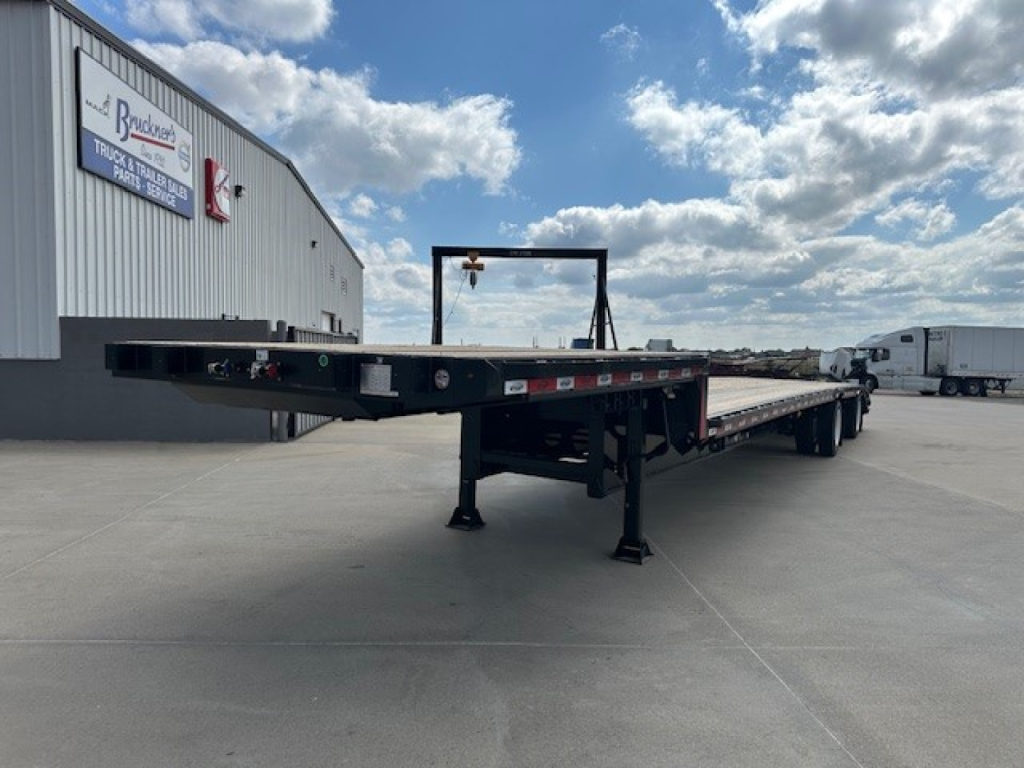
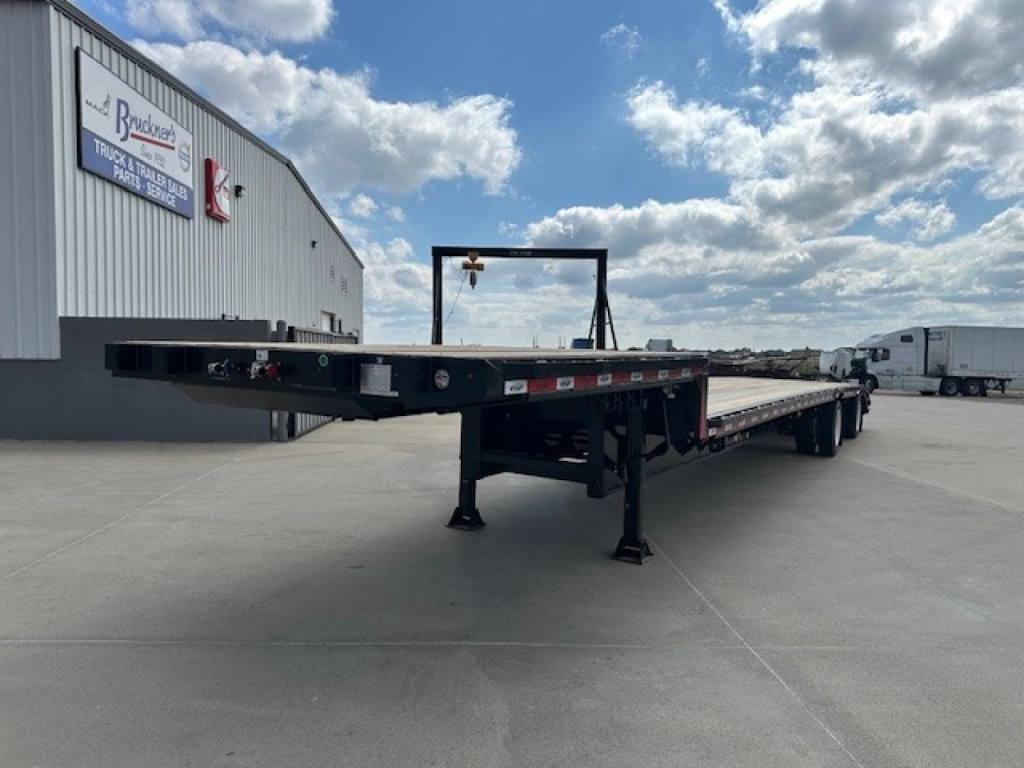
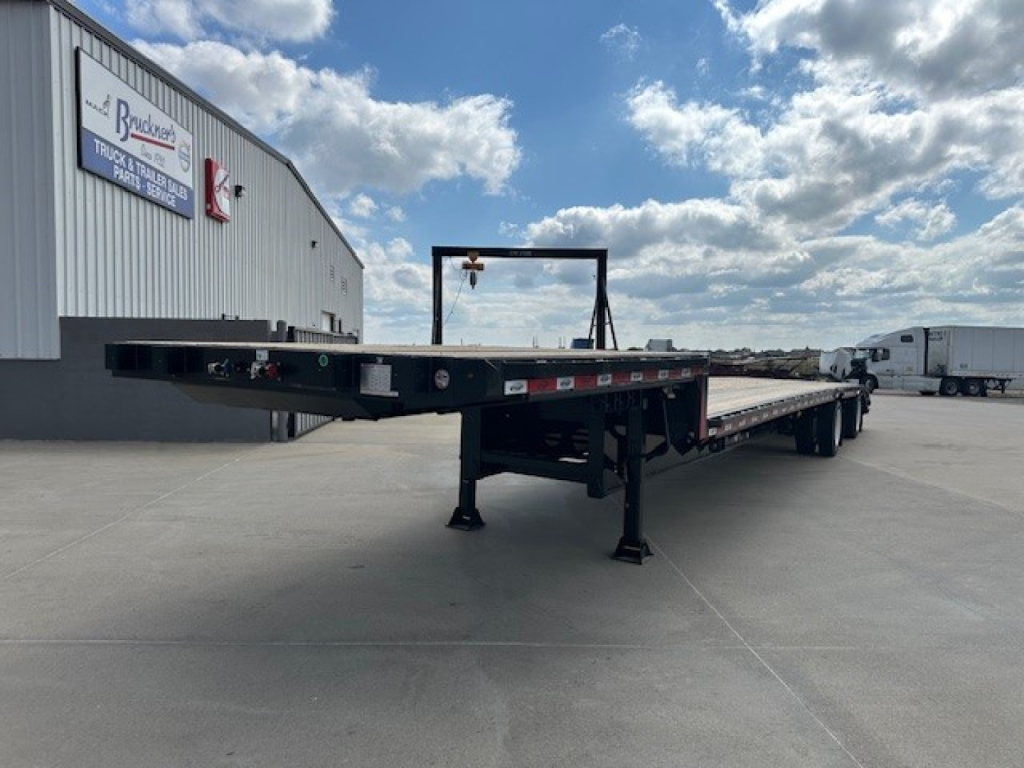
Selling a new dura haul drop deck trailer? List your new dura haul drop deck trailer for sale and reach thousands of commercial buyers.
New Dura Haul Drop Deck Trailers in Oklahoma
The spec decisions that matter most usually start with deck layout and loading method. A 53-foot by 102-inch configuration is one of the most common formats in the market, often with an upper deck around 10 feet 6 inches and a lower deck around 42 feet 6 inches. A beavertail with flush-mount spring-assisted ramps is especially useful if the trailer will handle small equipment, forklifts, skid steers, or other rolling cargo that can be loaded from the rear. If the work is more freight-oriented than equipment-oriented, buyers should still pay close attention to lower deck length, deck height, crossmember spacing, and overall securement layout because those details affect how well the trailer handles concentrated weight and mixed loads.
Suspension, axle spread, and securement hardware all have a direct effect on daily use and compliance. Air ride suspension is popular on new drop decks because it helps protect sensitive cargo and improves ride quality compared with rougher-duty setups. A spread axle configuration, such as a 122-inch spread, can help with weight distribution and bridge law considerations, but it can also affect turning and tire scrub in tighter yards. Sliding winches, standard rub rail arrangements, and practical tie-down access are not minor details on a step deck. They determine how quickly a driver can secure freight and how adaptable the trailer is across lumber, steel, crated machinery, and jobsite materials. Tire size, wheel type, landing gear quality, and features like an air gauge and dump valve also deserve attention because they influence serviceability and loading convenience.
Dura Haul drop deck trailers are generally evaluated the same way experienced buyers evaluate any commercial step deck: frame strength, deck configuration, securement package, suspension choice, and how well the trailer matches the freight lane. A buyer hauling compact equipment may prioritize ramps and a beavertail, while a buyer focused on general commodity freight may care more about deck space, winch placement, and crossmember spacing. New trailers also appeal to fleets that want uniform spec, current components, and less reconditioning before entering service. The right drop deck is the one that fits the freight mix first, then supports the operating environment with the right axle setup, deck dimensions, and cargo control package.
Frequently Asked Questions about New Dura Haul Drop Deck Trailers in Oklahoma
What is the difference between a drop deck trailer and a flatbed trailer?
A drop deck trailer, also called a step deck trailer, has two deck levels instead of one continuous deck height like a flatbed. The lower main deck allows taller freight to move while staying within legal height limits that would be difficult or impossible on a standard flatbed. That makes drop decks a common choice for machinery, stacked materials, and other cargo that needs extra vertical clearance without requiring a lowboy.
Why would a buyer choose a beavertail and ramps on a drop deck trailer?
A beavertail and ramp package makes a drop deck more versatile for self-propelled or towable equipment. Skid steers, forklifts, small tractors, scissor lifts, and similar machines can often be loaded from the rear without separate dock access or loading equipment. Buyers who regularly haul equipment should pay attention to ramp design, spring assist, beavertail length, and how those features affect usable deck space and loading angle.
Is a spread axle drop deck better than a tandem close-coupled setup?
A spread axle drop deck can offer advantages in bridge compliance and weight distribution, which is important for many legal loads on longer trailers. It can also provide stability for certain freight types. The tradeoff is that spread axles can be less forgiving in tight turns, create more tire scrub, and may be less convenient in confined yards or urban delivery work. The better choice depends on the trailer's route profile, freight weight, and operating environment.
What specs matter most on a new 53-foot drop deck trailer?
The most important specs are overall length and width, upper and lower deck dimensions, loaded deck height, suspension type, axle spacing, crossmember spacing, and cargo securement equipment. Buyers should also review landing gear, tire and wheel package, ramp configuration if equipped, and the layout of winches, rub rails, and tie-down points. Those details affect legal loading, cargo versatility, and long-term durability more than cosmetic options.
What kinds of freight are commonly hauled on a drop deck trailer in Oklahoma?
Common Oklahoma applications include construction equipment, oilfield support cargo, steel, pipe, lumber, agricultural machinery, and palletized industrial materials. The lower deck is useful for taller loads, while the full trailer length supports mixed commodity work across regional and long-haul lanes. Buyers should match the trailer spec to the cargo profile, especially if the work alternates between general freight and rear-loaded equipment.