
New Fontaine Trailers For Sale in Oklahoma
Shop new Fontaine flatbed trailers in Oklahoma. Compare aluminum 48-foot specs, axle spreads, securement features, and payload-focused designs.
Selling a new fontaine trailer? List your new fontaine trailer for sale and reach thousands of commercial buyers.
New Fontaine Trailers in Oklahoma
For most buyers, the real decision starts with weight ratings, axle spread, and kingpin setting. Many Fontaine flatbeds in this class are built for 80,000-pound distributed capacity, with a concentrated load rating that matters when hauling coils, equipment, or dense palletized freight. A 30-inch kingpin setting and a rear tandem spread around 122 inches are common specs that affect bridge compliance, tractor pairing, and turning behavior. Air ride suspension is a popular choice for load protection and ride quality, especially on mixed freight. Loaded fifth wheel height also deserves attention because deck height can affect loading dock compatibility, legal height, and how easily tall freight can be routed across Oklahoma and surrounding states.
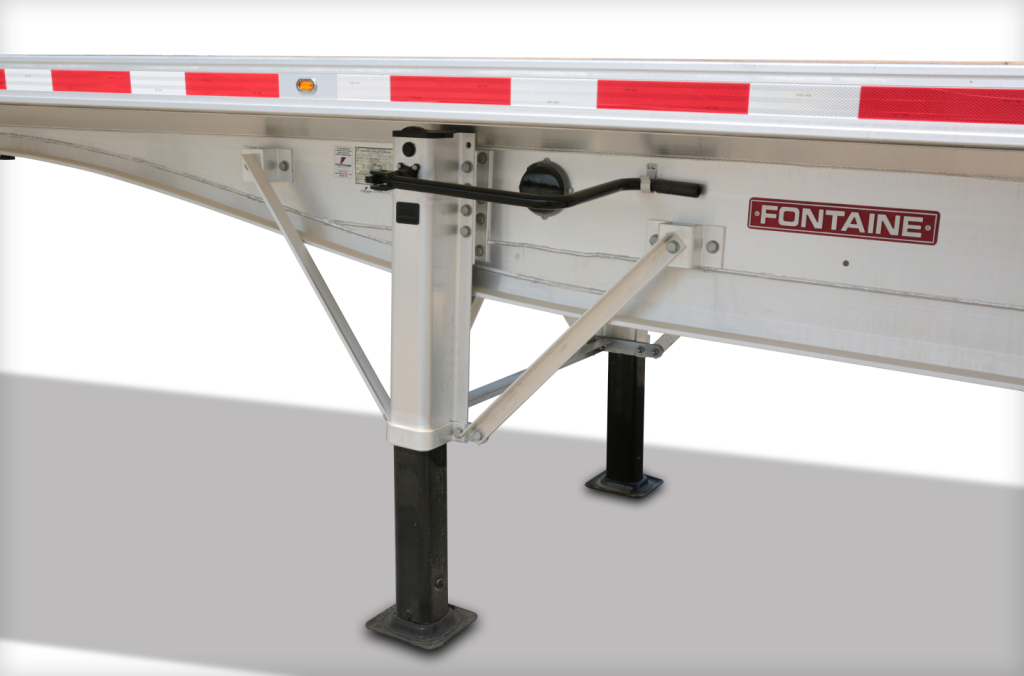
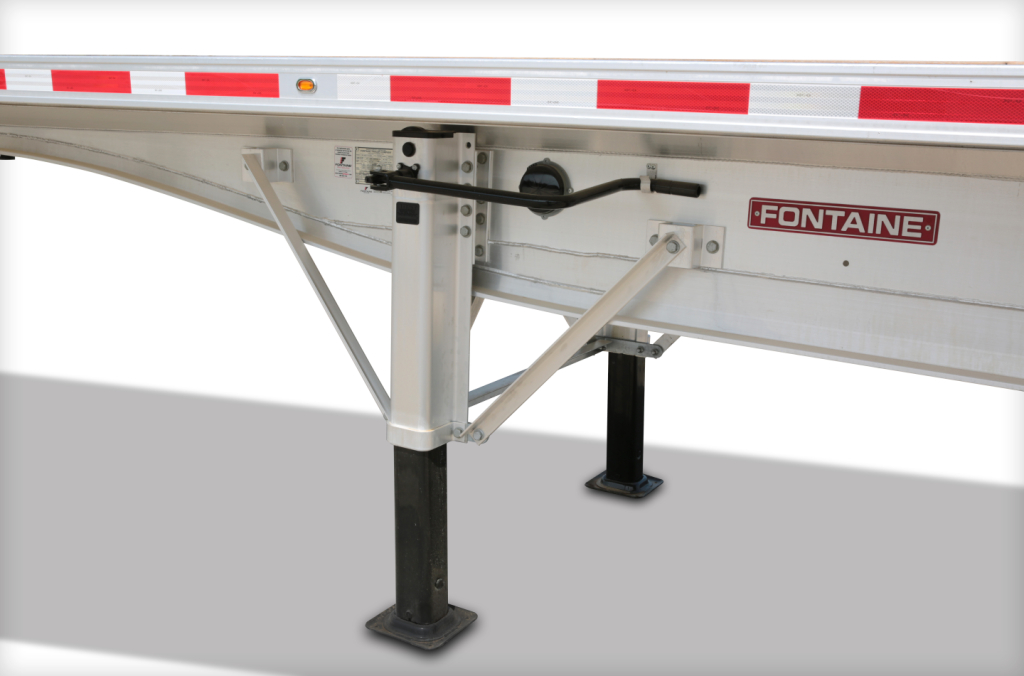
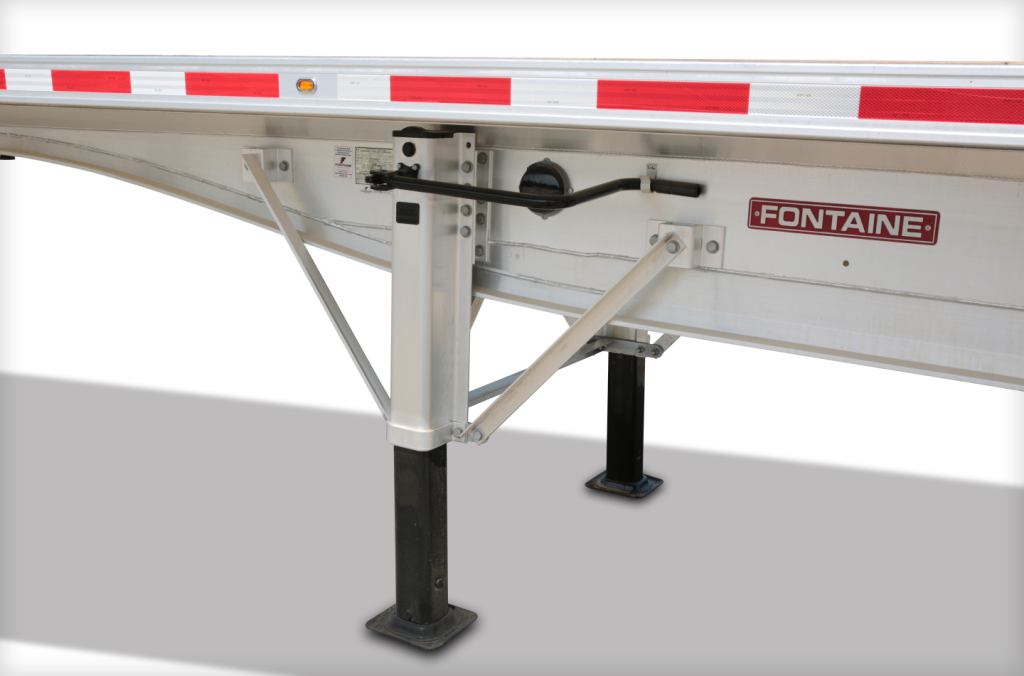
Securement layout is just as important as gross capacity. Buyers should look closely at stake pocket spacing, integrated rub rails, recessed chain tie-downs, winch track placement, and the number of sliding winches included. Features like stake pockets on 24-inch centers, multiple load securement openings, and full-length winch tracks on both sides make a flatbed more adaptable to different commodities without constant trailer swapping. Knurled aluminum flooring with wood nailer strips is another common setup because it helps with traction while still allowing easier blocking and fastening when needed. A single coil package can be a practical option for carriers that regularly handle steel but still need an open-deck trailer for general freight.
New Fontaine flatbeds also tend to appeal to buyers focused on long-term operating cost. Aluminum main beams, aluminum wheels, LED lighting, and bolt-on serviceable components can help with corrosion resistance, visibility, and maintenance over time. Toolbox size, dock bumpers, mudflaps, ABS configuration, tire size, and dump valve setup may look like secondary details, but they affect daily convenience and uptime. If the trailer will run hard in Oklahoma across oilfield, agricultural, industrial, and interstate lanes, it makes sense to match the trailer’s deck spec, securement package, and suspension to the freight mix first, then compare tare weight and component choices from there.
Frequently Asked Questions about New Fontaine Trailers in Oklahoma
What are the main advantages of a new Fontaine aluminum flatbed trailer?
A new Fontaine aluminum flatbed trailer is typically chosen for lower tare weight, solid payload potential, and broad freight versatility. Aluminum construction helps reduce empty weight compared with heavier steel designs, which can matter on loads where every pound of payload counts. Buyers also value the common flatbed features offered in this class, including stake pockets, rub rails, chain tie-downs, and winch tracks that support a wide range of securement methods.
What should I look at first when comparing new Fontaine flatbeds?
Start with deck length and width, rated capacity, concentrated load rating, kingpin setting, axle spread, and suspension type. Those specs determine whether the trailer fits your freight profile, bridge requirements, and tractor setup. After that, compare securement hardware, deck construction, loaded fifth wheel height, tire and wheel package, and storage options such as toolboxes. Those details affect day-to-day usability more than many buyers expect.
Is a 48-foot Fontaine flatbed a good choice for Oklahoma freight?
A 48-foot flatbed is a common and practical choice for Oklahoma carriers hauling building materials, steel, equipment, lumber, pipe, and general open-deck freight. It offers a familiar platform for regional and interstate work while remaining easy to load from the side or rear. The right axle spread and kingpin setting also help operators stay compliant across varying route and bridge conditions.
Why does kingpin setting matter on a flatbed trailer?
Kingpin setting affects weight distribution between the tractor and trailer axles, turning clearance, and bridge law performance. A common setting such as 30 inches can work well for many road tractors, but the correct setup depends on your wheelbase, fifth wheel position, and freight pattern. If the tractor-trailer combination is not matched properly, you may give up legal payload or create handling issues that show up once the trailer is loaded.
What securement features are most useful on a new flatbed trailer?
The most useful securement features are usually full-length winch tracks, enough sliding winches for your freight, recessed chain tie-downs, stake pockets on close centers, and a strong rub rail design. Buyers hauling mixed commodities should also pay attention to coil package capability, load securement openings between stake pockets, and deck surface design. These features expand the range of freight the trailer can legally and efficiently carry.