
New Fontaine Flatbed Trailers For Sale in Oklahoma
New Fontaine flatbed trailers for sale in Oklahoma. Compare aluminum 48-foot flats with air ride, wide spread axles, and securement options.
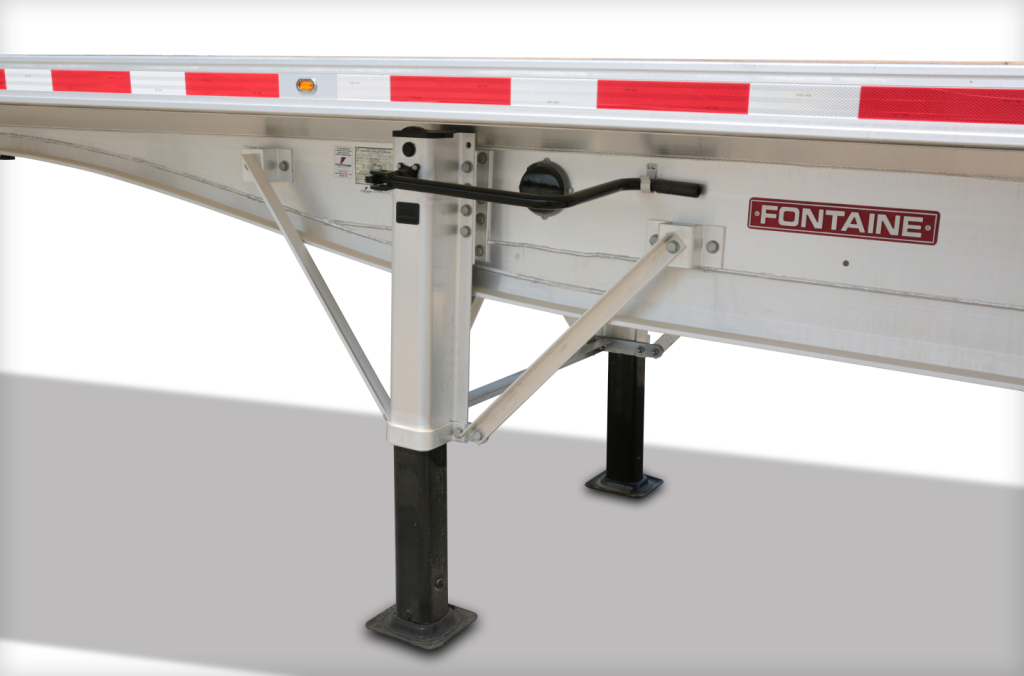
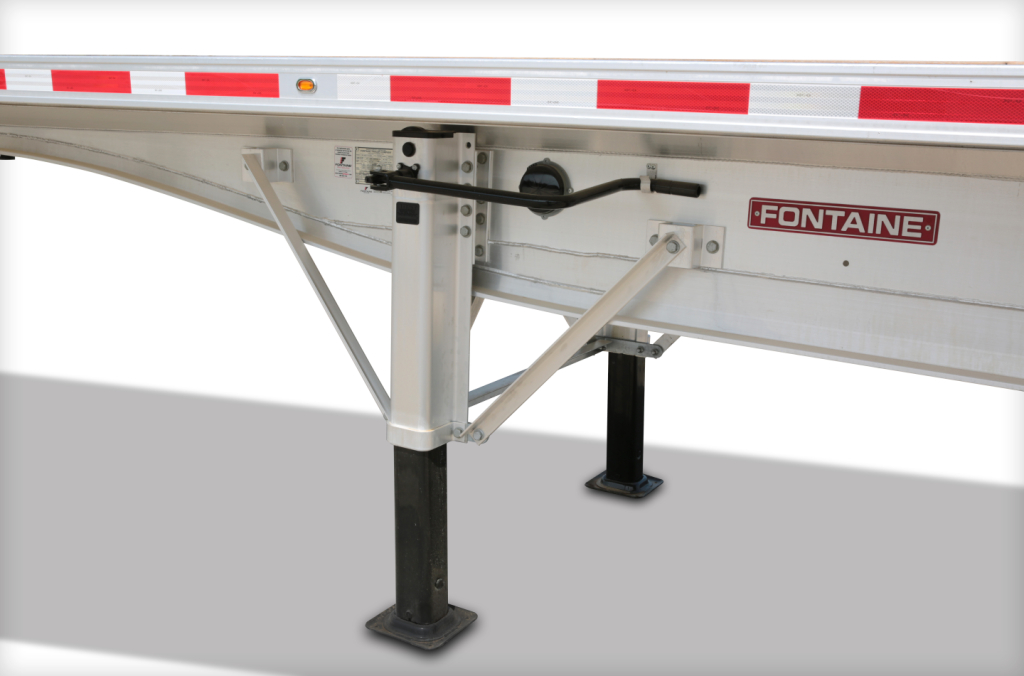
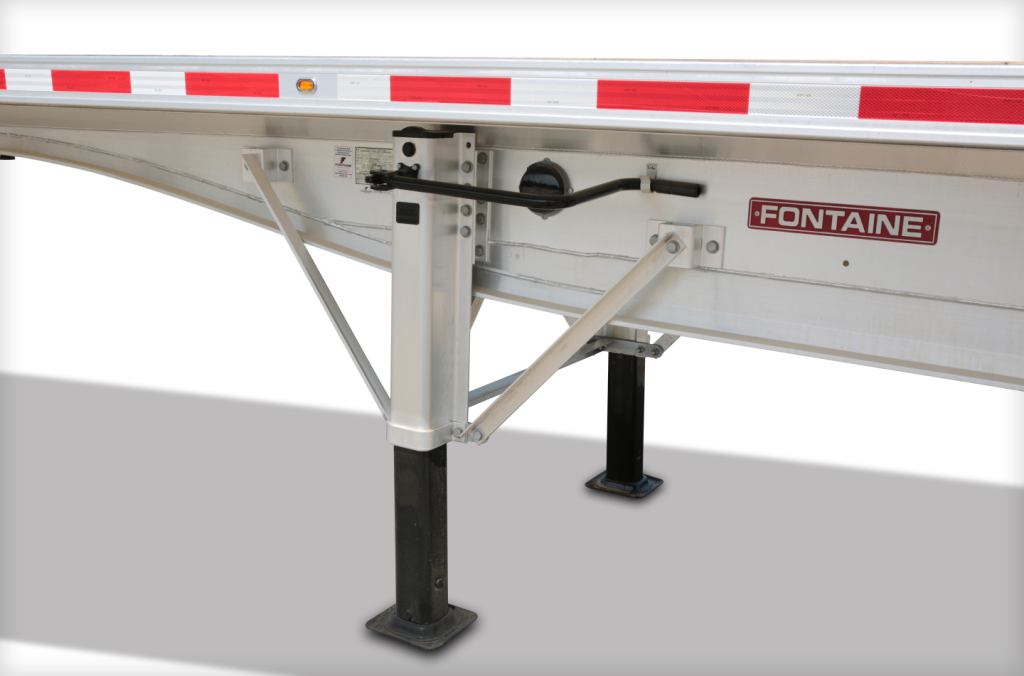
Selling a new fontaine flatbed trailer? List your new fontaine flatbed trailer for sale and reach thousands of commercial buyers.
New Fontaine Flatbed Trailers in Oklahoma
On this type of trailer, securement layout matters as much as gross capacity. Common specs include integrated rub rails, recessed chain tie downs, stake pockets on 24-inch centers, and full-length winch tracks with sliding winches. That combination gives a flatbed the versatility to handle palletized freight one day and irregular machinery or coil-related loads the next. Single coil package configurations are common on general-purpose flats, and buyers should pay attention to concentrated load ratings, not just the 80,000-pound distributed rating. A trailer rated for 52,000 pounds in 4 feet is built for a different load profile than a trailer carrying lighter, evenly spread freight.
Suspension and axle layout affect both ride quality and bridge compliance. New Fontaine flatbeds in this class are often spec'd with air ride, tandem axles, and a wide spread, such as a 122-inch axle spread set to the rear. That setup can improve load stability and can help with weight placement across axles, especially when combined with the right kingpin setting and fifth wheel height target. A 30-inch kingpin setting and roughly 49-inch loaded fifth wheel height are common numbers to verify against the tractors in your fleet. Tire size, wheel material, spring brakes, 4S/2M ABS, and dump valve spec also deserve attention because they affect serviceability, brake performance, and how easily the trailer integrates into day-to-day operations.
Fontaine has long been a recognized name in the flatbed market, and new trailers in this category are often selected by fleets that want a straightforward platform with strong resale appeal. Buyers should compare empty weight, deck height, tie-down count, coil capability, toolbox size, lighting layout, and bumper configuration before focusing only on price. For many operations, the right flatbed trailer is the one that balances payload, securement density, and compatibility with the freight you haul most often.
Frequently Asked Questions about New Fontaine Flatbed Trailers in Oklahoma
What are the main advantages of a new Fontaine aluminum flatbed trailer?
A new Fontaine aluminum flatbed trailer is usually selected for lower tare weight, corrosion resistance, and broad freight versatility. Aluminum construction can help increase legal payload compared with heavier steel configurations, while still providing the deck space and securement structure needed for steel products, lumber, machinery, and general open-deck freight. Buyers also tend to value the clean, straightforward design and the strong market familiarity that can support resale value later.
What capacity numbers matter most on a flatbed trailer?
The most important numbers are the distributed load rating and the concentrated load rating. A flatbed may be rated for 80,000 pounds distributed, but concentrated ratings such as 52,000 pounds in 4 feet tell you far more about how the trailer will handle dense freight like coils, equipment, or short steel loads. Buyers should also confirm axle spread, kingpin setting, and loaded deck height because those dimensions affect legal weight distribution and tractor compatibility.
Why do stake pockets, winch tracks, and chain tie-downs matter so much?
These features determine how adaptable the trailer is across different freight types. Stake pockets on close centers, integrated rub rails, recessed chain tie-downs, and full-length winch tracks create more securement points and reduce the need to compromise strap or chain angles. That matters when hauling mixed freight, oversized pieces, or loads with awkward center-of-gravity placement. A trailer with a better securement layout is often easier to dispatch across a wider range of loads.
Is a wide spread axle setup a good choice on a 48-foot flatbed?
A wide spread tandem can be a strong choice when your operation needs better weight placement and stable road manners under varying load positions. A spread such as 122 inches can help distribute weight more effectively than a closed tandem in some applications, especially with dense freight. The tradeoff is that spread-axle trailers can scrub tires more in tight turns, so route type, yard conditions, and maintenance priorities should be part of the decision.
What should Oklahoma buyers look for when comparing new flatbed trailers?
Oklahoma buyers should focus on freight mix, route miles, and how the trailer matches existing tractors. Deck material, trailer weight, suspension type, concentrated load rating, axle spread, kingpin setting, and securement package should all be reviewed together. For regional and long-haul open-deck work, details like LED lighting, aluminum wheels, toolbox space, and air ride suspension also matter because they affect durability, maintenance, and day-to-day driver usability.