
New Dura Haul Trailers For Sale in Oklahoma
Shop new Dura Haul trailers for sale in Oklahoma, including drop deck models built for equipment hauling, securement flexibility, and durability.
Selling a new dura haul trailer? List your new dura haul trailer for sale and reach thousands of commercial buyers.
New Dura Haul Trailers in Oklahoma
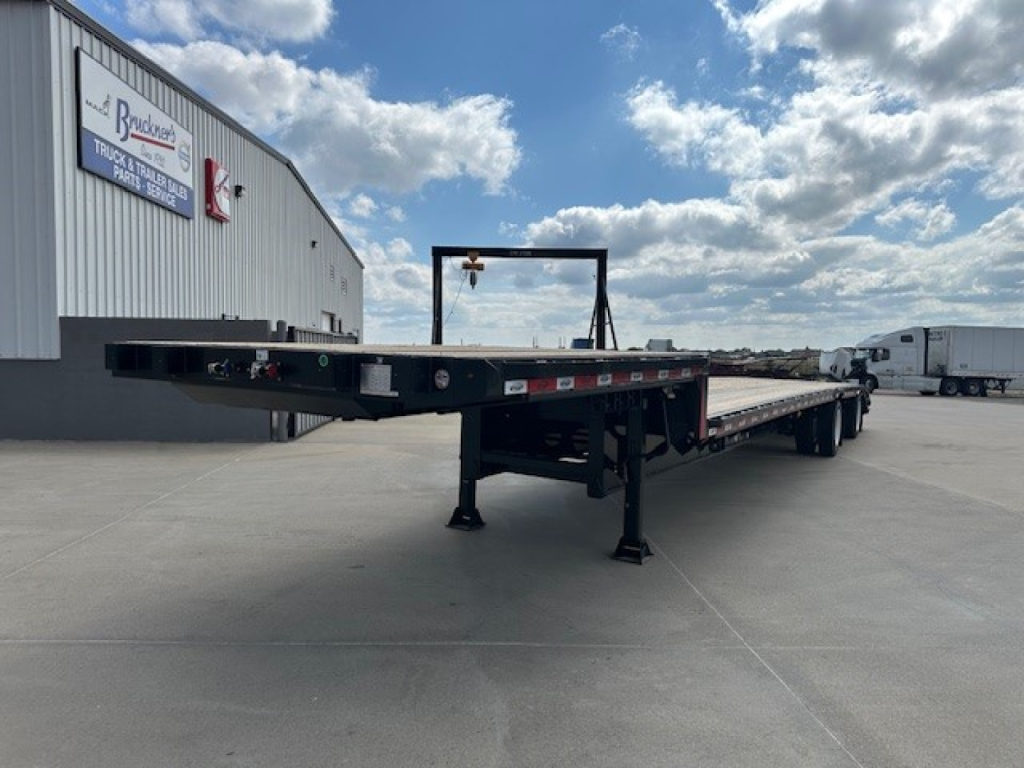
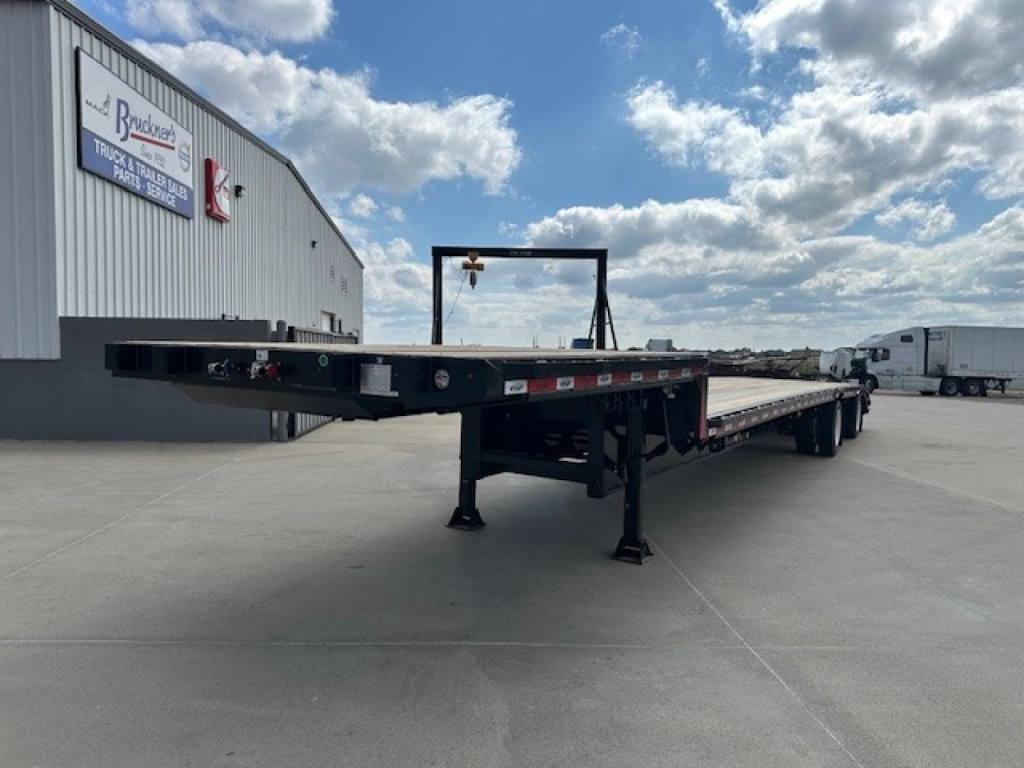
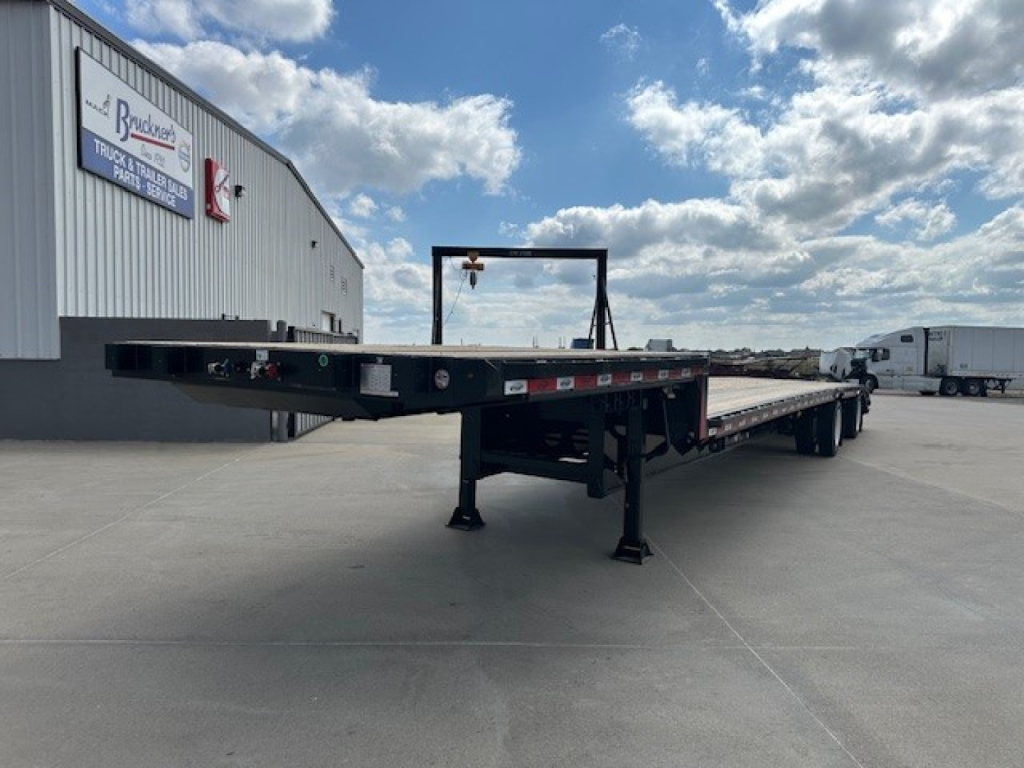
For many buyers, the first decision is trailer layout and deck configuration. A Dura Haul drop deck in the 53-foot class is a common choice when taller freight has to clear legal height while still giving enough lower deck space for machinery, palletized material, or mixed loads. Key specs to compare include upper deck length, lower deck length, loaded deck height, beavertail design, ramp style, axle spread, and suspension type. Air ride suspension is often preferred when cargo protection matters or when the trailer sees a mix of pavement and rough jobsite entries. Buyers should also look closely at crossmember spacing, main beam construction, winch track setup, landing gear spec, and tire and wheel package, because those details affect both long-term durability and how easily the trailer can be put to work.
Securement and loading features matter as much as overall dimensions. Many Dura Haul trailers are ordered with sliding winches, rub rails, stake pockets, and ramp packages that make them suitable for skid steers, compact excavators, tractors, and other wheeled or tracked equipment. A beavertail with spring-assisted ramps can speed up loading and reduce hassle for operators making frequent stops. If the freight mix changes from week to week, buyers should think about how many tie-down points are available, whether the ramp angle fits low-clearance equipment, and how the axle placement affects weight distribution. In Oklahoma, where loads may run a combination of highway miles, county roads, and jobsite access points, suspension travel, frame integrity, and brake component quality all deserve a close look.
New-condition buyers often focus on uptime, warranty support, and getting current specs instead of inheriting wear from prior use. That makes it easier to choose the right deck style, GVWR-related capacity, and securement package from the start. A new Dura Haul trailer can be a strong fit for fleets and owner-operators who want a no-nonsense platform for heavy equipment, building materials, and over-dimensional freight that benefits from lower deck height. The right unit is usually the one that matches your actual load profile, not just maximum published capacity, so compare deck dimensions, ramp configuration, axle setup, and securement hardware with the freight you haul most often.
Frequently Asked Questions about New Dura Haul Trailers in Oklahoma
What are new Dura Haul trailers commonly used for?
New Dura Haul trailers are commonly used for hauling construction equipment, agricultural machines, palletized materials, steel, and other freight that benefits from an open deck or lower deck height. Drop deck models are especially useful when cargo needs more vertical clearance than a standard flatbed can legally provide. In Oklahoma, they are often chosen for construction, energy, farm, and regional heavy-haul support work.
Why would a buyer choose a Dura Haul drop deck instead of a flatbed trailer?
A Dura Haul drop deck, also known as a step deck trailer, gives the operator a lower main deck height, which helps move taller freight while staying within legal overall height limits. That can make a major difference for equipment, crated machinery, and loads that would sit too high on a standard flatbed. A drop deck can also improve loading flexibility when paired with a beavertail and ramps.
Which specs matter most when comparing new Dura Haul trailers?
The most important specs usually include overall trailer length, upper and lower deck dimensions, deck height, rated capacity, axle spread, suspension type, crossmember spacing, and securement equipment such as winches, rub rails, and stake pockets. Buyers should also review ramp configuration, landing gear, tire size, wheel type, and brake components. These details have a direct impact on payload fit, loading ease, and long-term service life.
Is air ride suspension worth it on a new Dura Haul trailer?
Air ride suspension is often worth the added cost when the trailer hauls sensitive equipment, mixed freight, or loads over rough roads and jobsite entrances. It can improve ride quality, help protect cargo, and provide better versatility across different applications. For buyers hauling rugged equipment on short local routes, the value depends on operating conditions, maintenance preferences, and how much cargo protection matters.
What should buyers in Oklahoma look for in a new trailer setup?
Oklahoma buyers should pay close attention to how the trailer will perform on a mix of interstate travel, rural roads, and uneven loading areas. Axle spread, suspension design, ramp angle, securement flexibility, and frame durability are all important. It also helps to match the trailer's deck length and loading features to the equipment and materials hauled most often, since local work can vary from oilfield support to farm and construction transport.