
New Flatbed Trailers For Sale in Oklahoma
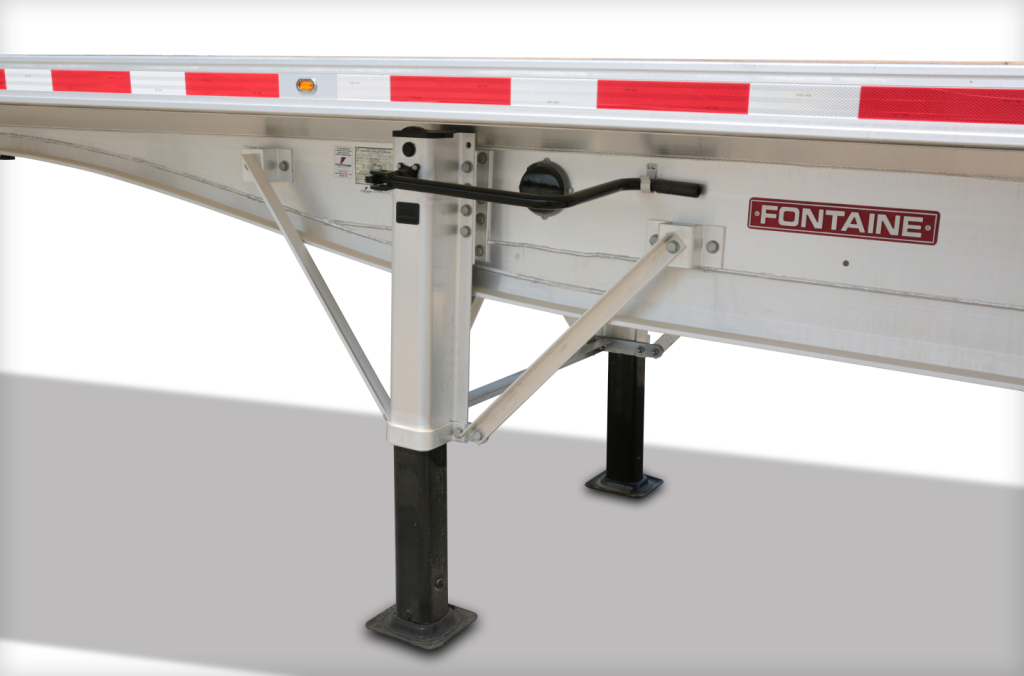
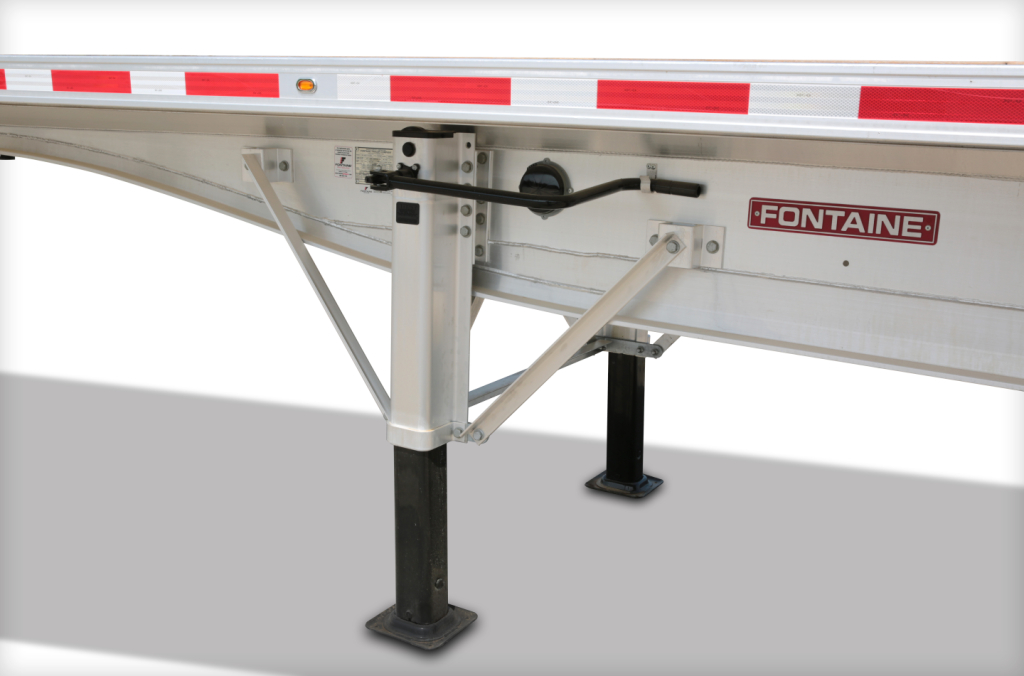
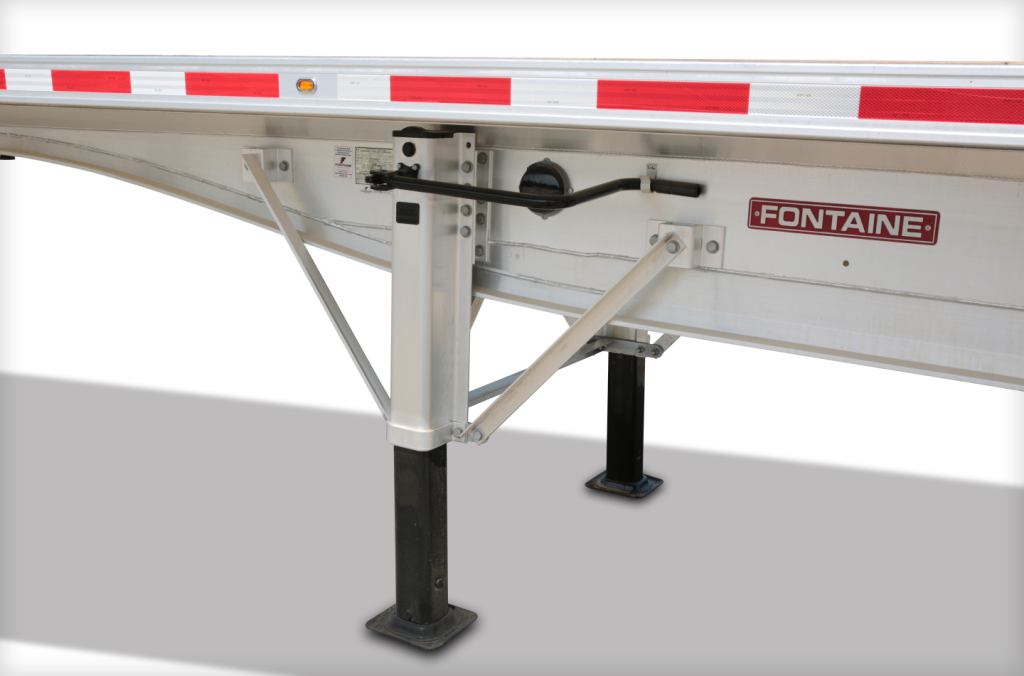
New flatbed trailers for sale in Oklahoma, including 48' x 102" aluminum flats with air ride, wide spread tandems, winch tracks, and toolboxes.
Selling a new flatbed trailer? List your new flatbed trailer for sale and reach thousands of commercial buyers.
New Flatbed Trailers in Oklahoma
A common new flatbed spec in this category is a 48-foot by 102-inch aluminum trailer with tandem axles, air ride suspension, and a wide spread setup. Aluminum construction helps reduce tare weight and preserve payload capacity, which is a major buying factor if your freight mix includes dense commodities. Many buyers also focus on concentrated load ratings, not just gross distributed capacity. A trailer rated around 80,000 pounds distributed with a stronger concentrated rating in a short section is better suited for steel coils, equipment, and other heavy point-load freight. Kingpin setting, loaded fifth wheel height, and axle spread all matter if you need bridge law flexibility, proper tractor match, and dock compatibility.
Securement details separate a basic flat from a working flatbed. Look closely at stake pocket spacing, chain tie down count, rub rail design, winch track placement, and the number of sliding winches included. Recessed chain ties, full-length winch tracks, and integrated rub rails give drivers more options to build legal, efficient securement setups across different cargo profiles. Coil package features such as a single coil well or coil placement provisions can be important if steel is part of the lane mix. Flooring also deserves attention. Knurled aluminum floors improve traction, while wood nailer strips add flexibility for blocking, bolting accessories, or protecting cargo contact points.
New flatbed trailers also tend to bring practical updates that reduce downtime and improve daily usability, including LED lighting, spring brakes, ABS, dump valves, dock bumpers, and aluminum toolboxes for straps, chains, and edge protection. Tire size, wheel type, and suspension spec affect serviceability and ride quality, especially on rougher regional routes. If your freight regularly crosses Oklahoma and surrounding states, a durable air ride flatbed with the right tie down package and a low trailer weight can be a strong fit for both short-haul and over-the-road work.
Frequently Asked Questions about New Flatbed Trailers in Oklahoma
What length and width are most common for new flatbed trailers?
The most common highway flatbed size is 48 feet long by 102 inches wide. That configuration works well for general freight, building materials, machinery, and steel while staying practical for load planning and legal width requirements. Some operations move to 53-foot flats for added deck space, but 48-foot trailers remain a standard choice when weight distribution, maneuverability, and broad freight compatibility are priorities.
Why do buyers choose aluminum flatbed trailers?
Aluminum flatbed trailers are popular because they reduce empty weight compared with many steel designs, which can increase legal payload. That matters for dense freight such as steel, brick, and machinery where every pound of tare weight affects revenue. Aluminum also offers corrosion resistance, but buyers should still evaluate beam design, floor thickness, crossmember spacing, and overall structural rating instead of focusing only on weight savings.
What securement features should I look for on a new flatbed trailer?
The most useful securement features include full-length winch tracks, sliding winches, stake pockets on consistent centers, integrated rub rails, recessed chain tie downs, and a practical toolbox setup. These features make it easier to secure mixed freight legally and efficiently. If coil hauling is part of the job, concentrated load rating and coil-specific deck provisions should be reviewed closely along with the trailer's tie down layout.
Does air ride suspension matter on a flatbed trailer?
Air ride suspension is a common upgrade because it helps protect cargo, improves ride quality, and can reduce shock loading on both freight and trailer structure. It is especially useful for machinery, palletized products, building materials, and other loads that benefit from better ride control. Air ride setups can also improve driver acceptance and support more consistent handling across varied road conditions.
What Oklahoma buyers should consider when comparing new flatbed trailers?
Oklahoma buyers often need a flatbed that can cover construction freight, agricultural products, steel, and energy-related cargo across regional and interstate lanes. That makes payload, axle spread, kingpin setting, deck height, and securement flexibility especially important. A trailer with a strong concentrated load rating, low tare weight, durable flooring, and a complete tie down package is usually better suited to that wide range of freight than a lighter-duty general-purpose spec.