
New Stoughton Trailers For Sale in Oklahoma
Have new stoughton trailer to sell? List it here to reach thousands of buyers.
New Stoughton Trailers in Oklahoma
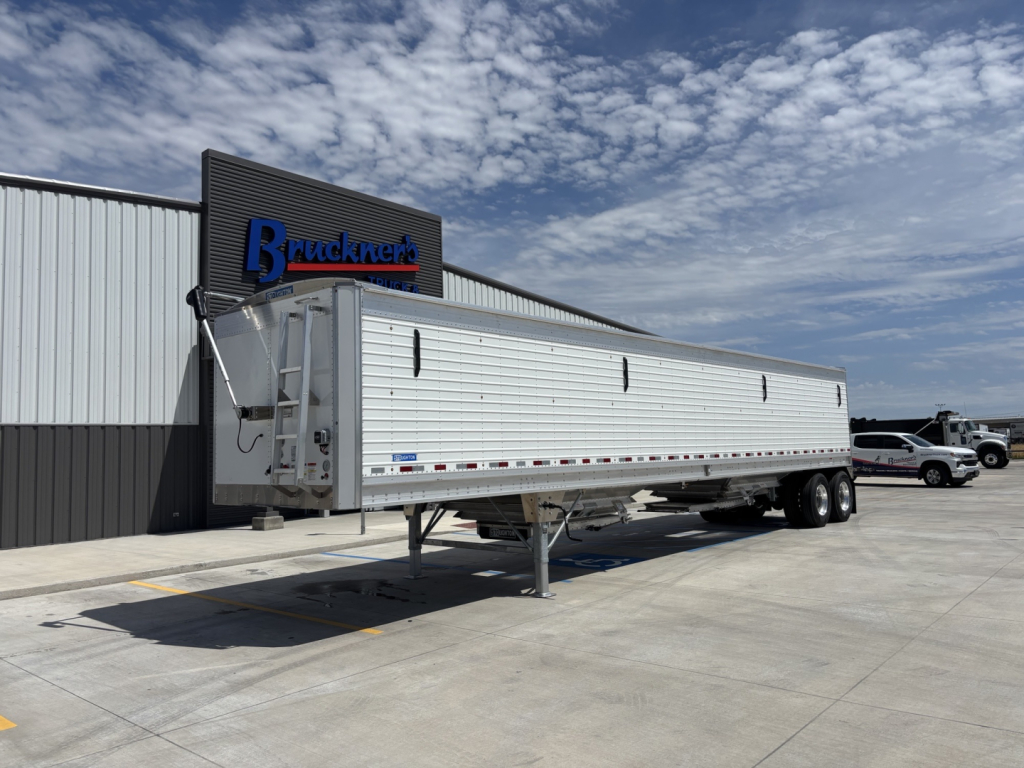
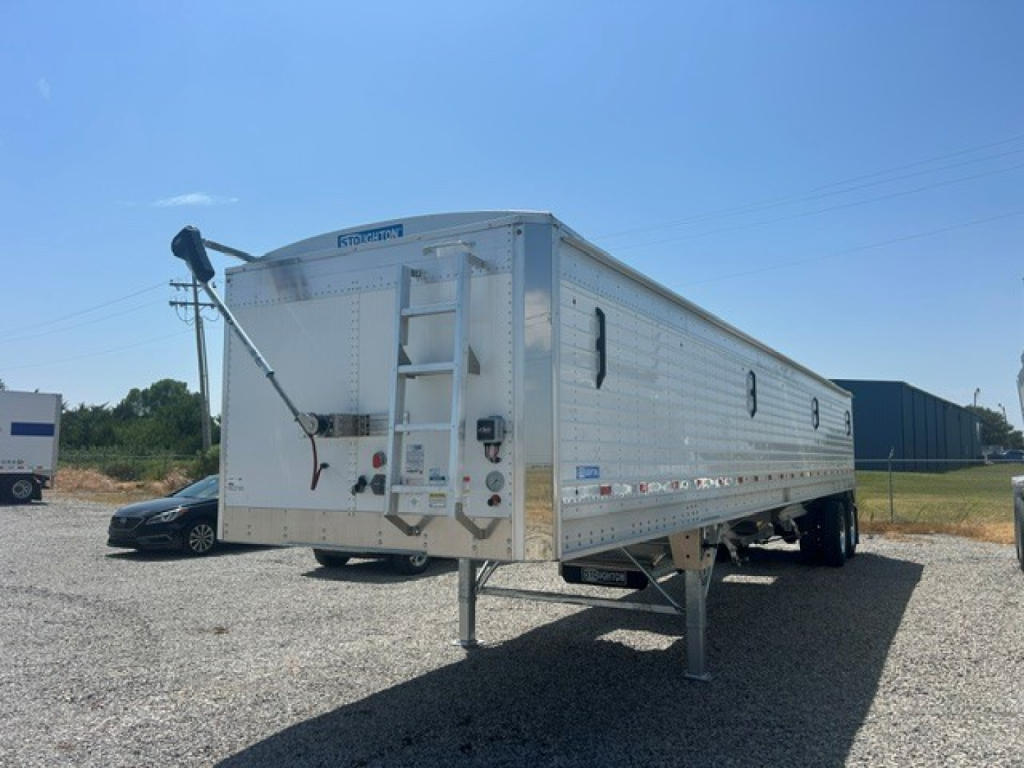
The sample specs here point to 40-foot, 42-foot, and 43-foot aluminum hopper configurations with 68-inch, 74-inch, and 80-inch corrugated sidewalls. That puts capacity in the range many farm, elevator, and regional commodity haulers want, roughly from about 1,370 to 1,757 cubic feet, or around 1,100 to 1,412 bushels depending on commodity and legal loading limits. A galvanized steel subframe paired with aluminum sidewalls and front structure is a practical combination for buyers who want rust resistance up top with durable support underneath. Features like stainless rear walls or corner inserts, removable inner liners, and electric tarp systems also matter in day-to-day use because they help with cleanout, weather protection, and turnaround time at the pit or elevator.
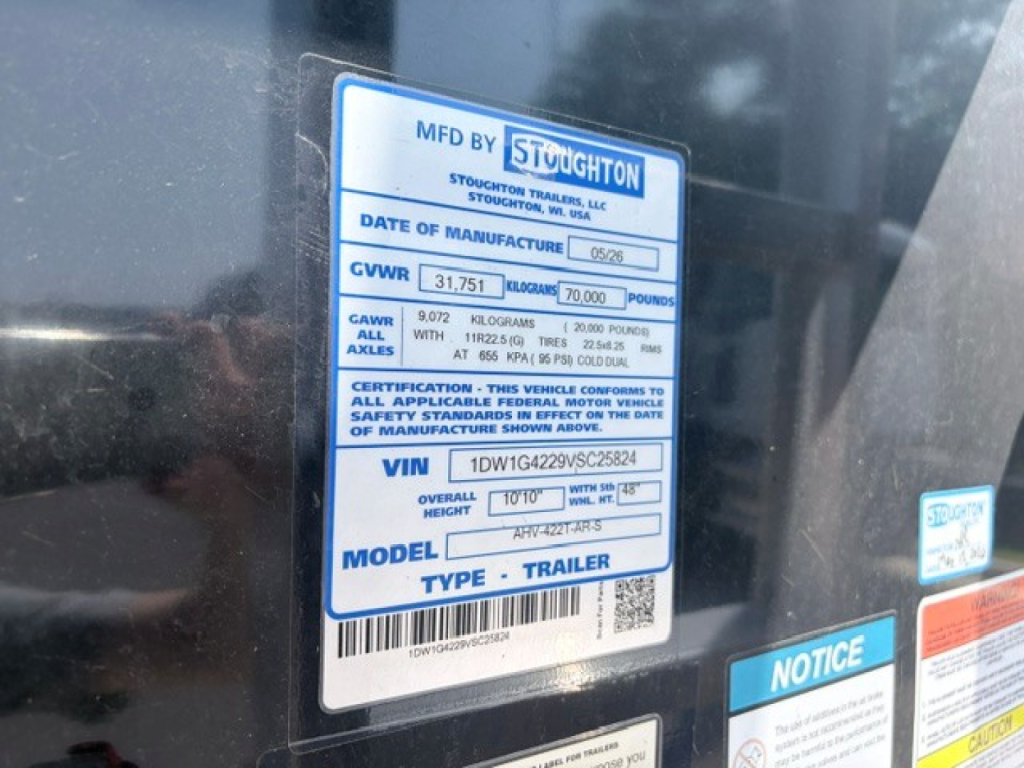
Running gear and chassis details deserve close attention before you choose among listings. Tandem axles with a 49-inch spread, air ride suspension, drum brakes, 2S1M ABS, and 11R22.5 rubber are common on this style of hopper, and they are familiar, serviceable specs for many fleets and owner-operators. Fifth wheel height, kingpin setting, and overall trailer height are especially important if the trailer will be matched to a specific road tractor or run in and out of older facilities with tighter clearance. Ground clearance at the trap area, trapdoor opening size, and the type of manual or powered gate setup affect unloading speed and how easily the trailer handles different grain conditions.
For Oklahoma buyers, the right new Stoughton trailer often comes down to balancing bushel capacity against bridge laws, route conditions, and commodity density. A taller 43-foot hopper may give you the cube needed for lighter products, while a 40-foot or 42-foot trailer can be a better fit if you are trying to manage tare weight, maneuverability, or axle loading across mixed farm and highway work. Lighting layout, anti-spray splash guards, aluminum wheels, and tire inflation systems can also influence long-term operating cost and uptime. When you compare listings, focus on the complete spec sheet rather than only the year or price, because grain hopper value is driven by capacity, unload design, chassis build, and how closely the trailer matches your exact harvest and shuttle work.
Frequently Asked Questions about New Stoughton Trailers in Oklahoma
What size Stoughton grain hopper trailer is best for my operation?
The best size depends on commodity density, legal payload, and where the trailer runs. A 40-foot hopper with lower sidewalls can be a smart choice for operators who want lighter tare weight and easier maneuverability, while 42-foot and 43-foot trailers with taller sidewalls offer more cubic capacity for lighter commodities. Buyers should compare bushel rating, overall height, axle spread, and loaded bridge compliance before deciding.
Why do buyers choose aluminum grain hoppers instead of steel trailers?
Aluminum grain hopper trailers are popular because they reduce empty weight and improve corrosion resistance, both of which matter in agricultural service. Lower tare weight can translate to better payload potential, and aluminum construction generally holds up well against weather exposure when the trailer is maintained properly. Many modern designs still use galvanized steel in the subframe or landing gear areas to balance strength, durability, and service life.
Which specs matter most on a new hopper trailer?
The key specs are trailer length, sidewall height, cubic feet or bushel capacity, tare weight, suspension type, axle spacing, kingpin setting, fifth wheel height, and trapdoor dimensions. Buyers should also look at tarp system type, liner configuration, wheel material, brake setup, ABS, and lighting package. These details directly affect payload, unloading speed, tractor compatibility, maintenance cost, and how well the trailer fits specific elevator or farm loading conditions.
Are tire inflation systems worth it on a grain hopper trailer?
For many operators, a tire inflation system is a worthwhile option because it helps maintain consistent tire pressure across long rural and highway runs. Proper inflation can improve tire life, reduce irregular wear, and lower the risk of roadside downtime from underinflated tires. On high-mileage grain and commodity routes, that can make a noticeable difference in operating cost and trailer uptime.
How important are trapdoor size and cleanout features on a hopper trailer?
They are very important because unload efficiency affects every trip. Larger trap openings, a well-designed 2-stage manual trapdoor system, and smooth interior surfaces can help product flow more consistently and reduce hang-up. Features such as removable inner liners and stainless rear wall sections can also improve cleanout between loads, which matters when handling different grain types or trying to reduce contamination risk.