
New CTS Trailers For Sale in Oklahoma
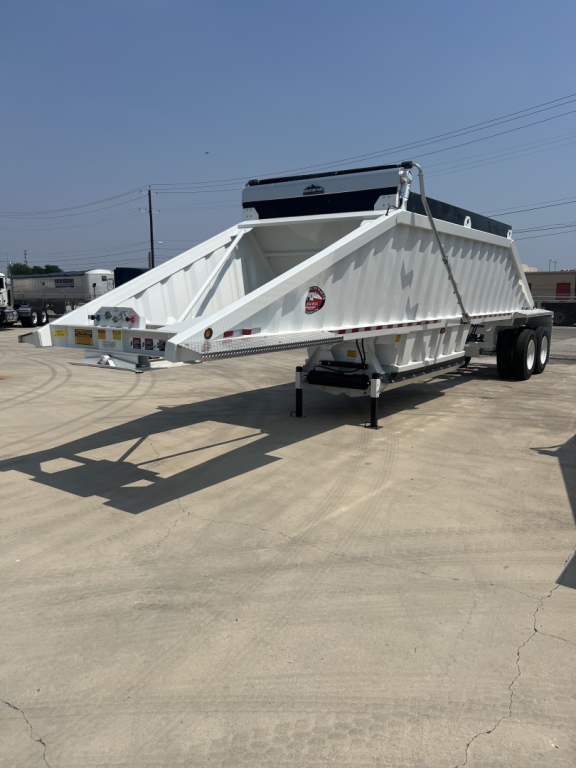
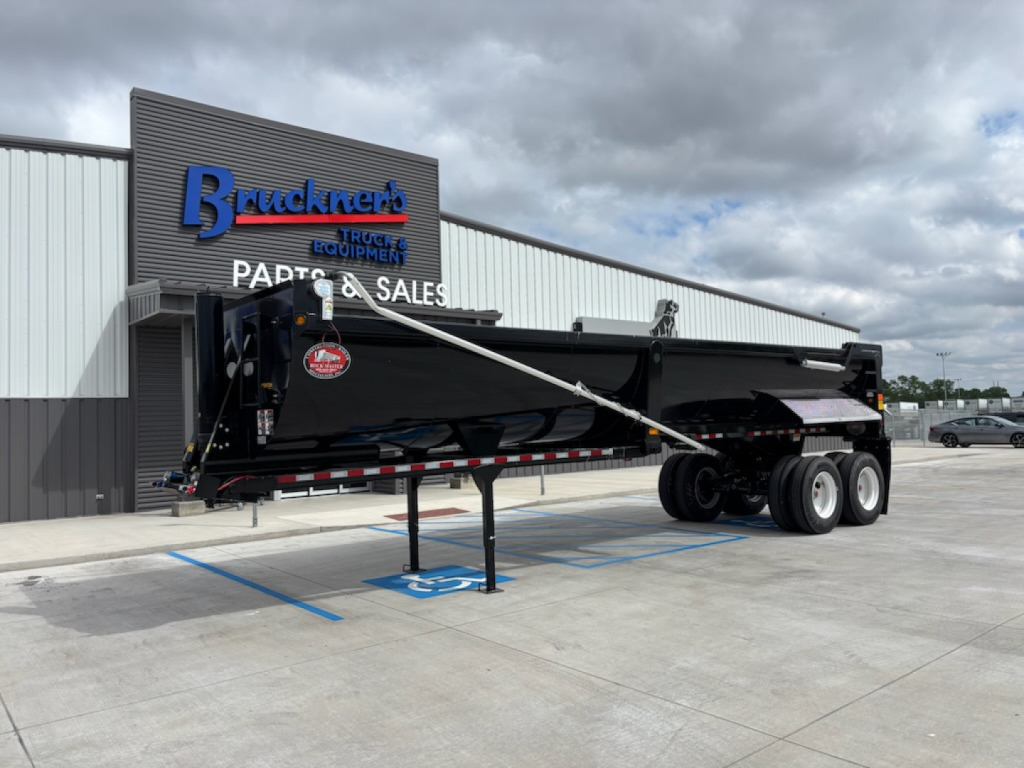
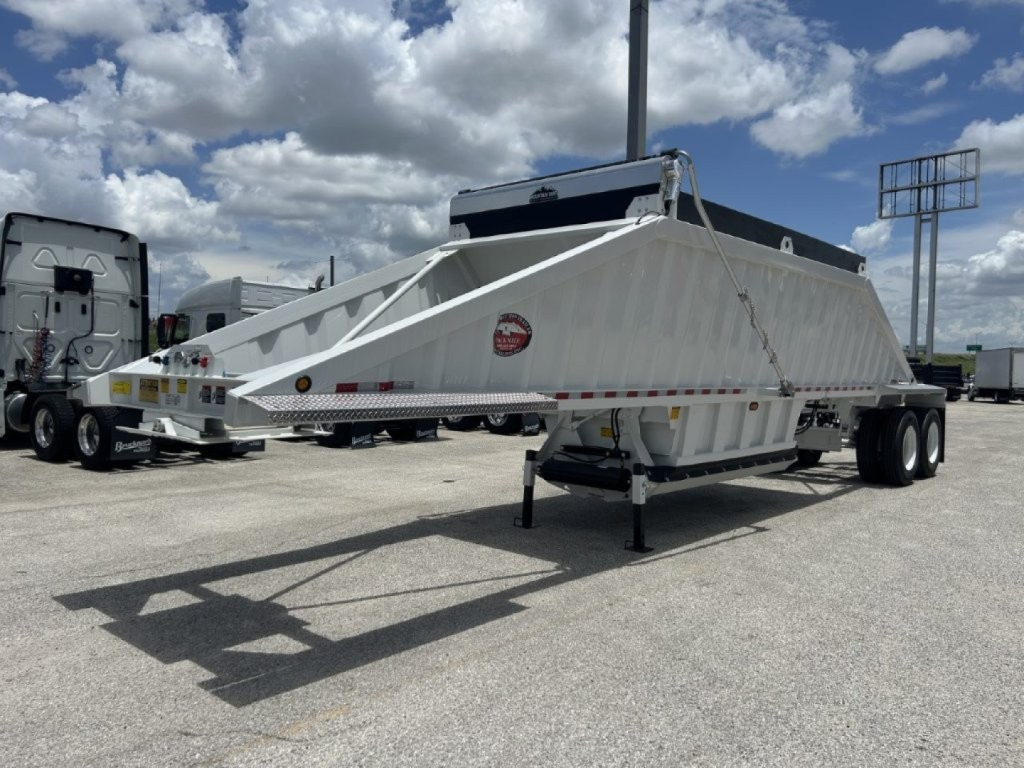
New CTS dump trailers for sale in Oklahoma. Compare 40-foot tandem specs, spring or air ride, cubic yard capacity, tarp systems, and dump features.
Selling a new cts trailer? List your new cts trailer for sale and reach thousands of commercial buyers.
New CTS Trailers in Oklahoma
The first decision on a new CTS dump trailer is usually suspension. Spring ride is simple, proven, and often preferred in rough jobsite conditions where maintenance familiarity matters. Air ride can improve loaded and empty ride quality, help protect the trailer and tractor from repeated shock, and may be a better fit for operators covering more highway miles between pits, plants, and jobsites. Listings in this category may also vary on slope sheets. Front and rear slope sheets can improve material flow and cleanout on certain loads, while a straight-body configuration without slope sheets may suit buyers who want a simpler body layout for their hauling mix.
Buyers should also pay attention to the working details that affect uptime. Electric tarp systems such as a Flip and Go setup speed up load securement and reduce driver effort. A 60-gallon air tank and quick release valves support dependable brake response and trailer function in demanding stop-and-go work. Windrow deflectors can help manage discharge on paving or material placement jobs, and an extended push block is important if the trailer will be used in push applications. On dump trailers, body construction, hinge design, hoist geometry, gate hardware, and wiring protection all deserve a close look because those details show up directly in maintenance cost over time.
When comparing new CTS dump trailers, match the trailer to the material and route before focusing only on price. Capacity in cubic yards matters, but legal payload depends on axle layout, body weight, and the density of the material being hauled. A trailer that works well for sand or gravel may not be ideal for chunk asphalt, demo debris, or sticky clay. Buyers should confirm suspension type, body dimensions, liner or sheet design, tarp system, gate style, tire and wheel spec, and how the trailer is set up to run with their current tractors. A properly matched dump trailer will load cleaner, dump safer, and stay productive longer in daily construction hauling.
Frequently Asked Questions about New CTS Trailers in Oklahoma
What is the typical use for a 40-foot CTS dump trailer?
A 40-foot CTS dump trailer is commonly used for hauling bulk materials such as gravel, sand, dirt, millings, crushed rock, and demolition debris. This size is popular because it offers strong cubic yard capacity while remaining practical for construction, paving, and site work. In markets like Oklahoma, it is a common fit for road crews, excavation contractors, and fleet operators moving material between quarries, plants, and jobsites.
Should I choose spring ride or air ride on a new dump trailer?
Spring ride is generally favored for simplicity, lower initial cost, and familiarity in hard jobsite service. Air ride is often chosen for improved ride quality, less shock transfer, and better manners on longer highway runs. The right choice depends on where the trailer spends most of its time, the condition of the roads and jobsites, and how much value you place on ride quality versus mechanical simplicity.
What do slope sheets do on a dump trailer?
Slope sheets help guide material toward the discharge area and can improve cleanout, especially with loads that do not flow evenly. They can be useful for certain aggregate and paving applications where reducing hang-up inside the body matters. A trailer without slope sheets may offer a more straightforward body design, so the better option depends on the material mix and how the trailer will be used day to day.
How important is the tarp system on a dump trailer?
The tarp system is a major functional feature, not just a convenience item. An electric tarp system speeds load coverage, improves compliance, and reduces the physical effort required from the driver over multiple trips per day. On high-cycle dump work, a reliable tarp setup can save time at every stop and reduce the chance of material loss or roadside issues.
What specs should I compare first on a new CTS dump trailer?
Start with body length, cubic yard capacity, suspension type, axle configuration, and overall empty weight. Then look at practical features such as tarp system, gate style, push block, air tank capacity, quick release valves, fenders, and any options that affect cleanout or discharge control. Those are the specs that most directly influence payload, durability, ease of operation, and long-term maintenance cost.