
New 2027 CTS Trailers For Sale in Oklahoma
Shop new 2027 CTS dump trailers in Oklahoma. Compare 40-foot tandem specs, air or spring ride, tarp systems, capacity, and dump features.
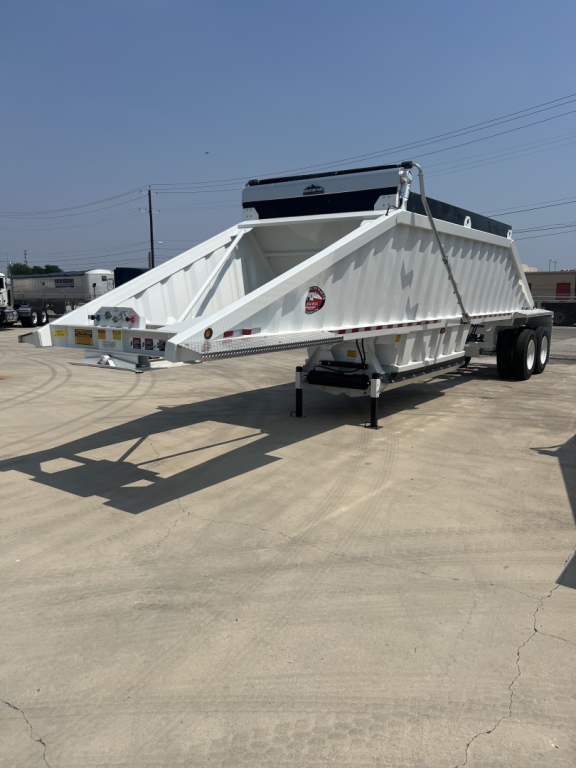
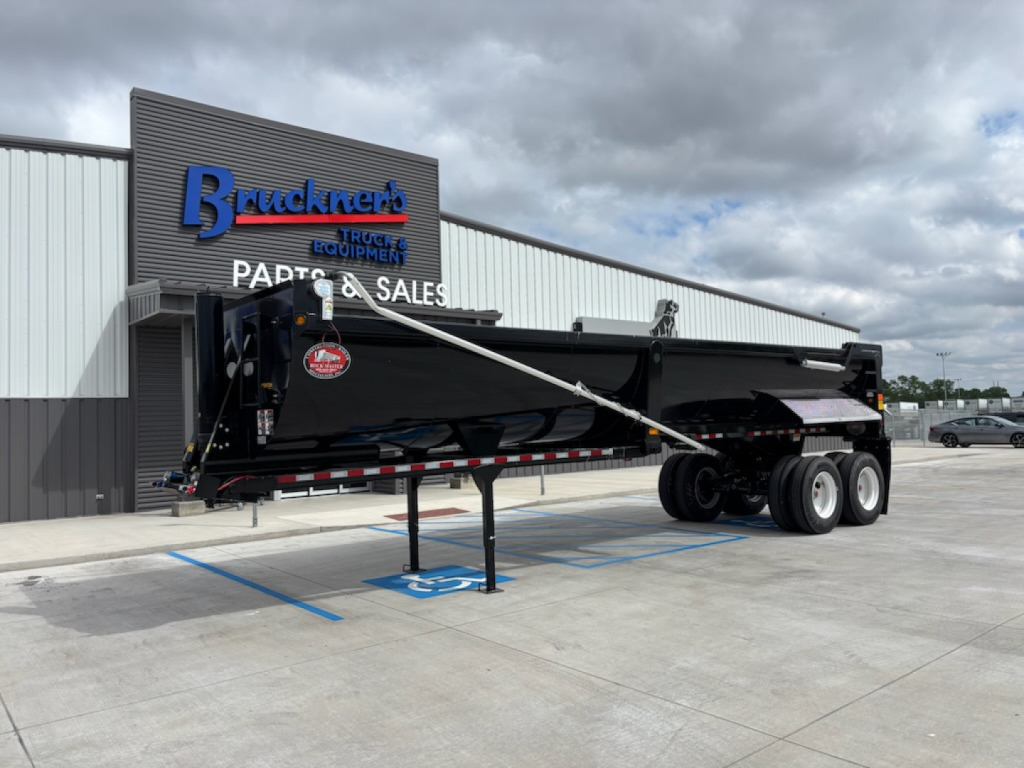
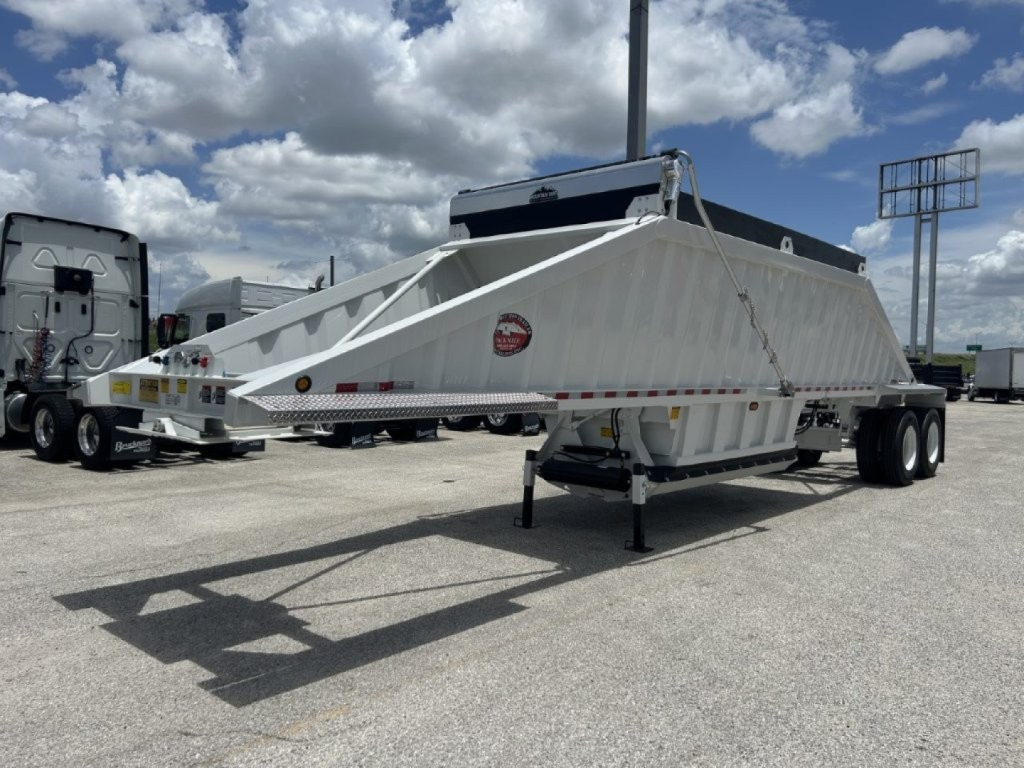
Selling a new 2027 cts trailer? List your new 2027 cts trailer for sale and reach thousands of commercial buyers.
New 2027 CTS Trailers in Oklahoma
A key decision on a CTS dump trailer is air ride versus spring ride. Air ride typically gives better protection for the trailer and cargo on rough roads, improves overall ride quality, and can help with driver comfort and chassis longevity in higher-mileage service. Spring ride remains a popular choice for severe-duty work because it is simple, durable, and familiar to many maintenance shops. On the examples shown here, the 40-foot tandem configuration with about 23.5 cubic yards and 10-inch boards is a practical middle ground for operators hauling sand, gravel, millings, and similar materials. Features like front and rear slope sheets can improve material flow and cleanout, while no-slope-sheet configurations may appeal to buyers who want a simpler body layout for certain loading patterns.
Buyers should also look closely at operating hardware and jobsite details. Electric tarp systems such as a Flip and Go setup are valuable on dump trailers because they speed up load securement and reduce the chance of material loss in transit. Extended push blocks, quick release valves, windrow deflectors, and large air tanks are all functional features, not cosmetic ones. They affect unloading control, asphalt paving work, and the trailer's ability to stay productive in repetitive stop-and-dump cycles. Aluminum diamond plate fenders can help with durability and appearance, while steel wheels are still common for fleets that prioritize cost control and easy replacement.
When comparing new 2027 CTS dump trailers for sale, focus on the spec sheet more than the badge. Trailer length, axle spacing, suspension, body design, liner or sheet configuration, tarp type, wheel-end setup, and hoist-related components all matter. A dump trailer that spends its life on highway aggregate runs may need a different setup than one hauling hot mix or working in demolition. The right CTS trailer is the one with a body and suspension package matched to your material, your legal weight targets, and the roads and jobsites it will see every week.
Frequently Asked Questions about New 2027 CTS Trailers in Oklahoma
What are new 2027 CTS trailers commonly used for?
Based on the sample units, these new 2027 CTS trailers are dump trailers designed for bulk material hauling. Common applications include sand, gravel, rock, dirt, asphalt millings, demolition material, and general construction work. A 40-foot tandem dump trailer with a mid-20-yard capacity is typically suited for contractors, aggregate haulers, and paving operations that need a balance of payload volume, maneuverability, and unloading speed.
Should I choose air ride or spring ride on a CTS dump trailer?
Air ride is usually preferred when ride quality, reduced vibration, and better chassis protection are priorities. It can be a strong choice for highway use and higher-speed regional hauling. Spring ride is often chosen for its simplicity, lower upfront complexity, and reputation for durability in severe-duty environments. The better option depends on your road conditions, maintenance preferences, and the type of material being hauled.
What does a 40-foot tandem dump trailer with 23.5 cubic yards mean in real-world use?
That combination generally indicates a trailer built for bulk loads where body volume and legal weight have to be balanced carefully. A 40-foot body provides useful capacity without moving into a longer trailer footprint, and 23.5 cubic yards is a practical spec for many aggregate and construction materials. Actual payload will still depend on material density, axle ratings, tare weight, and state bridge and gross weight laws.
Are slope sheets important on a dump trailer?
Slope sheets can be very useful when hauling materials that need cleaner discharge and more consistent flow during unloading. They help reduce places where material can hang up inside the body. For some operations, especially where a simpler body design is preferred, a no-slope-sheet trailer may still be the right fit. The decision usually comes down to the material hauled most often and how important fast, clean cleanout is to the operation.
What features should I compare when shopping CTS dump trailers for sale?
The most important comparisons are suspension type, body length, side height or board spec, cubic yard capacity, axle configuration, tarp system, body design, and dump control components. Buyers should also review practical features such as push blocks, quick release valves, air tank capacity, fenders, wheel material, and any options aimed at paving or aggregate work. A trailer that looks similar on paper can perform very differently once it is loaded every day in real service.