
CTS Trailers For Sale
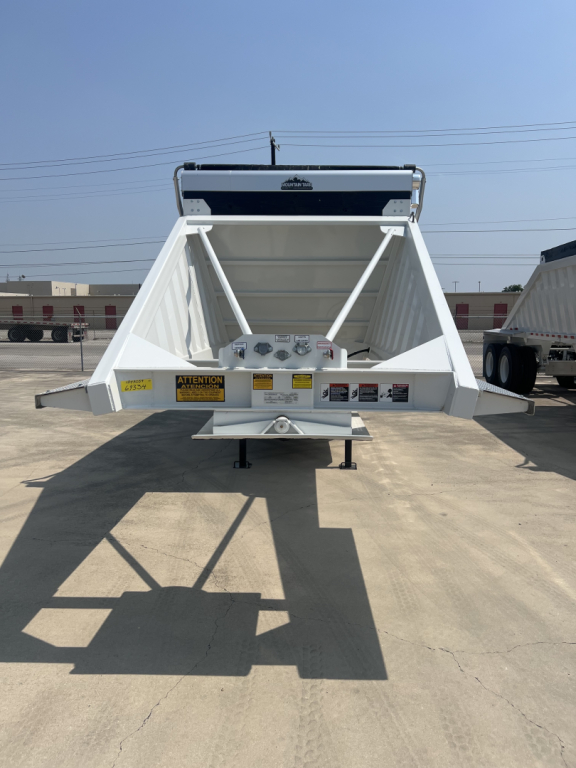
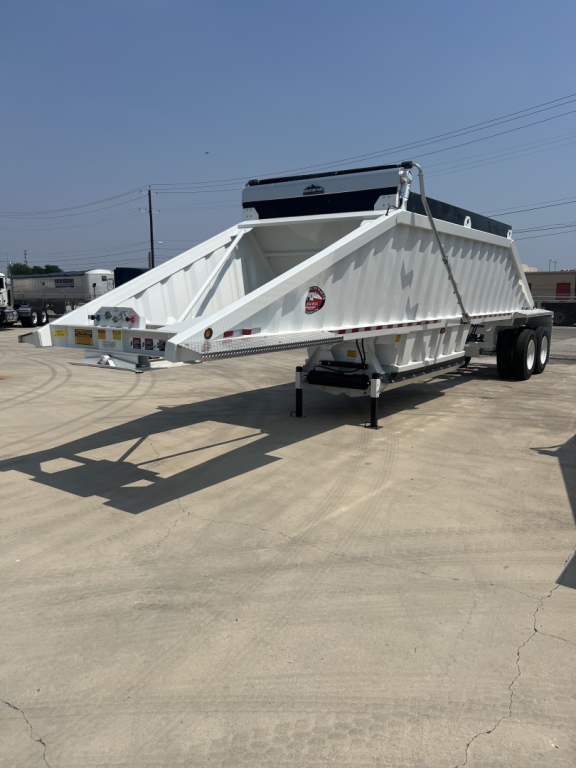
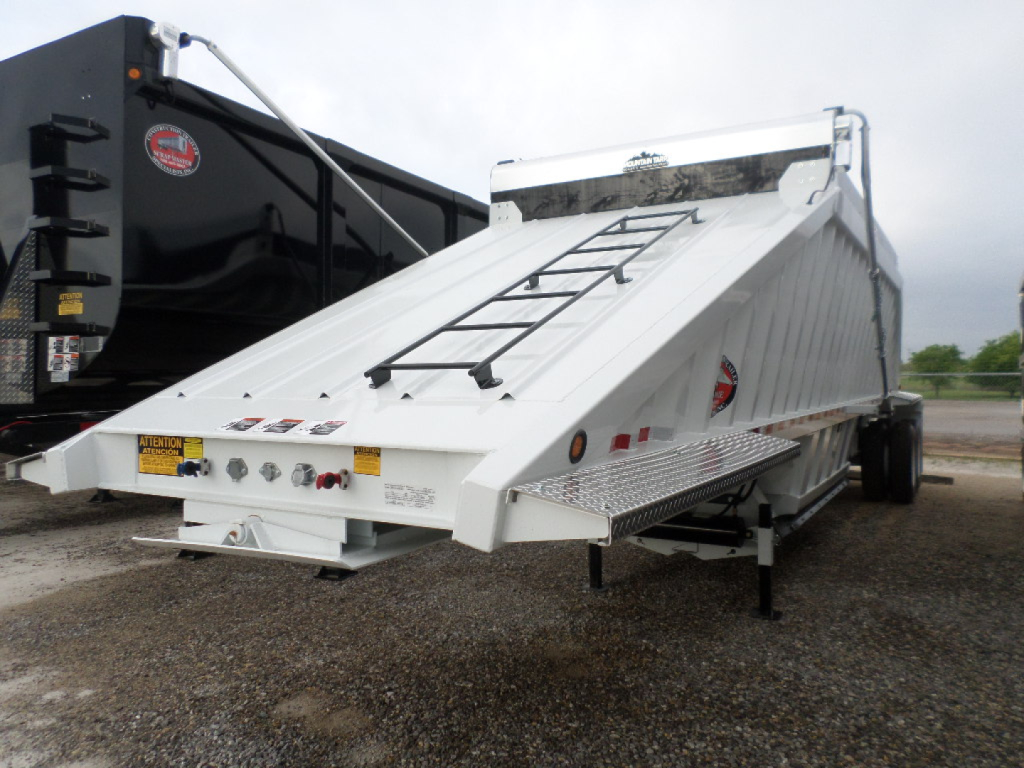
Browse CTS trailers for sale, including dump and end dump models with steel bodies, tandem or tri-axle setups, tarp systems, and jobsite-ready specs.
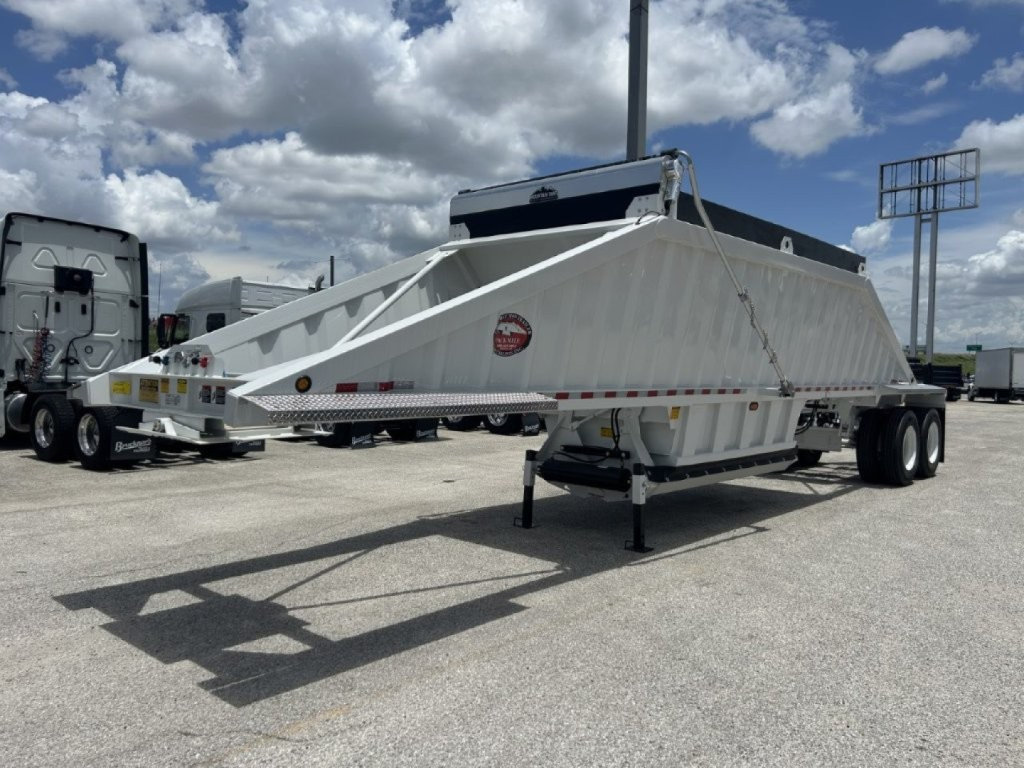
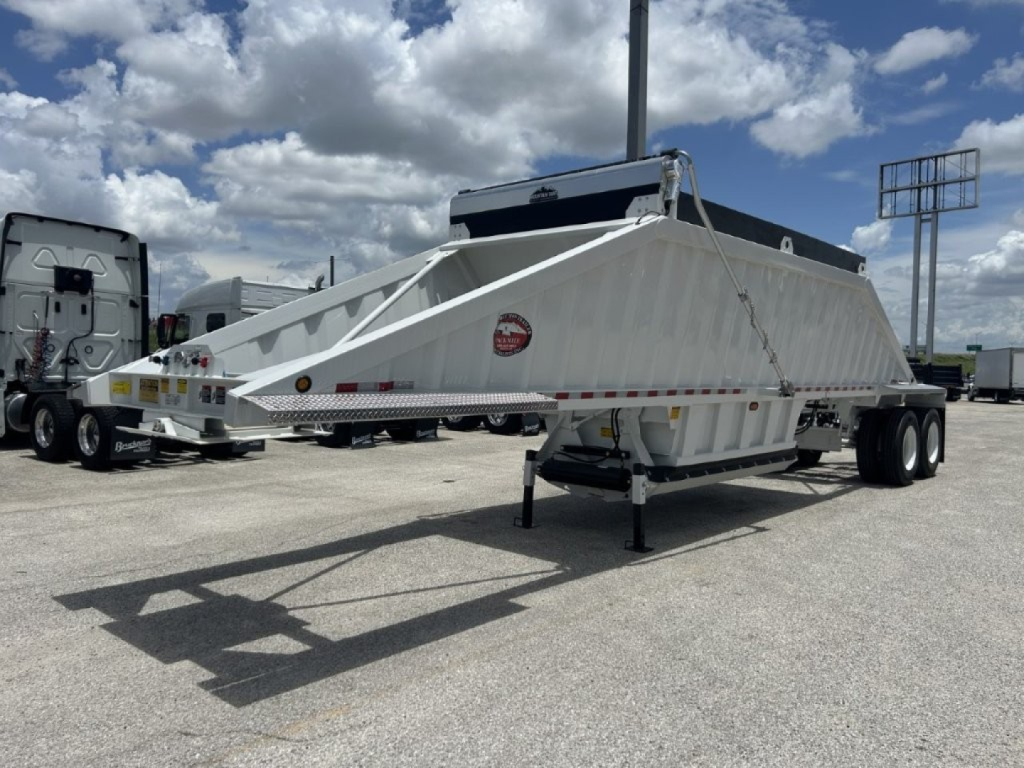
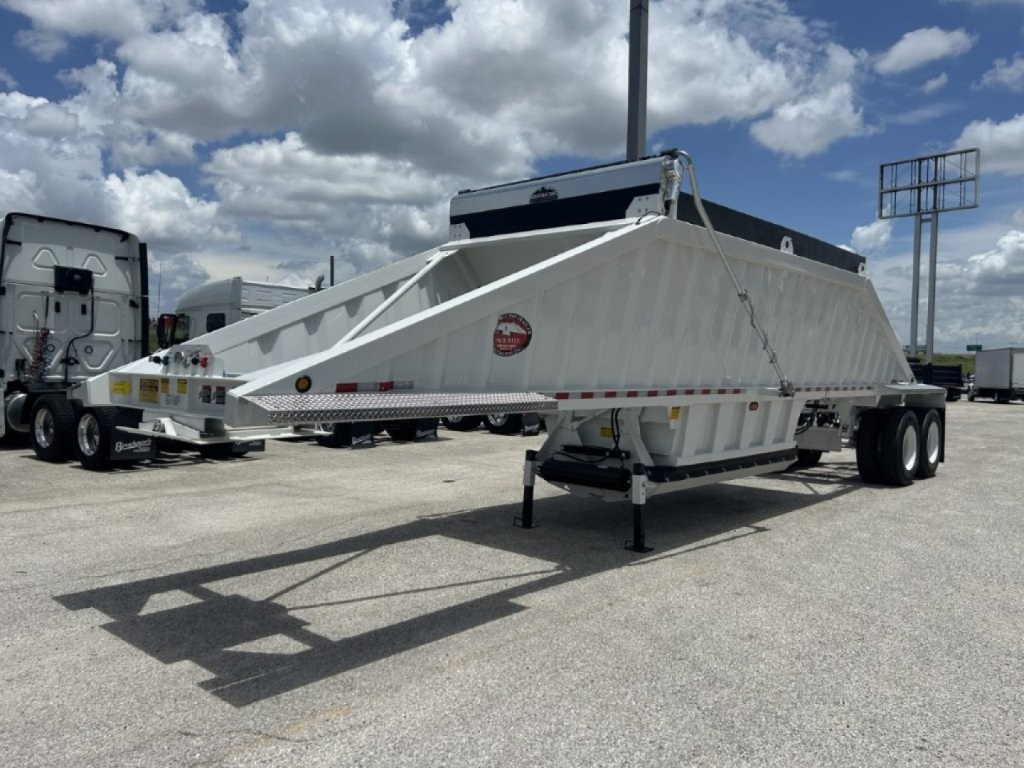
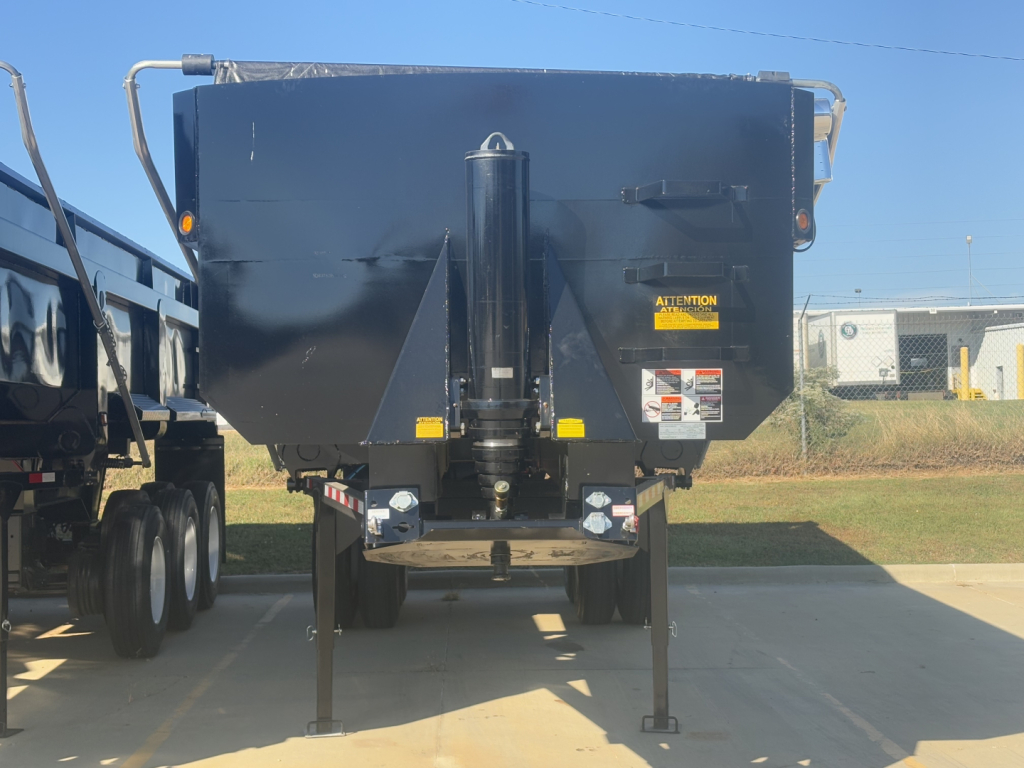
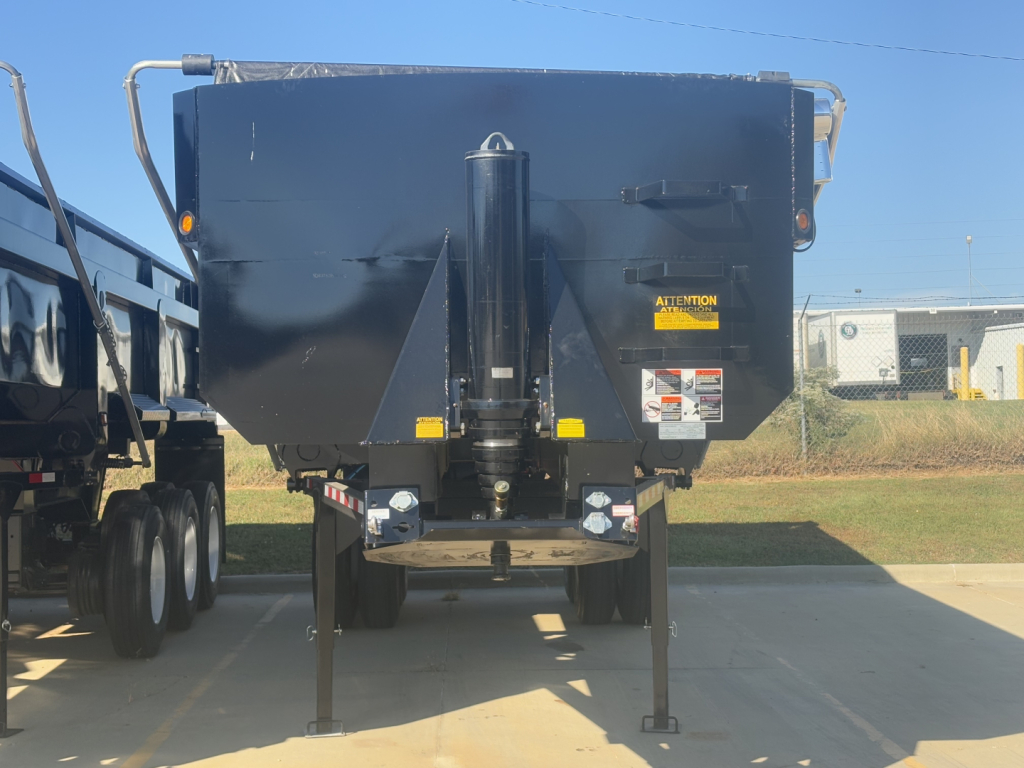
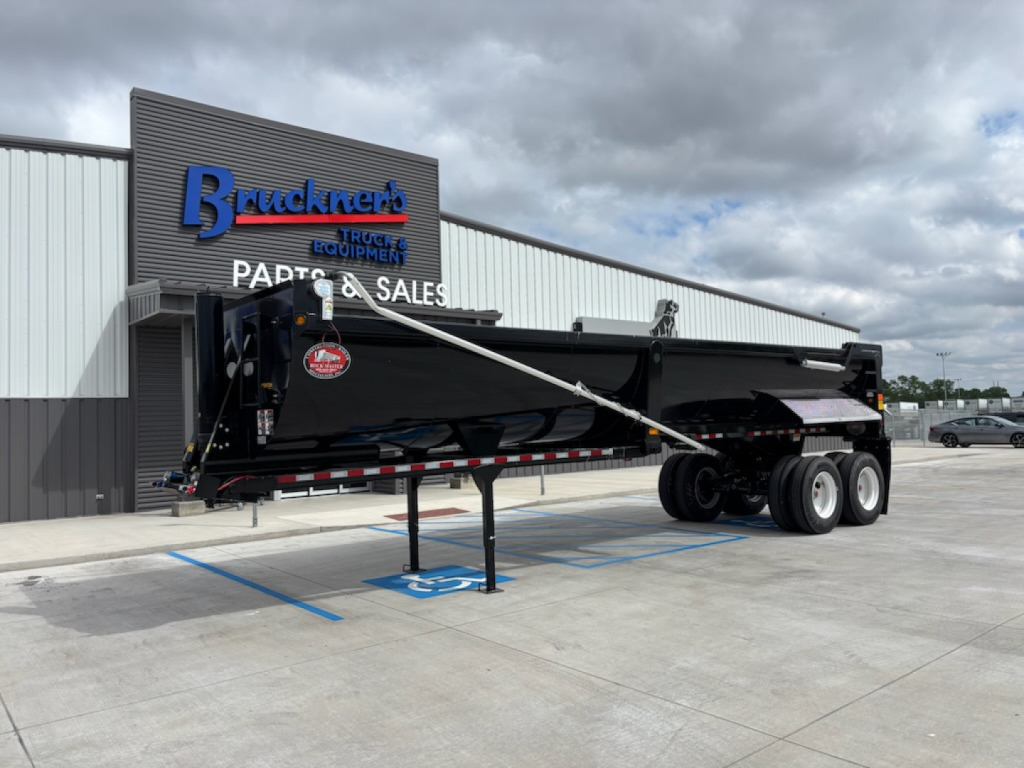
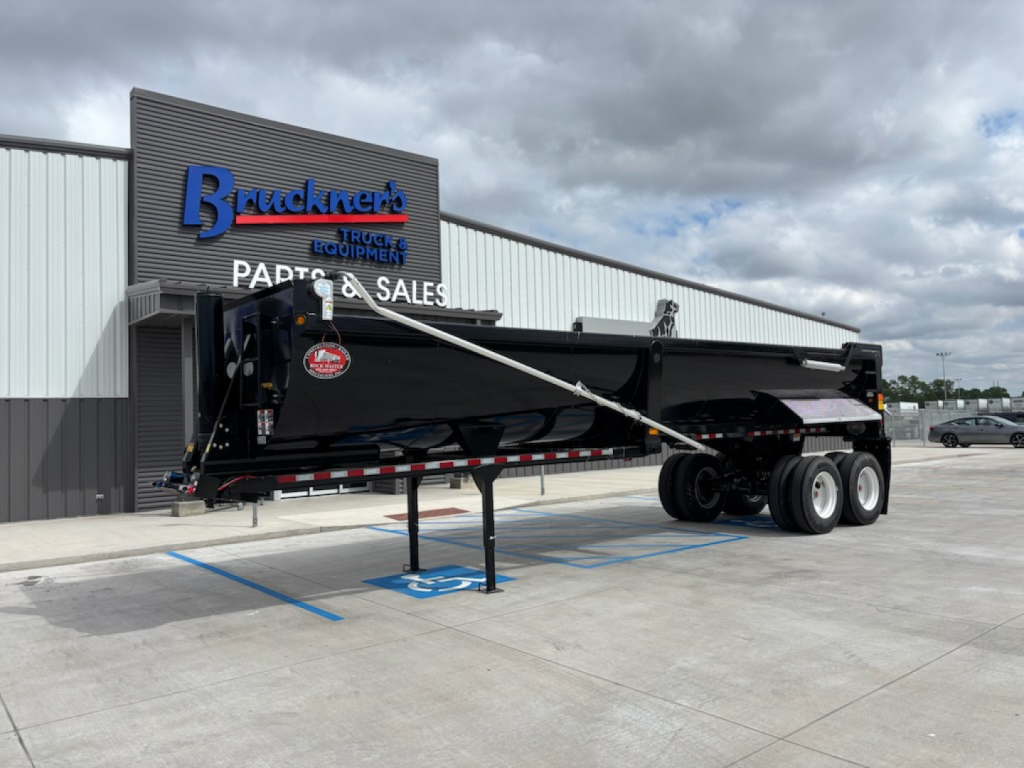
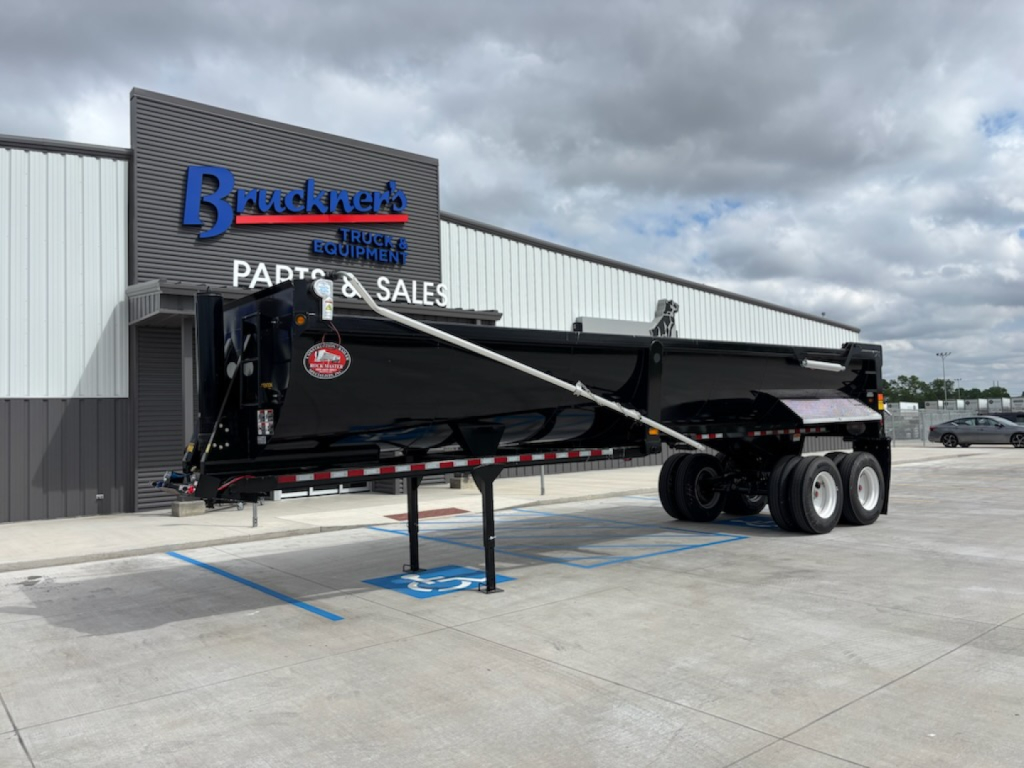
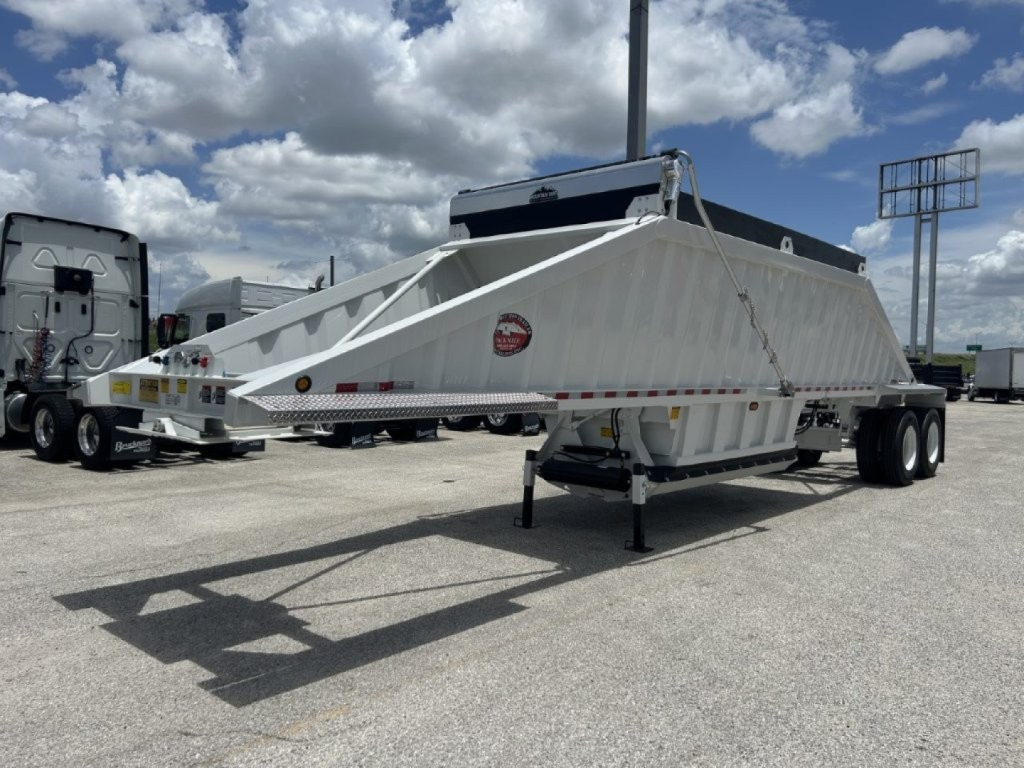
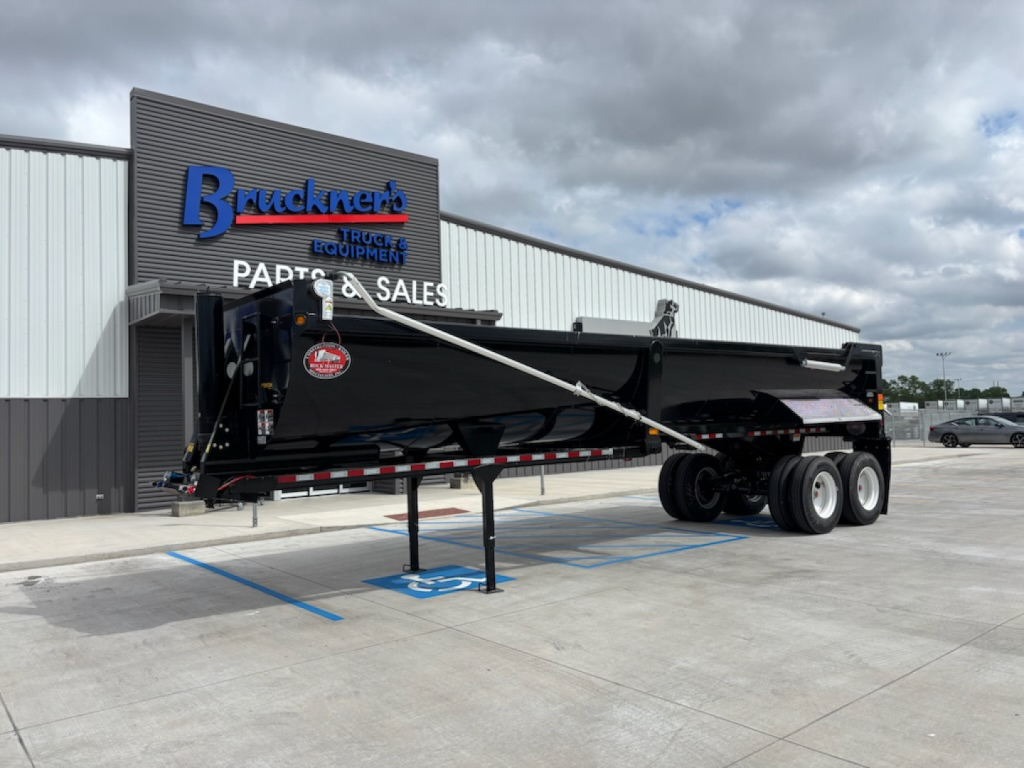
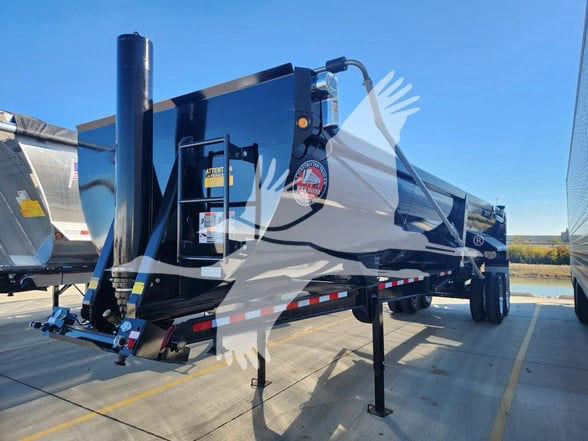
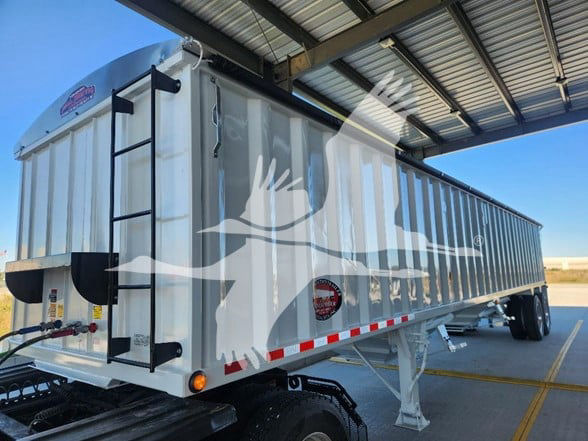

Selling a cts trailer? List your cts trailer for sale and reach thousands of commercial buyers.
CTS Trailers
For end dump work, body construction and floor design are major decision points. Steel bodies remain a common choice for abrasive material and hard daily use, and features like front and rear slope sheets, windrow deflectors, top-hinge rear gates, and push blocks are practical details that affect cycle time and cleanup. A 34-foot or 40-foot steel end dump can be a strong fit for road crews, quarries, and site contractors that want cubic-yard capacity without moving into a specialty configuration. Tarp systems also matter more than many buyers expect. Electric flip tarps are popular because they speed loading and cover cycles, help with compliance, and reduce operator effort during multiple trips per day.
Running gear should be matched to the route and material, not just the trailer price. Tandem axle CTS dump trailers are a familiar choice for general hauling and simpler maintenance, while tri-axle setups can help distribute weight and may better suit heavier payload demands or local bridge law requirements. Spring ride suspension is common on vocational dump trailers because it is durable and easy to service, though ride quality and frame stress should still be considered based on haul distance and road conditions. Tire and wheel specs such as 11R x 24.5 rubber, steel wheels, or aluminum outer wheels influence tare weight, serviceability, and corrosion resistance. Details like axle lift, drop legs, air tank capacity, quick-release valves, and 6-way wiring are not small items on a dump trailer. They affect daily usability, hookup convenience, and brake response on the job.
A buyer looking at CTS trailers should pay close attention to trailer length versus material density, gate style, slope design, and overall empty weight. Lightweight dump models can improve payload opportunity, but heavy-duty steel end dumps often make more sense when the trailer will see rough loading practices, demolition debris, or constant contact with rock and asphalt. Check the hoist condition, hinge area, crossmember integrity, liner or floor wear, tarp operation, suspension bushing wear, and brake history on used units. If the trailer will stay on pavement and run repeatable routes, a longer capacity-focused trailer may pencil out. If it will back into tight sites, deal with uneven ground, or carry mixed material, shorter wheelbase and simpler specifications often make ownership easier.
Frequently Asked Questions about CTS Trailers
What types of CTS trailers are most common?
CTS trailers are often seen in dump and end dump configurations built for bulk material hauling. Common layouts include steel-bodied tandem axle and tri-axle trailers in lengths ranging from the mid-20-foot class up to around 40 feet. These trailers are typically used for aggregate, dirt, asphalt millings, scrap, and demolition-related material where fast unloading and durable construction are priorities.
Is a tandem axle or tri-axle CTS dump trailer the better choice?
The better choice depends on payload targets, local weight laws, and the type of route the trailer will run. Tandem axle trailers are simpler, generally lighter, and easier to maintain, which makes them a solid fit for many general-purpose hauling jobs. Tri-axle trailers can offer better weight distribution and may help in applications where higher legal payload or bridge compliance is important, but they add complexity, tire cost, and turning considerations.
Why do many CTS dump trailers use steel bodies and spring ride suspension?
Steel bodies are favored for abrasive and high-impact material because they hold up well under loaders, rock, concrete chunks, and other punishing cargo. Spring ride suspension remains common in vocational work because it is rugged, familiar to service shops, and comparatively straightforward to maintain. That combination suits fleets and owner-operators who prioritize durability and repair simplicity over the weight savings or ride refinement of more specialized setups.
What should I inspect on a used CTS dump or end dump trailer?
Focus on structural and wear items first. Inspect the floor, sidewalls, crossmembers, hoist, rear hinge area, gate hardware, suspension components, brakes, and tire condition. Confirm that the tarp system works properly and look closely for cracking, patching, corrosion, or signs of uneven frame stress. On a trailer with lift axles or added options, verify that the air system, valves, and electrical wiring function correctly because those items affect daily uptime more than cosmetic condition.
How do length and capacity affect CTS end dump trailer performance?
Longer trailers usually offer more cubic capacity, which can improve efficiency when hauling lighter bulk materials. Shorter trailers can be easier to maneuver in tight jobsites and may feel more predictable on uneven ground or in difficult backing situations. Capacity should always be matched to material density, because a trailer sized for volume can still become a weight-limited trailer quickly when it is loaded with wet aggregate, sand, or broken concrete.