
CTS Trailers For Sale in Oklahoma
Browse CTS trailers for sale, including dump trailer configurations with tandem axles, steel construction, spring ride suspension, and hauling specs.
Selling a cts trailer? List your cts trailer for sale and reach thousands of commercial buyers.
CTS Trailers in Oklahoma
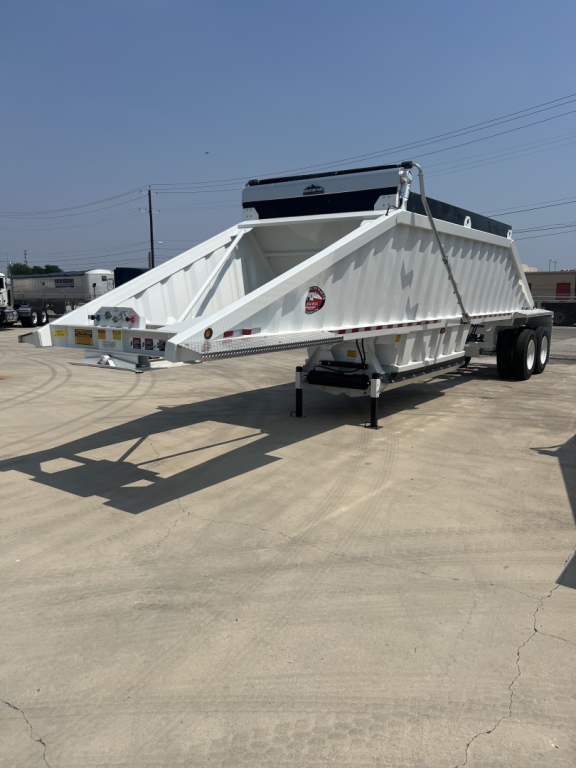
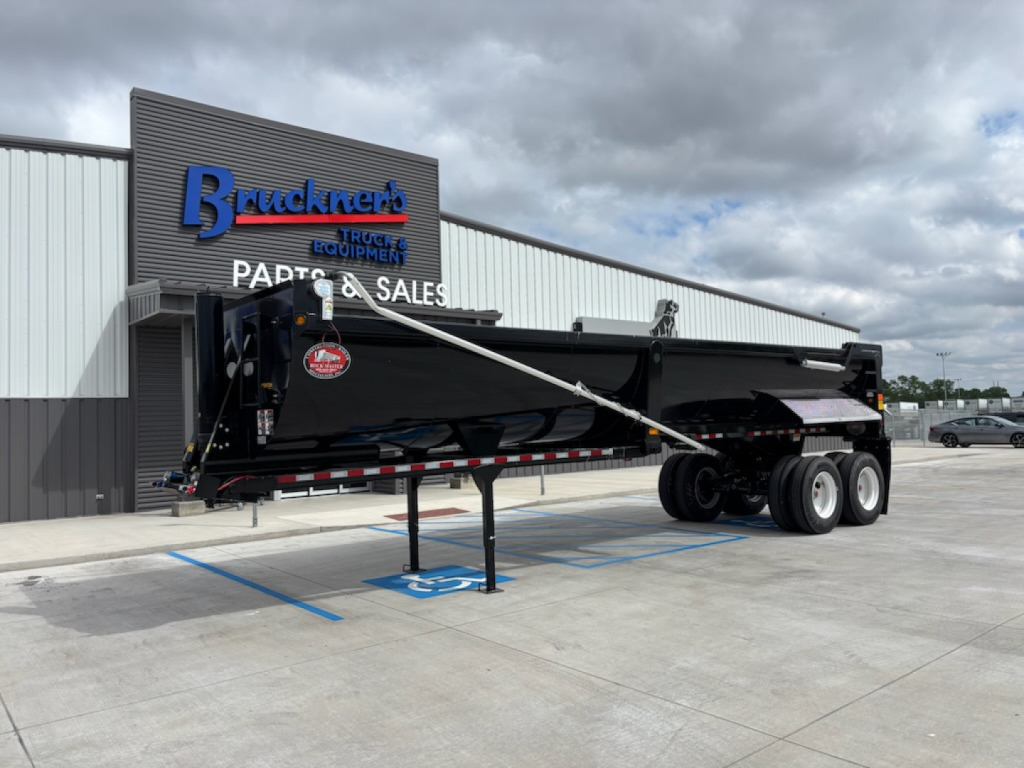
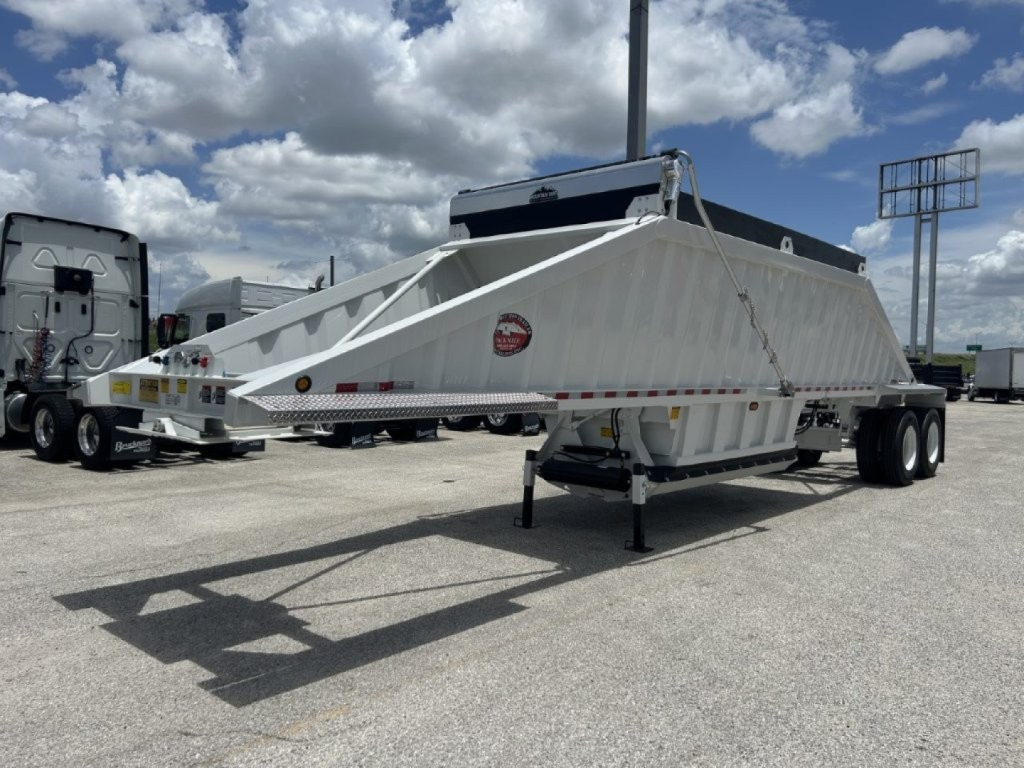
One of the first details to compare is body size versus payload style. Listings in this category often include 40-foot dump trailers with around 23.5 cubic yards of capacity, 10-inch boards, and front and rear slope sheets to improve material flow and cleanout. For buyers hauling asphalt millings, sand, gravel, riprap, or mixed construction debris, slope sheet design, push block setup, tarp system, and windrow control features can make a real difference in daily productivity. Details like an extended push block, windrow deflector, and electric flip tarp are not cosmetic options. They affect unloading consistency, loader compatibility, and how quickly a trailer turns between loads.
Running gear matters just as much as the box. Tandem axle CTS trailers are often spec'd with spring ride suspension, drum brakes, steel wheels, and 11R24.5 rubber, which is a familiar and serviceable setup for fleets and owner-operators alike. Spring ride is a practical choice for rougher roads, quarry entrances, and uneven jobsites where simplicity and durability are priorities. Buyers should also check air system capacity, valve configuration, fender design, and overall brake condition, especially if the trailer will see high-cycle local hauling. In a dump application, maintenance access and parts commonality often carry more value over time than a lighter or more specialized configuration.
A good CTS trailer fit comes down to matching the trailer to the material, route, and unloading environment. For Oklahoma operations, it is smart to think about county roads, oilfield approaches, asphalt work, and construction traffic patterns when comparing specs. Look closely at suspension type, trailer composition, cubic yard rating, board height, tarp system, and dump body details that affect cleanout and stability. CTS dump trailers tend to appeal to buyers who want a conventional, heavy-duty spec that can handle repetitive work without unnecessary complexity.
Frequently Asked Questions about CTS Trailers in Oklahoma
What are CTS trailers most commonly used for?
CTS trailers in this category are commonly used as dump trailers for hauling aggregate, sand, gravel, dirt, asphalt millings, demolition debris, and other bulk materials. They are generally built for repetitive local and regional haul work where strength, stable unloading, and straightforward serviceability are more important than lightweight specialty specs.
What should I look for when comparing CTS dump trailers?
Start with body length, cubic yard capacity, body material, and axle configuration. Then look at suspension type, brake setup, tire size, board height, slope sheets, tarp system, and push block design. These details affect payload type, unload performance, maintenance cost, and how well the trailer fits your route and loading equipment.
Is spring ride a good choice on a CTS dump trailer?
Spring ride is a common choice for dump trailers because it is durable, simple, and well suited for rough jobsite conditions. It is often preferred in applications that involve quarry roads, construction entrances, and uneven surfaces. While it may not deliver the same ride characteristics as air ride, many buyers value its toughness and lower complexity.
Why do slope sheets matter on a dump trailer?
Front and rear slope sheets help material move more cleanly during unloading and can reduce carryback inside the body. That matters when hauling sticky or dense materials because cleaner discharge improves cycle time and lowers the amount of leftover material that has to be manually cleaned out. Slope sheet design also supports more consistent unloading behavior from load to load.
Are steel CTS trailers a good fit for heavy hauling?
Steel CTS trailers are often a strong fit for heavy-duty dump work because steel construction stands up well to impact, abrasion, and repeated loading with dense material. Buyers hauling rock, broken concrete, or abrasive aggregate often prefer steel bodies for durability. The tradeoff is higher empty weight compared with some lightweight alternatives, so payload strategy and legal weight limits should be considered.