
2027 CTS Trailers For Sale in Oklahoma
Shop 2027 CTS trailers for sale, including dump trailer configurations with tandem axles, air or spring ride, tarp systems, and work-ready specs.
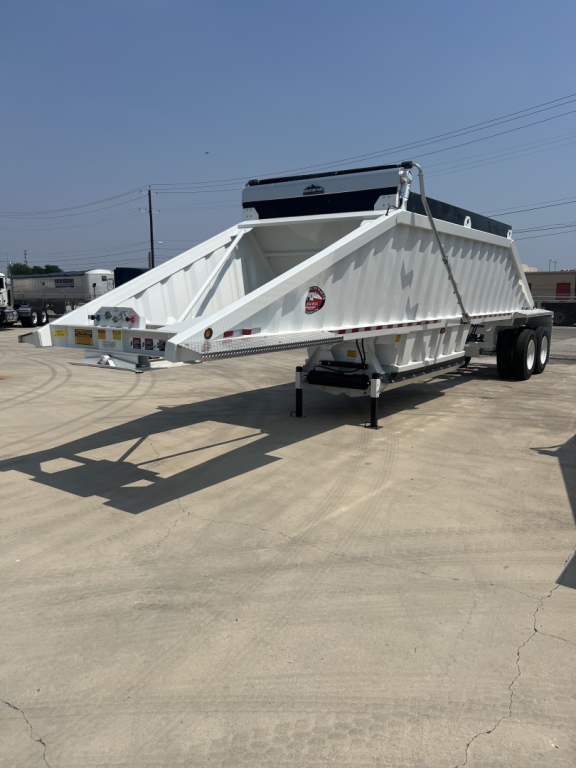
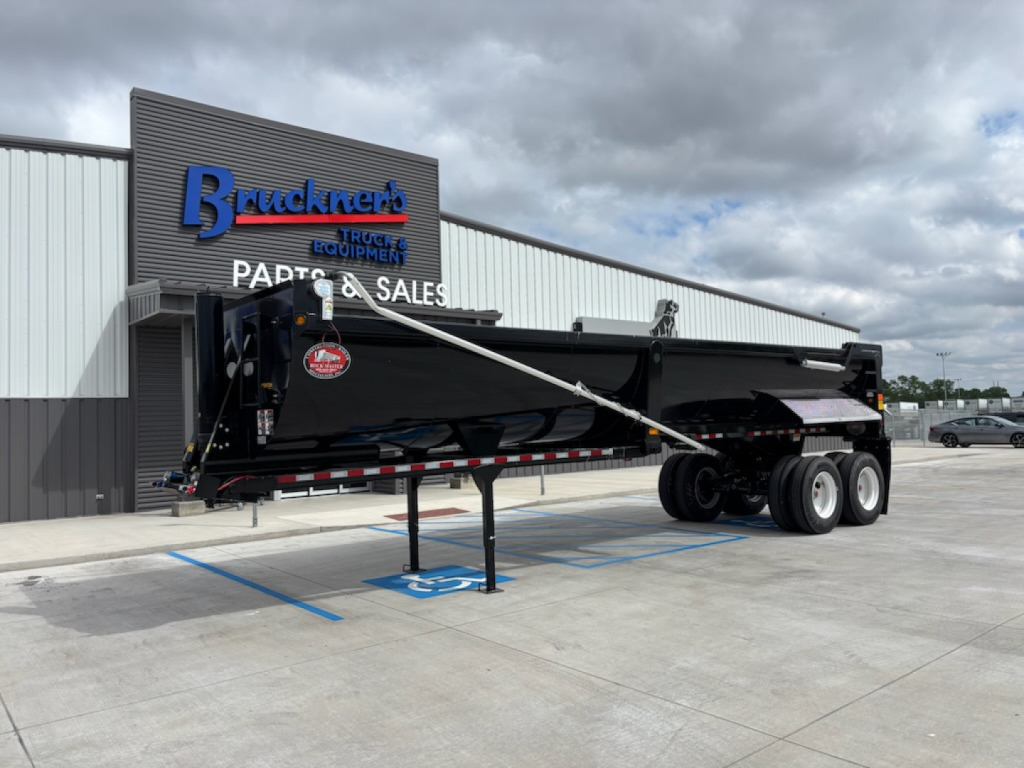
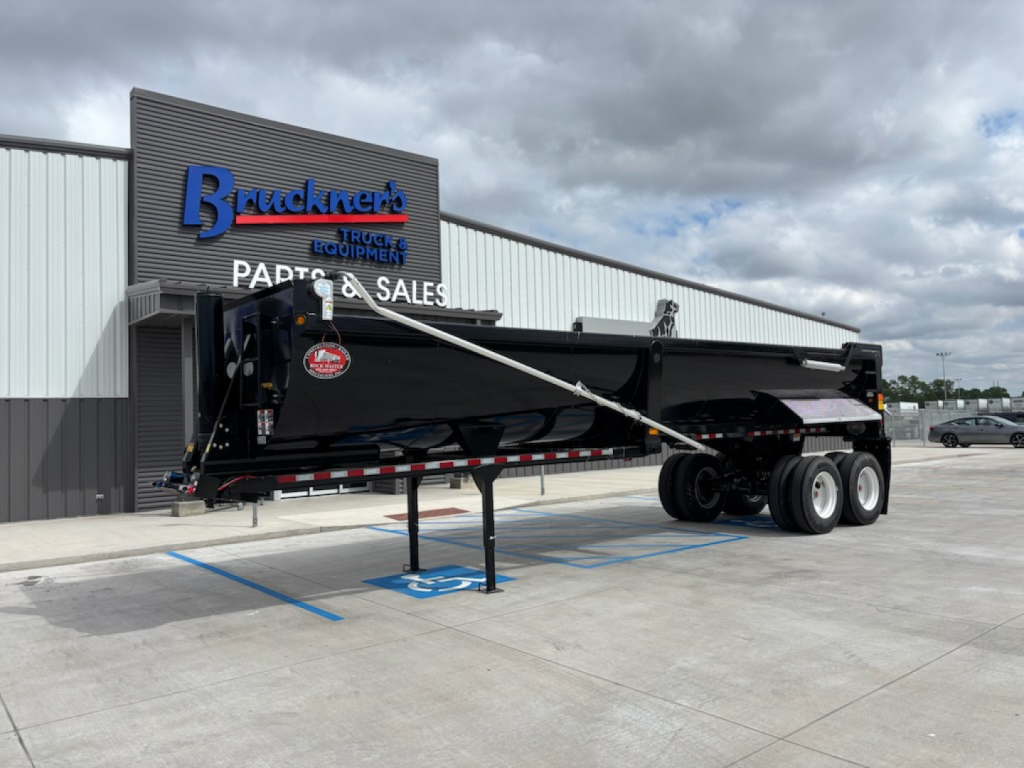
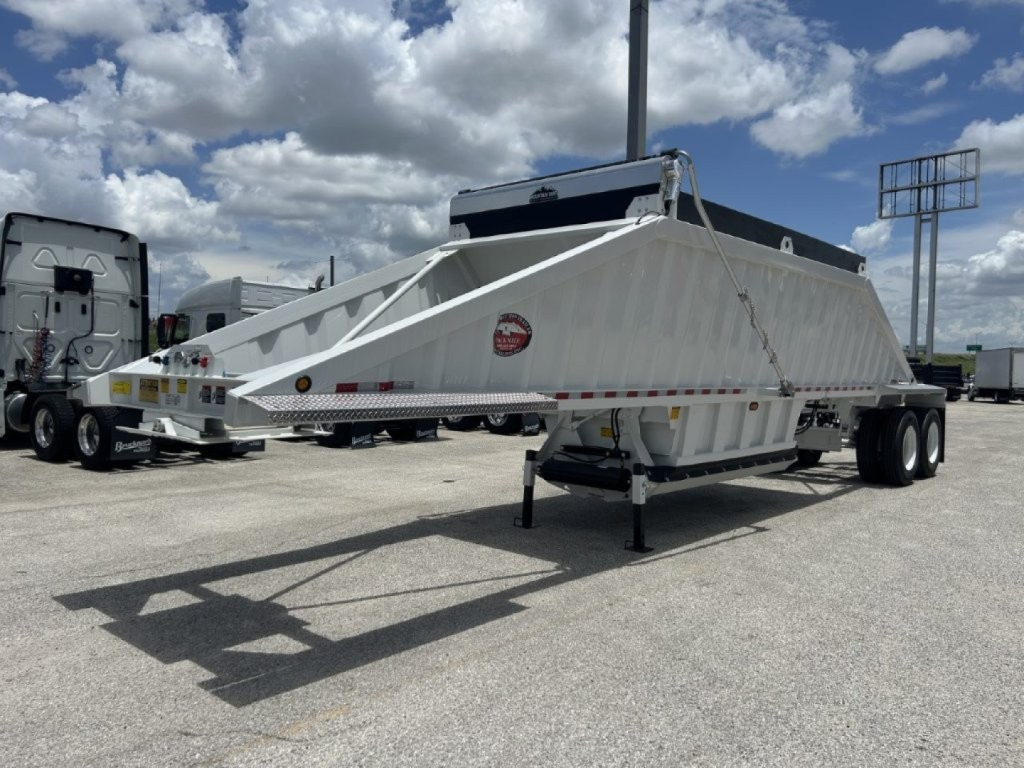
Selling a 2027 cts trailer? List your 2027 cts trailer for sale and reach thousands of commercial buyers.
2027 CTS Trailers in Oklahoma
One of the first decisions a buyer should make is air ride versus spring ride. Air ride dump trailers generally offer a smoother pull, better load protection on rough roads, and improved driver comfort, especially on longer regional runs or mixed pavement routes. Spring ride remains a practical choice for fleets that prioritize simplicity, lower upfront cost, and ease of maintenance in severe-duty service. On CTS dump trailers, that suspension decision often goes hand in hand with the type of material being hauled and the roads the trailer will see every day. Tandem axle layouts are common in this class because they balance payload, maneuverability, and serviceability well for construction and material hauling.
Body configuration also deserves close attention. Slope sheets can help material flow and reduce hang-up with certain loads, while a no-slope-sheet body may appeal to operators hauling products that load and discharge cleanly without the extra structure. Features like windrow deflectors, extended push blocks, quick release valves, and large air tanks are not minor details on a dump trailer. They affect unloading control, paver work compatibility, brake response, and day-to-day operating efficiency. Electric tarp systems, including flip tarp styles, are now a common expectation because they speed up load securement and help meet jobsite and highway compliance requirements.
For Oklahoma buyers, dump trailer selection often comes down to matching suspension, body style, and tare weight to the mix of road construction, site work, and aggregate hauling in the region. CTS trailers in this class are generally aimed at operators who want a purpose-built dump trailer without unnecessary complexity. When comparing listings, focus on capacity, suspension, side height, sheet design, fender construction, tarp setup, and any paving-oriented details. Those specs will tell you far more about how the trailer will perform in your operation than model naming alone.
Frequently Asked Questions about 2027 CTS Trailers in Oklahoma
What are the most important specs to compare on a 2027 CTS dump trailer?
The key specs are body length, cubic yard capacity, axle configuration, suspension type, side height, and tarp system. On dump trailers, those items directly affect payload, material flow, ride quality, and jobsite suitability. Buyers should also compare features such as slope sheets, push blocks, air tank capacity, quick release valves, and windrow deflectors because those details can make a major difference in paving, aggregate, and construction service.
Is air ride or spring ride better on a CTS dump trailer?
Air ride is usually preferred when ride quality, reduced vibration, and better protection for both trailer and tractor are priorities. It is a strong fit for longer hauls, mixed road conditions, and fleets focused on driver comfort. Spring ride remains popular in severe-duty vocational work because it is simple, proven, and often less expensive to maintain. The better choice depends on your routes, load type, and maintenance strategy rather than the trailer brand alone.
What do slope sheets do on a dump trailer?
Slope sheets help direct material toward the discharge area and can reduce carryback or material hang-up inside the body. That can be useful when hauling sticky or uneven-flowing products. A trailer without slope sheets may offer a different internal body profile that some operators prefer for specific materials or loading patterns. The right configuration depends on what you haul most often and how important clean, fast discharge is in your operation.
Are 40-foot tandem dump trailers a good fit for aggregate and paving work?
Yes. A 40-foot tandem end dump is a common setup for aggregate, asphalt-related work, dirt, sand, gravel, and general construction hauling. It offers a practical balance of capacity and maneuverability, especially for regional and jobsite work. Buyers should still verify local bridge laws, axle weight rules, and site access conditions because those factors determine how much of the trailer's rated capacity can be used legally and efficiently.
Why do tarp systems and windrow deflectors matter on a dump trailer?
A tarp system is essential for load securement, road compliance, and material retention in transit. Electric tarp systems reduce the time and effort required to cover and uncover loads, which matters on high-cycle days. Windrow deflectors are especially relevant in paving and road work because they help control material placement and reduce spillage patterns during unloading. These are functional specs, not convenience add-ons, for many dump trailer operations.