
CTS Dump Trailers For Sale in Oklahoma
Shop CTS dump trailers in Oklahoma. Compare 40-foot tandem models, ride options, cubic yard capacity, tarp systems, and dump specs.
Selling a cts dump trailer? List your cts dump trailer for sale and reach thousands of commercial buyers.
CTS Dump Trailers in Oklahoma
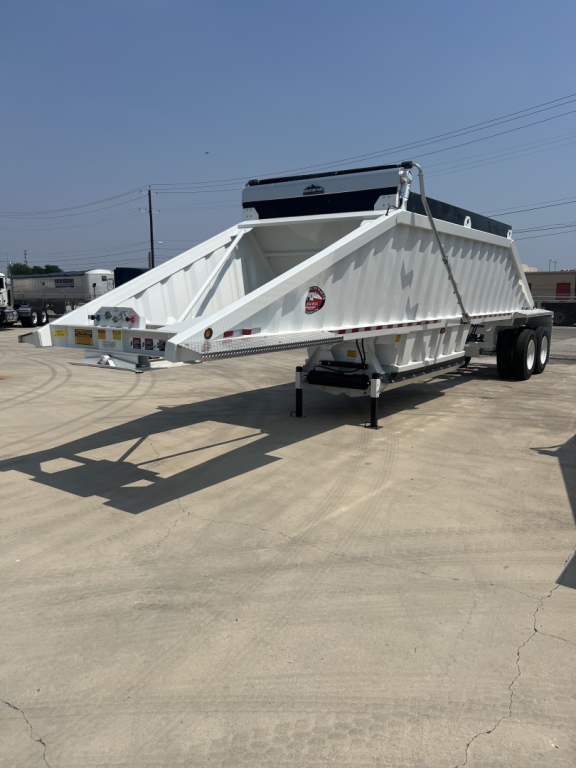
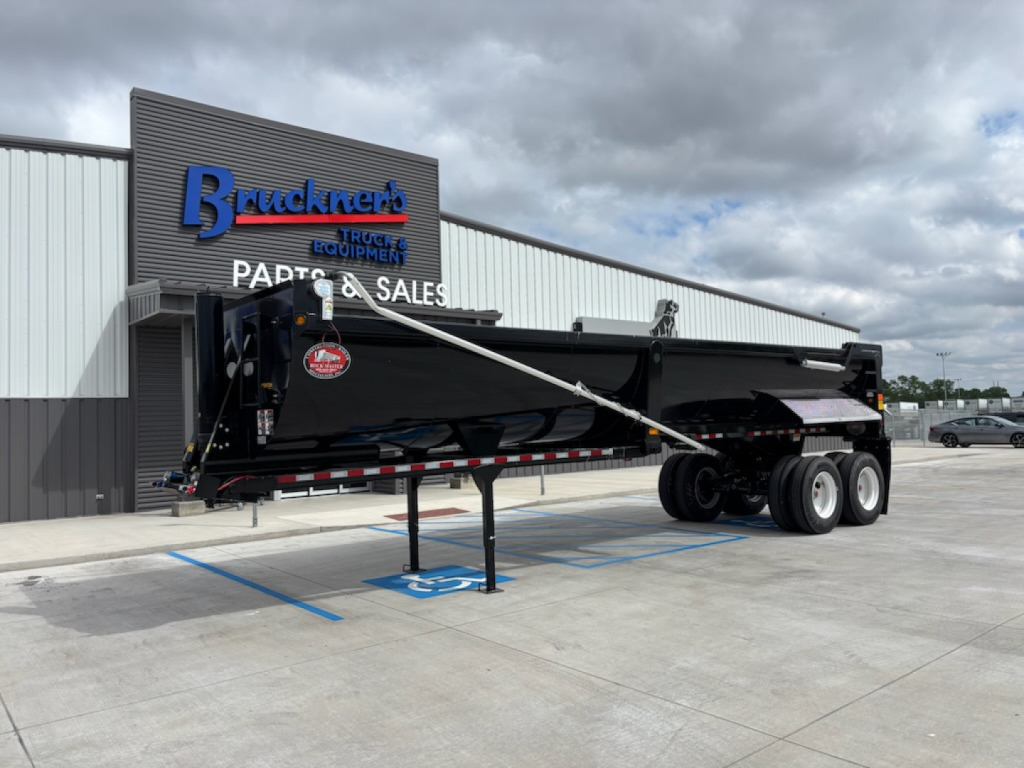
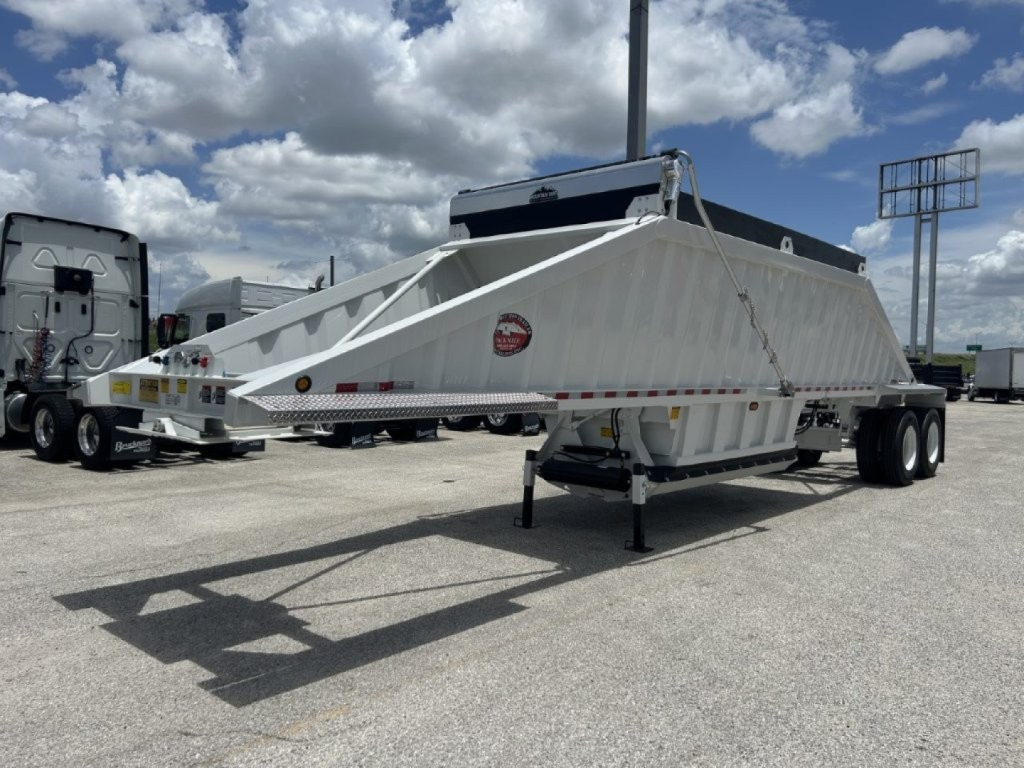
One of the biggest decision points is suspension. Spring ride dump trailers are straightforward, durable, and familiar to many aggregate fleets, especially where the trailer sees repeated off-road loading and uneven surfaces. Air ride can offer a smoother pull on the highway and may be preferred when reducing shock to the trailer and tractor is a priority, but it adds complexity compared with a basic spring setup. On many CTS tandem dumps, you may also see practical spec details such as 10-inch boards, steel wheels, aluminum diamond plate front and rear fenders, 60-gallon air tanks, and quick release valves. Those are not cosmetic details. They affect serviceability, braking response, protection from thrown material, and how well the trailer stands up to daily quarry and paving work.
Body configuration matters just as much as suspension. Front and rear slope sheets can improve material flow and help with cleanout, which is useful when hauling sticky or inconsistent loads. A straight body without slope sheets may suit operators who want a simpler interior layout for certain materials or loading preferences. Tarp systems are another spec to check closely. Electric flip tarp systems are common because they speed up load securement and help stay compliant on public roads with less driver effort. Features like windrow deflectors and extended push blocks also deserve attention, especially for paving and site work where material placement, paver interaction, and controlled discharge are part of the job.
When evaluating CTS dump trailers, look past the headline capacity and focus on how the trailer is equipped for your lane of work. Confirm cubic yard rating against the actual material you haul, verify axle and suspension setup for your routes, and inspect body condition, crossmember integrity, hoist area, gate hardware, liner wear, and tarp operation. Oklahoma buyers often need a dump trailer that can transition from state highway miles to gravel entrances and active jobsites without becoming a maintenance problem. A well-matched CTS dump trailer can be a productive choice for aggregate hauling, road construction, excavation support, and general contractor material movement where simple specs and dependable unloading are more important than unnecessary extras.
Frequently Asked Questions about CTS Dump Trailers in Oklahoma
What size and capacity are common on CTS dump trailers?
A common CTS dump trailer configuration is a 40-foot tandem axle trailer with about 23.5 cubic yards of capacity. That size works well for aggregate, dirt, millings, and similar bulk materials because it offers useful volume without moving into a more specialized setup. Actual payload depends on trailer weight, axle ratings, state laws, and the density of the material being hauled.
Should I choose spring ride or air ride on a CTS dump trailer?
Spring ride is often favored for severe-duty aggregate and construction work because it is durable, simple, and proven on rough approaches and uneven loading areas. Air ride can improve highway manners and reduce shock transfer, which some fleets prefer for mixed on-road use. The right choice depends on how much off-road exposure the trailer sees, your maintenance preferences, and the type of loads and routes in your operation.
What do slope sheets do on a dump trailer?
Slope sheets are interior body transitions at the front, rear, or both ends that help material move more cleanly during unloading. They can reduce carryback and improve discharge with certain materials, especially when the load tends to hang up in the body. Buyers hauling sticky soil, asphalt-related material, or mixed bulk product often pay close attention to whether a CTS dump trailer has front and rear slope sheets.
What features matter most for construction and aggregate hauling?
The most important features are the ones that affect uptime and unloading consistency. Buyers should pay attention to body capacity, suspension type, tarp system, air tank size, valve setup, push block design, fenders, wheel spec, and overall body construction. On a working dump trailer, these details influence brake response, cleanout, paver compatibility, road compliance, and how well the trailer handles repetitive loading and dumping cycles.
What should I inspect on a used CTS dump trailer before buying?
Inspect the body for cracks, bowing, patchwork, and excessive wear at the floor, sides, tailgate, and hinge points. Check the suspension, axle alignment, brakes, air system, hoist mounting areas, frame rails, crossmembers, tarp operation, and push block condition. It is also smart to compare the trailer's stated cubic yard capacity and spec sheet against the material you actually haul so the trailer fits both your payload target and your operating environment.