
New Hopper Trailers For Sale in Oklahoma

Have new hopper trailer to sell? List it here to reach thousands of buyers.
New Hopper Trailers in Oklahoma
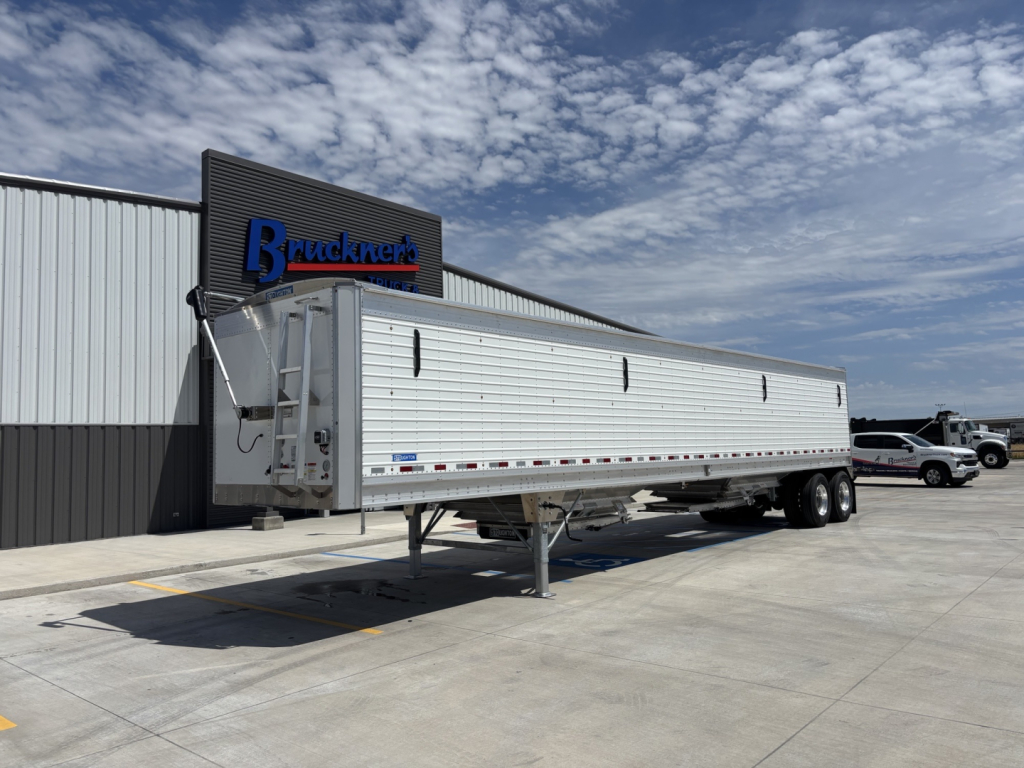
Sidewall height, trapdoor size, and overall trailer height deserve close attention because they directly affect loading flexibility and bin access. New grain hopper trailers often use corrugated aluminum sidewalls, galvanized subframes, stainless rear walls, and front and rear ladders for durability in farm and elevator service. A 2-stage manual trapdoor remains a common setup, but buyers should compare trap opening dimensions, handle effort, and how easily the gates meter product. Electric tarp systems are now a common productivity feature on new hopper trailers, especially for operators who want quicker load securement and easier compliance during harvest runs.
Running gear specs can make a noticeable difference in maintenance costs and road manners. Tandem axles with a spread around 49 inches, air ride suspension, drum brakes, 2S1M ABS, 11R22.5 tires, and aluminum wheels are common on new hopper trailers in this class. Tire inflation systems can be worth the added cost for fleets trying to reduce irregular wear and roadside downtime. Buyers should also verify fifth wheel height, kingpin setting, and ground clearance so the trailer matches the intended tractor and can still access farm lanes, field entrances, and uneven elevator approaches without landing gear or hoppers dragging.
A good hopper trailer spec is not just about maximum bushels. It is about balancing tare weight, structural durability, unload control, and regional legal limits. In Oklahoma, that often means choosing a trailer that can move efficiently between farm, co-op, feed mill, and shuttle loader while holding up to rougher secondary roads and frequent loading cycles. Features like removable inner liners, anti-spray splash guards, LED lighting with protected housings, and corrosion-resistant materials can have a real impact on long-term ownership costs, resale value, and how quickly the trailer turns during peak season.
Frequently Asked Questions about New Hopper Trailers in Oklahoma
What size hopper trailer is most common for grain hauling?
A common new grain hopper trailer size is 40 to 43 feet in length with 96-inch width and sidewall heights ranging from the upper 60-inch range into the 80-inch range. That size class often provides about 1,100 to 1,400 bushels of capacity depending on the trailer spec and the commodity being hauled. The best size depends on local bridge laws, the density of the product, and how much tare weight you can afford to carry.
Are aluminum hopper trailers better than steel for agricultural use?
Aluminum hopper trailers are widely preferred in agricultural service because they keep empty weight down and resist corrosion from weather, fertilizer residue, and road chemicals better than all-steel designs. Lower tare weight can translate into more legal payload, which matters on every load. Steel components are still commonly used in high-stress areas such as subframes or landing gear because they add strength where it is needed most.
What should I look for in hopper trailer trapdoors and unloading systems?
Trapdoor design affects unload speed, flow control, and driver effort. Buyers should compare the trap opening size, whether the trailer uses manual or electric actuation, how smoothly the gates meter grain, and how well the hoppers clean out between products. If the trailer will haul multiple commodities, a clean interior, good liner design, and easy-to-control gates can reduce leftover product and save time at the pit.
How important are kingpin setting and fifth wheel height on a hopper trailer?
Kingpin setting and fifth wheel height are critical because they determine tractor compatibility, axle weight distribution, and clearance between the trailer and tractor frame or tires. A mismatch can create handling issues, poor bridge spacing, or contact problems during turns and uneven approaches. Before buying, confirm that the trailer's kingpin setting, ride height, and landing gear clearance fit the tractor and the routes it will regularly run.
What features help reduce long-term maintenance on a new hopper trailer?
Corrosion-resistant materials, galvanized subframes, stainless rear panels, sealed LED lighting, quality tarp systems, and tire inflation systems all help control maintenance costs over time. Air ride suspension can also reduce stress on the trailer structure and cargo compared with rougher ride setups. Buyers who run in heavy harvest cycles should pay close attention to gate hardware, tarp reliability, wheel-end service intervals, and how well the trailer protects wiring and lights from dust, debris, and washdowns.