
New 2026 Trailers For Sale in Oklahoma
Have new 2026 trailer to sell? List it here to reach thousands of buyers.
New 2026 Trailers in Oklahoma
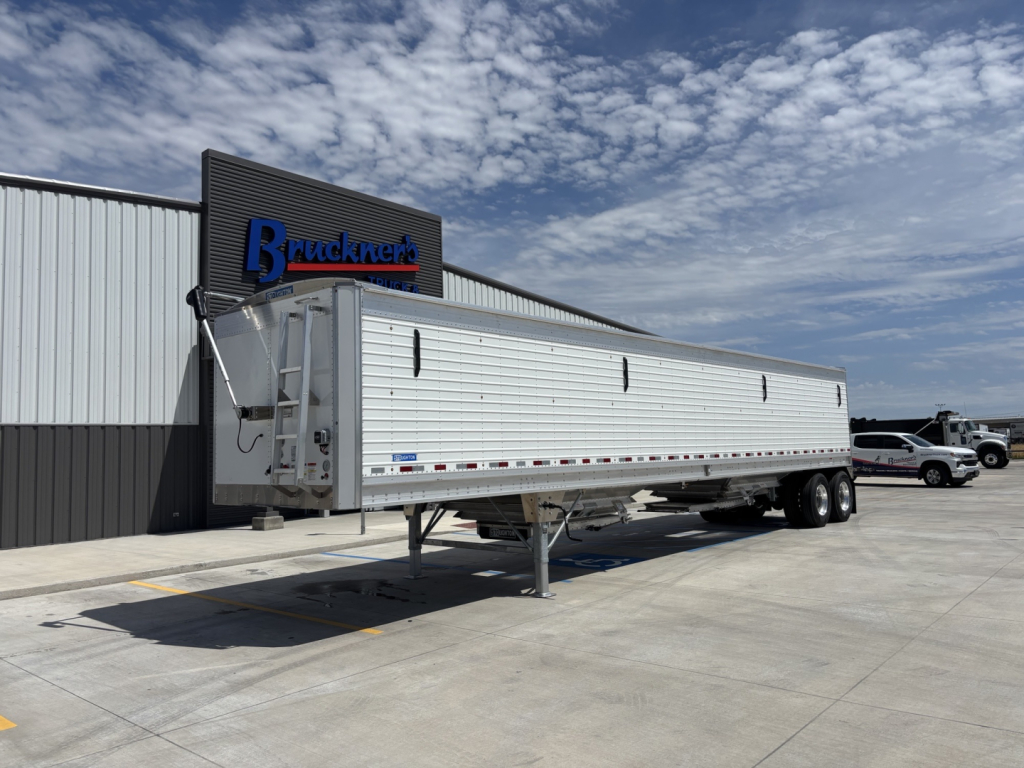
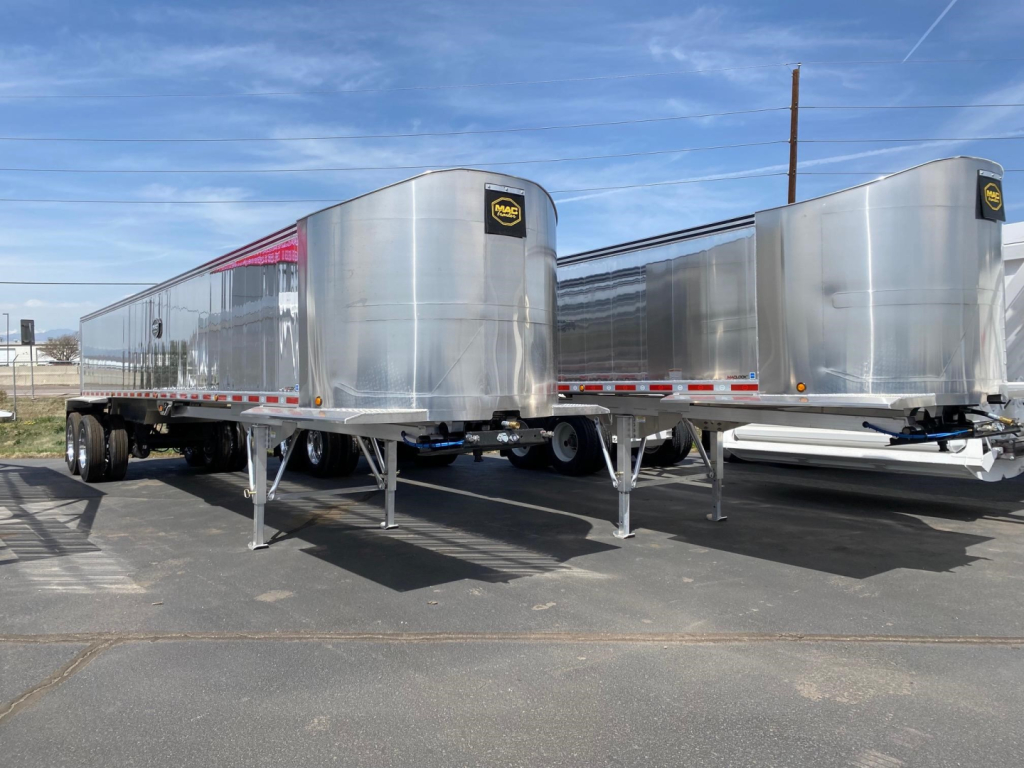
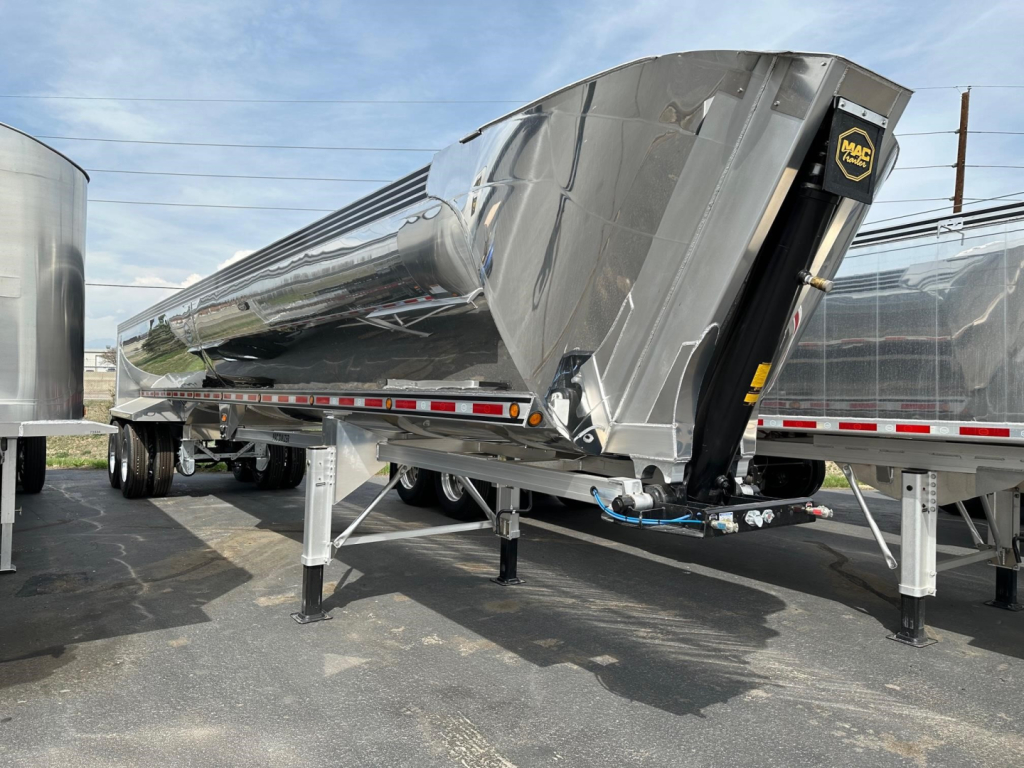
Oklahoma buyers often need trailers that can handle mixed regional work, including oilfield support, construction, road building, farm supply, and heavy equipment transport. On dump trailers, common spec points include frameless versus frame type construction, aluminum versus steel body, half-round versus quarter-frame designs, air ride or spring ride suspension, lift axles, tarp systems, and gate style. Capacity, side height, liner package, and tire size all matter if the trailer will spend its life hauling rock, sand, asphalt millings, demolition debris, or grain-related products. Frameless aluminum end dumps tend to favor lighter weight and higher payload, while heavier steel bodies are often selected for severe-service use and abrasive material.
For platform-style trailers, 53-foot drop decks remain a common choice because they balance legal deck height with flexibility for pallets, machinery, and irregular freight. Buyers typically compare upper deck and lower deck length, crossmember spacing, winch track layout, ramp configuration, spread axle or closed tandem setup, and air ride suspension. If the work leans into dozers, excavators, or other taller equipment, a lowboy or RGN trailer may be the better fit because the removable gooseneck and depressed deck simplify loading and help keep overall loaded height legal. Features like Apitong flooring, pony motors, LED lighting, heavy-duty landing gear, and 4th axle provisions are worth close attention when the trailer will see repeated heavy-haul service.
A new-model trailer gives buyers the advantage of current lighting, brake, suspension, and safety specifications, but the right purchase still comes down to matching the trailer to the route, commodity, and loading equipment. Check axle configuration, GVWR, empty weight, kingpin setting, deck height, tire package, and federal excise tax treatment before comparing price alone. In Oklahoma, where trailers may alternate between interstate miles, county roads, and jobsite surfaces, durability in the suspension, frame, floor, gate hardware, and electrical system tends to pay for itself faster than a lighter spec that is wrong for the job.
Frequently Asked Questions about New 2026 Trailers in Oklahoma
What types of new 2026 trailers are commonly available in Oklahoma?
Common trailer categories include dump trailers, drop deck trailers, lowboy trailers, and RGN trailers for heavy equipment. Oklahoma demand is often tied to construction, oilfield work, agriculture, and regional freight, so buyers frequently compare end dumps for bulk material, drop decks for general machinery and freight, and lowboys for taller or heavier equipment that needs a lower deck height.
How do I choose between a drop deck and a lowboy trailer?
A drop deck is usually the better fit for freight, palletized machinery, and equipment that benefits from a lower deck but does not require a detachable gooseneck. A lowboy or RGN is typically the better choice for heavier or taller machines because it offers a much lower well height and easier loading in many applications. The right decision depends on machine weight, loaded height, deck length requirements, and how often the trailer will be used for dedicated equipment hauling versus mixed freight.
What should I look for when buying a new dump trailer?
Focus on body construction, capacity, suspension, gate style, liner, and tarp system. Aluminum frameless designs generally reduce tare weight and help maximize payload, while steel or heavier-duty configurations may hold up better in severe-service environments. Buyers should also verify side height, cubic yard rating, tire size, axle arrangement, and whether the trailer is set up for the materials they haul most often, such as sand, rock, asphalt, or demolition debris.
Are spread axle trailers a good choice for Oklahoma operations?
Spread axle trailers can improve load distribution and are popular on certain drop deck and flatbed-style applications, but they are not ideal for every route or dock environment. They can add stability and help with bridge-related load placement in some cases, but they may also increase tire scrub in tight turns. Buyers should consider typical road conditions, loading areas, turning radius constraints, and state-by-state axle regulations before deciding on spread axle versus closed tandem.
Why does trailer spec matter more than model year alone?
A new 2026 trailer can still be the wrong trailer if the axle layout, suspension, deck design, body construction, or loading method does not fit the work. Trailer performance is driven by application-specific details such as empty weight, legal payload, deck height, crossmember spacing, gate hardware, and lift axle setup. Buyers usually get better long-term value by matching the trailer to their daily freight and operating region rather than shopping by model year only.