
Trailers For Sale in New Mexico
Shop trailers for sale in New Mexico, including dry vans, reefers, dump trailers, and drop decks with specs for freight, construction, and regional hauling.
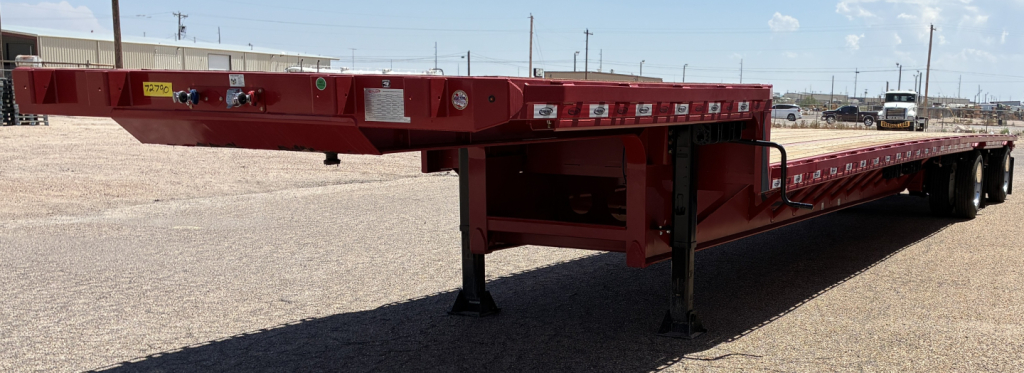
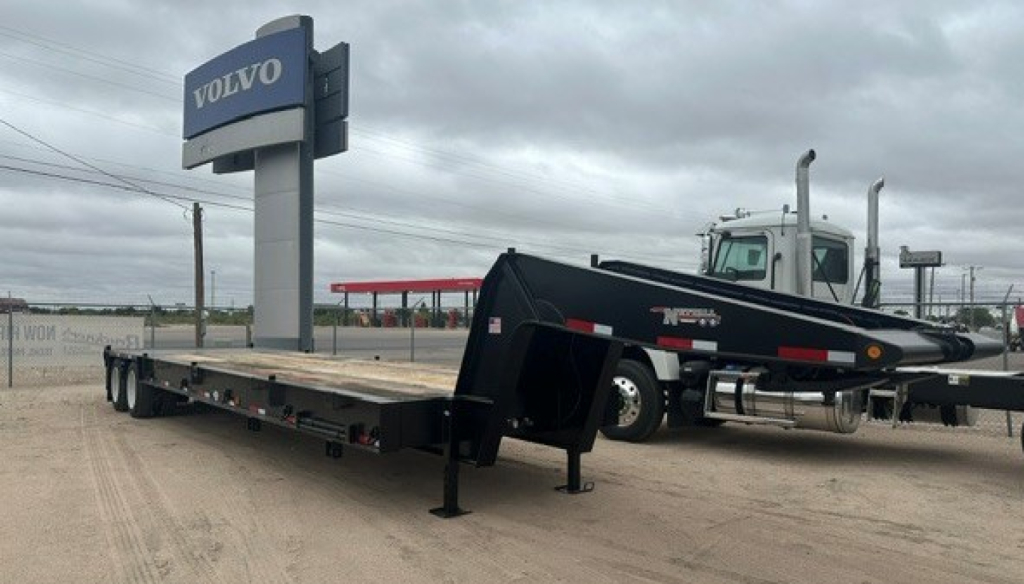
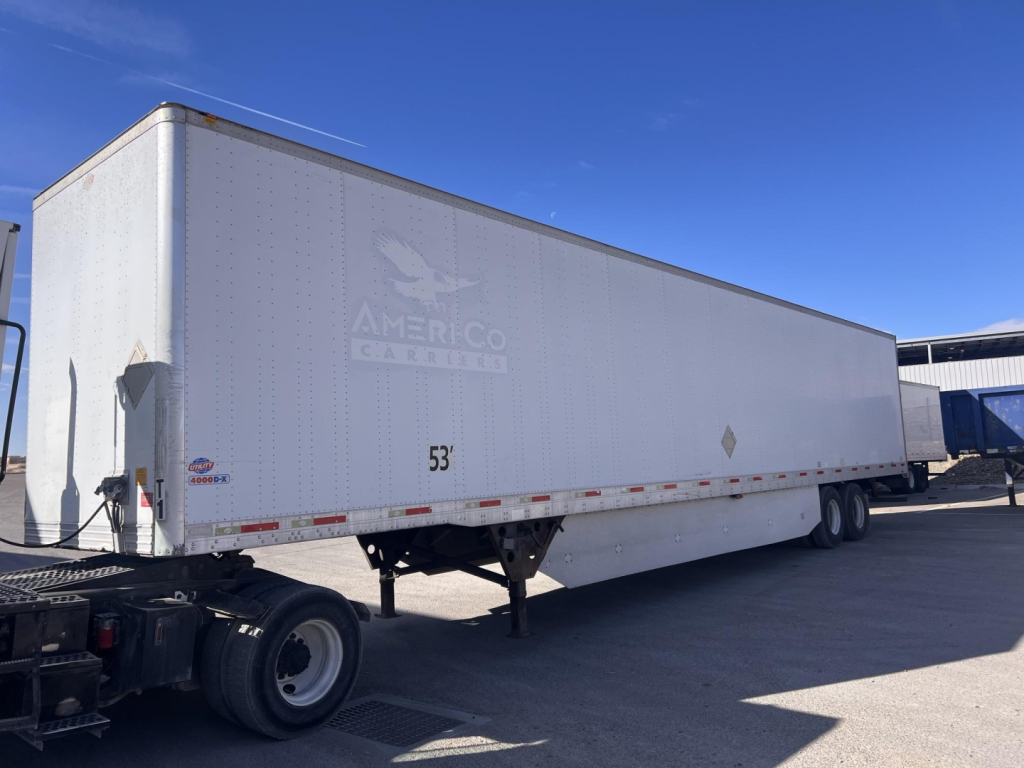
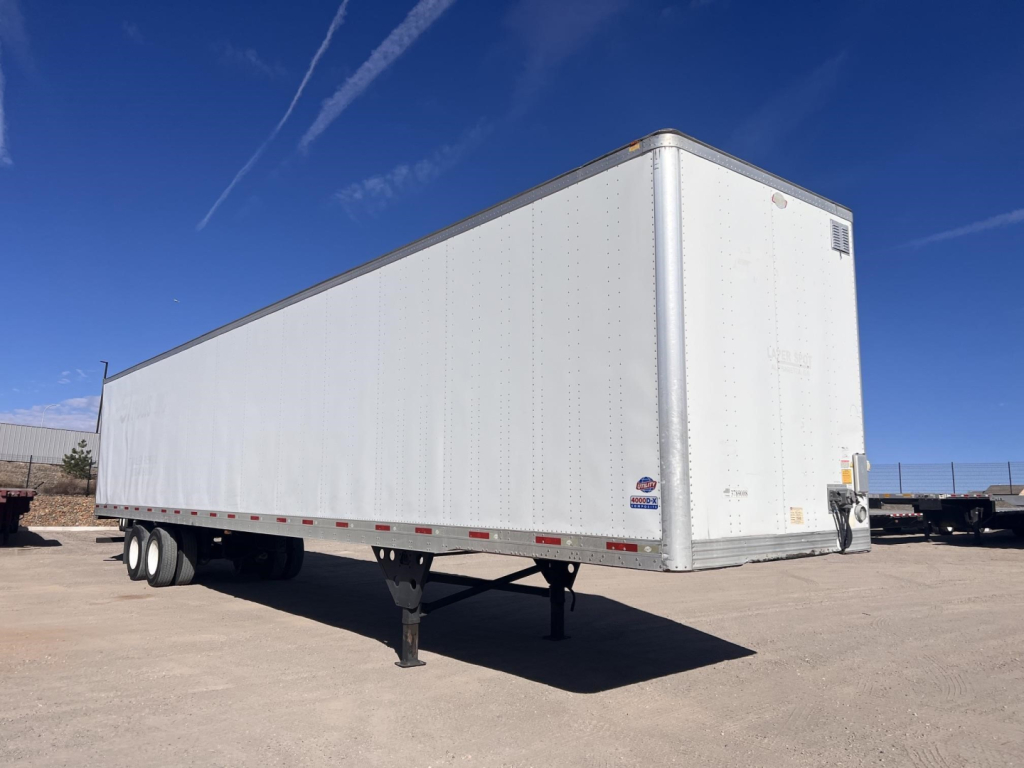
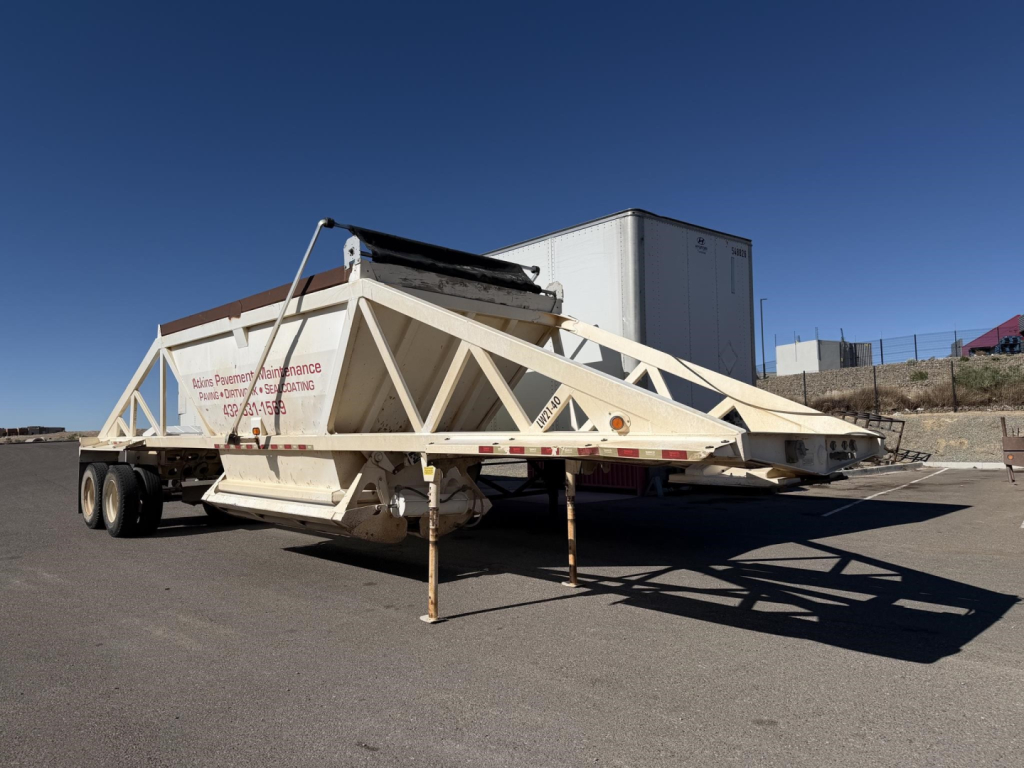
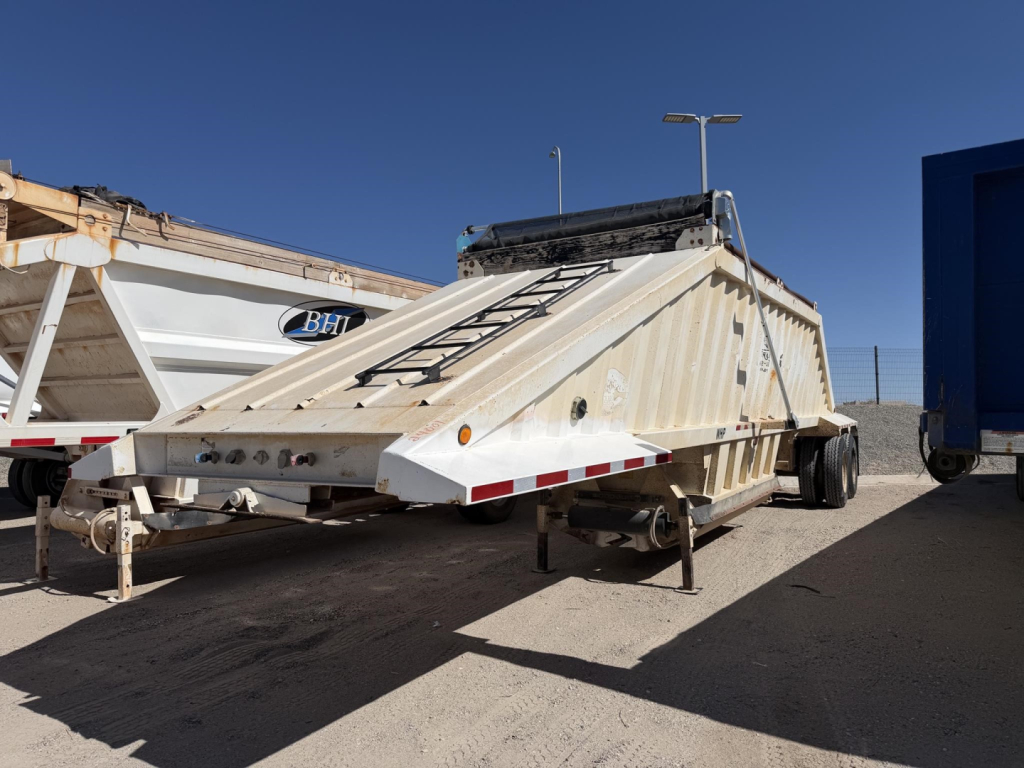
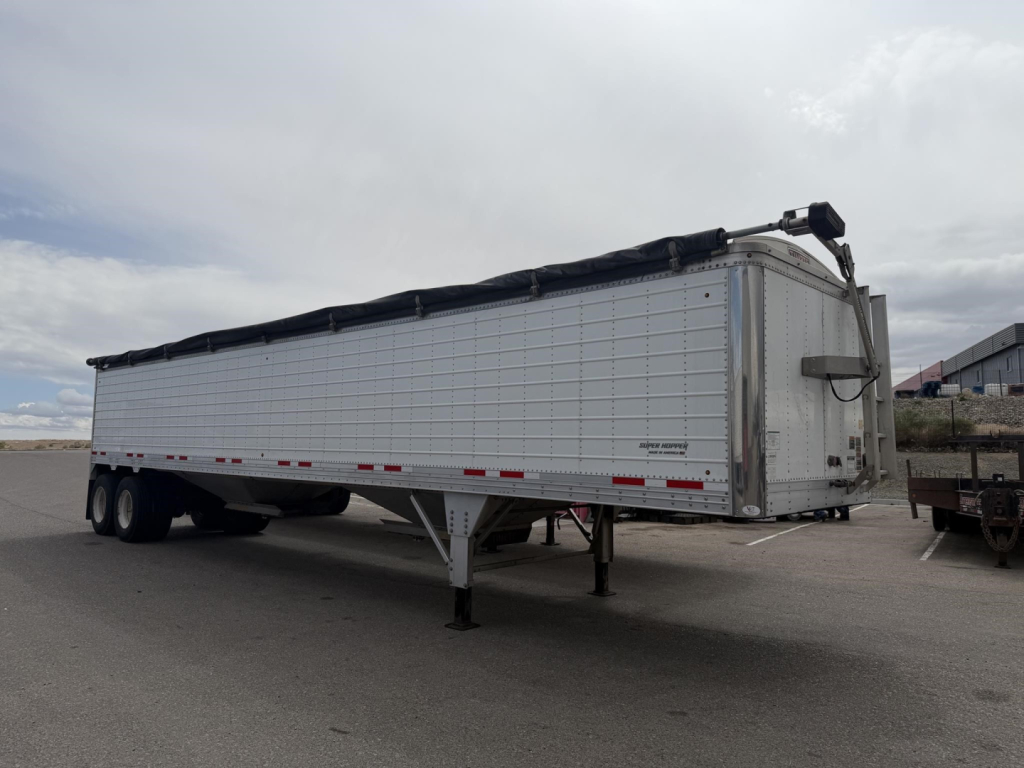
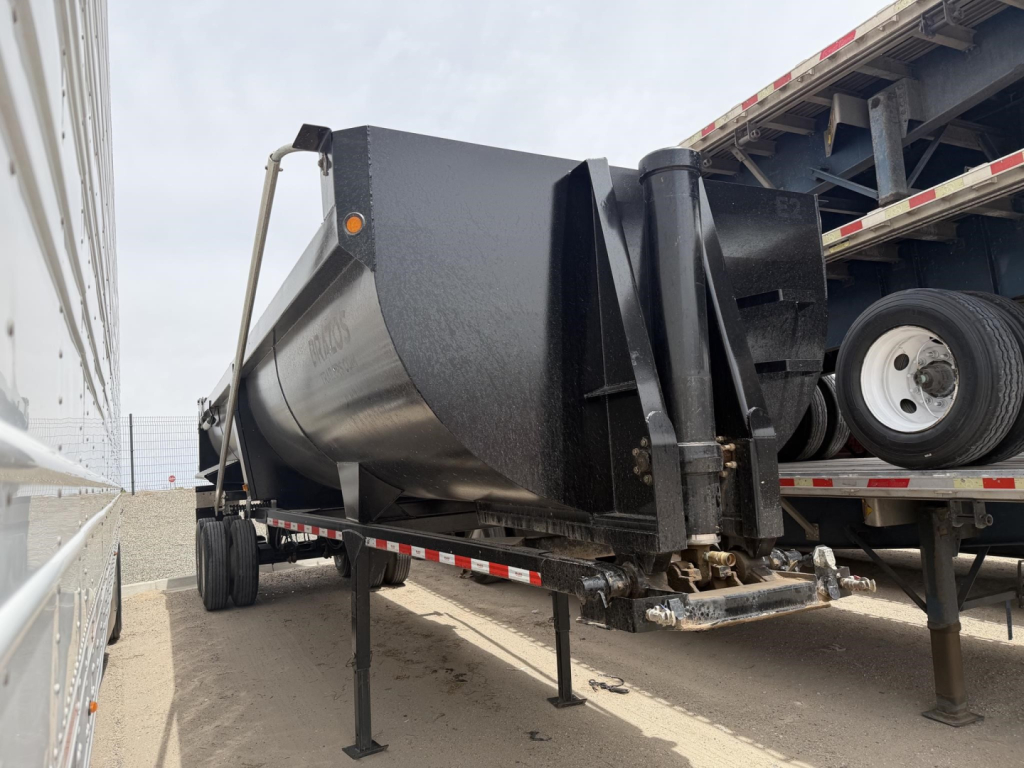
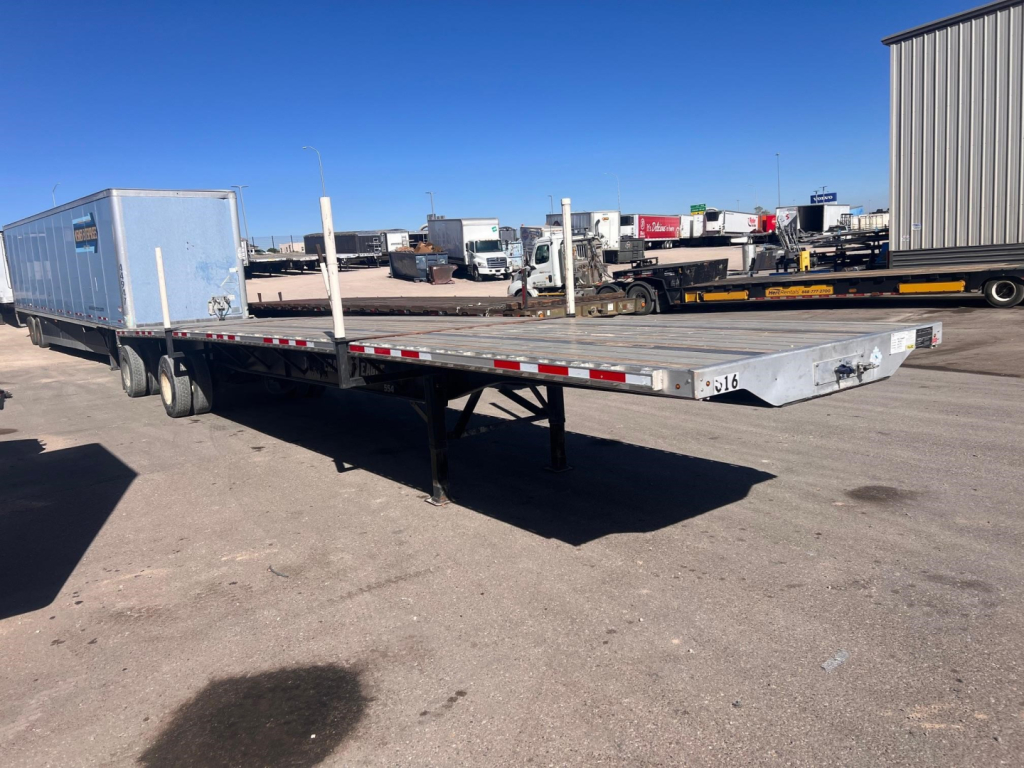
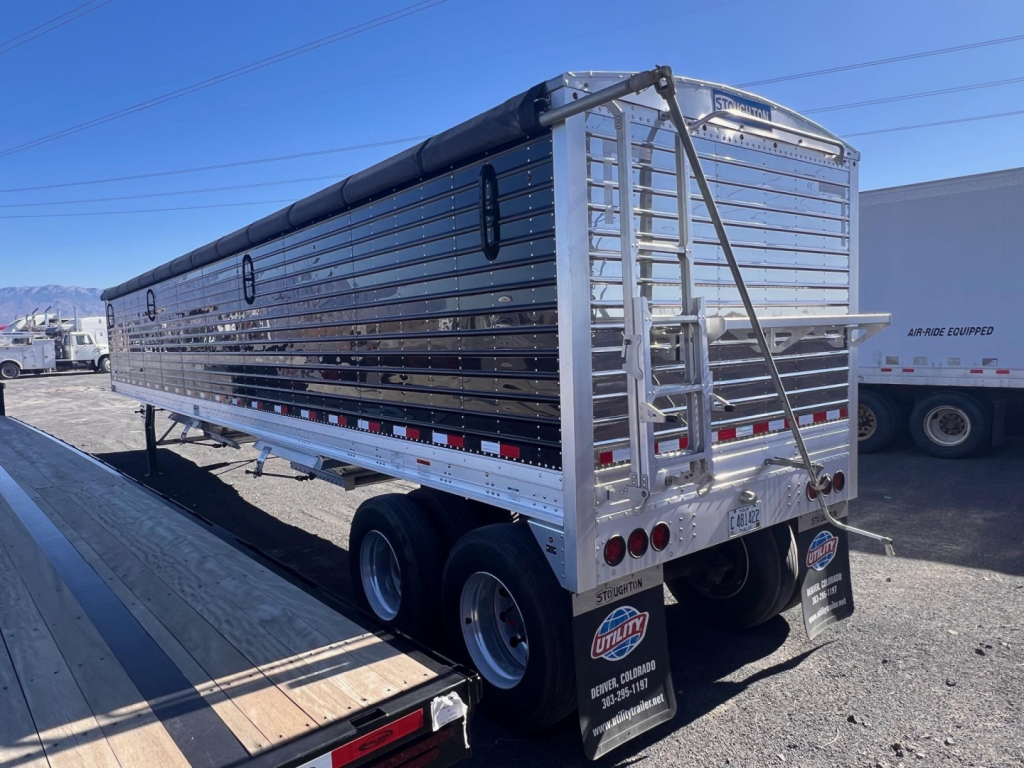
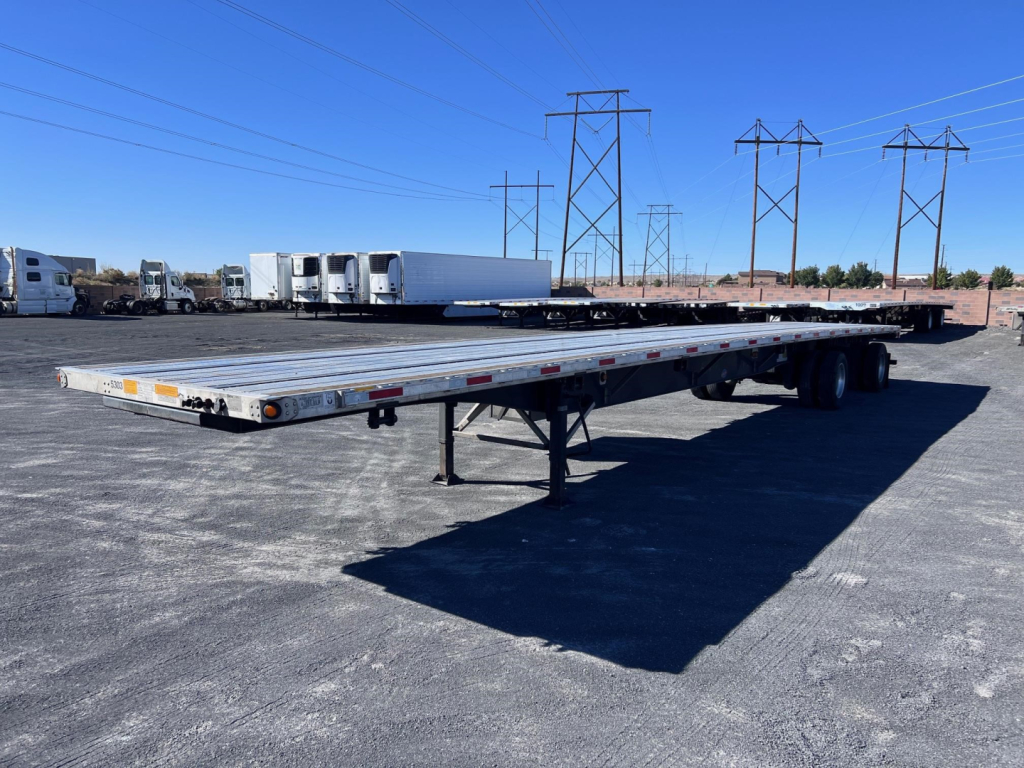
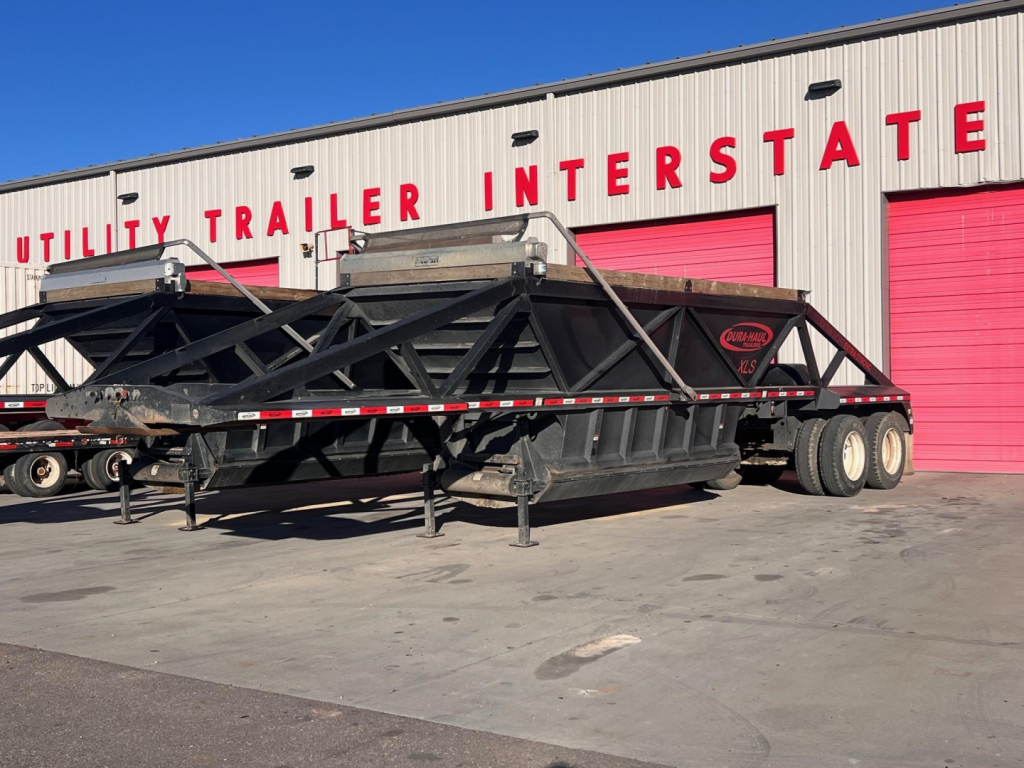
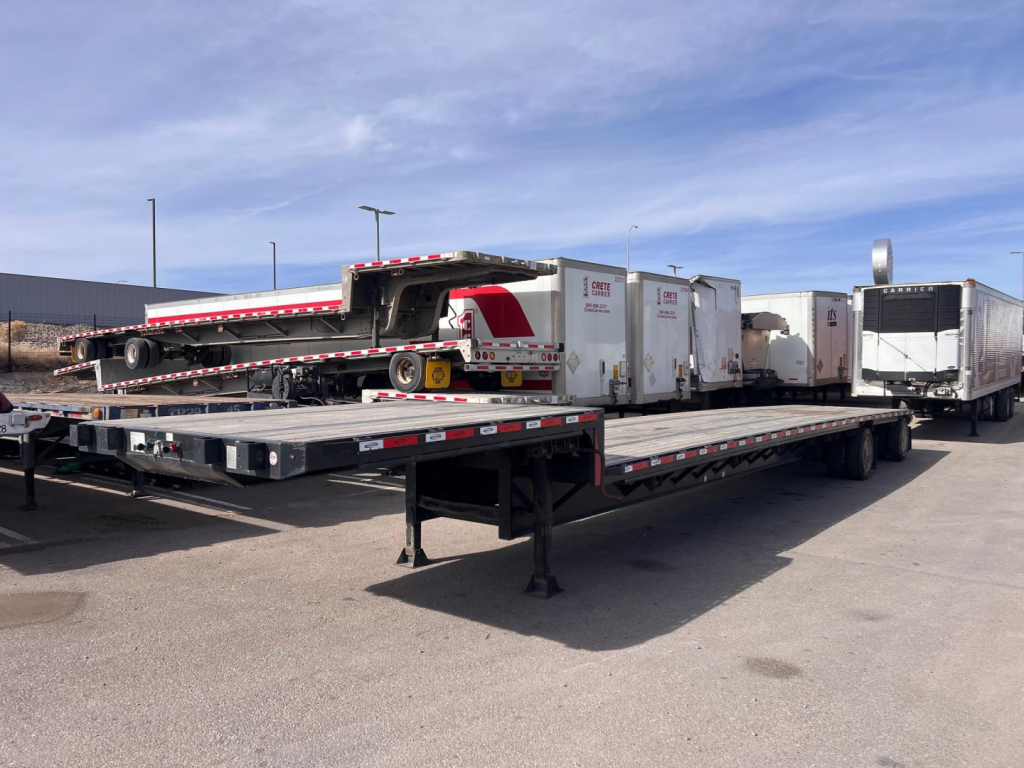
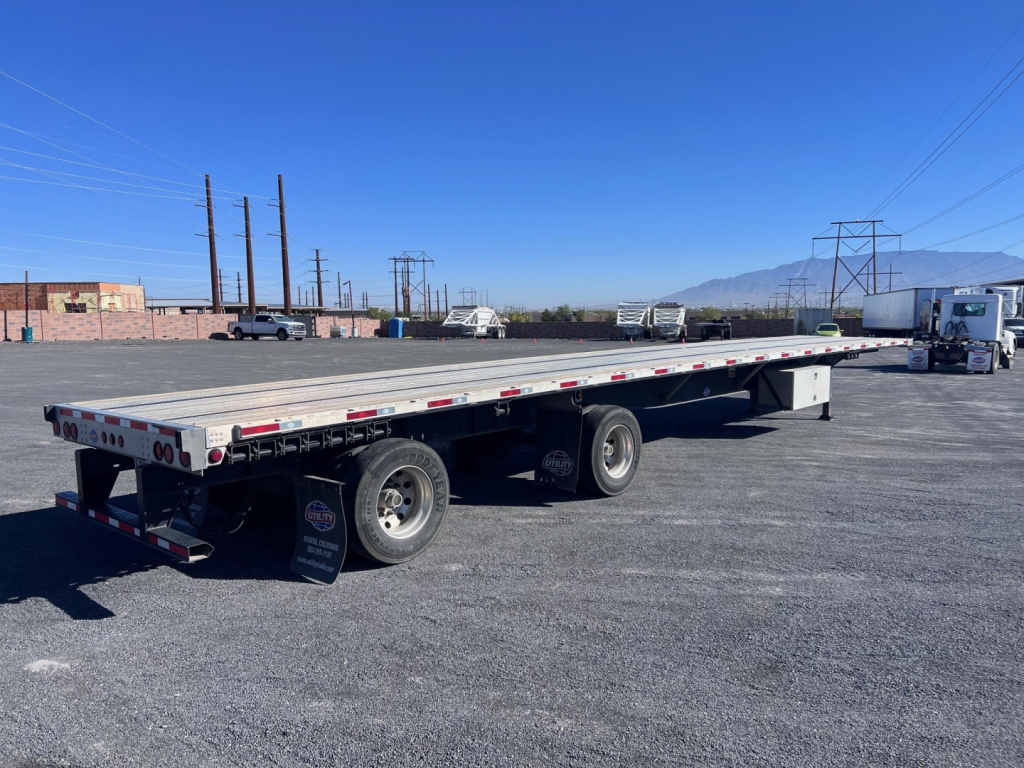
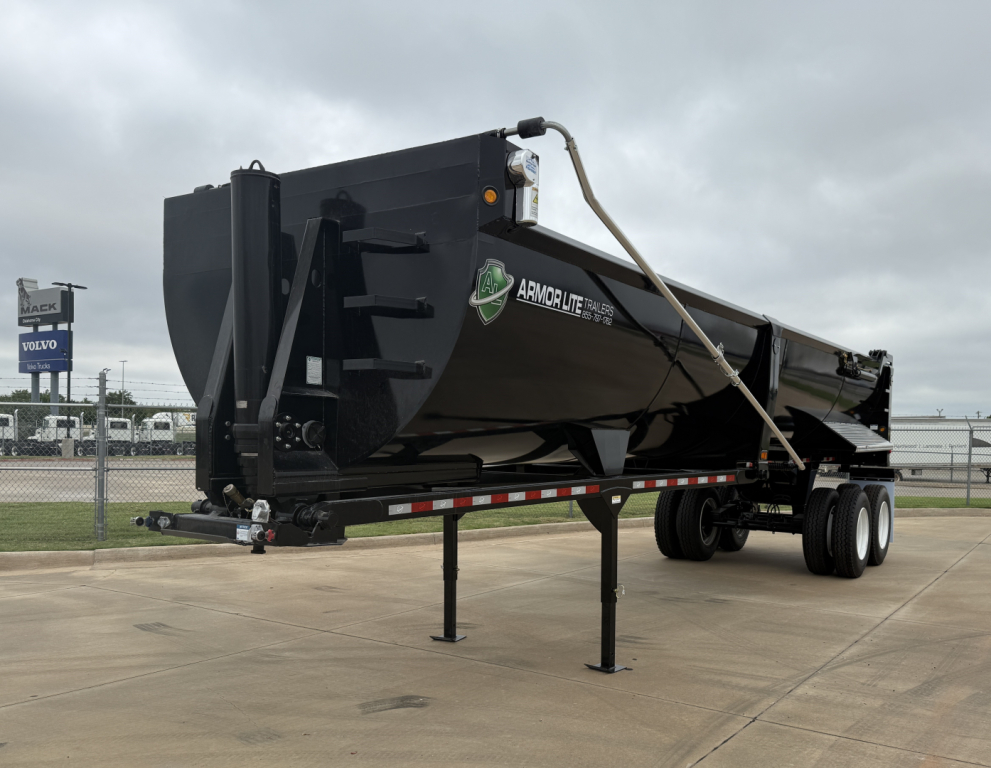
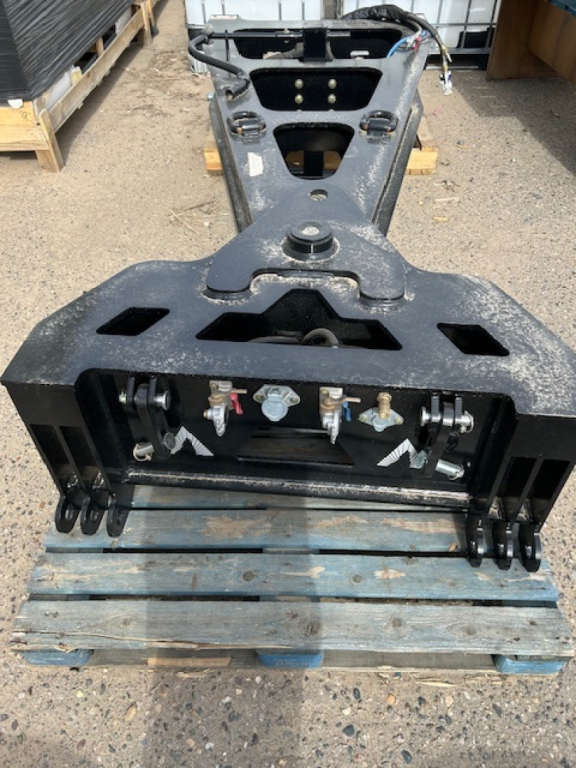
Showing 1 to 24 of 29 results
Have trailer to sell? List it here to reach thousands of buyers.
Trailers in New Mexico
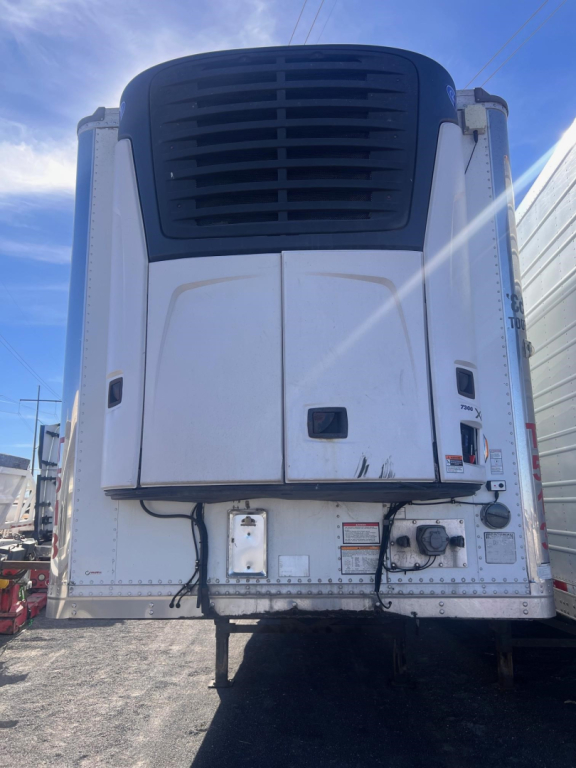
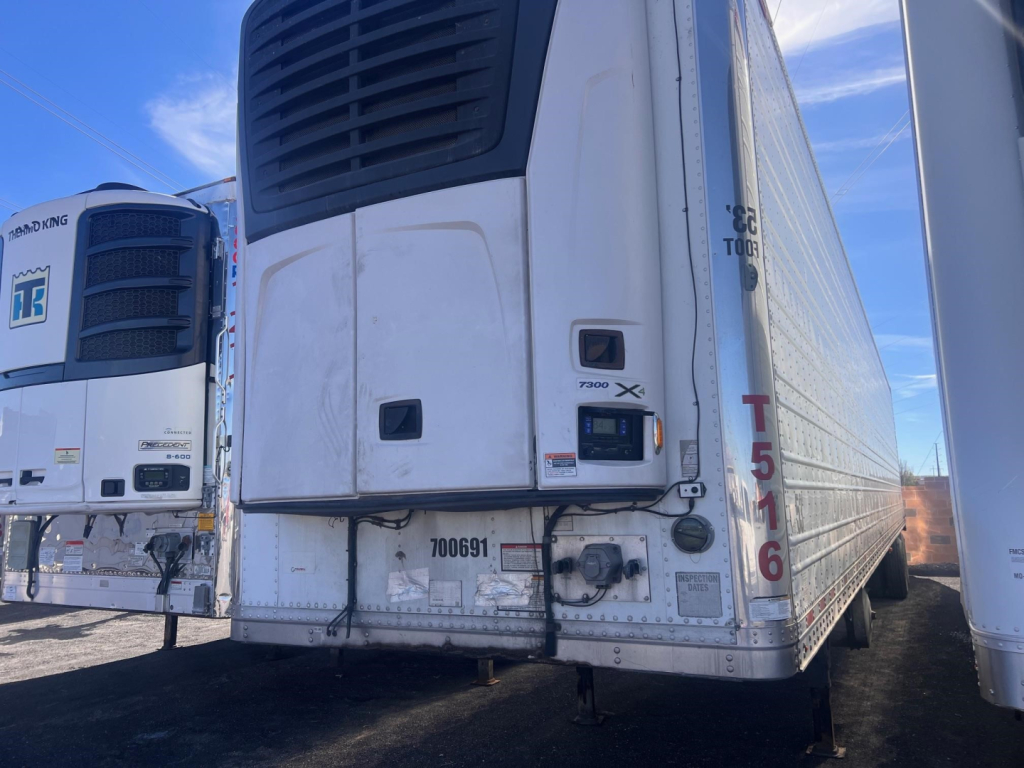
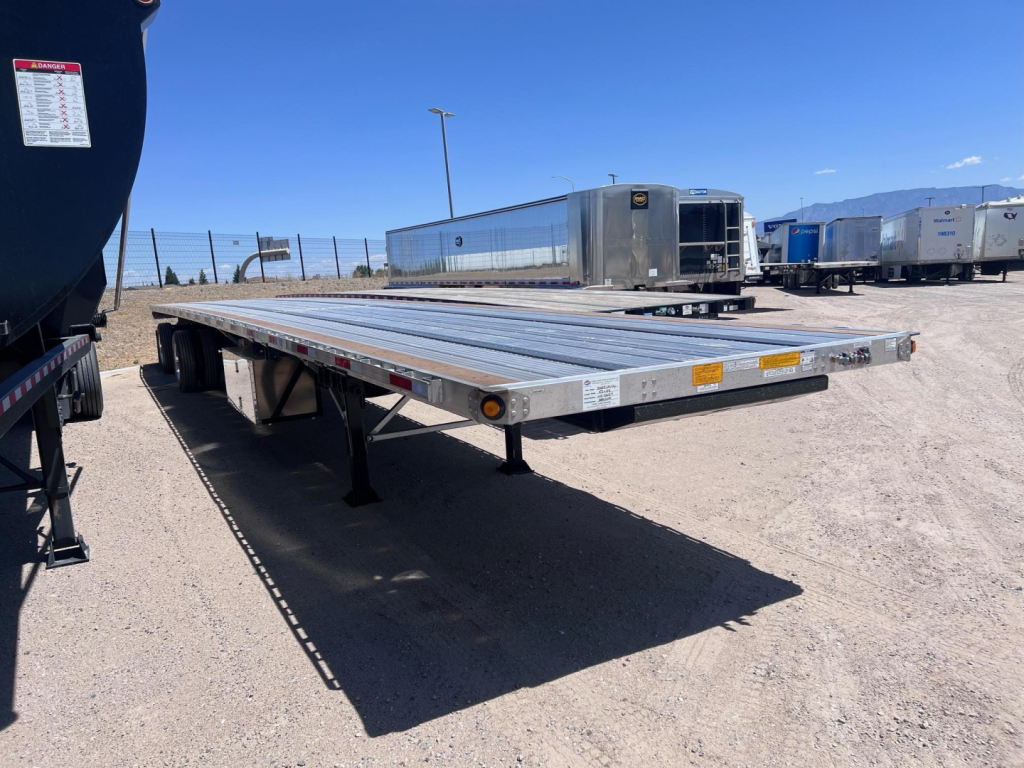
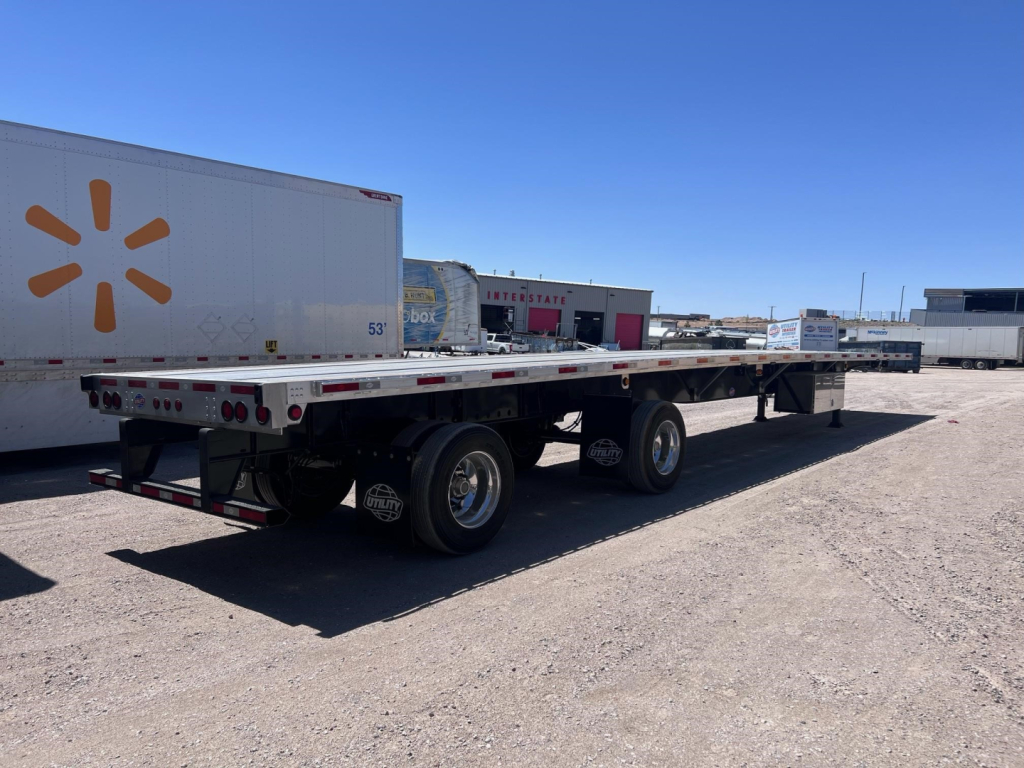
In New Mexico, climate and geography influence trailer spec more than many buyers expect. Long highway stretches, summer heat, wind exposure, and mixed urban-rural routes make tire inflation systems, aerodynamic side skirts, LED lighting, and durable suspension components worth close attention. Reefer buyers should look hard at unit hours, start-run history, insulation condition, door seal integrity, and floor wear, because hot-weather performance and fuel efficiency depend on the full trailer package, not just the refrigeration unit. Dry van buyers should compare wall construction, roof material, floor condition, and tandem slider operation, especially if the trailer will see frequent dock work or shifting bridge-law requirements. For flatbed and drop deck applications, stake pockets, sliding winches, pipe spools, nail strips, and twist locks can make a major difference in how many load types the trailer can legally and efficiently handle.
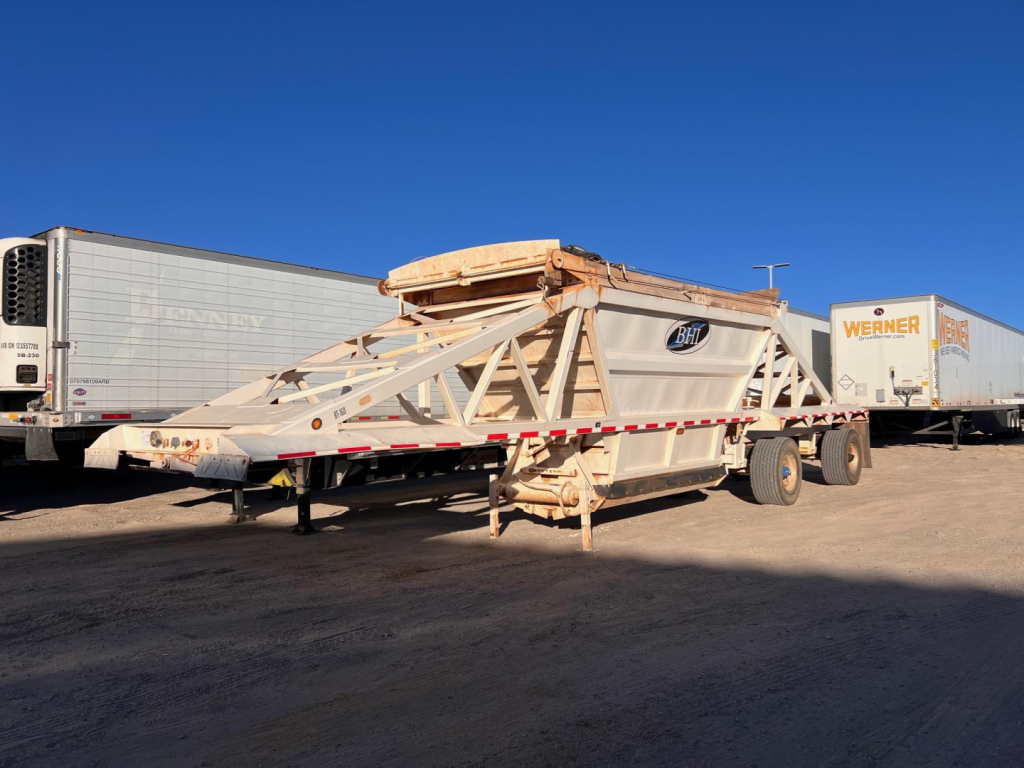
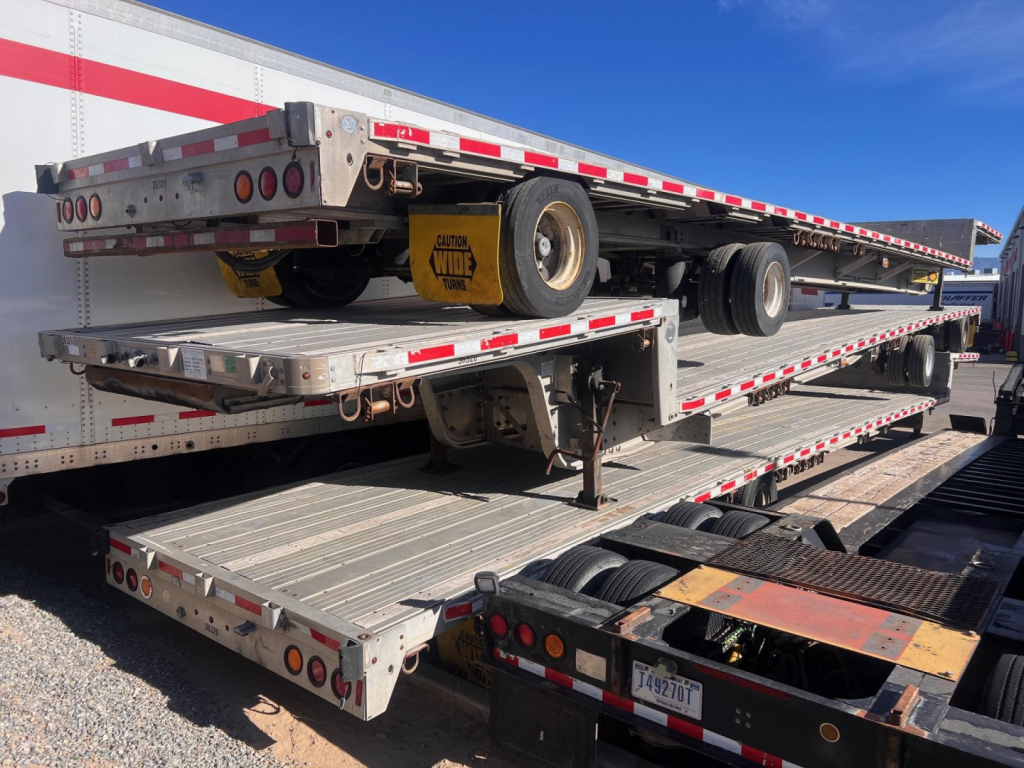
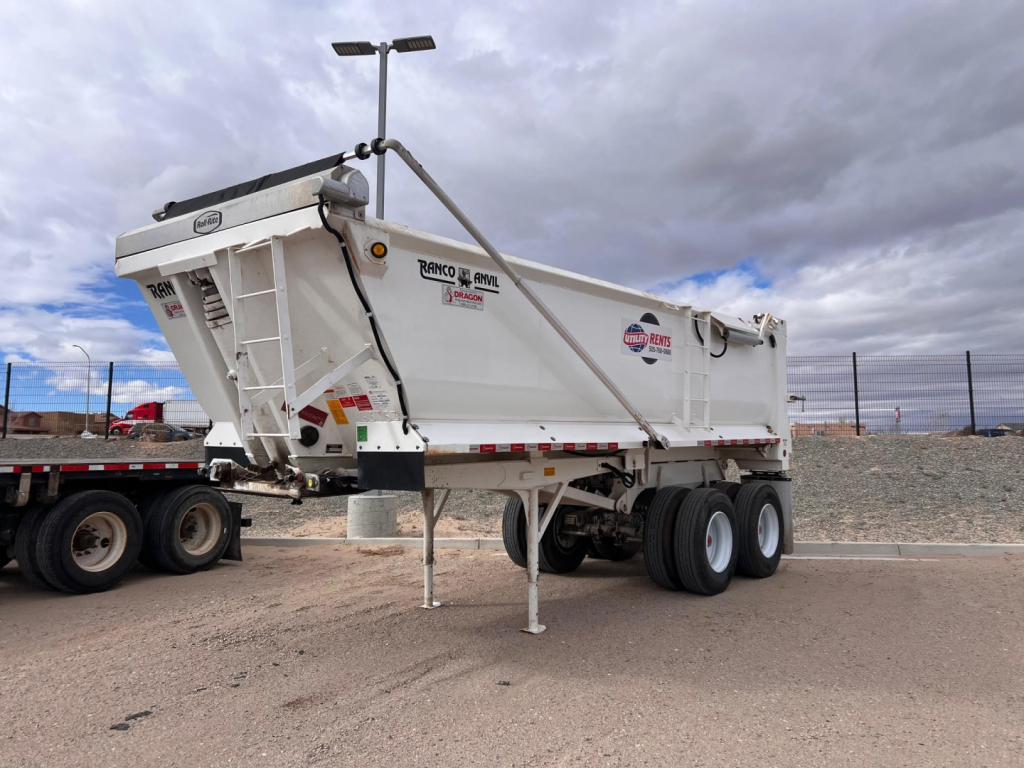
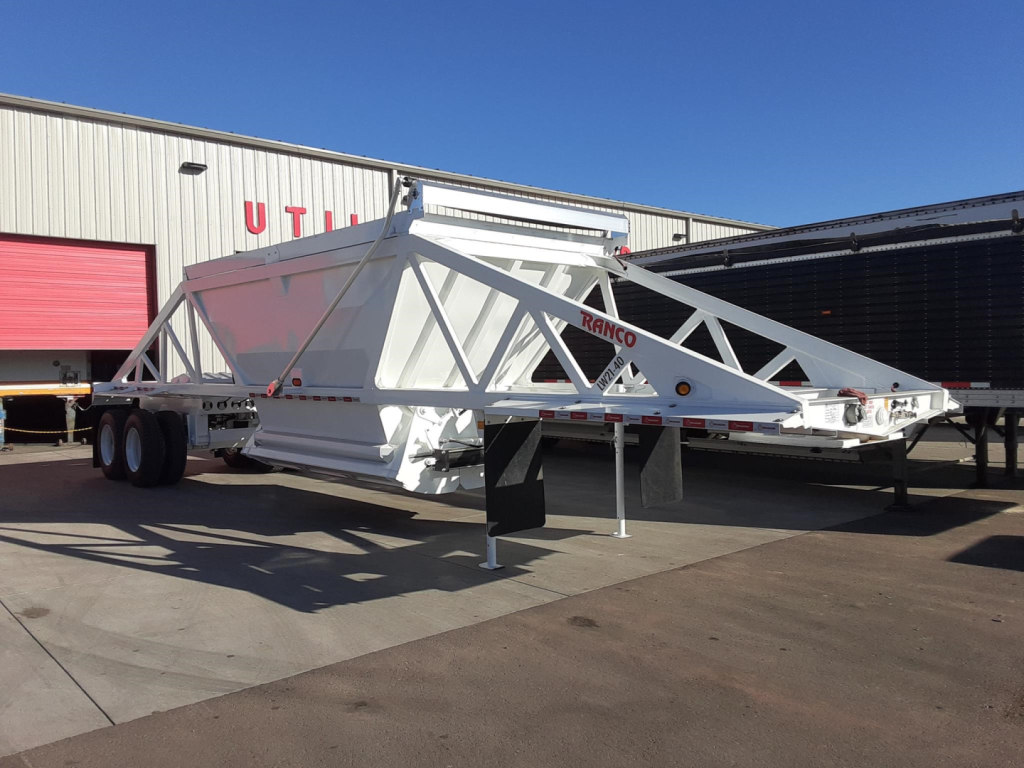
Construction and bulk-haul buyers tend to focus on structural durability first. On dump trailers, common checkpoints include AR steel tub construction, corner reinforcement, push blocks, electric tarp systems, fenders, landing gear, and whether the axle group is fixed or sliding. Air ride suspension can improve load stability and road manners, while fixed spread or closed tandem layouts affect legal payload strategy and maneuverability. For drop deck trailers, combinations such as steel main beams with aluminum decking are popular because they balance strength and tare weight. California legal or regional axle configurations can also matter for carriers crossing state lines or serving shippers with strict bridge and weight requirements.
A strong trailer purchase usually comes down to usable payload, serviceability, and spec compatibility with the freight you already haul. Length, width, axle spacing, suspension type, floor construction, wheel setup, and rear door style all affect daily productivity. Buyers comparing used units should pay close attention to crossmember condition, kingpin area fatigue, tire wear patterns, brake life, slider rails, roof bows, scuff liners, and signs of prior body or frame repair. Buyers looking at new trailers often prioritize warranty coverage, tare weight, corrosion resistance, and application-specific options that reduce rework after delivery. The best trailer is not the one with the longest option list. It is the one whose spec sheet matches the cargo, routes, and maintenance plan behind the business.
Frequently Asked Questions about Trailers in New Mexico
What types of trailers are most common for sale in New Mexico?
The most common trailer categories in New Mexico include dry vans, refrigerated trailers, dump and side dump trailers, and drop deck or step deck trailers. Dry vans are used for general freight and dock-to-dock shipping, reefers handle temperature-sensitive food and pharmaceutical loads, dump trailers serve construction and material-haul work, and drop decks carry taller freight that cannot fit on a standard flatbed. Local route structure, commodity mix, and seasonal weather usually determine which category makes the most sense.
What should I look for when buying a used reefer trailer?
Start with reefer unit hours, maintenance records, and start-run history, then inspect the trailer body just as closely as the refrigeration system. Door seals, insulated sidewalls, floor condition, chute integrity, scuff liners, and bulkhead condition all affect temperature control. Buyers should also check for air leaks, corrosion, previous panel repair, and suspension wear. A reefer trailer with a sound box and poor insulation will still underperform in hot climates like New Mexico.
Is air ride suspension worth it on a trailer?
Air ride suspension is often worth the added cost because it improves ride quality, helps protect sensitive freight, and can reduce shock load on both cargo and trailer structure. It is especially common on dry vans, reefers, drop decks, and some dump applications where road stability matters. Buyers should still inspect airbags, valves, shocks, and slider components, because air ride performance depends on the condition of the full suspension system, not just the suspension type listed on the spec sheet.
How do I choose between a fixed axle trailer and a sliding tandem trailer?
A sliding tandem trailer gives more flexibility for bridge-law compliance, weight distribution, and dock positioning, which is why it is common on 53-foot dry vans and reefers. A fixed axle or fixed spread setup is often chosen for specialized applications such as certain drop deck, vocational, or regional haul operations where structural simplicity or legal configuration is the priority. The right choice depends on your freight, operating states, loading patterns, and how often axle adjustment is needed in day-to-day service.
What specs matter most on a drop deck or dump trailer?
On a drop deck trailer, buyers usually focus on deck height, axle layout, main beam construction, flooring material, and cargo securement features such as stake pockets, winches, pipe spools, and nail strips. On a dump trailer, the priority shifts to tub material, wall thickness, corner reinforcement, tarp system, suspension, and dump stability. In both categories, the most important specs are the ones that directly affect legal payload, loading speed, and structural life under the freight you plan to haul.