
2024 Trailers For Sale in New Mexico
Shop 2024 trailers for sale in New Mexico, including dump, reefer, and specialty trailer types with current specs and job-ready configurations.
Selling a 2024 trailer? List your 2024 trailer for sale and reach thousands of commercial buyers.
2024 Trailers in New Mexico
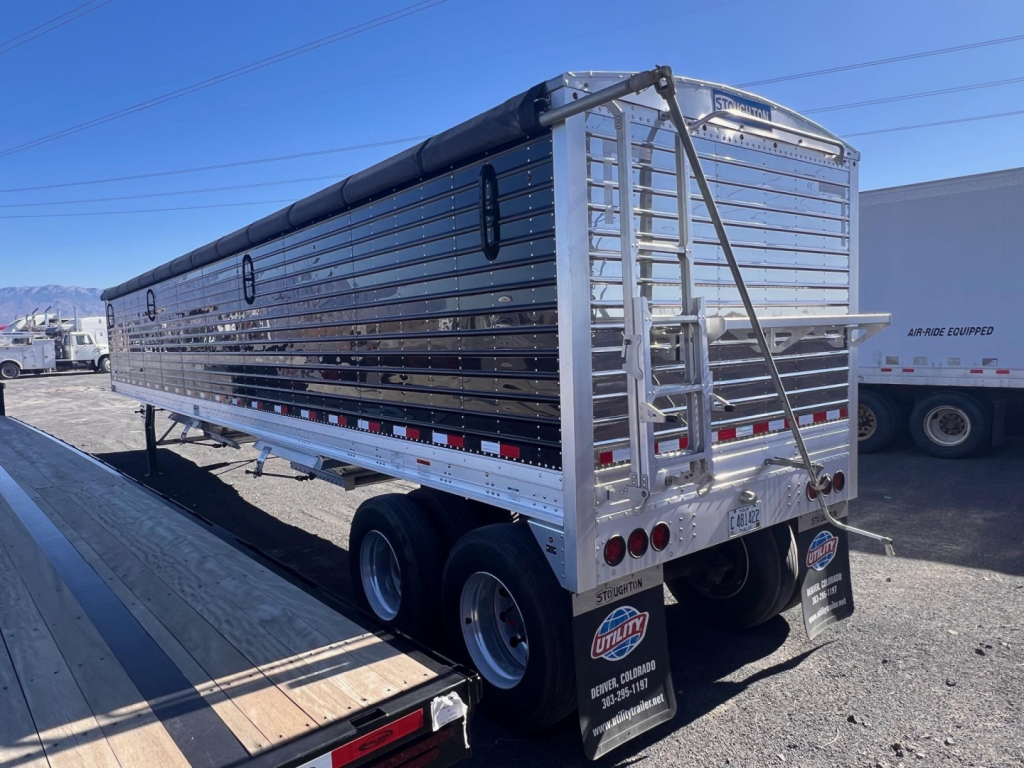
For dump work, 2024 end dumps are commonly spec'd in aluminum or steel, with frameless, quarter-frame, and half-round or elliptical tub designs. Aluminum bodies help maximize payload on bulk commodities, while steel tubs and AR400 liners are more common in rock, demolition, and abrasive material service. Capacity is often measured in cubic yards, with common specs including high-lift or top-hinge gates, electric tarps, ladders, bolt-on fenders, and tandem axle layouts. Suspension matters in off-road and transfer-point work. Air ride can improve road manners, while single-point or other heavy-duty suspensions are often chosen for severe-duty jobs. Gate seal design, hoist geometry, and floor or tub wear resistance are worth close attention if the trailer will see sticky material or repeated impact loading.
For temperature-controlled freight, a 2024 reefer trailer is typically a 53-foot by 102-inch van with insulated walls, aluminum duct or flat floor options, swing or roll doors, and a refrigeration unit from Thermo King or Carrier. Buyers should compare reefer hours, CARB compliance, air ride versus spring ride, tire inflation systems, side skirts, scuff liners, and rear door construction. New Mexico operators running longer interstate lanes often pay close attention to fuel-saving aero packages, low-profile tires, and the service network for the refrigeration unit. Floor condition, chute wear, and door seal integrity matter just as much as the reefer unit itself because they directly affect temperature retention, loading efficiency, and long-term maintenance costs.
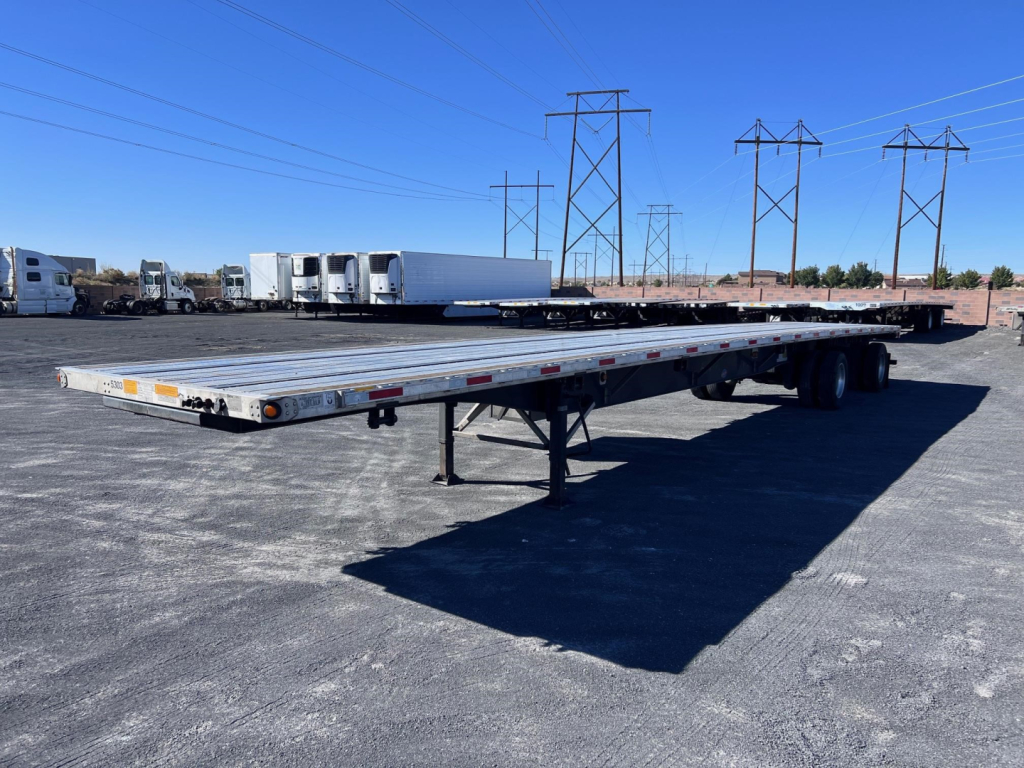
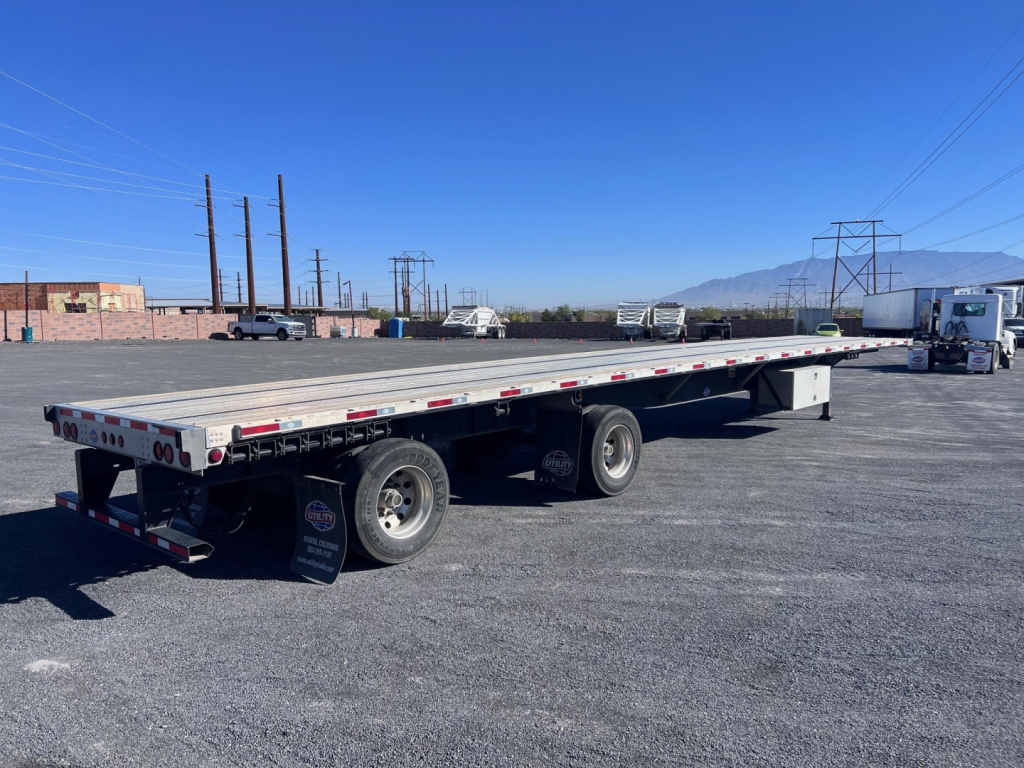
Specialty trailers in the 2024 market can include traveling axle, hydraulic tail, and equipment-hauling designs built for concentrated loads and frequent loading cycles. On these units, deck construction, winch provisions, tail design, payload rating, and axle placement are more important than cosmetic features. A buyer comparing 2024 trailers should also verify kingpin setting, overall length, bridge-law implications, wheel-end specs, tire size, brake package, and landing gear style. In New Mexico, wide temperature swings, long distances between jobs, and mixed highway-to-jobsite use make durability and parts support especially important. The best 2024 trailer is the one with a spec sheet that matches the work, not just the one with the newest build date.
Frequently Asked Questions about 2024 Trailers in New Mexico
What types of 2024 trailers are most common in New Mexico?
The most common 2024 trailers in New Mexico usually include dump trailers, refrigerated trailers, and equipment or specialty hauling trailers. Dump trailers are popular in construction, aggregate, and paving work. Reefer trailers are common in food, beverage, and produce transportation. Specialty trailers such as hydraulic tail or traveling axle models are used for machinery, contractor equipment, and heavier concentrated loads.
Should I choose an aluminum or steel 2024 dump trailer?
Aluminum dump trailers are generally preferred when payload is the priority because they reduce empty weight and allow more legal cargo. Steel dump trailers are better suited for abrasive, high-impact materials such as rock, demolition debris, or scrap because they offer greater resistance to denting and wear. The right choice depends on the commodity, haul distance, road conditions, and how much abuse the body will see during loading and unloading.
What should I check on a 2024 reefer trailer besides the refrigeration unit?
A reefer trailer should be evaluated as a complete insulated system, not just by the brand or hours on the unit. Buyers should inspect floor type, insulation integrity, door seals, rear frame condition, scuff liners, tire inflation system, suspension, and aerodynamic equipment such as side skirts. Reefer hours, CARB compliance, and service history are important, but cargo temperature performance also depends on trailer body condition and air circulation through the floor and bulkhead layout.
Which suspension is better on a 2024 trailer: air ride or spring-type heavy-duty suspension?
Air ride is usually favored for highway stability, reduced vibration, and better cargo protection, especially on reefer and general freight applications. Heavy-duty mechanical or single-point suspensions are often selected for dump and severe-duty work because they tolerate rough jobsite conditions and repeated loading stress well. The better suspension is the one matched to the route, payload, and percentage of off-road use.
What specs matter most when comparing 2024 trailers for heavy equipment hauling?
For heavy equipment hauling, the key specs are payload rating, deck length, deck material, hydraulic tail or ramp design, axle layout, suspension, and how weight is distributed across the trailer. Buyers should also confirm kingpin setting, legal overall length, brake system, tire size, wheel-end serviceability, and winch or tie-down provisions. A trailer that loads easily and balances axle weight correctly will usually outperform a unit that simply has a high advertised capacity.