
Hopper Trailers For Sale in New Mexico
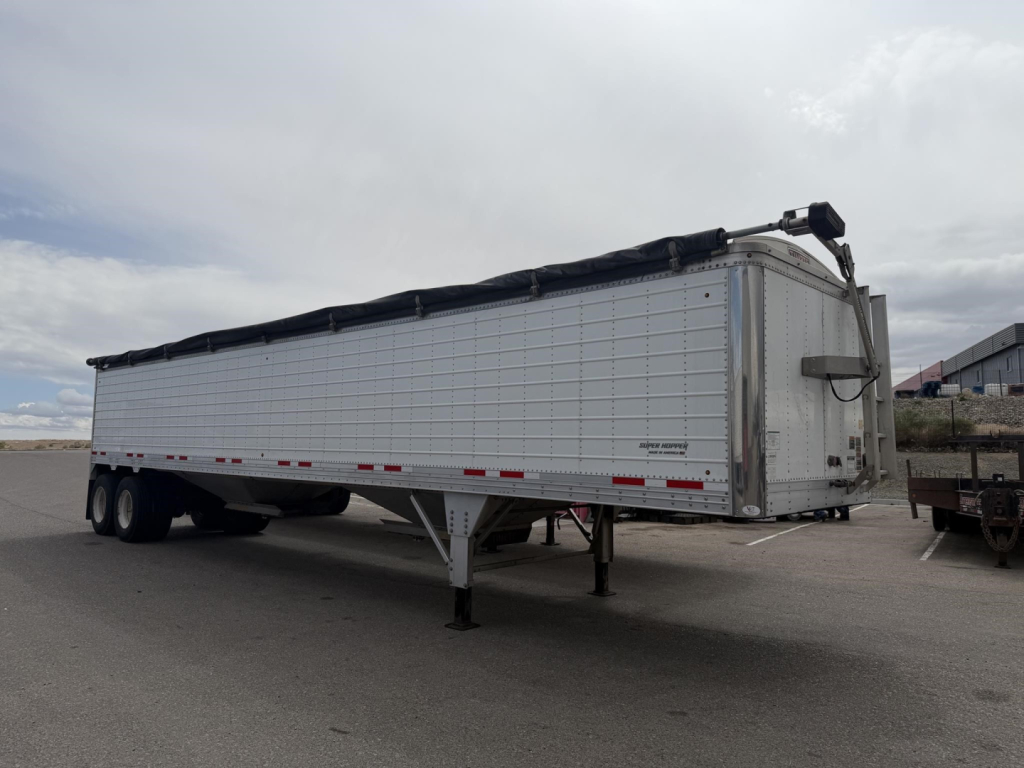
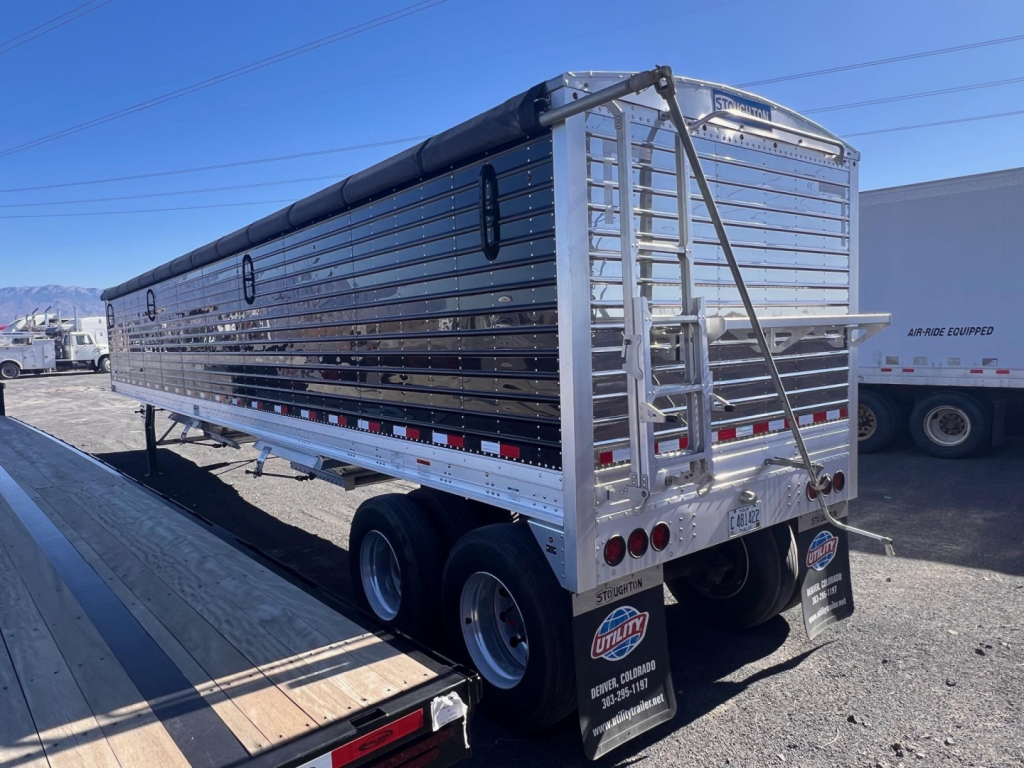
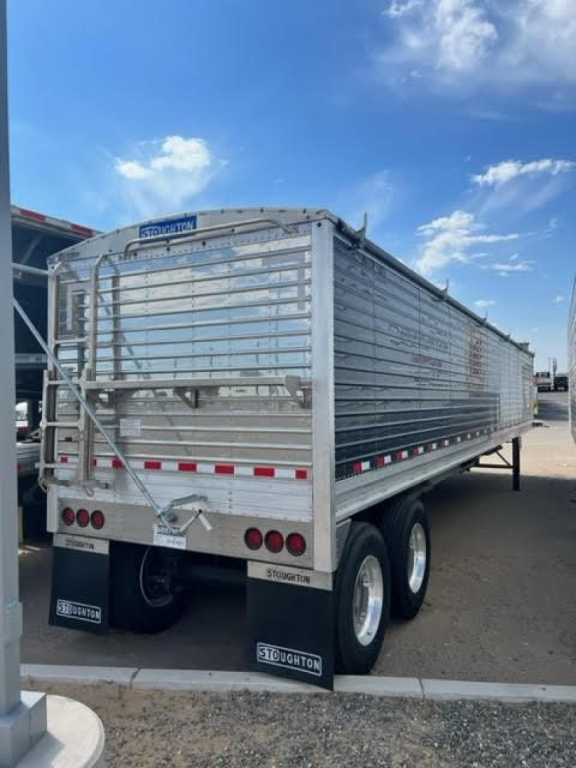
Browse hopper trailers for grain and bulk commodities, including ag hopper specs, side heights, suspension options, tarp systems, and trap setups.
Selling a hopper trailer? List your hopper trailer for sale and reach thousands of commercial buyers.
Hopper Trailers in New Mexico
The first decision is usually capacity versus operating environment. Taller sidewalls increase cubic capacity, which helps on lighter commodities, but legal payload is still governed by axle spacing, tare weight, and state bridge limits. Aluminum wheels, stainless front corners, corrugated side panels, and careful component spec'ing can help control empty weight and improve corrosion resistance. Tandem axle hopper trailers remain the standard for broad commodity hauling, and air ride suspension is popular because it protects the trailer and cargo while improving ride quality over long stretches of rough pavement and uneven approach roads.
Discharge setup is another major buying point. Buyers should pay close attention to hopper gate design, trap operation type, and how easily the trailer can unload into augers, pits, and conveyor systems. Manual traps are still common and straightforward to maintain, while some operations prefer easier-opening systems to speed unloading and reduce driver effort. A good tarp system is not optional on most grain work. Manual roll tarps are simple and proven, but the quality of bows, tarp arms, seals, and access points will affect daily usability. Front and rear ladders, catwalk placement, load gauges, dump valves, and work lights all add real value when the trailer is in constant service.
Condition and build details should be reviewed closely because hopper trailers tend to show wear in predictable areas. Check subframe integrity, kingpin area condition, slope sheets, hopper seams, trap doors, landing gear mounts, suspension components, wheel-end history, and signs of corrosion around dissimilar metals. Tire size, wheel material, and brake spec should match the routes and maintenance plan. For buyers hauling agricultural products in dry climates, dust sealing, tarp fit, and gate closure consistency can be just as important as appearance. A well-matched hopper trailer should unload cleanly, hold legal weight efficiently, and stay dependable through repeated loading cycles in field, elevator, and terminal service.
Frequently Asked Questions about Hopper Trailers in New Mexico
What is the typical size and configuration of a hopper trailer?
Most hopper trailers used for grain and bulk agricultural hauling are tandem axle units around 42 to 43 feet long and 96 inches wide. Aluminum construction is common because it helps reduce tare weight and improve payload efficiency. Buyers will also see variations in side height, hopper opening design, suspension type, wheel package, and tarp system depending on the commodity and the intended route mix.
What commodities are hopper trailers commonly used to haul?
Hopper trailers are commonly used for grain, corn, wheat, milo, feed ingredients, seed, and some dry fertilizer products, provided the trailer is spec'd appropriately for the material. They are designed for free-flowing bulk commodities that can discharge by gravity through the hopper gates. The trailer spec should match the commodity's density, flow characteristics, and cleanliness requirements to avoid carryover, bridging, or difficult unloading.
Is air ride suspension a good choice on a hopper trailer?
Air ride suspension is a strong choice for many hopper trailer applications because it improves ride quality, helps protect both trailer structure and cargo, and generally performs well on mixed road conditions. It is especially useful when the trailer sees long highway runs combined with rough yard entrances or farm access roads. Buyers should still compare maintenance preferences, axle alignment history, and suspension component availability when evaluating overall operating cost.
What should I inspect most carefully on a used hopper trailer?
The most important inspection points are the kingpin and upper coupler area, subframe, crossmembers, slope sheets, hopper seams, trap doors, suspension mounts, landing gear supports, and wheel ends. Also check tarp operation, ladder and catwalk security, light function, brake condition, and any evidence of corrosion or cracking around stress points. A hopper trailer can look clean from a distance but still have costly wear in the discharge system or structural areas.
Are manual tarps and manual traps still practical on hopper trailers?
Yes. Manual tarps and manual trap systems are still widely used because they are simple, proven, and generally less expensive to maintain than more complex powered setups. They work well for many agricultural operations, especially where drivers are accustomed to hands-on loading and unloading routines. The key is to check how smoothly the systems operate, how well they seal, and whether access points and catwalks make them safe to use every day.