
Dump Trailers For Sale in New Mexico
Dump trailers for sale in New Mexico, including end dumps and side dumps for aggregate, asphalt, demolition, and heavy material hauling.
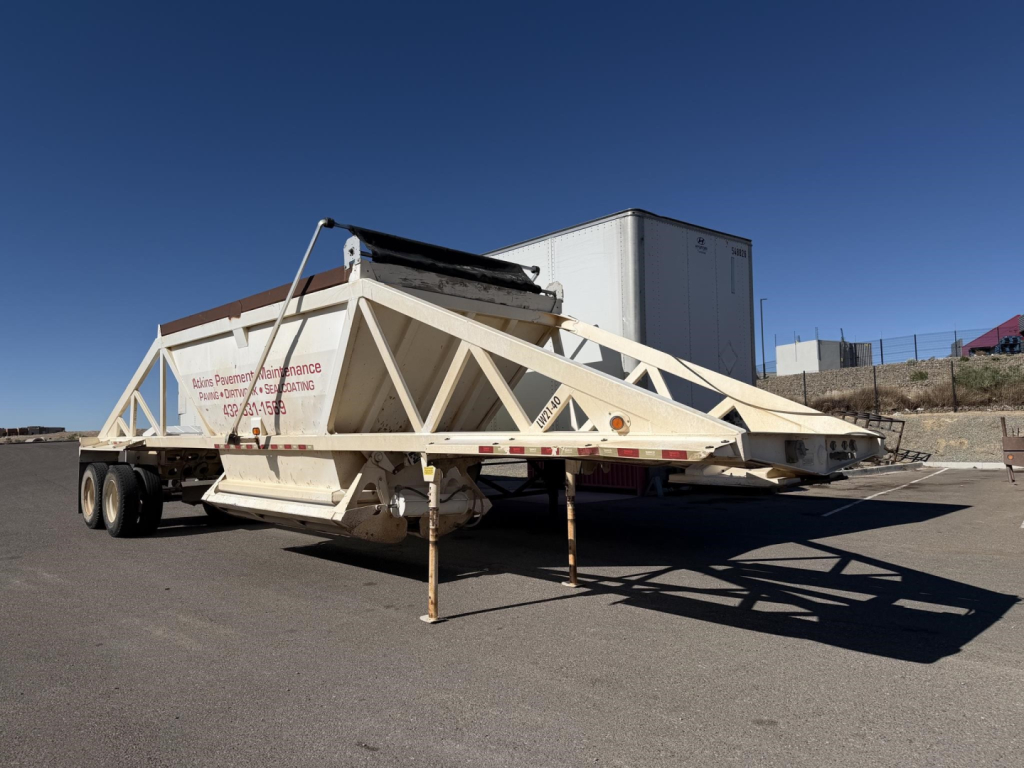
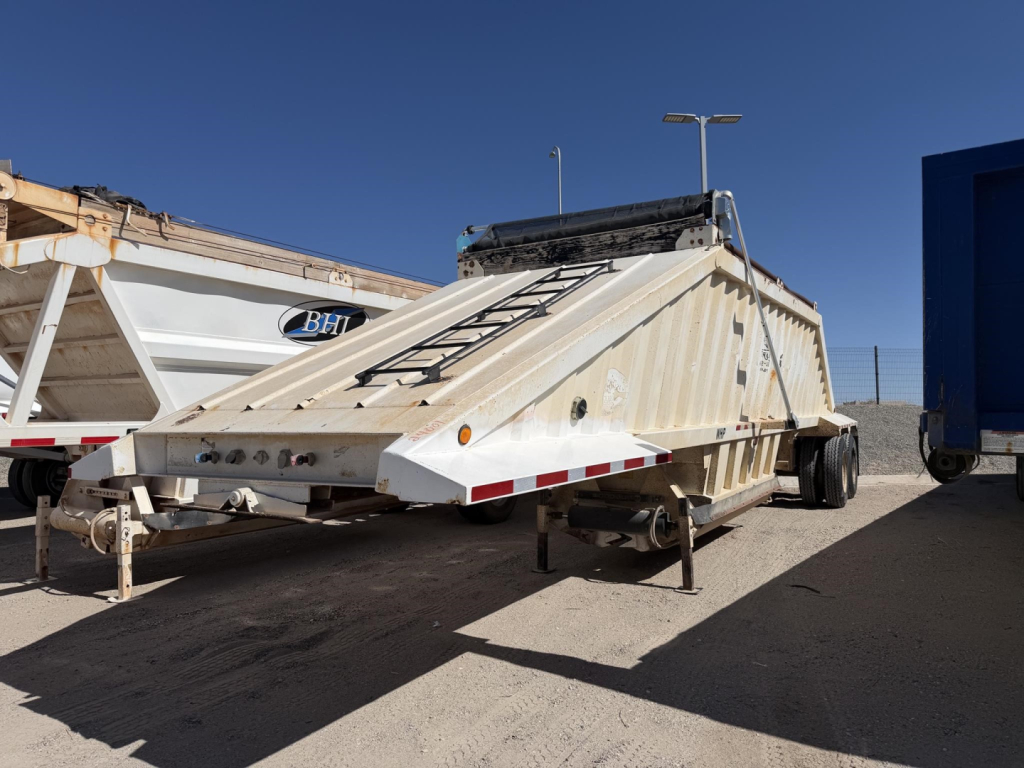
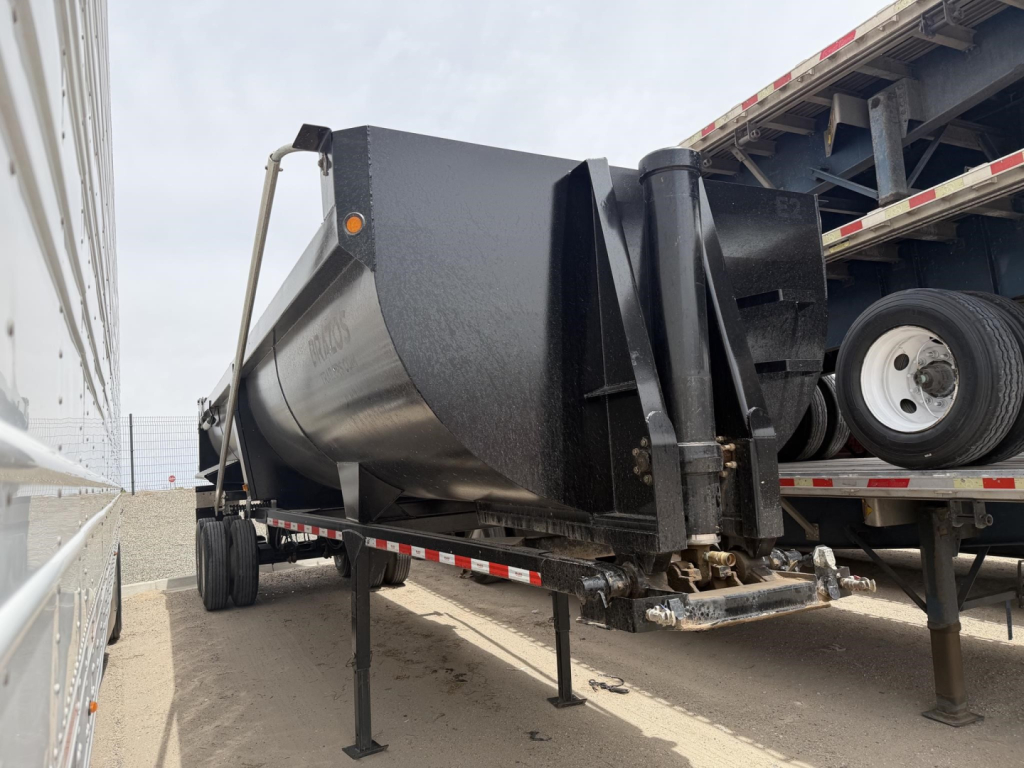
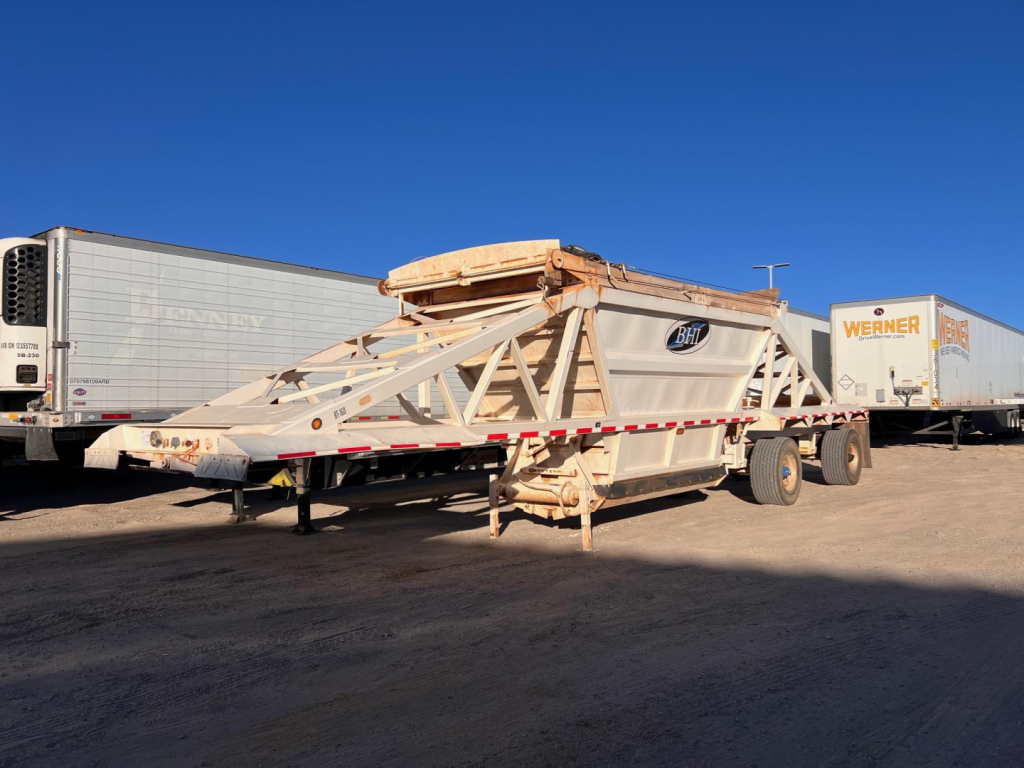
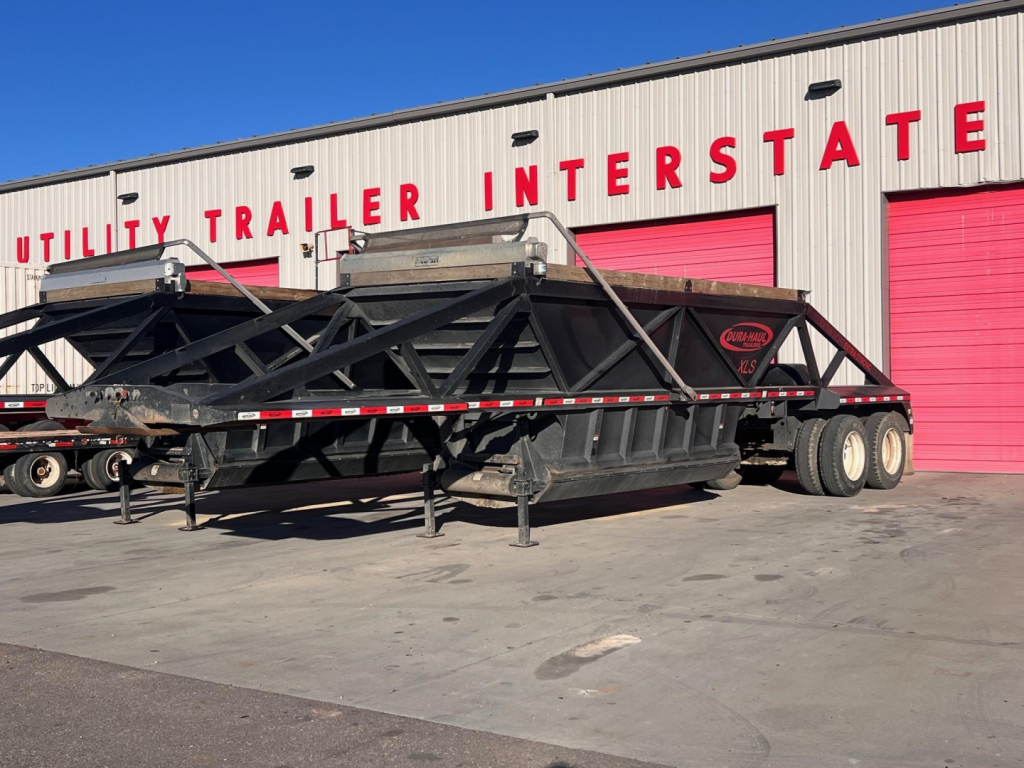
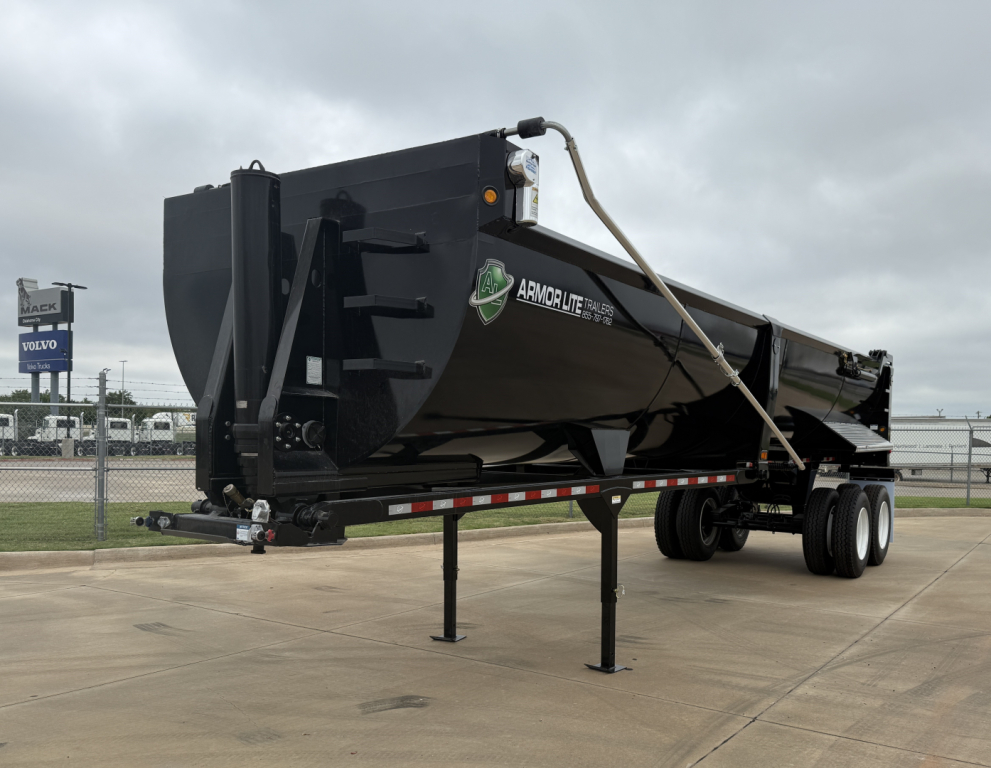
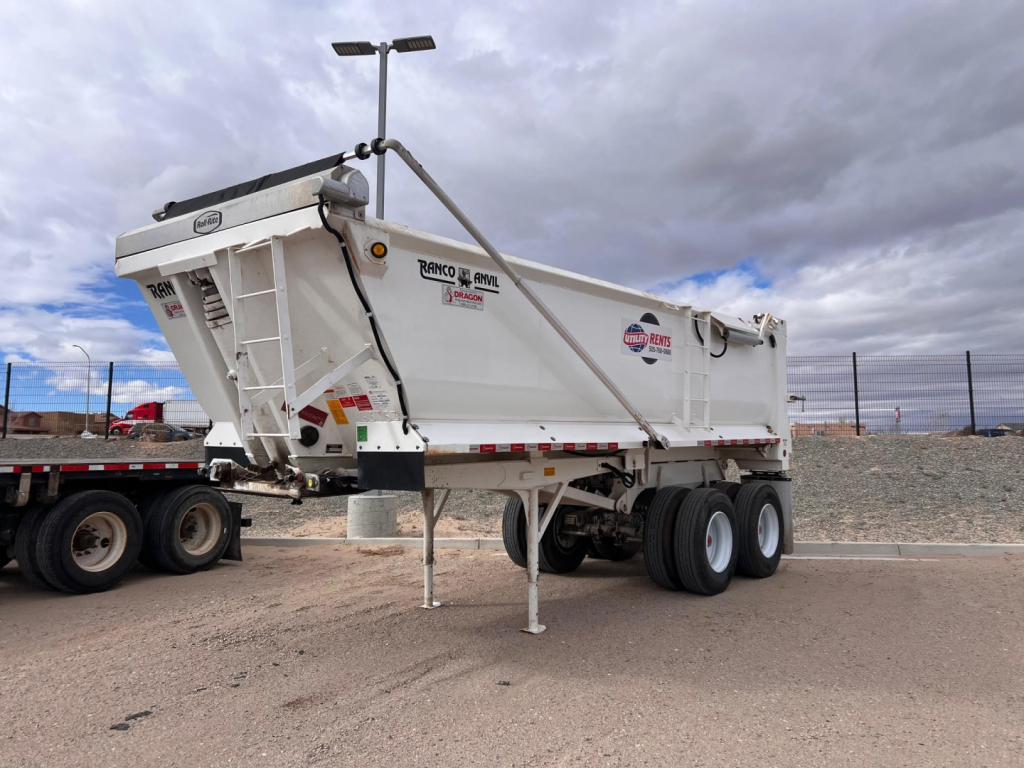
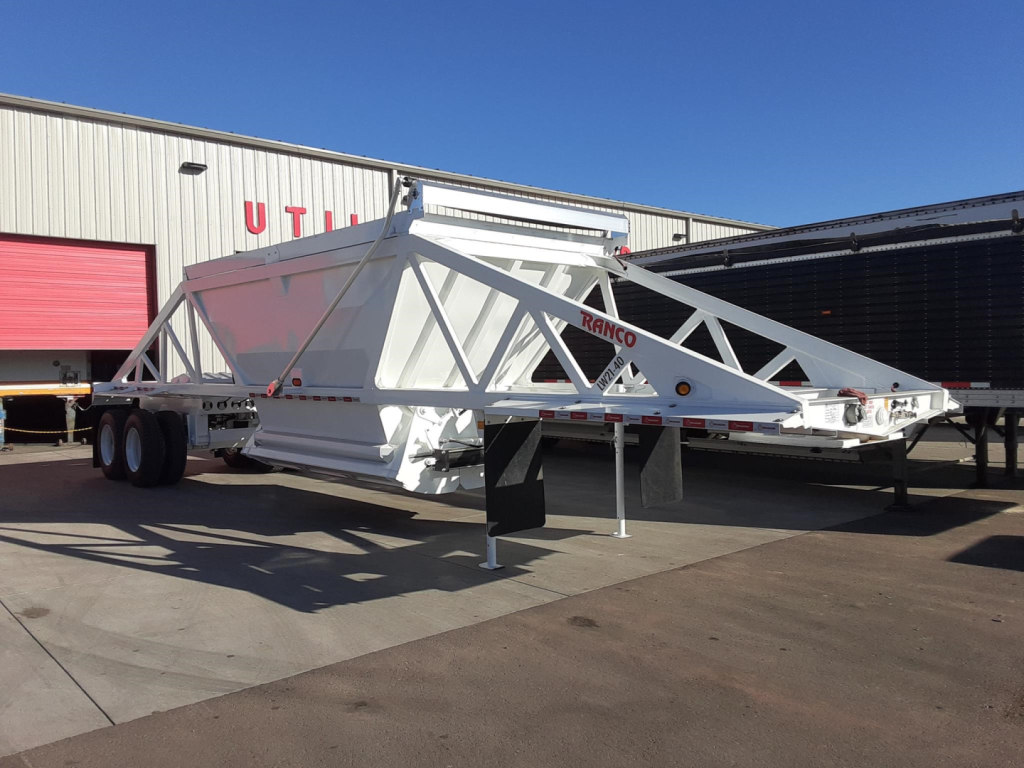
Selling a dump trailer? List your dump trailer for sale and reach thousands of commercial buyers.
Dump Trailers in New Mexico
Tub shape, body material, and frame design should match the material being hauled. Aluminum half-round end dumps are popular when payload is the priority and the freight is less punishing, while AR400 steel tubs, elliptical bodies, and rock-spec builds are better suited for sharp aggregate, demo material, and repeated impact loading. Frameless trailers reduce tare weight and maximize payload but place more stress on the tractor and hoist geometry, so tractor spec and fifth wheel setup matter. Quarter-frame and full-frame dumps add structure and can be a better choice for severe service, rough jobsite conditions, or operators who need added durability over the long haul. Common lengths in the market range from compact 22-foot rock tubs up to 35-foot to 40-foot units, with capacities often landing around 25 to 38 cubic yards depending on body style and side height.
A buyer should look closely at suspension, gate configuration, tarp system, and wear protection. Air ride is common on highway-oriented dump trailers, while single-point or other heavy-duty mechanical suspensions still have a place in rougher off-road work. High-lift and top-hinge gates help with large rock and controlled discharge, and side dump valve configuration affects how the trailer fits the operation. Electric roll tarps and slide tarps are now standard on many specs because they improve compliance and reduce loading delays. Liners, scuff-resistant AR plate, bolt-on fenders, ladders, push blocks, and sealed gates all add value depending on the material stream and how often the trailer is loaded by excavator versus wheel loader.
When comparing dump trailers for sale, focus on empty weight, body construction, suspension type, tire size, axle spread, and how the trailer matches the tractor assigned to it. A light aluminum end dump may pencil out best for long-distance aggregate or asphalt work, while a steel side dump or rock tub can be the better tool where impact resistance and dump stability are non-negotiable. Buyers in New Mexico also tend to pay attention to dust control, tarp reliability, brake condition, and overall structural integrity around hinges, cylinders, crossmembers, and tub corners. The right dump trailer is not just about cubic yards on paper. It is about getting material on and off safely, staying productive in rough conditions, and holding up under repeated heavy cycles.
Frequently Asked Questions about Dump Trailers in New Mexico
What is the difference between an end dump trailer and a side dump trailer?
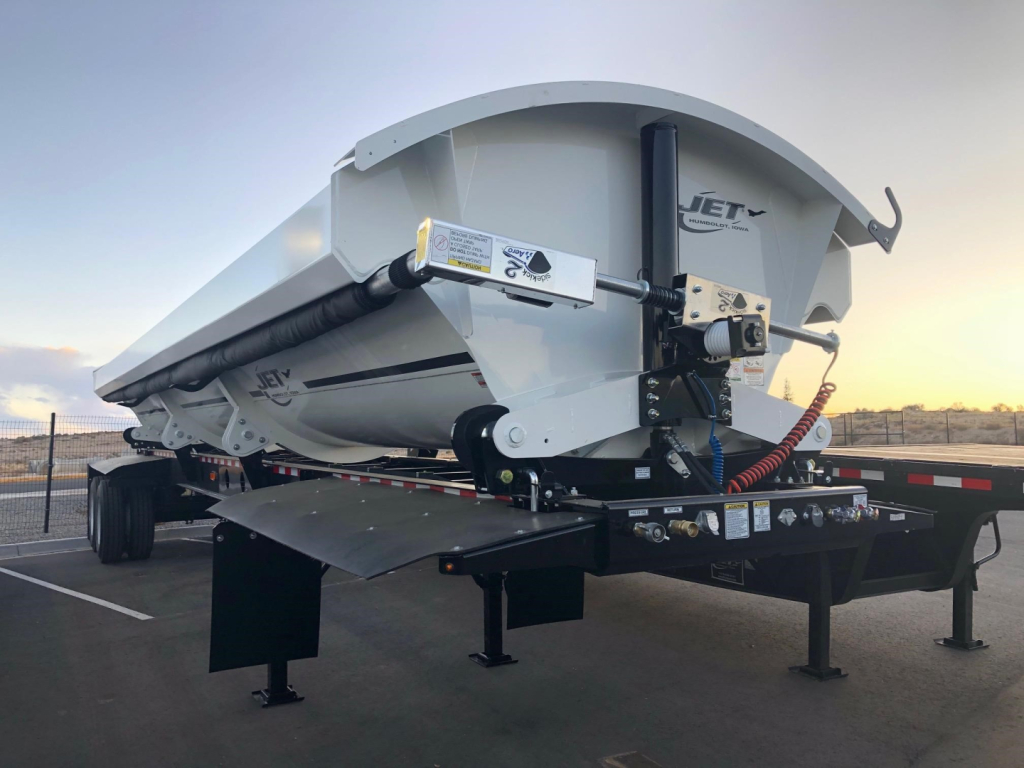
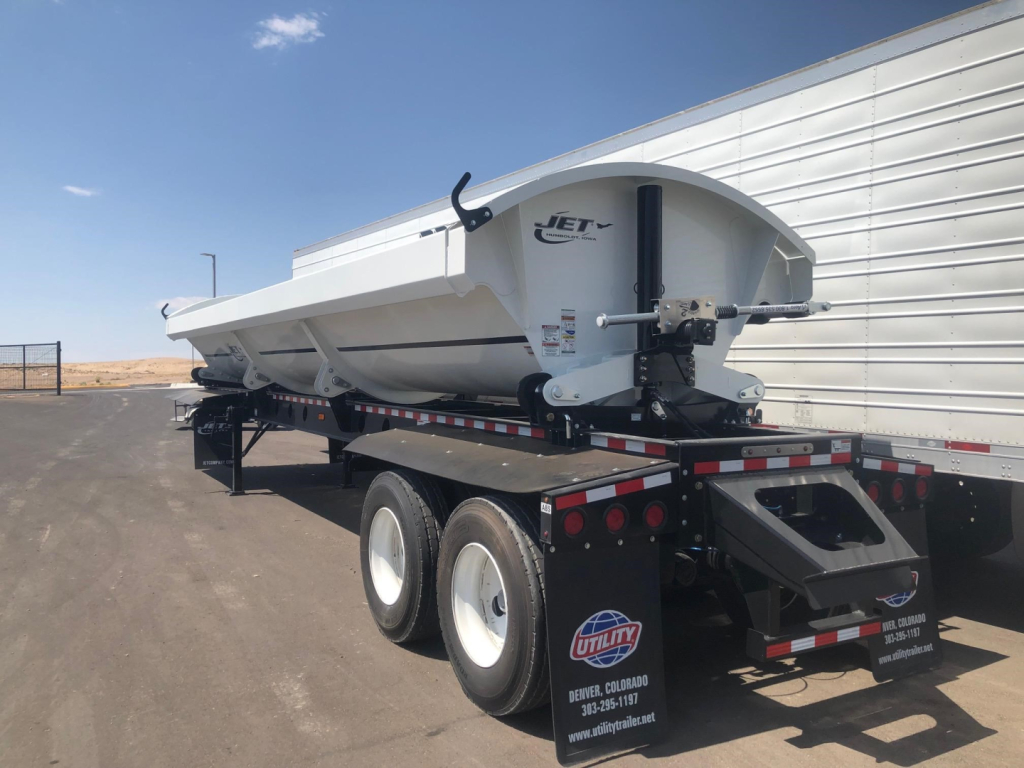
An end dump trailer raises the front of the body and unloads material out the rear gate, which makes it well suited for stockpiling, spreading into a pile, and hauling high-volume bulk material. A side dump trailer uses hydraulic cylinders to roll the tub and discharge the load to the side, which generally provides better stability during unloading on uneven terrain and allows material to be placed in a windrow. End dumps are more common across general aggregate and asphalt work, while side dumps are often preferred for road construction, trench backfill, and applications where tip-over risk is a concern.
Is aluminum or steel better for a dump trailer?
Aluminum is usually chosen to maximize payload because it weighs less, and it is common in frameless half-round end dumps hauling sand, gravel, or other bulk commodities that are not extremely abusive. Steel is heavier but more resistant to impact, abrasion, and concentrated loader hits, especially when the tub is built with AR400 or similar wear-resistant material. For rock, demolition, or severe-duty applications, steel often holds up better over time. The right choice depends on the balance between legal payload, material type, haul distance, and how hard the loading environment is on the body.
What should I look for when buying a used dump trailer?
Start with the structural areas that are expensive to repair, including the tub floor, sidewalls, hinge area, hoist mounts, crossmembers, frame rails, suspension hangers, and gate hardware. Check for cracks around stress points, signs of previous welding, uneven tire wear, and body distortion from overloading or side-loading. On frameless trailers, inspect the neck and kingpin area carefully because those trailers transfer more stress into the chassis. Also verify tarp operation, brake condition, tire size and age, hydraulic plumbing, and whether liners, fenders, and gate seals are still serviceable. A light trailer with visible structural fatigue can cost more in downtime than a heavier, better-kept unit.
What size dump trailer is best for aggregate or rock hauling?
The best size depends on material density, legal weight limits, and where the trailer will work. Dense material such as rock or wet aggregate often favors shorter, heavier-duty bodies in the 22-foot to 26-foot range because cubic capacity is less important than staying legal on gross weight. Lighter bulk material can justify longer 35-foot or 40-foot trailers with higher sidewalls and more cubic yards. Buyers should compare cubic capacity with empty weight, axle configuration, and local bridge and road restrictions instead of assuming the longest trailer is the most productive.
Are frameless dump trailers better than frame-type dump trailers?
Frameless dump trailers are popular because they cut tare weight and improve payload, which can make a real difference on every load. They are efficient for many highway applications, especially in aluminum end dump configurations. Frame-type, quarter-frame, and full-frame trailers add structural support and are often preferred for harsher off-road use, uneven dumping areas, and repeated heavy impact loading. Neither design is automatically better. The better trailer is the one that matches the tractor, the material, and the severity of the work cycle.