
Ranco Dump Trailers For Sale in New Mexico
Compare Ranco dump trailers including end dumps and bottom dumps, with key specs, body styles, capacities, and application insights.
Selling a ranco dump trailer? List your ranco dump trailer for sale and reach thousands of commercial buyers.
Ranco Dump Trailers in New Mexico
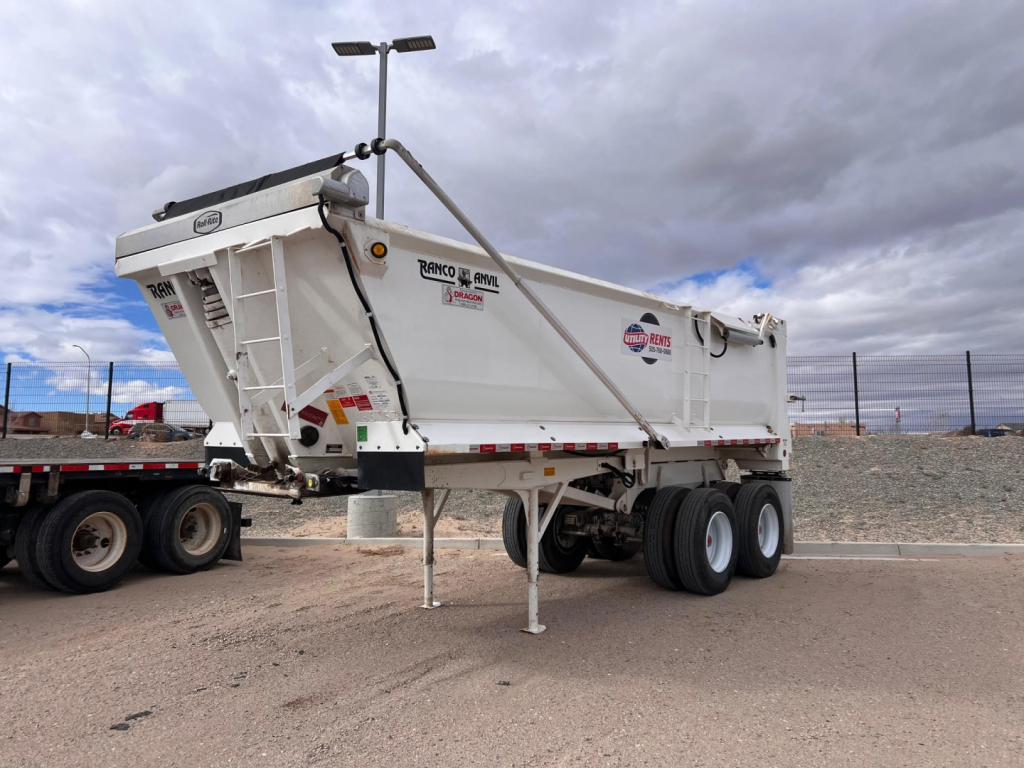
On the end dump side, pay close attention to tub design, frame style, and material spec. Ranco quarter-frame and frameless configurations each have their place depending on tractor spec, haul road conditions, and load type. Elliptical tubs help material shed cleanly and reduce carryback, while AR steel options such as AR400 are common where rock and heavy aggregate will wear a body quickly. Capacity is often measured in cubic yards, but legal payload depends on trailer weight, axle group, and the routes you run in New Mexico. Gate configuration, hoist geometry, suspension choice, and kingpin setting all affect stability, bridge compliance, and how the trailer behaves on uneven ground.
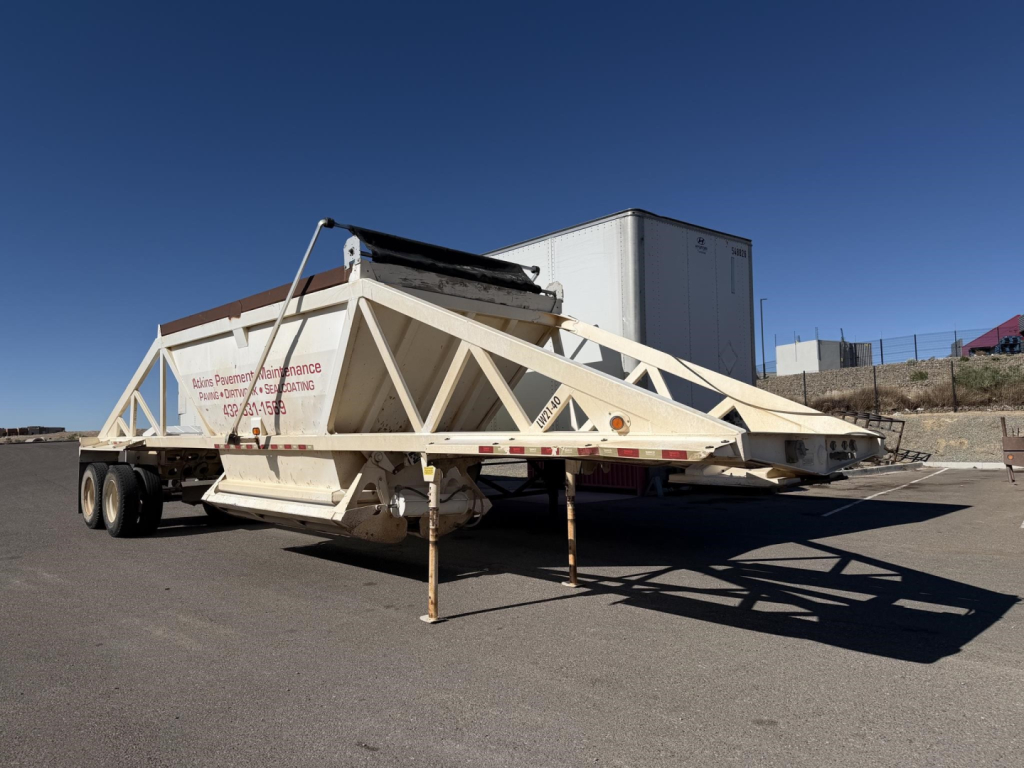
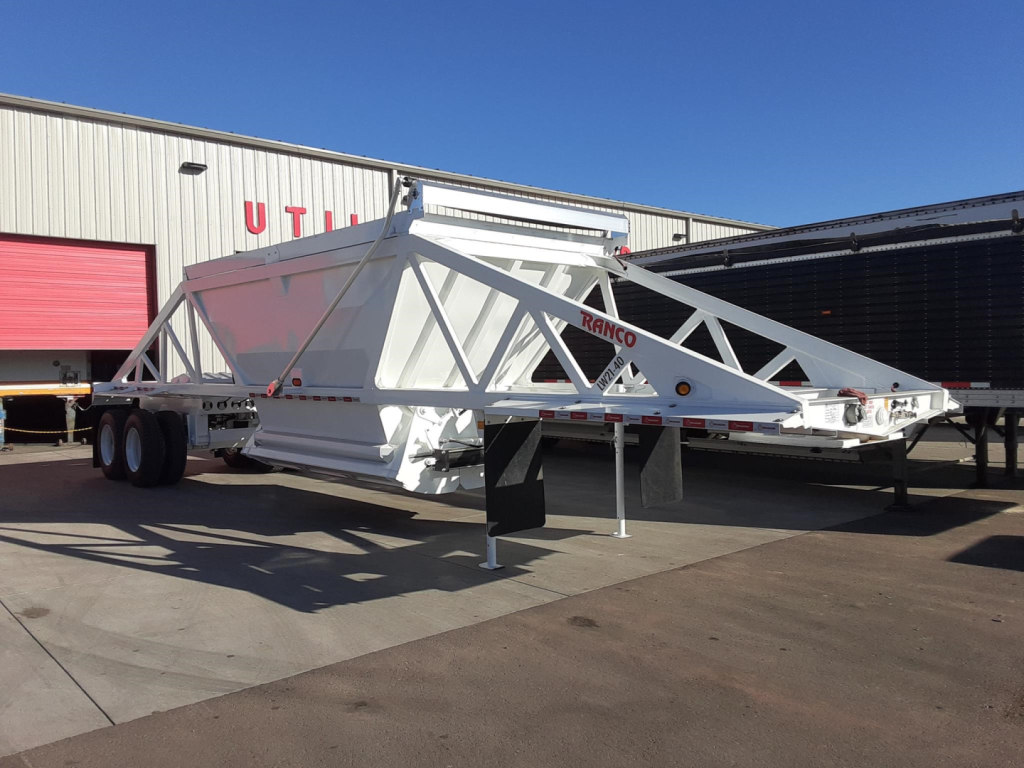
Ranco bottom dumps are built around productivity and discharge control. Common buyer checkpoints include hopper count, gate style, gate controls, push block setup, and axle spacing. A lightweight 40-foot single-hopper or multi-hopper trailer can be a strong fit for asphalt plants, road base, and shoulder work where you need a clean spread and fast turnaround. Features such as electric flip tarps, windrow deflectors, bang boards, and air ride suspension are not cosmetic details. They directly affect material control, cycle time, and driver ease of use. If the trailer will stay in paving service, look closely at gate limiters and valve operation because consistent flow matters more than raw box volume.
A serious buyer should also inspect wear points and spec discipline rather than shopping on year alone. On steel end dumps, that means looking at floor thickness, sidewall condition, hinge area, hoist mounts, and signs of body twist or hard off-road use. On bottom dumps, focus on gate sealing surfaces, pivot wear, air and hydraulic control function, liner condition if equipped, and suspension alignment. Tire size, wheel type, lighting, tarp system, and dolly leg style all affect long-term operating cost. Ranco trailers are generally valued for practical construction and application-specific designs, so the best choice is the one whose body material, discharge style, and axle setup match the material, cycle count, and road conditions you actually run.
Frequently Asked Questions about Ranco Dump Trailers in New Mexico
What is the difference between a Ranco end dump trailer and a Ranco bottom dump trailer?
A Ranco end dump trailer unloads by raising the body and dumping material out the rear gate, which makes it better suited for rock, demolition debris, and other bulk material that does not need to be spread precisely. A Ranco bottom dump trailer releases material through hopper gates in the floor, which makes it a better fit for paving, road base, shoulder work, and stockpile operations where controlled discharge and quick unload times are important.
Are Ranco steel dump trailers better than aluminum for aggregate work?
For severe aggregate, riprap, scrap, and abrasive material, steel bodies are often the better choice because they handle impact and wear more effectively than aluminum. Many buyers look for AR steel body material, especially in end dump applications where sharp or heavy material can shorten body life. Aluminum can reduce tare weight, but steel is typically preferred when durability and resistance to abuse are the primary concerns.
What should I check on a used Ranco dump trailer?
Start with the structure and wear areas that are expensive to repair. On an end dump, inspect the tub floor, sidewalls, crossmember area, hinge assembly, gate hardware, and hoist mounts for cracks, distortion, or patchwork. On a bottom dump, inspect hopper gates, pivots, seals, linkage, controls, and suspension alignment. Also review the tarp system, tires, brakes, lighting, kingpin area, and any signs that the trailer was overloaded or consistently run on rough haul roads.
What capacity should I expect from a Ranco dump trailer?
Capacity varies widely by body style and intended material. End dumps are often discussed in cubic yards, with configurations commonly built for aggregate, dirt, or demolition loads, while bottom dumps are more often selected around trailer length, hopper design, and legal payload strategy. The right capacity is not just a body volume decision. It also depends on material density, axle configuration, tare weight, and state bridge and weight limits.
Why do buyers choose a Ranco bottom dump for paving and road work?
Buyers choose Ranco bottom dumps for paving and road work because they can unload quickly while maintaining better control over spread pattern and material flow. Features such as gate limiters, windrow deflectors, flip tarps, and properly configured valves help operators place material more consistently and keep cycle times short. That combination supports high production on road crews where uniform discharge and fast turnaround matter every day.