
2026 Dump Trailers For Sale in New Mexico
Shop 2026 dump trailers for sale in New Mexico. Compare end dump, side dump, and bottom dump trailer specs, capacities, suspensions, and options.
Selling a 2026 dump trailer? List your 2026 dump trailer for sale and reach thousands of commercial buyers.
2026 Dump Trailers in New Mexico
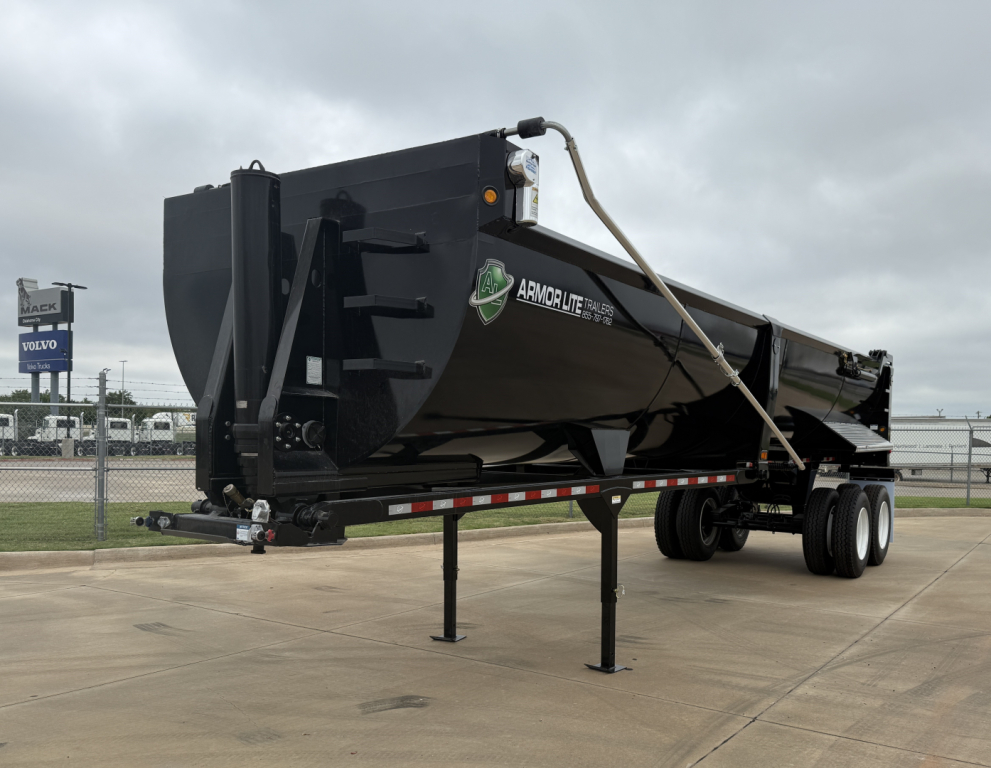
Body construction and capacity should be matched to the material, not just the advertised volume. Steel dump trailers, especially AR400 or similar abrasion-resistant tubs, are common for rock, riprap, and other abrasive loads where impact resistance matters more than tare weight. Aluminum bodies reduce empty weight and can improve payload, but they are generally better suited to less severe material conditions unless heavily reinforced. Buyers typically compare tub length, side height, cubic yard rating, floor thickness, gate design, and whether the trailer uses quarter-frame, frameless, or frame-type construction. Frameless and quarter-frame designs can save weight, while full-frame configurations may appeal to operations prioritizing durability in punishing off-road conditions.
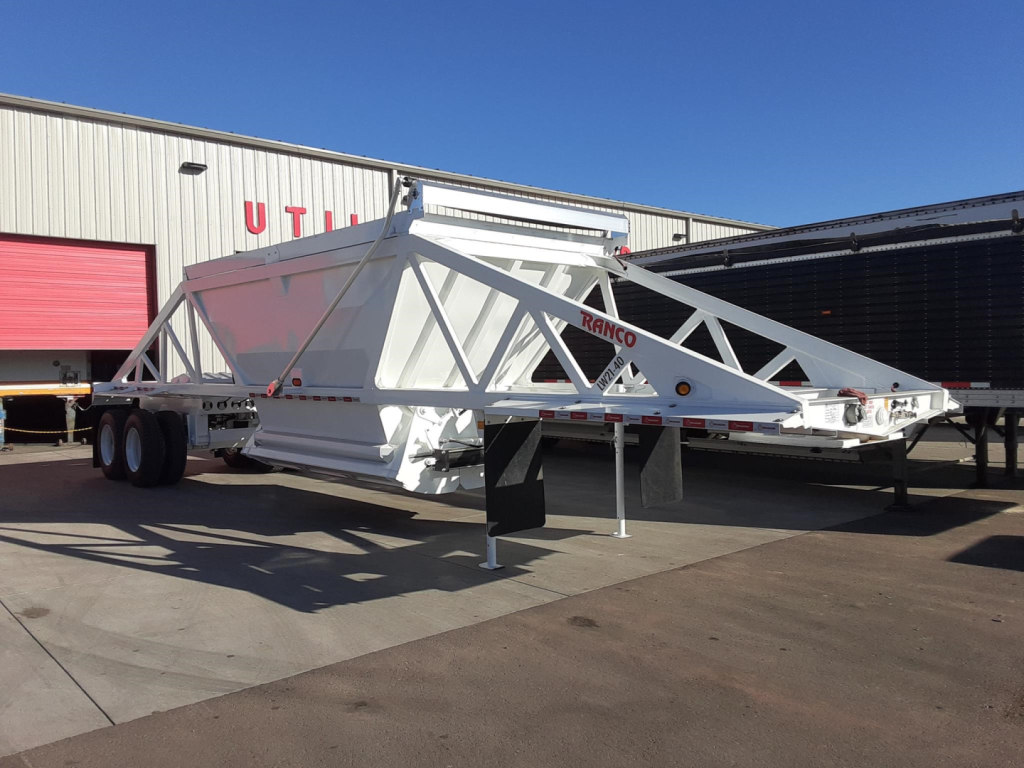
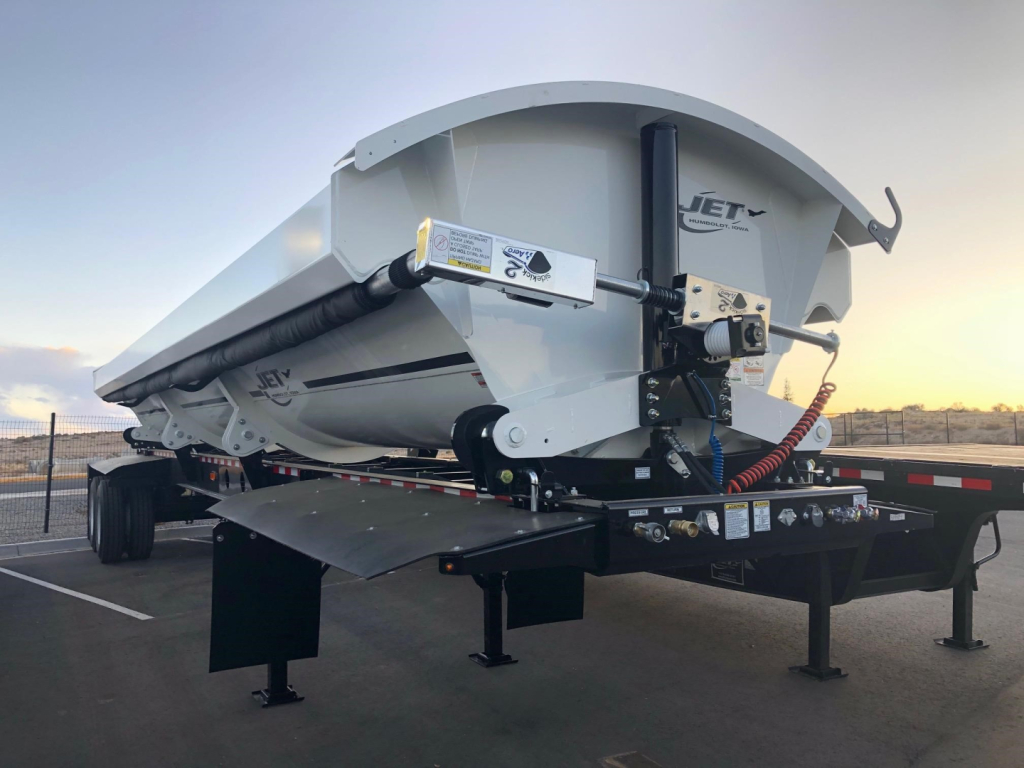
Suspension, axle spread, and dump controls have a direct effect on uptime and handling. Air ride remains popular for ride quality, cargo protection, and road performance, while some severe-service applications still lean toward spring suspensions for simplicity. Tandem and spread axle layouts are selected based on bridge laws, maneuverability, and the type of material being hauled. On bottom dumps, details like gate limiters, air controls, push blocks, and windrow deflectors matter because they affect placement accuracy and train compatibility. On end dumps and side dumps, buyers should pay close attention to cylinder design, hoist geometry, tub shape, liner options, and tarp systems. Electric flip tarps, roll tarps, and tarp lockout kits are common on newer units and are worth evaluating for safety, cleanup, and DOT compliance.
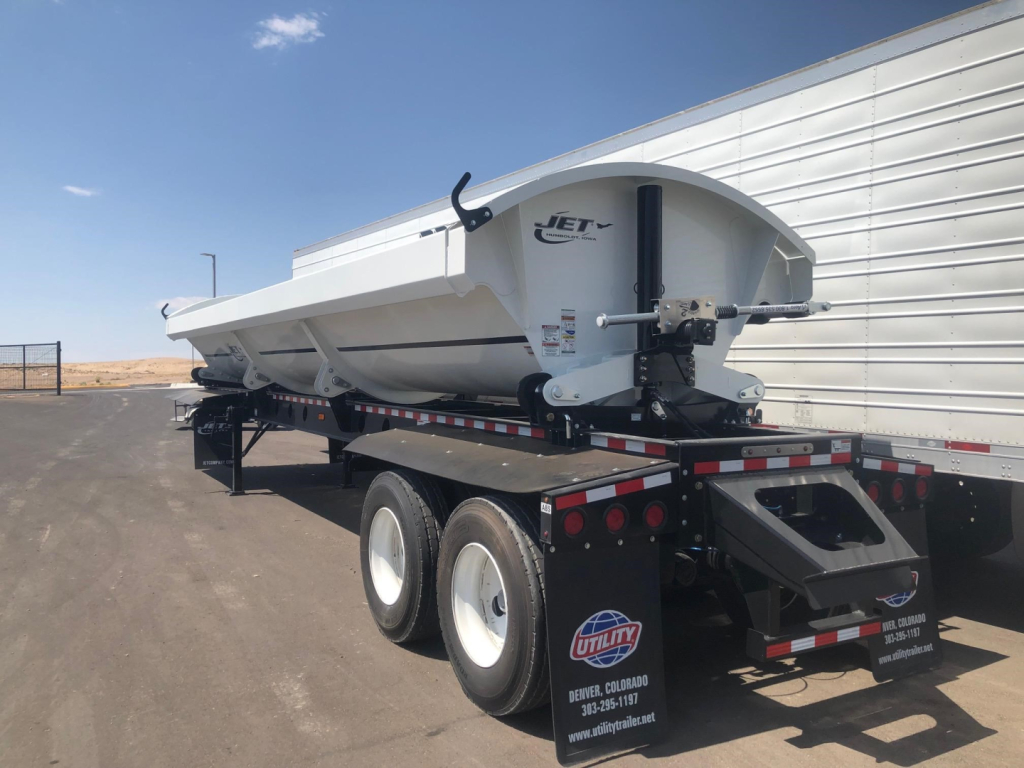
For New Mexico buyers, operating environment matters as much as the build sheet. Long highway runs, rural road access, quarry loading, and hot, dusty conditions all affect the ideal trailer spec. Look closely at tire size, wheel type, fender configuration, ladder placement, lighting, gate seals, and service access to airlines, valves, and hydraulic components. If the trailer will run in a transfer, paving, or aggregate fleet, standardization of controls and wear parts can reduce maintenance delays. A strong 2026 dump trailer spec is less about one brand feature and more about building the right combination of body material, capacity, suspension, gate setup, tarp system, and discharge style for the material and route.
Frequently Asked Questions about 2026 Dump Trailers in New Mexico
What is the difference between an end dump, side dump, and bottom dump trailer?
An end dump raises the front of the body and discharges material out the rear, making it a common choice for bulk hauling with high cubic yard capacity. A side dump unloads to the side through a tub that rolls or tips, which can improve stability and speed on uneven ground. A bottom dump, also called a belly dump, releases material through gates underneath the trailer and is preferred for controlled spreading in road building, aggregate placement, and other high-production applications.
Is steel or aluminum better for a dump trailer body?
Steel is usually the better choice for abrasive, high-impact material such as rock, demolition debris, and heavy aggregate because it offers better resistance to dents, gouging, and structural fatigue. Aluminum reduces trailer weight and can improve legal payload, which is attractive for operations hauling lighter or less abrasive material. The right choice depends on what the trailer hauls every day, how severe the loading conditions are, and whether tare weight or body life is the higher priority.
Why does suspension type matter on a dump trailer?
Suspension affects ride quality, durability, and how the trailer behaves both loaded and empty. Air ride is common because it improves road manners, helps protect the trailer structure, and can reduce shock transfer to the body and running gear. Spring suspension remains relevant in harsh applications where simplicity and ruggedness are valued. Buyers should also consider axle spacing, dump-site conditions, and maintenance practices, because those factors can matter as much as the suspension brand itself.
What features are important on a bottom dump trailer?
On a bottom dump, gate control and material flow are critical. Buyers typically look at hopper design, gate limiters, air control setup, windrow deflectors, push blocks, tarp configuration, and axle layout. These features determine how cleanly the trailer discharges, how accurately it places material, and how well it integrates into paving or aggregate operations. A bottom dump that opens consistently and meters material evenly will usually outperform a higher-capacity trailer with poor gate control.
What should buyers in New Mexico look for in a 2026 dump trailer?
New Mexico fleets often need a trailer that can handle a mix of highway travel, quarry work, rough job-site access, and dry, dusty conditions. That makes durability, tarp effectiveness, lighting reliability, and easy service access especially important. Buyers should match the tub material and suspension to the terrain and payload, then confirm the trailer has practical details such as durable fenders, accessible valves, proper tire sizing, and a discharge style suited to the material being hauled.