
2026 Dump Trailers For Sale
Shop 2026 dump trailers including end dumps, bottom dumps, and hard-ox bodies with common specs, capacities, suspension options, and hauling uses.
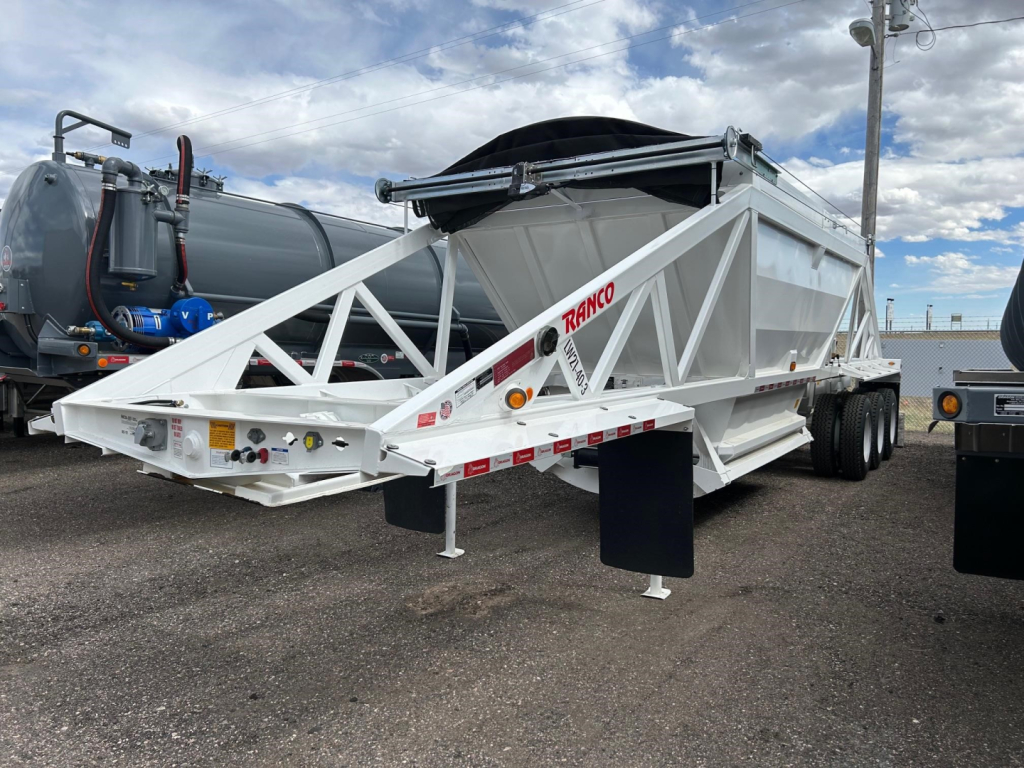
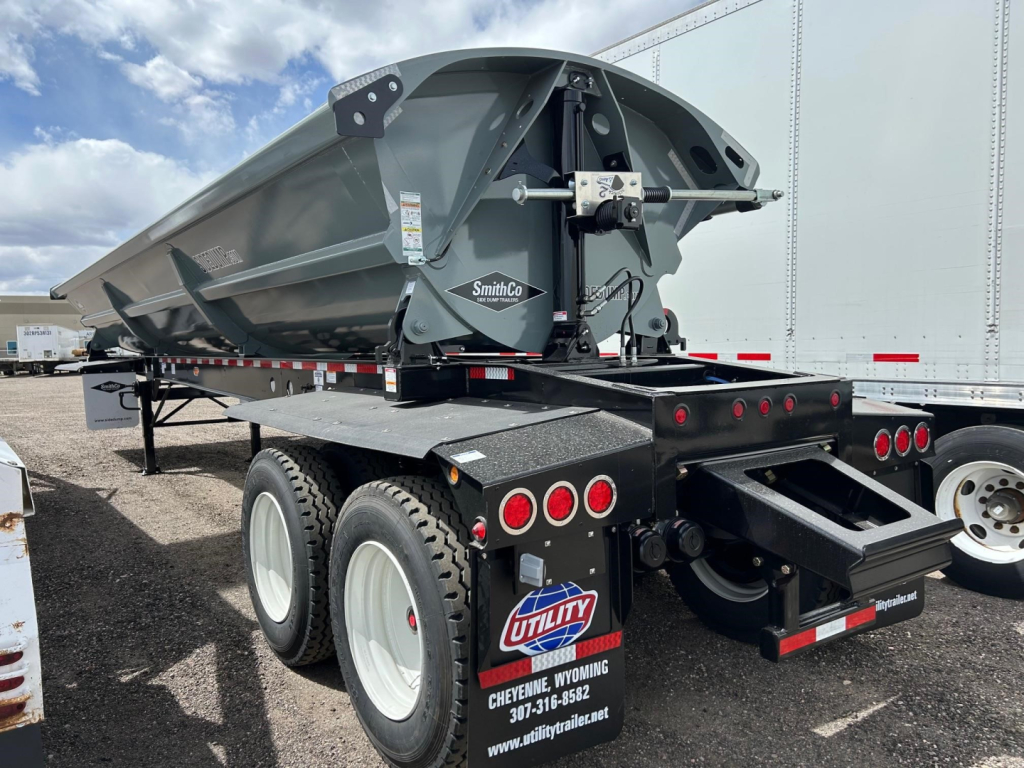
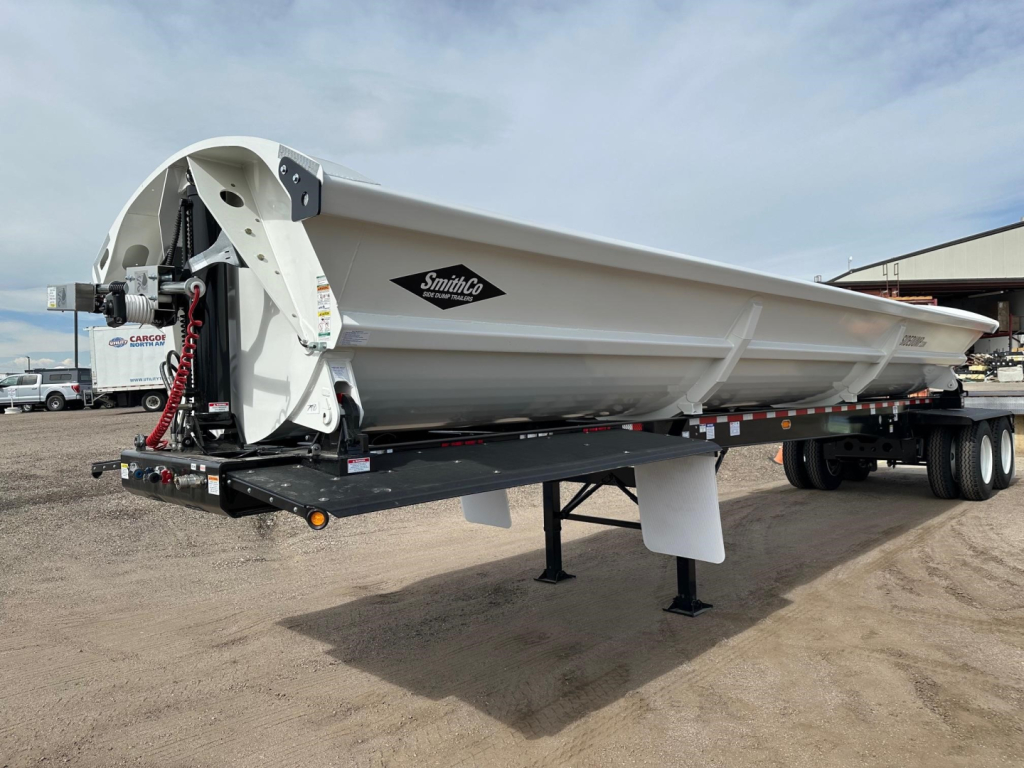
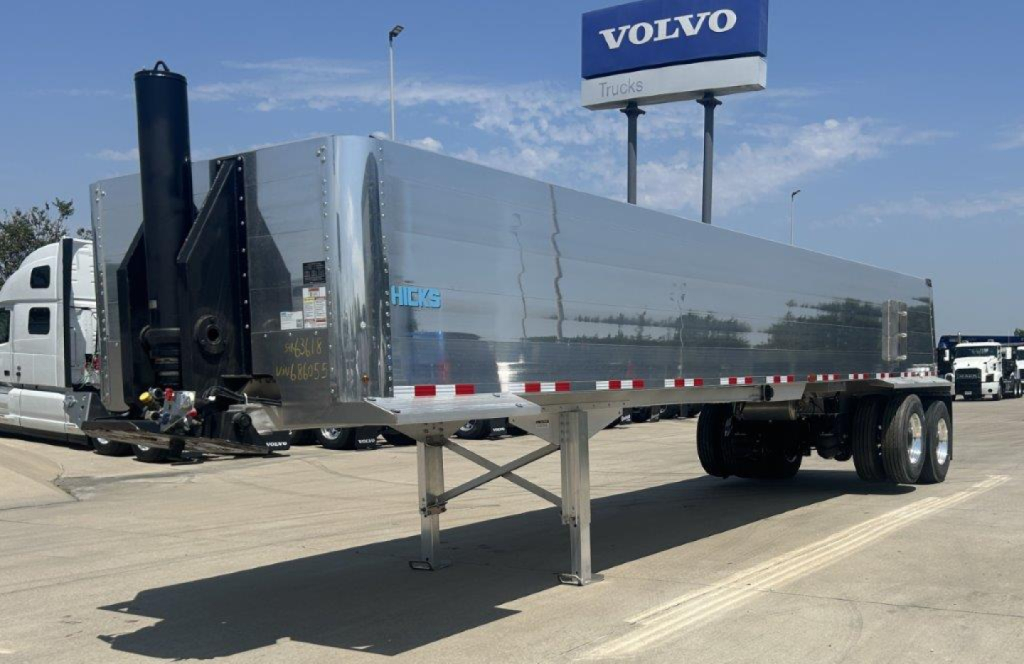
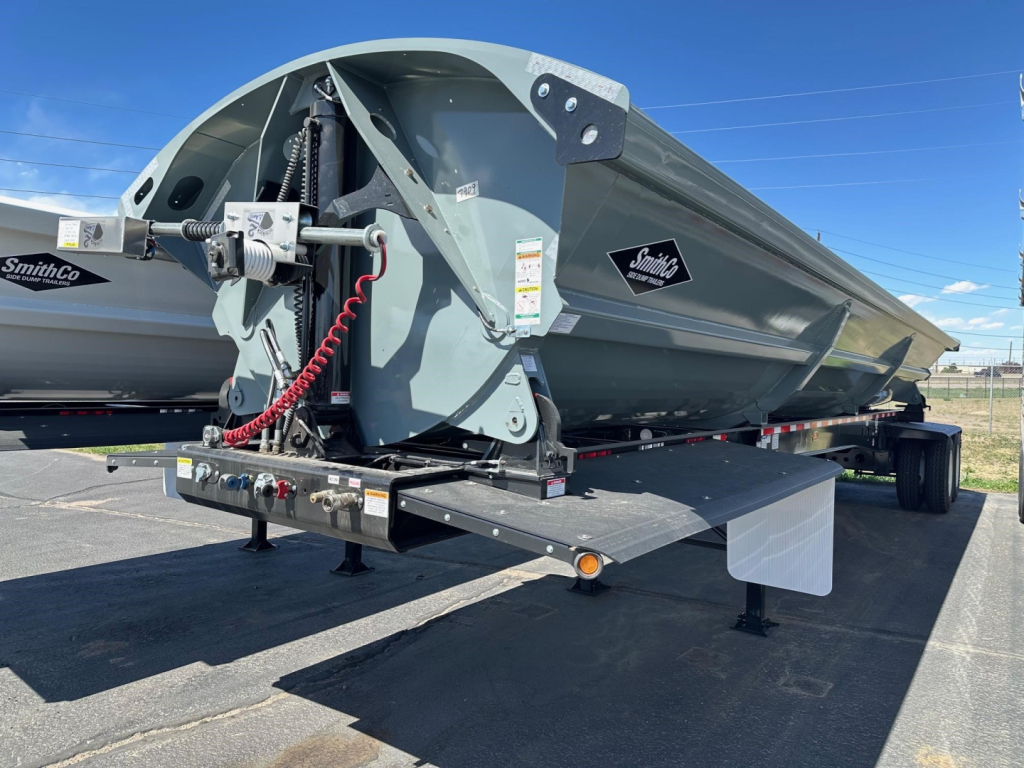
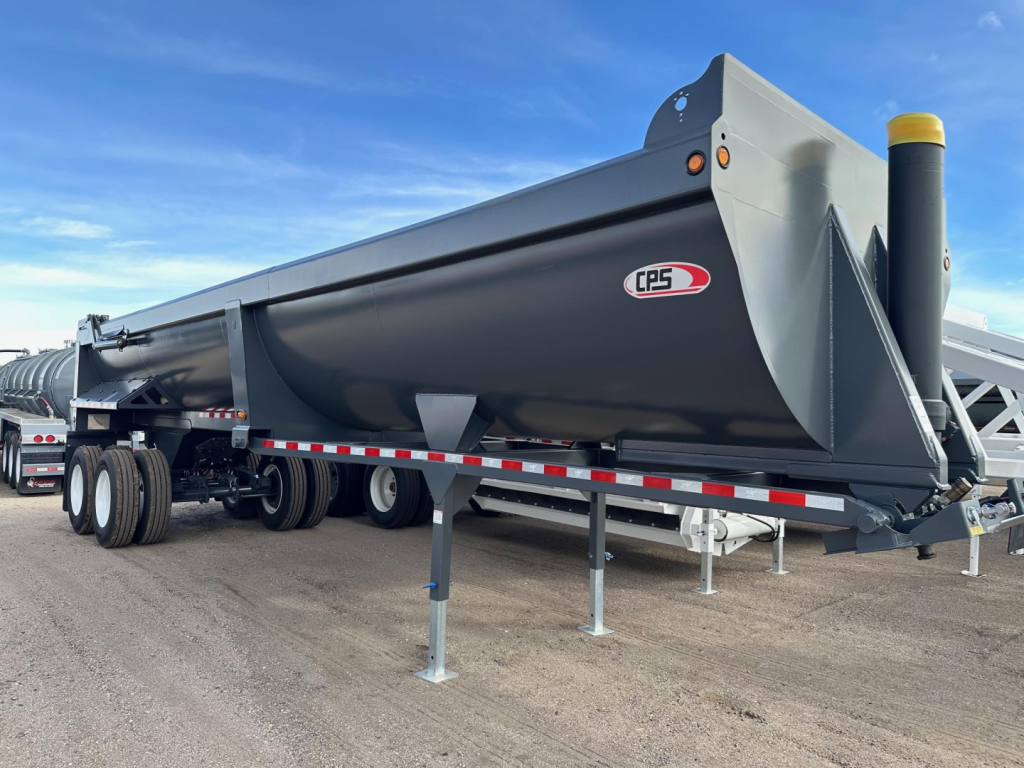
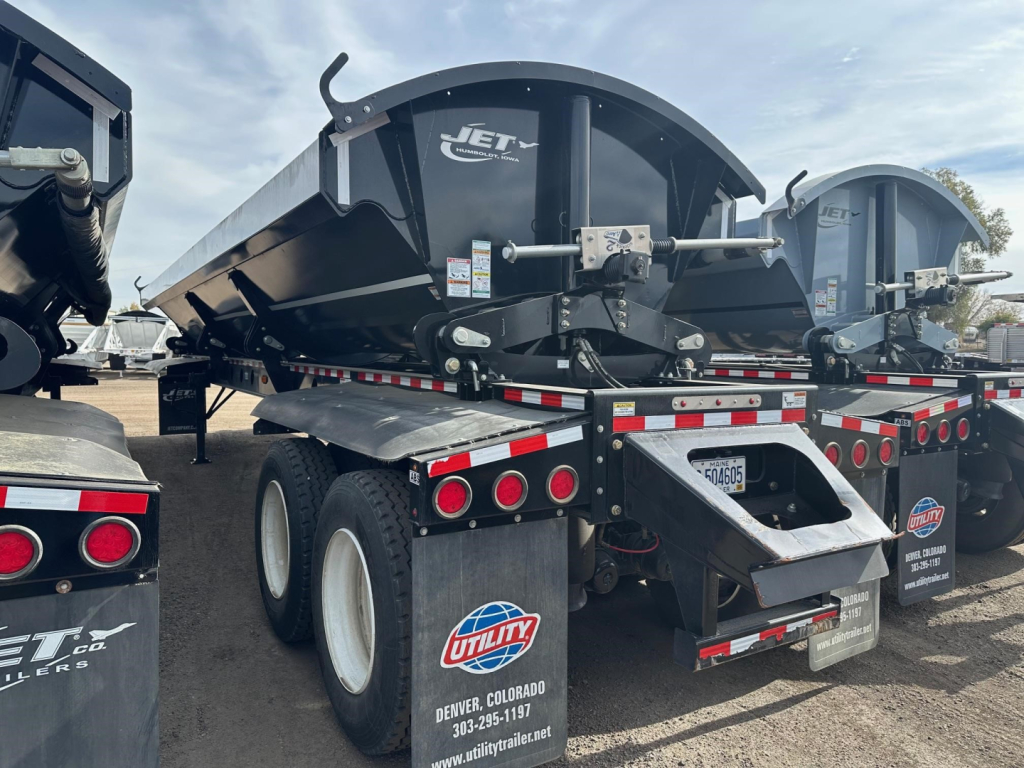
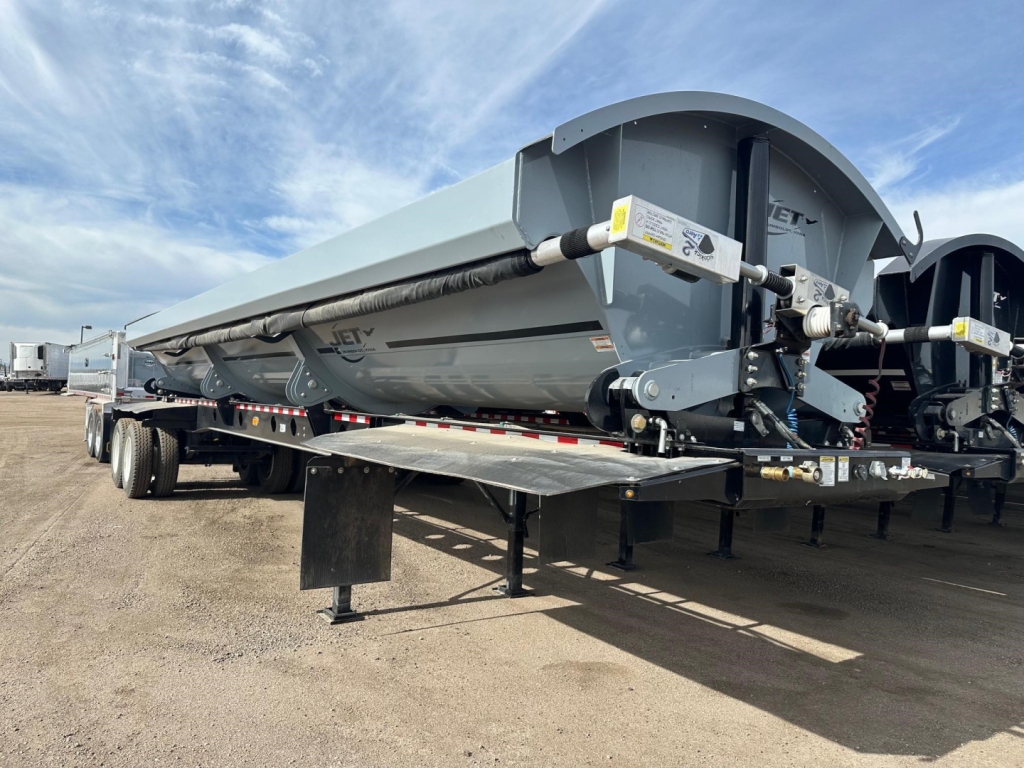
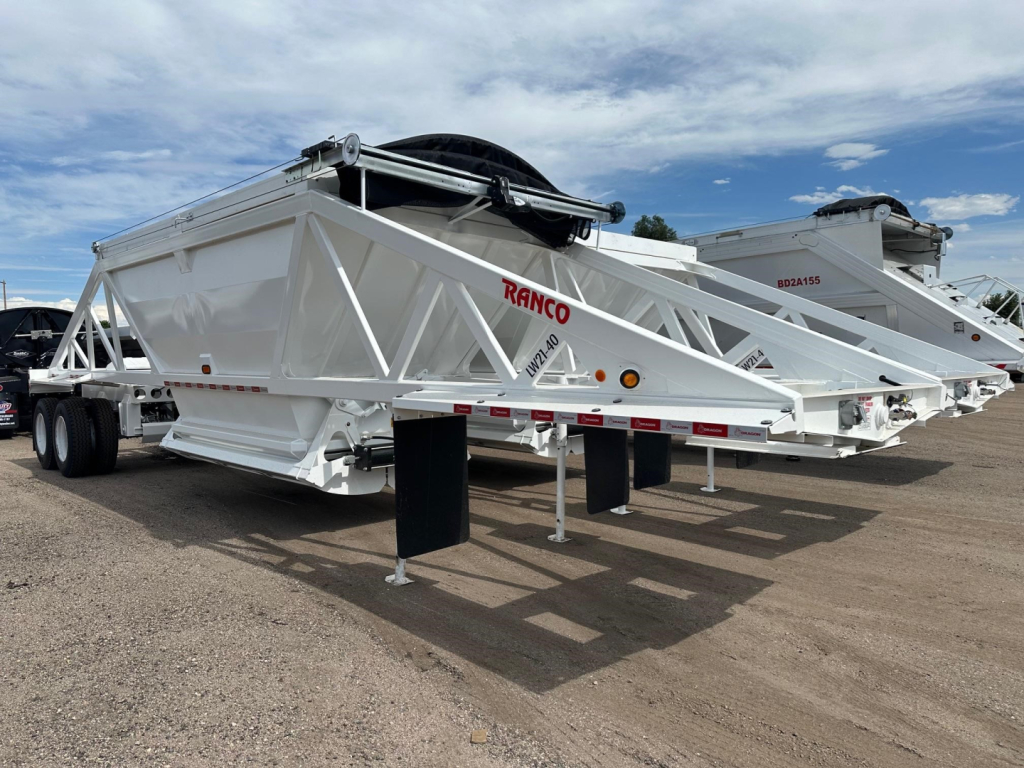
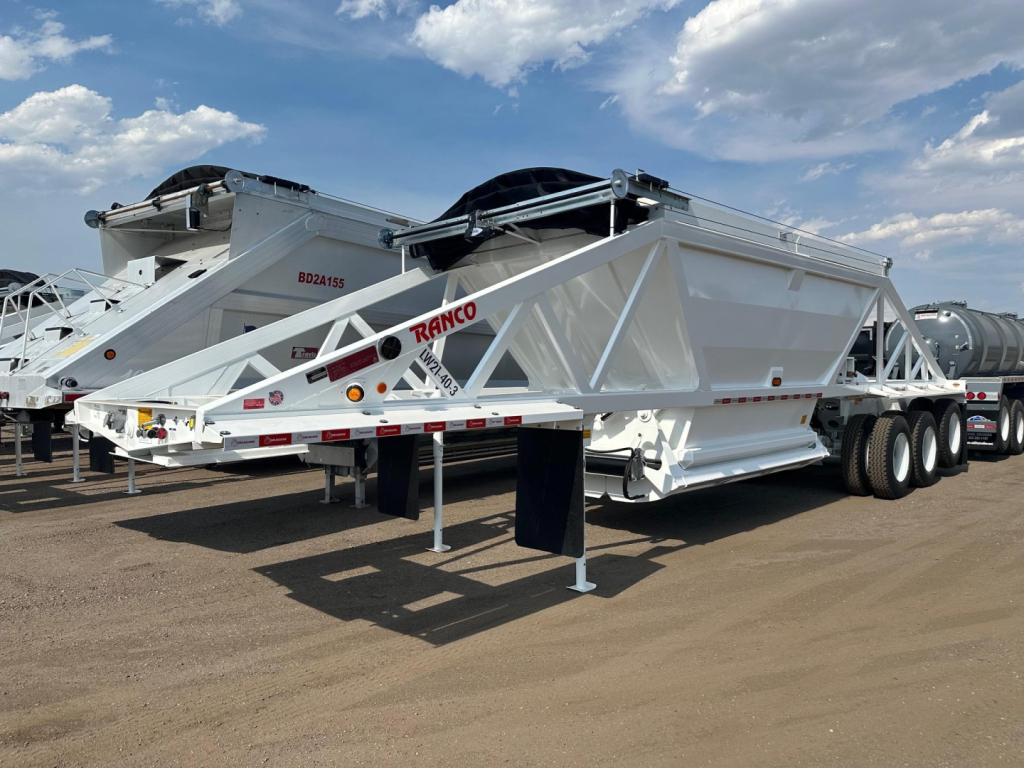
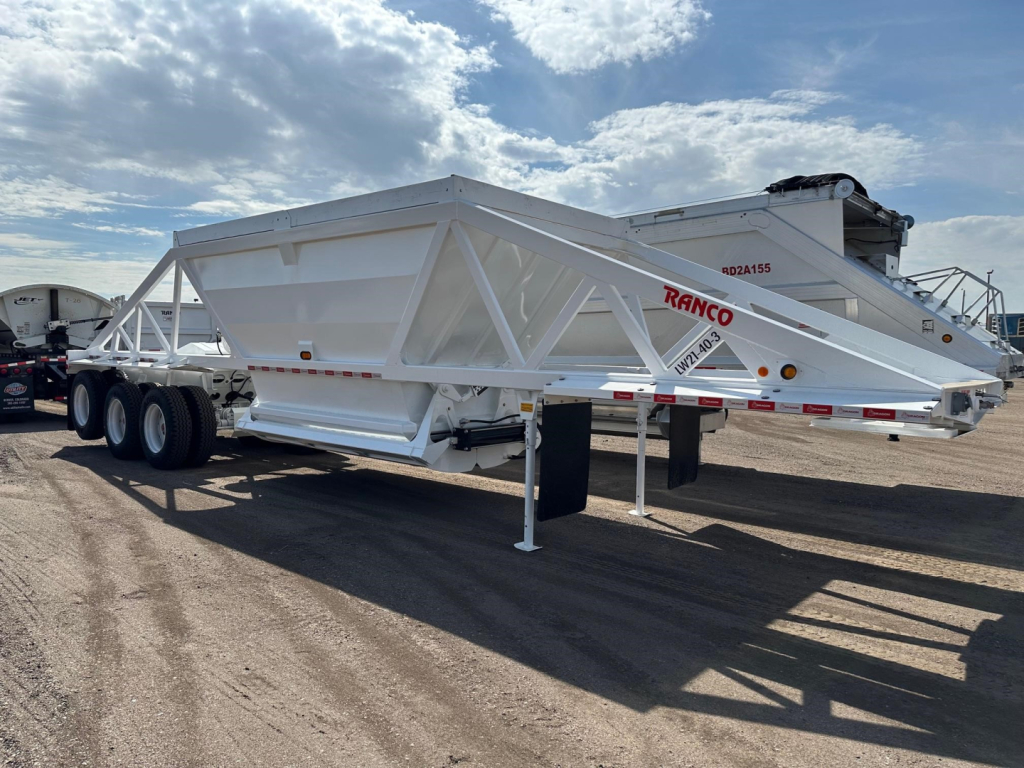
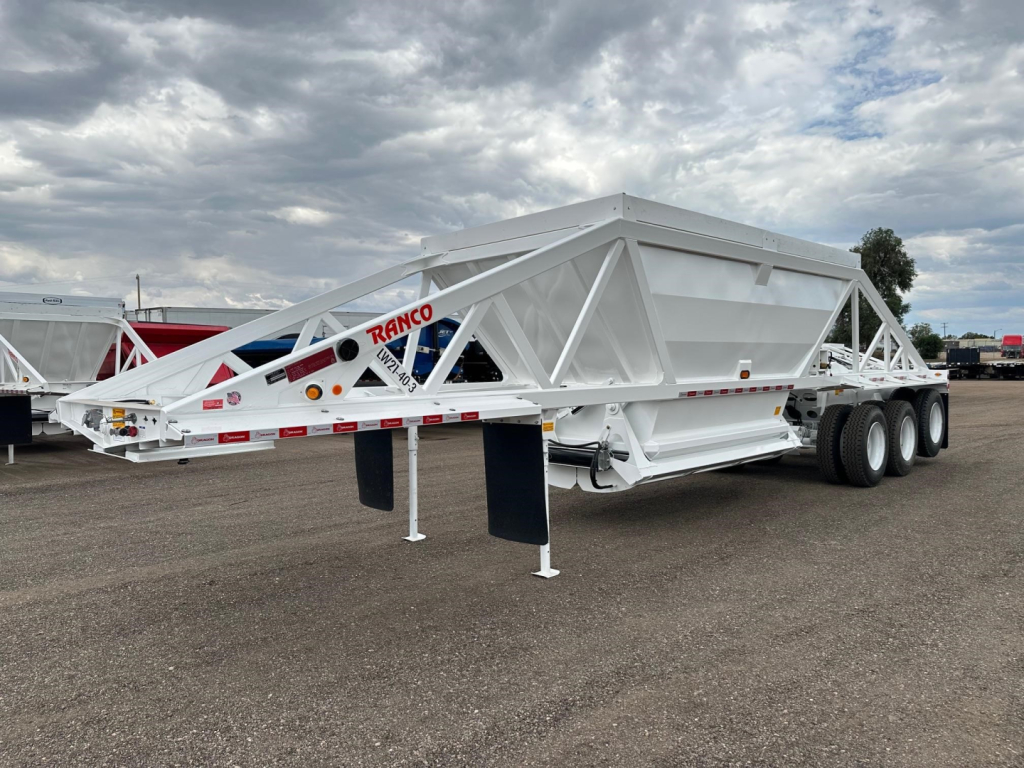
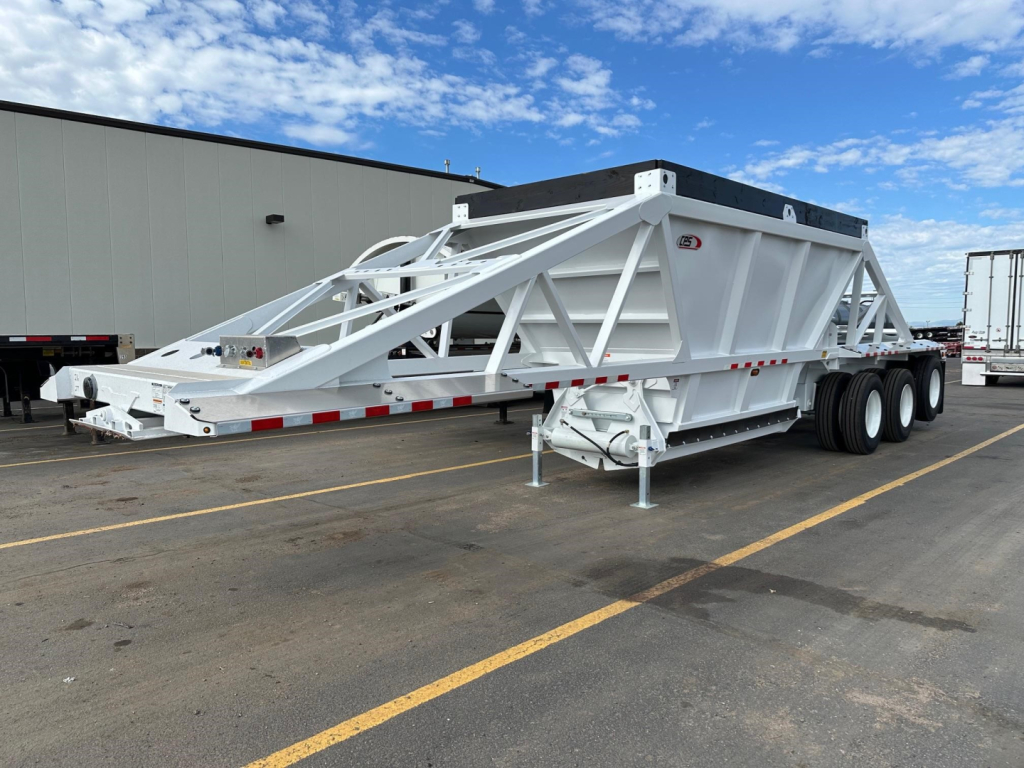
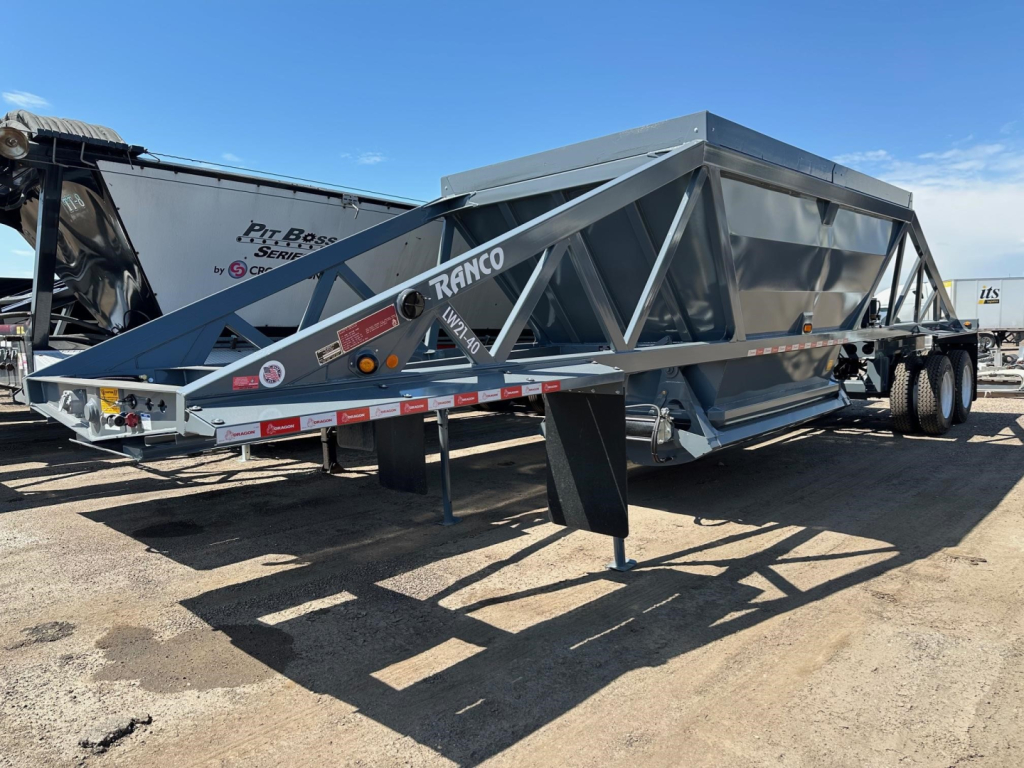
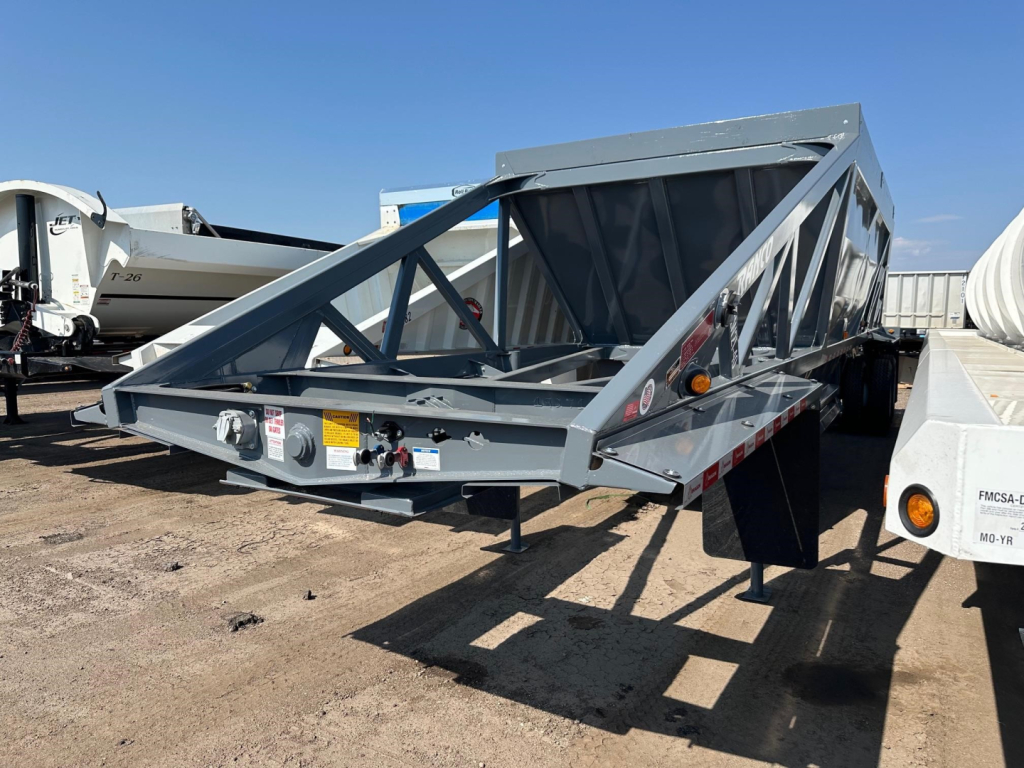
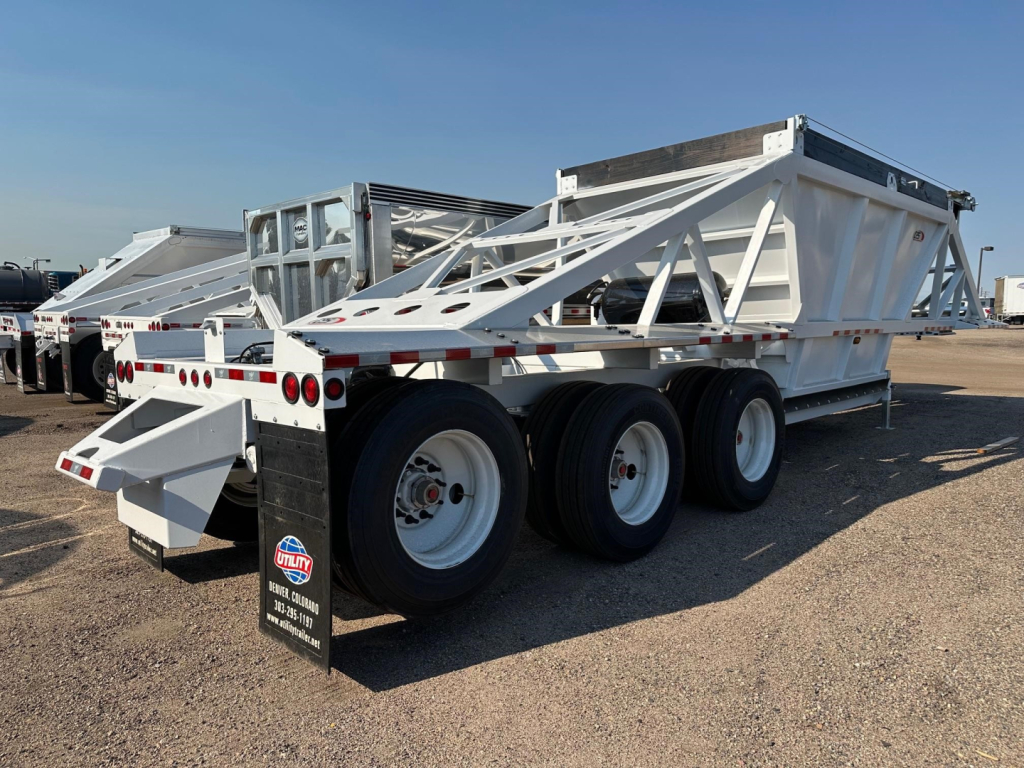
Showing 1 to 28 of 68 results
Selling a 2026 dump trailer? List your 2026 dump trailer for sale and reach thousands of commercial buyers.
2026 Dump Trailers
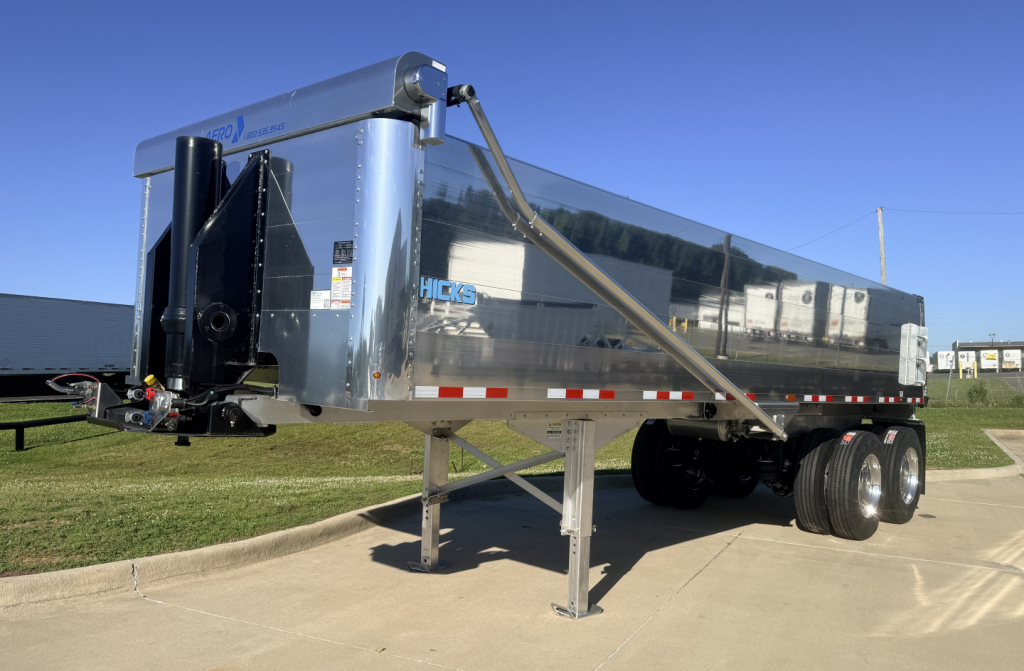
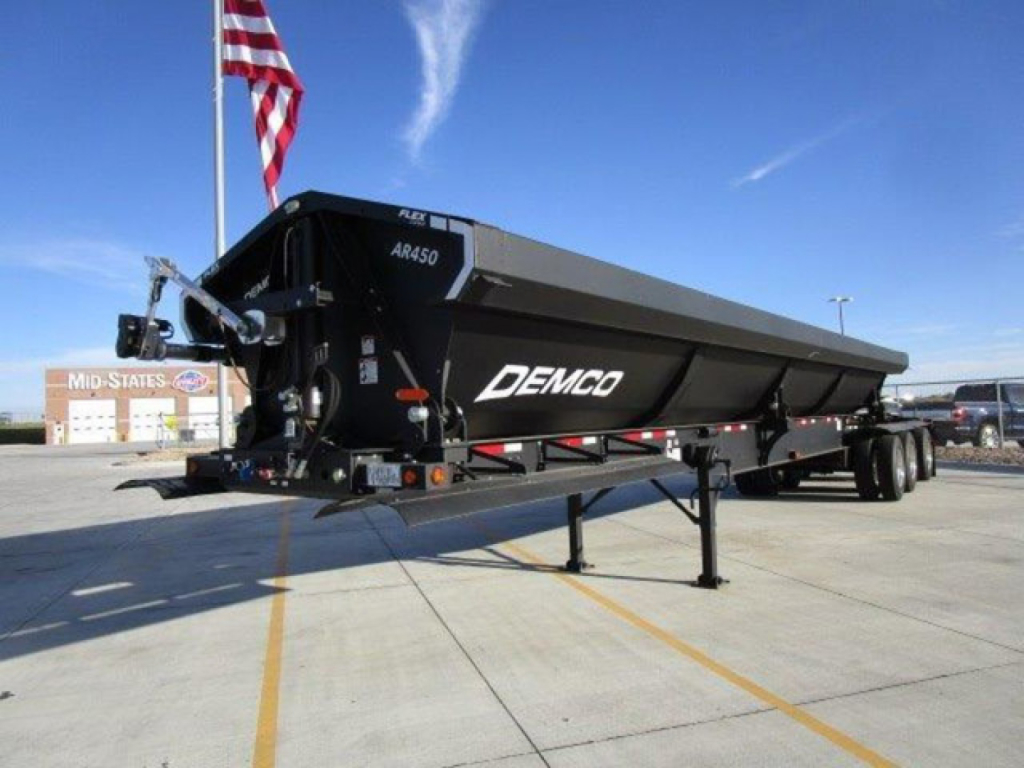
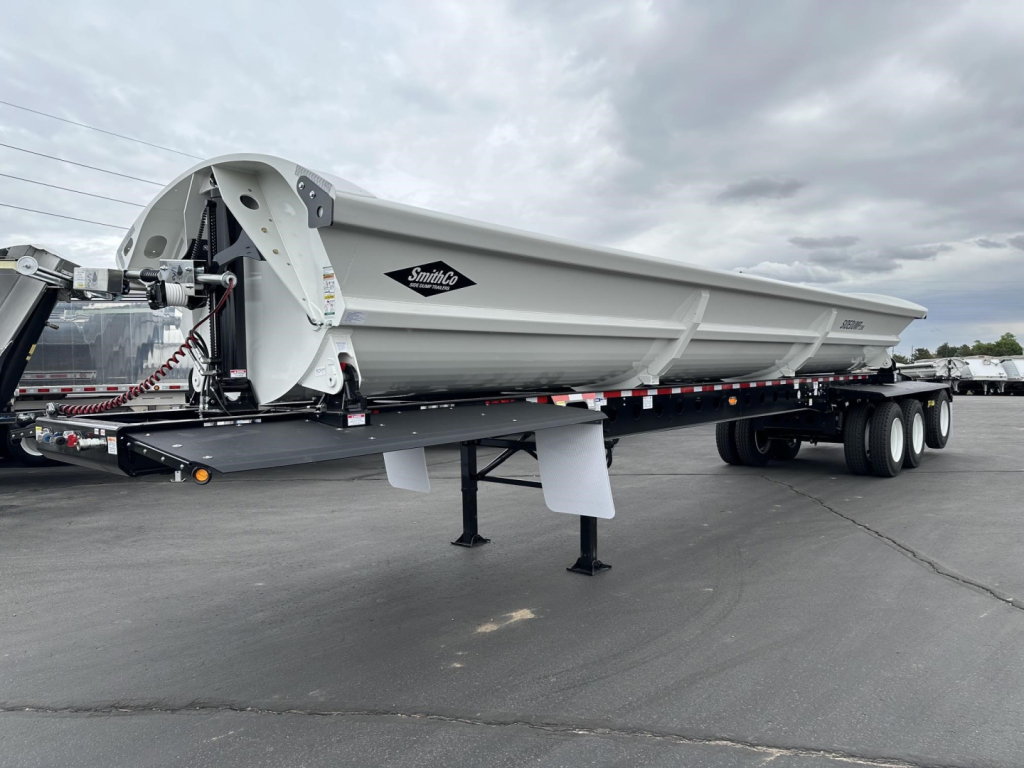
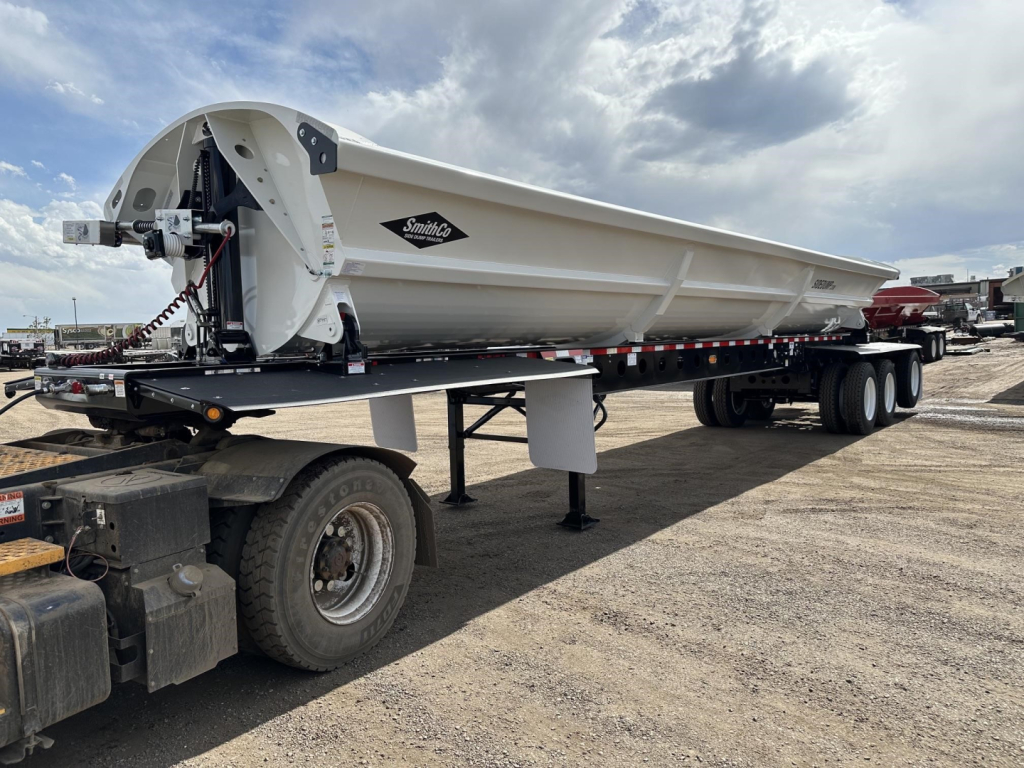
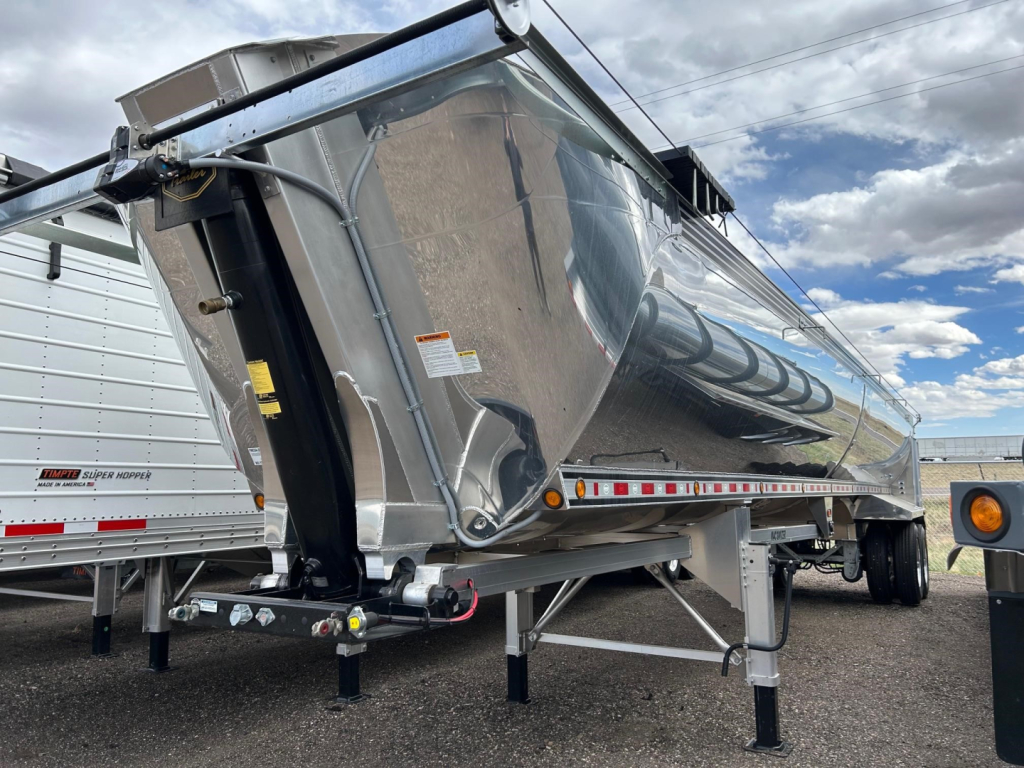
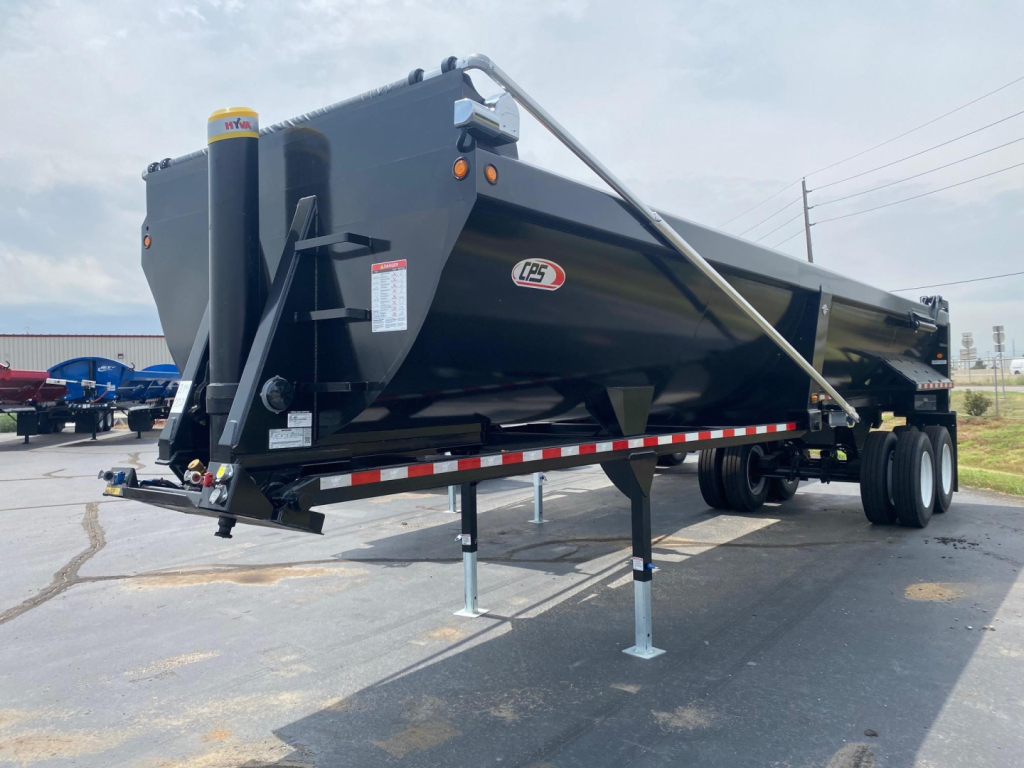
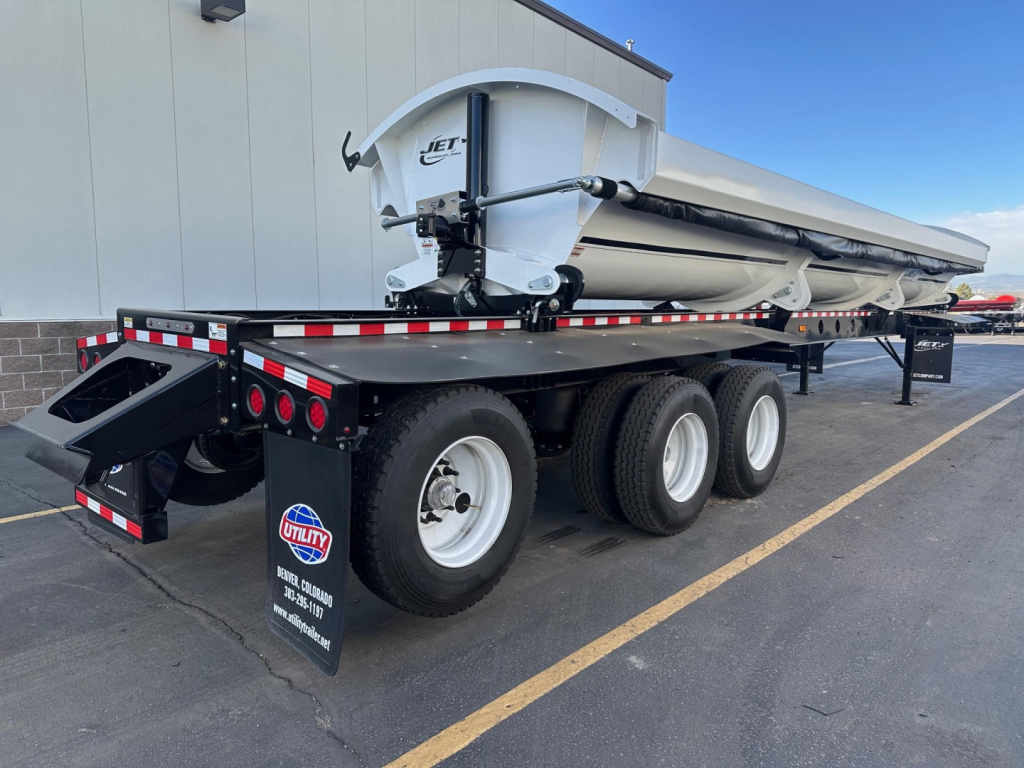
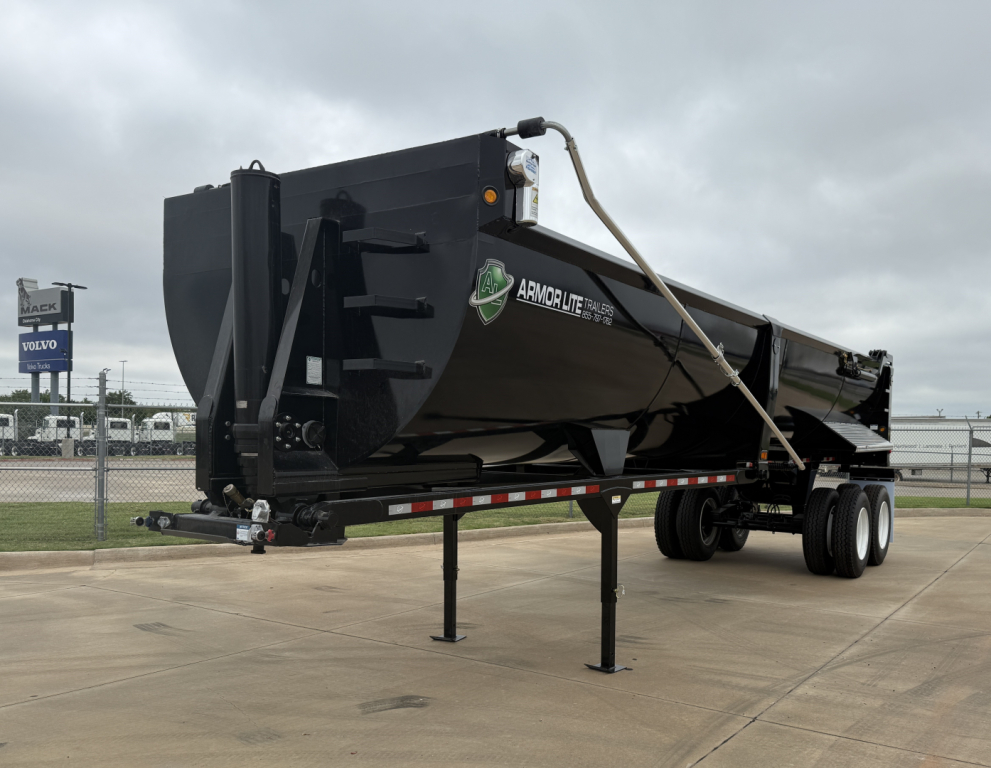
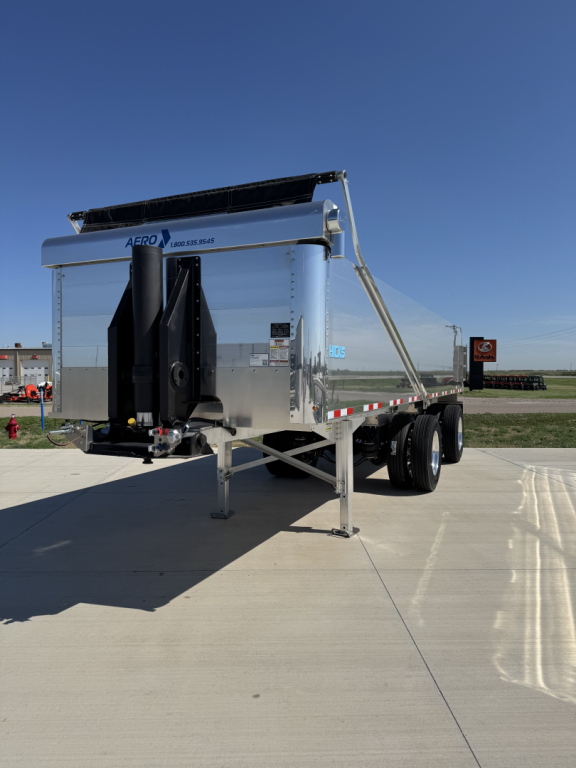
Common 2026 dump trailer specs in this category include 39-foot to 40-foot bodies, tandem axle configurations, and capacities around the low-20 to low-40 cubic yard range depending on body style and material density. Lightweight aluminum frameless end dumps are popular when payload matters most, while steel or Hardox-style tubs are often preferred for abrasive rock, demolition, and repeated impact loading. Details like side height, double-wall construction, liner packages, top-hinge or high-lift gates, slope sheets, and self-shedding top rails all affect how well the trailer handles sticky material, large chunks, and fast cycle times. Tire size, wheel material, and fender construction also matter more than many buyers expect because they directly affect tare weight, durability, and maintenance cost.
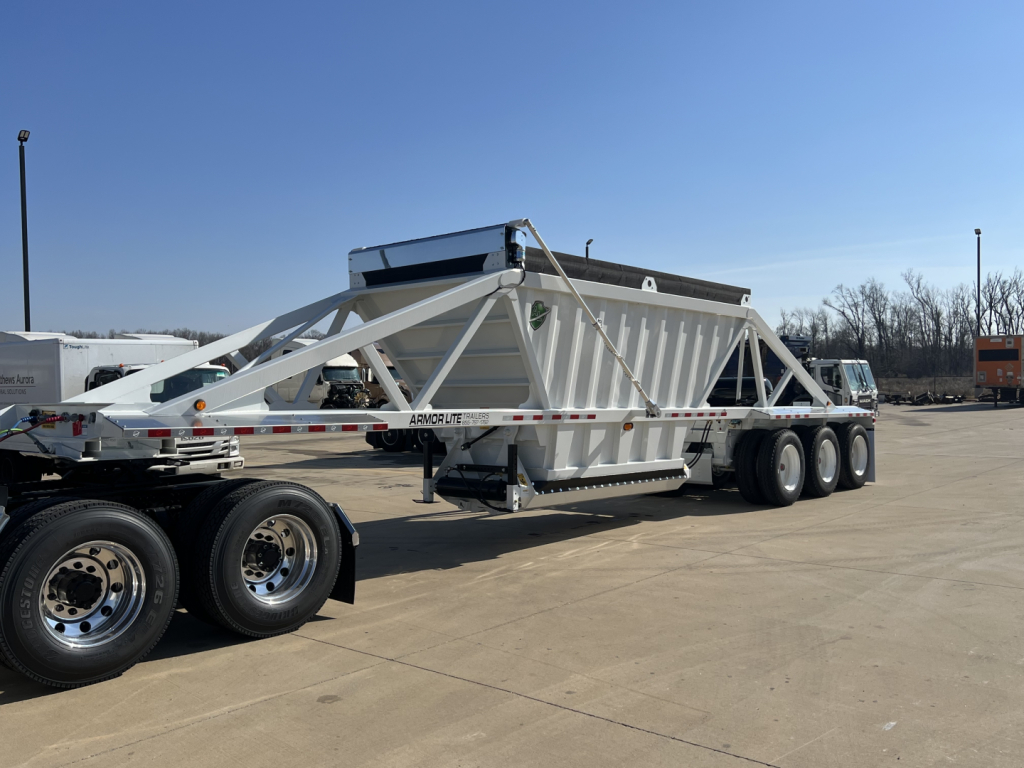
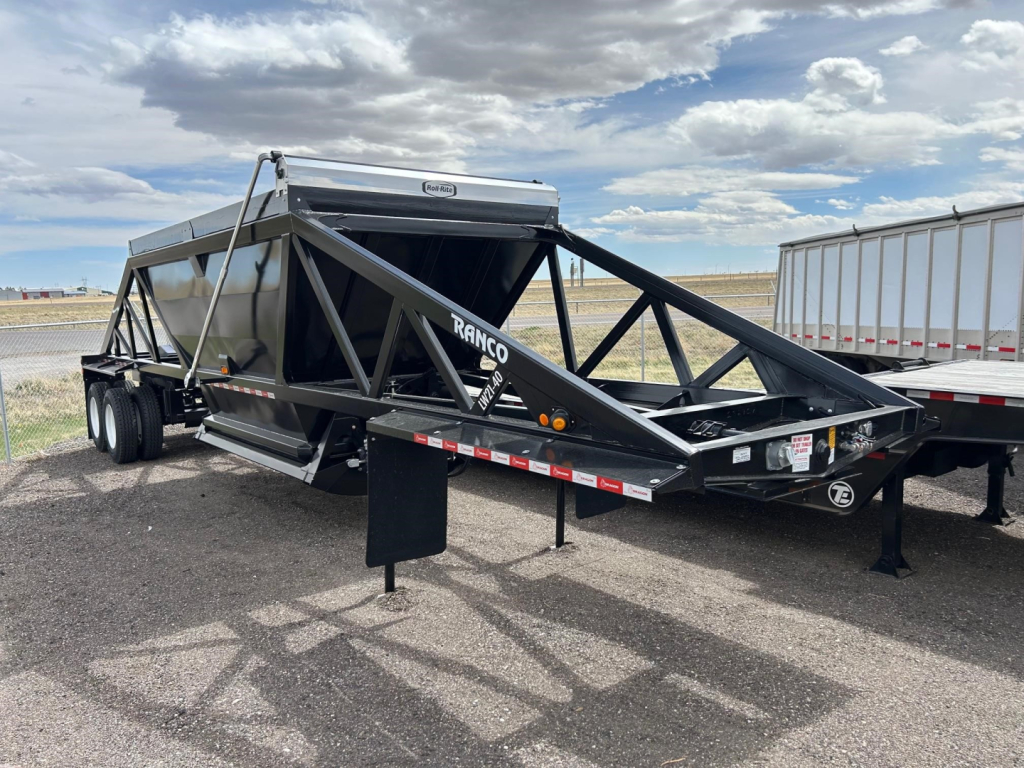
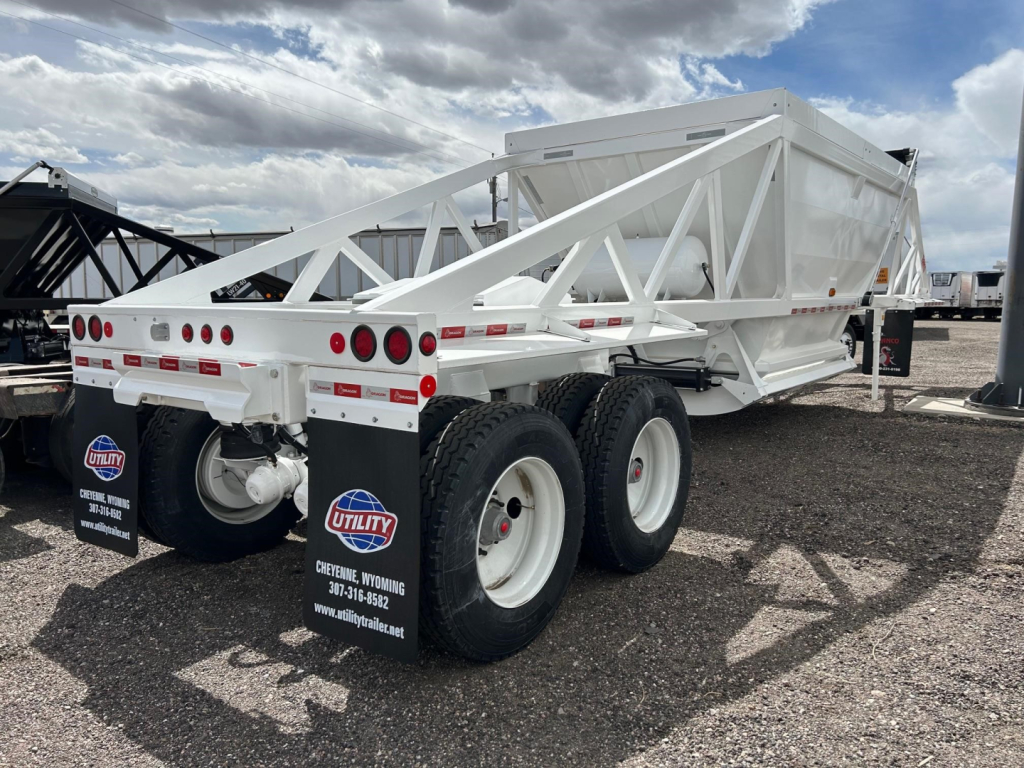
Suspension and gate setup are major decision points. Air ride is common on dump trailers used in mixed on-road service because it helps protect the trailer and cargo, while spring or single-point suspensions are still chosen for simplicity and ruggedness in harsher work. On bottom dumps, gate control hardware, limiter settings, windrow management, and tarp design should be reviewed closely if the trailer will be used for precision spread work. On end dumps, buyers should pay attention to hoist geometry, center of gravity when raised, body width, and whether the trailer is spec'd for stable unloading in uneven yard or pit conditions. Lift axles, closed tandems, quick-release valves, and larger air tanks can also influence productivity and legal payload flexibility.
A good 2026 dump trailer spec balances payload, body life, and unloading safety. Mesh or flip tarps, LED lighting, ladders, fenders, liners, and front hydraulic or air provisions are small items on paper but important in daily use. If the work involves asphalt millings, sand, gravel, riprap, or demolition material, body material and floor design deserve extra scrutiny because repair cost can erase any savings from a lighter build. Buyers comparing new-generation dump trailers usually get the best long-term value by matching body construction, suspension, gate style, and cubic capacity to the exact material stream and haul route.
Frequently Asked Questions about 2026 Dump Trailers
What is the difference between an end dump trailer and a bottom dump trailer?
An end dump trailer unloads out the rear by raising the body, which makes it well suited for stockpiling, dumping into hoppers, and moving bulk material that does not need to be spread evenly. A bottom dump trailer releases material through gates in the floor, allowing controlled discharge while moving, which is preferred for road building, shoulder work, and other applications where consistent material placement matters. The best choice depends on how the material must be discharged, how much overhead clearance is available, and how level the dump area is.
How do I choose between aluminum and steel dump trailer construction?
Aluminum dump trailers are usually chosen for lower tare weight and higher legal payload, especially in aggregate and bulk commodity hauling. Steel bodies, including Hardox or similar abrasion-resistant designs, typically hold up better in severe service with sharp rock, demolition debris, and repeated impact loading. Buyers should compare payload goals against expected wear, repair environment, and the type of material hauled most often rather than assuming the lightest trailer is always the most economical.
Is air ride or spring suspension better on a dump trailer?
Air ride is often preferred for mixed highway use because it improves ride quality, helps reduce shock loading, and can support better trailer control on paved roads. Spring ride and some single-point suspension designs are still popular in rugged applications because they are straightforward, durable, and familiar to fleets that prioritize simplicity. The right suspension depends on haul distance, road conditions, maintenance practices, and how sensitive the trailer body and cargo are to vibration and impact.
What dump trailer specs matter most for aggregate and construction hauling?
Body length and cubic yard capacity are only part of the equation. Buyers should also evaluate body material, side height, gate style, liner availability, tarp system, suspension type, axle layout, and tire spec. For construction and aggregate work, these details affect payload, dump stability, material release, resistance to abrasion, and cycle time at the plant or jobsite. A trailer that is correctly spec'd for the material stream will usually outperform a larger trailer that is mismatched to the work.
What should I look for in a 2026 dump trailer if I want long service life?
Long service life comes from matching the trailer structure to the material and route. Look closely at floor and side thickness, reinforcement design, top rail construction, gate hardware, tarp system quality, suspension durability, and whether the trailer has protective features such as liners, fenders, and chip-resistant tire specs. It is also smart to consider how easy the trailer will be to inspect and repair, because body cracking, gate wear, and suspension component replacement can have a major impact on total operating cost over time.