
2026 Dump Trailers For Sale in Wyoming
Shop 2026 dump trailers for sale in Wyoming, including bottom dump, side dump, and end dump models built for aggregate, road work, and hauling.
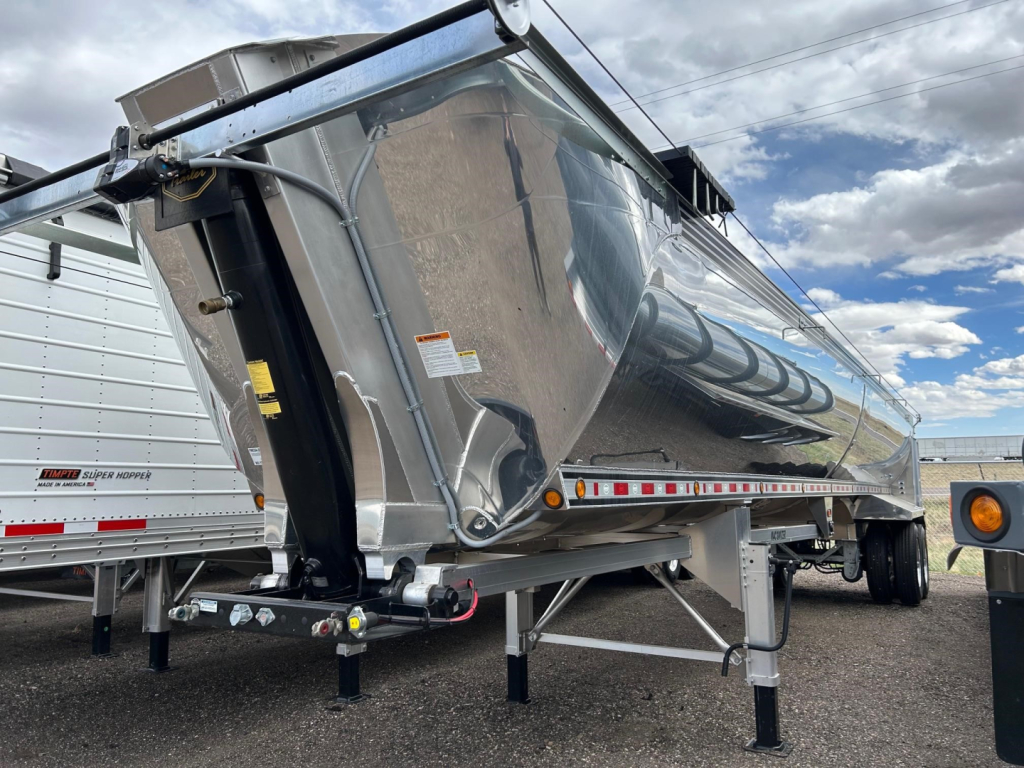
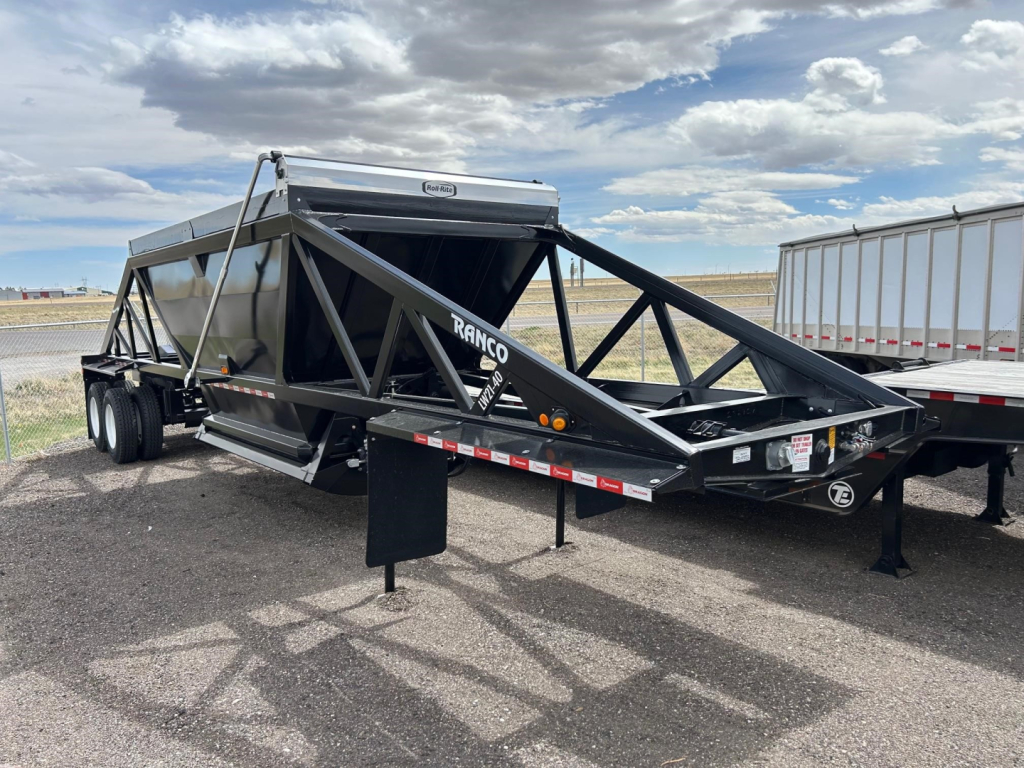
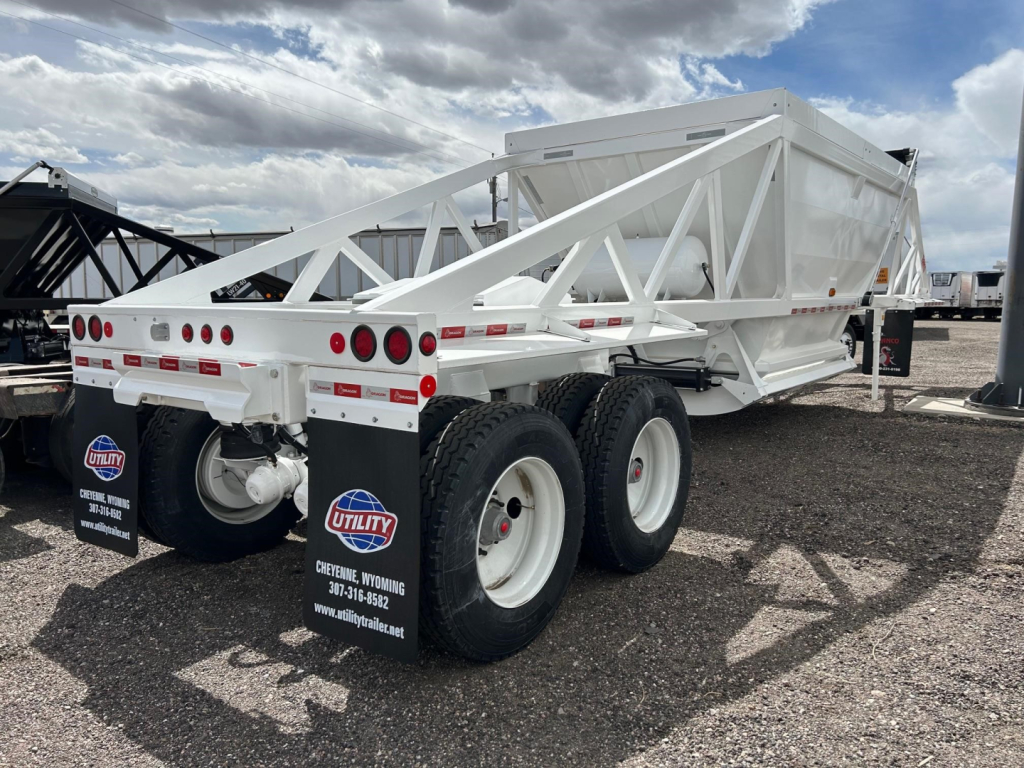
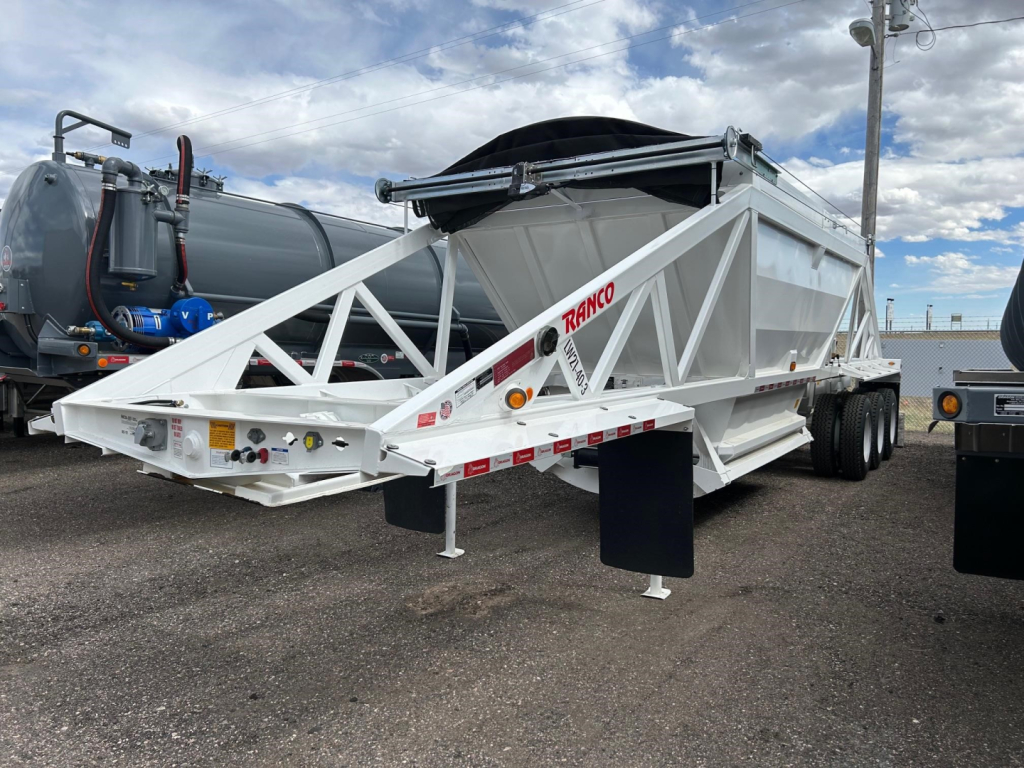
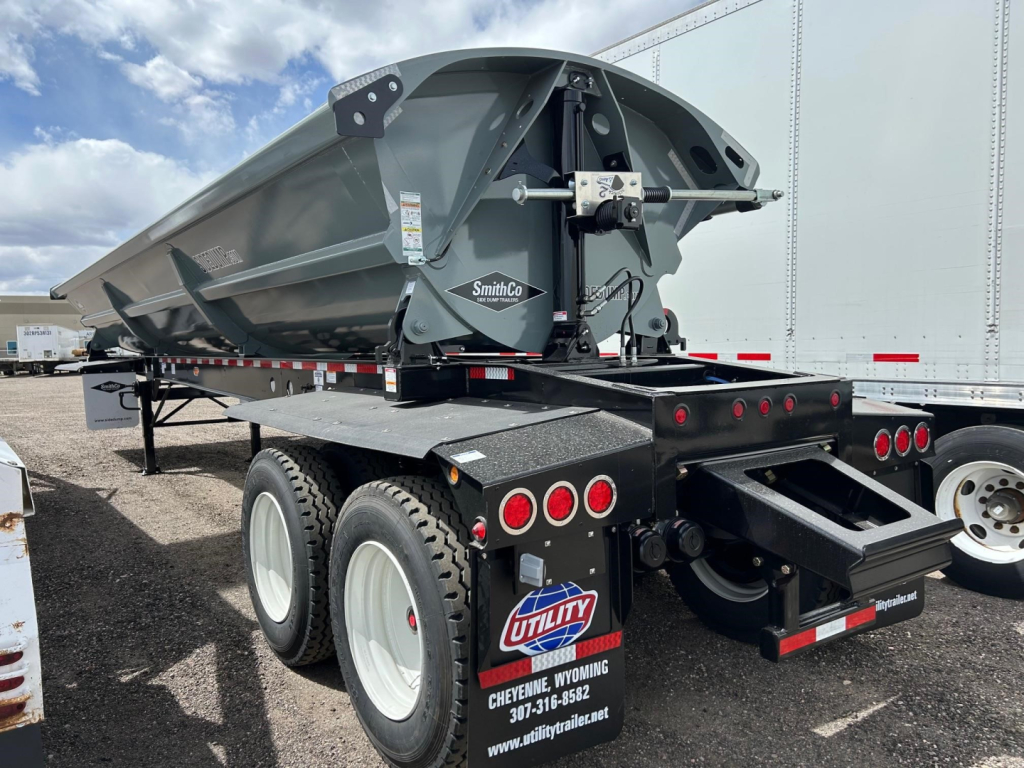
Selling a 2026 dump trailer? List your 2026 dump trailer for sale and reach thousands of commercial buyers.
2026 Dump Trailers in Wyoming
Common 2026 dump trailer specs in this category include 39-foot to 40-foot lengths, tandem or tri-axle layouts, air ride suspensions, 11R24.5 rubber, electric tarp systems, and heavy-duty push blocks. Bottom dumps often show up with single hopper designs, pin setting gate limiters, windrow deflectors, bang boards, and pintle hitch setups for pulling a pup. Side dump buyers usually focus on cylinder size, tub construction, tarp lockout systems, and dump valve configuration. End dump buyers tend to compare frameless versus frame-type construction, half-round versus quarter-frame bodies, side height, cubic yard capacity, gate style, and whether the body includes a factory liner for abrasive materials.
In Wyoming, terrain, weather, and haul road conditions make suspension, body material, and gate sealing more important than they look on paper. Air ride is common for protecting the trailer and improving ride quality, but suspension choice still needs to match the jobsite and payload. Aluminum bodies help maximize legal payload on long hauls, while steel or AR450 tubs are better suited for rock, demolition debris, and other high-wear applications. Buyers running in wind, mud, and freeze-thaw conditions should pay close attention to tarp design, lighting, fender coverage, landing gear durability, and sealed gate performance to reduce cleanup and maintenance.
A good dump trailer purchase comes down to matching body style to material, route, and unload area. If the job calls for spreading material precisely, a bottom dump is usually the best tool. If site conditions are rough and stability is a concern, a side dump often makes more sense. If capacity and simple bulk dumping are the priority, an end dump is still the standard. Looking across 2026 models, the most important comparisons are payload potential, discharge control, axle configuration, body durability, and how easily the trailer integrates with the tractor and the work already being done.
Frequently Asked Questions about 2026 Dump Trailers in Wyoming
What is the difference between a bottom dump, side dump, and end dump trailer?
A bottom dump discharges material through gates under the trailer and is used when controlled placement is important, such as road base or shoulder work. A side dump unloads by rolling the tub to one side, which usually gives faster cycle times and better stability than an end dump on uneven ground. An end dump raises the body and dumps out the rear, which makes it a common choice for bulk hauling and larger cubic yard capacities. The best choice depends on material type, unload area, and how precise the discharge needs to be.
Which dump trailer type is best for Wyoming hauling conditions?
Wyoming buyers often prioritize stability, durability, and weather resistance because of wind, variable terrain, and seasonal road conditions. Side dumps are popular for rough jobsites and off-road work because they generally offer strong stability during unloading. Bottom dumps are a strong fit for highway and road construction work where material must be laid out evenly. End dumps work well for general aggregate and bulk material hauling, but buyers should pay close attention to body construction, liner options, and suspension spec if the trailer will see rough ground or abrasive loads.
What specs matter most when comparing 2026 dump trailers?
The key specs are body style, cubic yard capacity, axle configuration, suspension, body material, tire size, tarp system, and gate design. Capacity affects productivity, but payload potential also depends on trailer weight and material density. Axle layout matters for bridge compliance, maneuverability, and load distribution. Suspension choice affects ride quality and trailer life. Buyers should also look at liners, cylinder size on side dumps, gate limiters on bottom dumps, and sealed rear gates on end dumps if they haul wet or fine material.
Is aluminum or steel better for a dump trailer?
Aluminum is usually chosen to reduce trailer weight and improve legal payload, which can make a big difference in aggregate and long-haul applications. Steel is heavier but stands up better to impact, abrasion, and severe-duty use, especially when hauling rock, demolition material, or sharp, dense loads. Some trailers also use specialty steel such as AR450 in high-wear areas. The right material depends on the balance between payload, durability, and the type of material being hauled every day.
Why do features like tarps, gate limiters, and push blocks matter on a dump trailer?
These features directly affect safety, productivity, and compatibility in daily operation. Electric tarps help contain material and meet road requirements while reducing driver effort. Gate limiters on bottom dumps help control the discharge opening for more consistent material spread. Push blocks and pintle arrangements matter for fleets that run pups or need flexibility in train configurations. Small spec details like these can have a major impact on cycle time, cleanup, maintenance, and how well the trailer fits the work.