
2026 Ranco Dump Trailers For Sale in Wyoming
Shop 2026 Ranco dump trailers, including lightweight bottom dump and tri-axle models with air ride, tarp systems, and aggregate-ready specs.
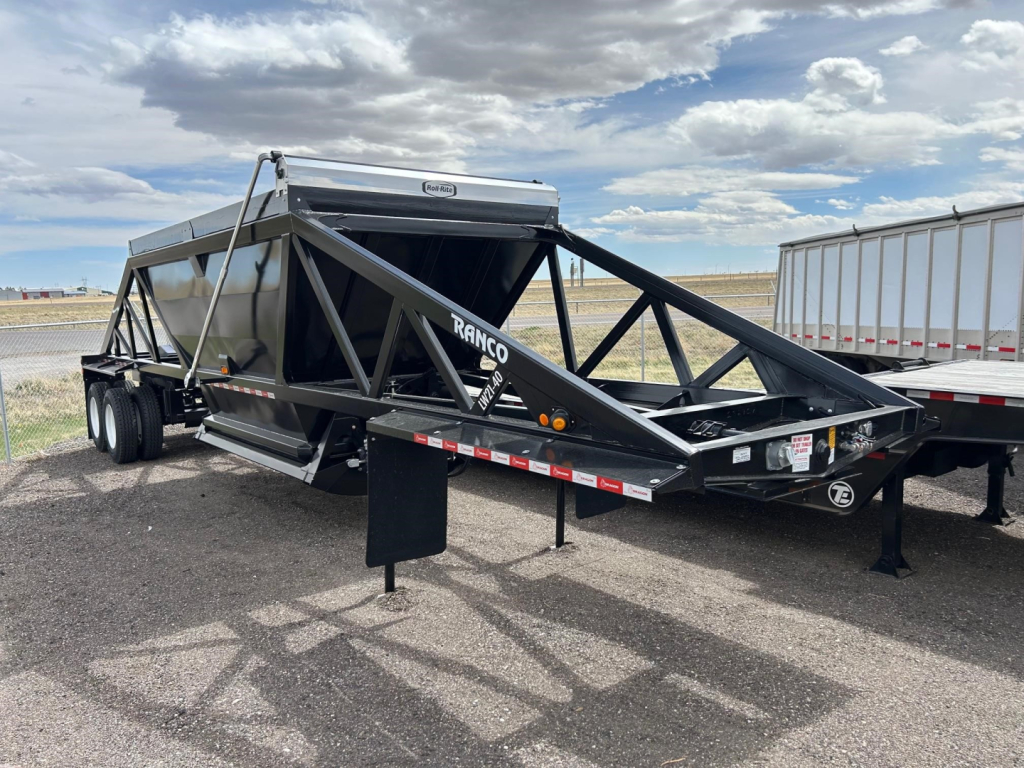
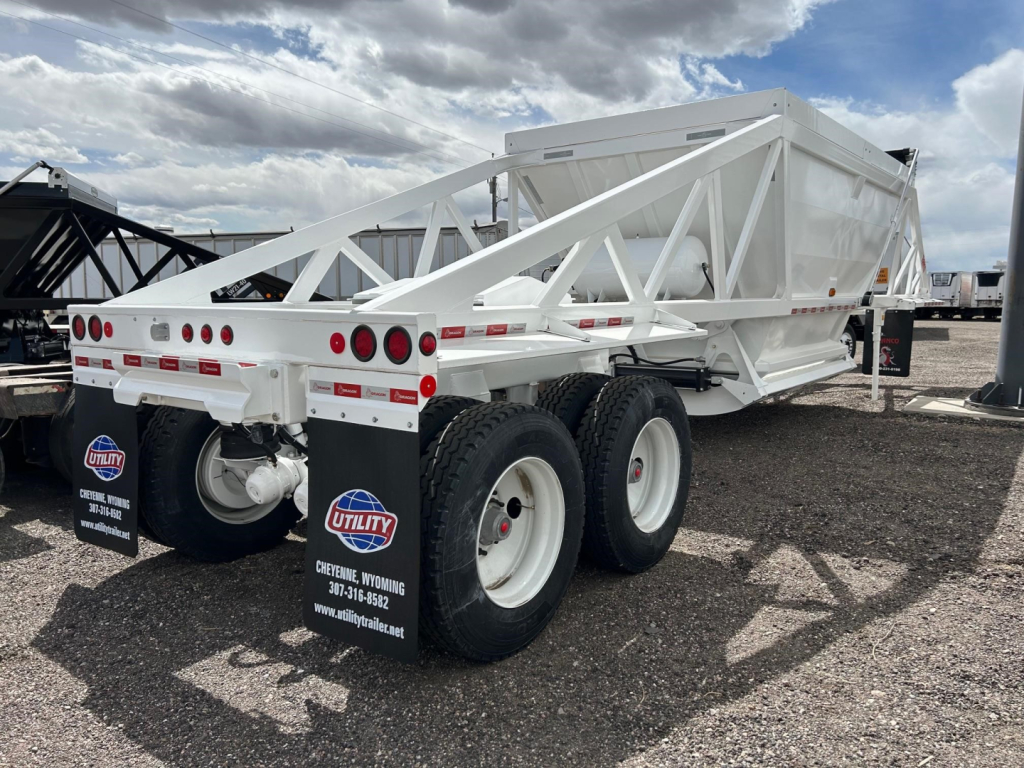
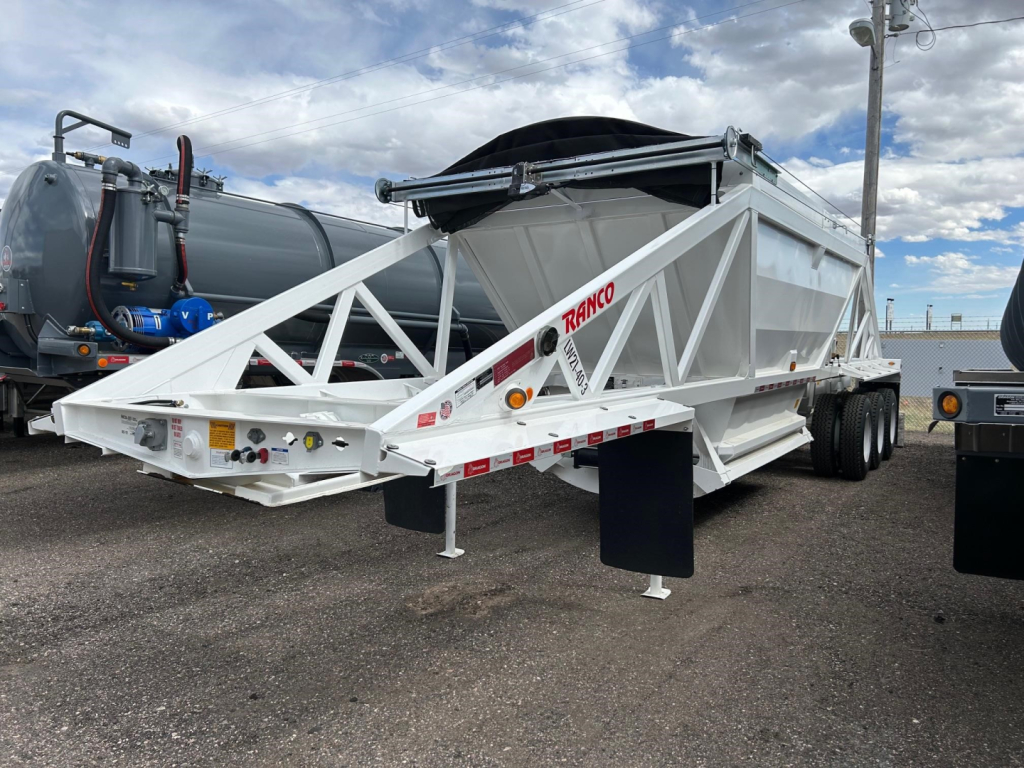
Selling a 2026 ranco dump trailer? List your 2026 ranco dump trailer for sale and reach thousands of commercial buyers.
2026 Ranco Dump Trailers in Wyoming
The first buying decision is usually trailer layout. A 40-foot single hopper bottom dump is a common choice when payload and simplicity matter most, while tri-axle setups can help with bridge law, axle loading, and jobsite flexibility. Common specs in this class include around 21 cubic yards, air ride suspension, 11R24.5 tires, steel wheels, front and rear fenders, and push blocks. Some trailers are set up as closed tandem units, while others use a rear lift axle or pup-ready pintle hitch with air and electric connections for higher-volume aggregate operations.
Gate system and discharge control matter as much as body construction. Buyers should pay attention to pin-setting gate limiters, Versa Valve or similar metering systems, and windrow deflectors. These features affect how precisely the trailer lays material and how well it handles different product sizes. Bang boards, electric flip tarps, and LED lighting are also common on late-model bottom dumps because they improve daily usability, load security, and visibility. On paving and shoulder work, consistent flow through the gates can save time and reduce cleanup compared with a less refined setup.
A good Ranco dump trailer spec matches the route, material, and legal weight environment. For highway material spreading, air ride can improve handling and product control. For quarry-to-job hauls, focus on tare weight, gate durability, suspension layout, and tire spec. For fleets pulling pups, a pintle-equipped trailer with the right plumbing and electrical provisions can add versatility. Buyers comparing 2026 Ranco dump trailers should look closely at hopper design, axle configuration, tarp equipment, and gate controls, because those details determine payload efficiency, unloading accuracy, and long-term operating cost.
Frequently Asked Questions about 2026 Ranco Dump Trailers in Wyoming
What type of dump trailer is most common in this Ranco category?
The most common setup in this category is a bottom dump trailer, also called a belly dump. Instead of raising the body like an end dump, a bottom dump releases material through gates under the hopper. This design is widely used for sand, gravel, road base, and asphalt-related work because it unloads quickly and can place material in a controlled line while the tractor keeps moving.
What should I look for in a 2026 Ranco bottom dump trailer for aggregate work?
Key items include cubic yard capacity, tare weight, axle configuration, suspension type, and gate control equipment. A lightweight trailer can improve payload, but the gate system is just as important because features like pin-setting gate limiters, Versa Valve controls, and windrow deflectors affect discharge accuracy. Buyers should also review tire size, wheel type, tarp system, and whether the trailer is configured as a tandem, tri-axle, or pup-pulling setup.
Is air ride a good choice on a dump trailer?
Air ride is a strong choice for many bottom dump applications because it can improve ride quality, reduce shock to the trailer, and help maintain better material flow characteristics during transport. It is especially common on newer aggregate trailers used on mixed road surfaces and longer haul routes. The right suspension still depends on payload, maintenance preference, and how much off-road jobsite exposure the trailer will see.
What is the benefit of a tri-axle bottom dump trailer?
A tri-axle bottom dump can offer better axle load distribution and more flexibility in states or routes where bridge formula and legal weight considerations are important. Some tri-axle setups include a rear lift axle, which can help balance tire wear and improve maneuverability when empty or lightly loaded. For buyers running regional aggregate routes, a tri-axle can be a practical way to match local compliance requirements without giving up bottom dump productivity.
Why do gate controls and windrow equipment matter on a bottom dump?
The value of a bottom dump trailer comes from controlled unloading, so gate controls are central to performance. Pin-setting limiters and valve systems regulate how much material is released, while a windrow deflector helps shape the discharge pattern. On road building, shoulder work, and base spreading, these features improve consistency, reduce wasted material, and shorten cleanup time behind the trailer.