
2026 Dump Trailers For Sale in Oklahoma
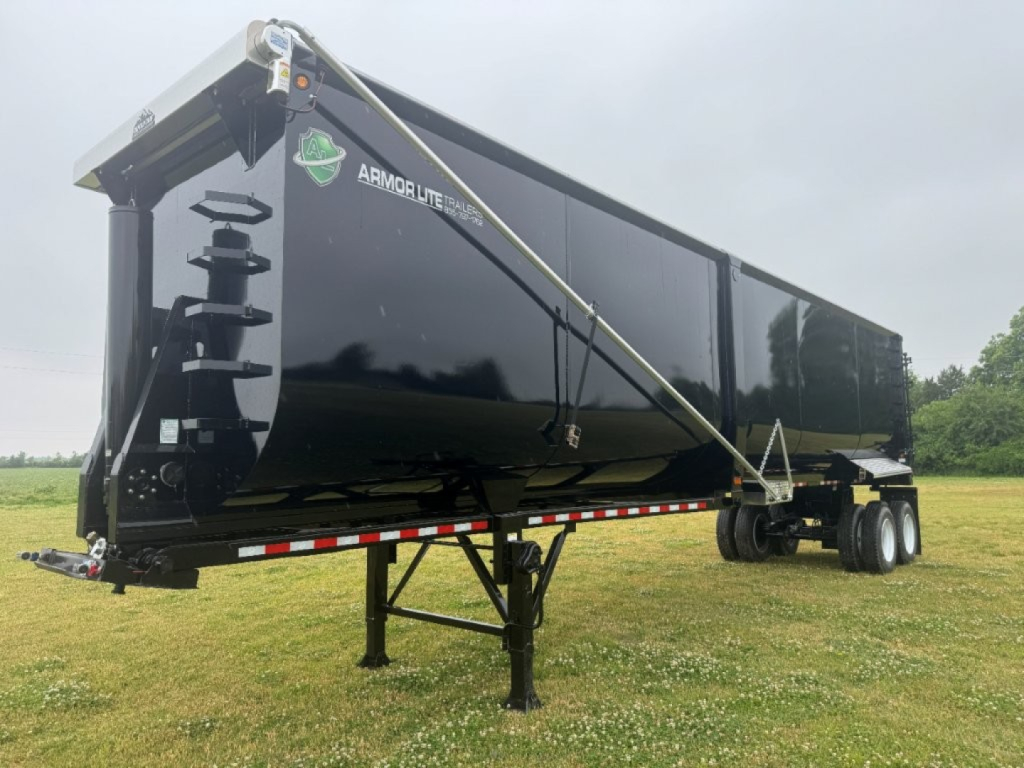
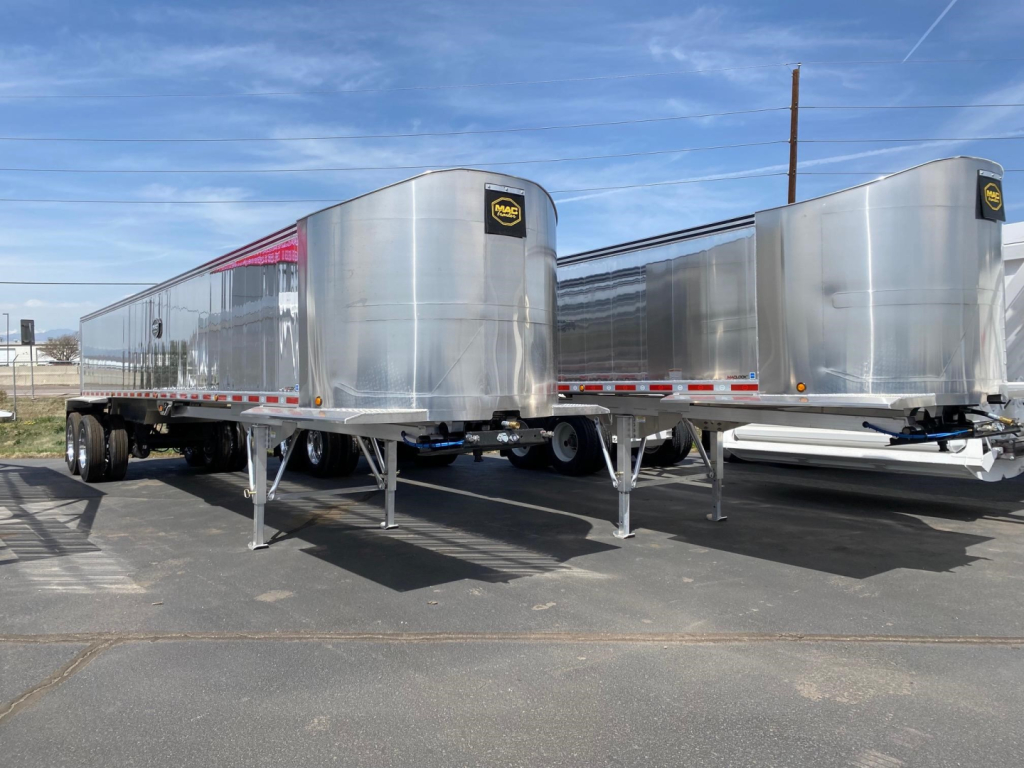
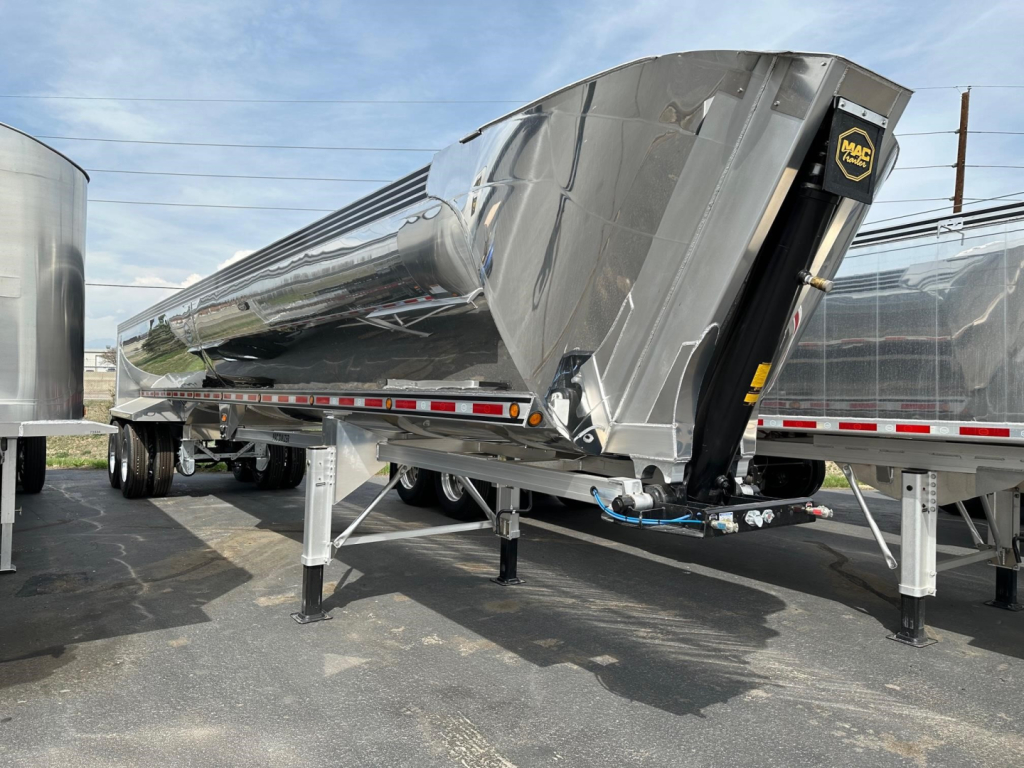
Have 2026 dump trailer to sell? List it here to reach thousands of buyers.
2026 Dump Trailers in Oklahoma
Capacity and body dimensions matter more than the model name. Many dump trailers in this segment run roughly 35 to 40 feet in length, with side heights ranging from the mid-50-inch range up to around 78 inches, and capacities from the low-20s to mid-60 cubic yards depending on body style and intended material. A half-round or elliptical tub sheds sticky material better and reduces carryback, while flat-sided or scrap-style bodies can offer more usable volume for lighter, bulky loads. Buyers should also compare gate configuration closely. Top-hinge gates are common for aggregate and dirt, barn doors are often preferred for scrap or mixed debris, and sealed gates help when hauling finer material that tends to leak.
Underbody spec is just as important as the tub. Tandem axle layouts are common, with air ride suspension favored for ride quality and trailer control on mixed road conditions. Some setups add a lift axle to improve bridge compliance and tire life when running loaded one way and empty on the return. Hoist design, cylinder staging, landing gear, axle spread, brake size, ABS configuration, and wheel-tire package all affect service life and operating cost. Oklahoma buyers should pay attention to kingpin setting, suspension type, and overall axle package if the trailer will see a mix of county roads, quarries, plants, and highway miles. Features like electric tarp systems, windrow deflectors, scuff protection, liners, rear ladders, bolt-on fenders, and LED lighting are not cosmetic details. They directly affect cleanup time, safety, and uptime.
A strong 2026 dump trailer spec is one that matches the commodity first, then the route, then the scale ticket. Lightweight aluminum end dumps are popular when payload is king, but a heavier-duty steel or lined tub can be the better long-term choice if the trailer will see sharp-edged scrap, riprap, or repeated loader impact. Buyers comparing listings should look at cubic yard rating, tub material and thickness, hoist size, gate style, suspension, tire size, and any liner or tarp package before focusing on paint or trim. The right dump trailer is the one that unloads cleanly, stays stable in the field, and holds up under the exact material you move every day.
Frequently Asked Questions about 2026 Dump Trailers in Oklahoma
What is the difference between a frameless and a frame-type dump trailer?
A frameless dump trailer uses the body structure itself as a major load-bearing component, which reduces empty weight and can improve payload. That makes frameless designs popular in aggregate, asphalt millings, and general bulk hauling. A frame-type dump trailer adds structural support underneath the body, which can be beneficial in severe-duty applications or where the trailer sees rougher loading conditions. The right choice depends on material density, loader practices, and how much priority you place on payload versus long-term structural margin.
What body style works best for sand, gravel, scrap, or demolition debris?
Half-round and elliptical bodies are usually preferred for sand, gravel, dirt, and other flowing materials because they unload cleanly and resist material hang-up. Scrap and demolition work often call for heavier steel construction, thicker floors and walls, and gate setups such as barn doors that better handle irregular material. If the load is abrasive, sharp, or prone to bridging, tub material, liner choice, and body shape matter as much as cubic yard capacity.
How many cubic yards should I look for in a 2026 dump trailer?
Cubic yard capacity should be matched to commodity weight, not just volume. A trailer rated in the 23 to 43 cubic yard range may be appropriate for heavier material like rock, sand, or asphalt-related products, while larger capacities are more common for lighter bulk materials or scrap. Buying too much volume for a dense commodity can leave you overweight before the body is full. Buyers should compare yard rating alongside body length, side height, trailer tare weight, and expected legal payload.
Are air ride suspensions better on dump trailers?
Air ride is common on modern dump trailers because it improves ride quality, helps protect the trailer structure, and can offer better handling on mixed pavement conditions. It is especially useful for operations that spend significant time on the highway or haul materials sensitive to shock. Mechanical suspensions still have a place in some applications, but many buyers prefer air ride for overall versatility, tire wear, and driver acceptance. Suspension choice should be considered together with axle spacing, lift axle options, and the roads the trailer will actually run.
What options make the biggest difference in day-to-day use?
The most useful options are usually tarp systems, liners, proper gate selection, quality lighting, fenders, and a hoist sized for the body and material. An electric tarp speeds loading and load securement compliance. A liner reduces carryback and protects the tub when hauling abrasive material. Sealed or top-hinge gates can reduce spillage depending on commodity, and LED lighting improves visibility and lowers maintenance. These features have a direct impact on uptime, cleanup, safety, and how efficiently the trailer works over a full season.